Choosing new window treatments involves more than finding a color or style you like. Blinds, shades, shutters, and drapery can affect privacy, natural light, energy efficiency, comfort, convenience, and the overall appearance of your home.
They are also something you will likely use every day for years.
That makes choosing the right window treatment company almost as important as choosing the window coverings themselves.
Before you make a decision, ask questions about the products, measurements, installation, warranties, motorization, materials, and long-term service. A knowledgeable window treatment professional should be able to explain your options clearly and help you find solutions based on how you actually use each room.
Here are some of the most important questions to ask a window treatment company before placing your order.
1. Do You Offer an In-Home Design Consultation?
Window treatments can look very different in a showroom or online than they do inside your home.
An in-home consultation gives you an opportunity to compare colors, fabrics, materials, and styles alongside your existing walls, flooring, furniture, and décor. It also allows a window treatment professional to see your windows firsthand.
During the consultation, discuss more than appearance. Explain what you want the window treatments to accomplish.
Are you trying to:
- Reduce glare?
- Add privacy?
- Block morning or afternoon sunlight?
- Darken a bedroom?
- Improve insulation?
- Protect furniture and flooring from sunlight?
- Preserve an outdoor view?
- Make hard-to-reach windows easier to operate?
- Add motorization or smart-home functionality?
The best window treatment is not necessarily the same for every room. A bedroom, bathroom, kitchen, home office, and living room can each have very different requirements.
2. Will You Professionally Measure My Windows?
Custom window treatments depend on accurate measurements.
Even windows that appear identical may have slight differences in width, height, depth, or squareness. Those differences can become noticeable once a custom blind, shade, or shutter is installed.
Ask whether the company will measure the windows for you and whether those measurements are included as part of the process.
Professional measuring is especially important for unusual windows, oversized windows, bay windows, arches, sliding doors, and windows where you are considering an inside mount.
You should also ask who is responsible if a measurement is incorrect. With a full-service window treatment company, there should be a clear process from measurement through installation.
3. What Type of Window Treatment Is Best for This Room?
Instead of beginning with, “Which blinds should I buy?” try asking, “What would work best for this room?”
That opens the conversation to more possibilities.
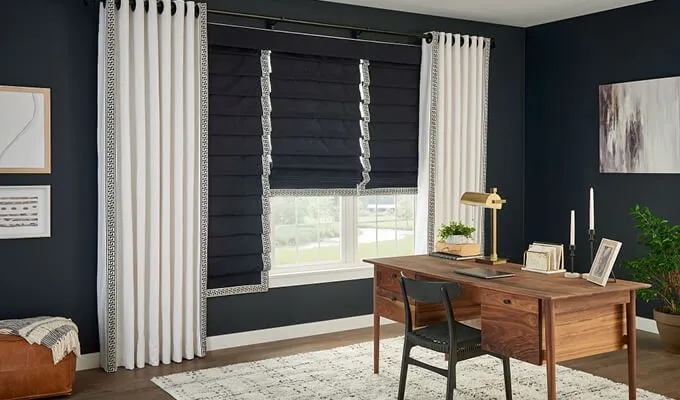
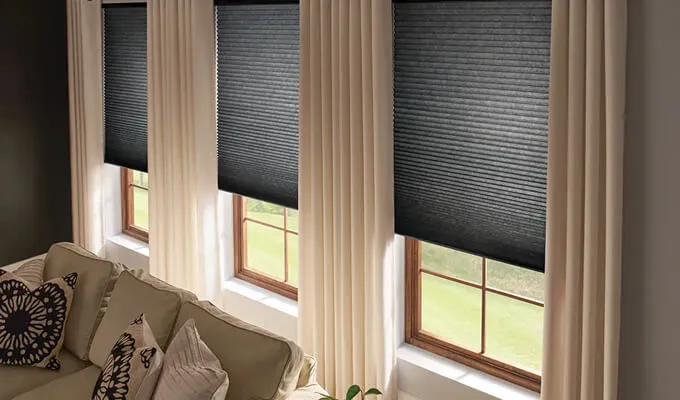
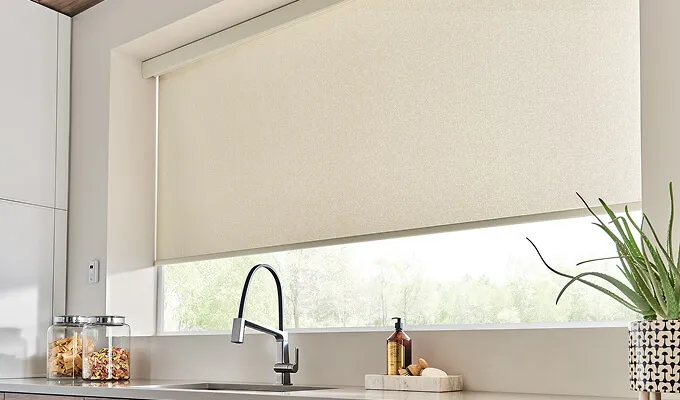
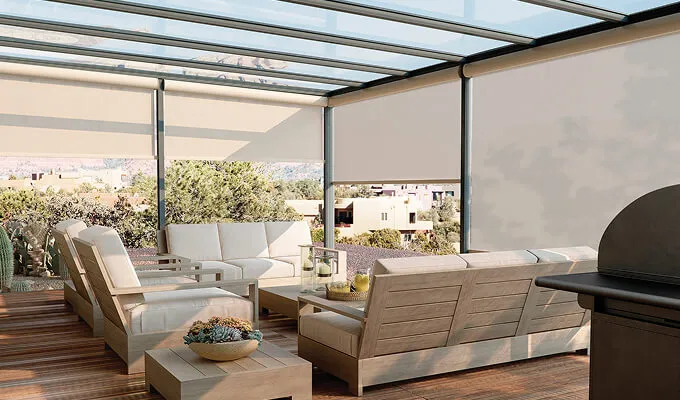
Depending on your needs, the answer could be blinds, roller shades, cellular shades, Roman shades, solar shades, shutters, drapery, or another custom window covering.
For example, you may want excellent light control in a bedroom but filtered natural light in a living room. A home office may need glare reduction, while a bathroom may require additional privacy and materials that perform well in a moisture-prone environment.
Ask the consultant to explain why a particular product is being recommended.
4. What Are the Advantages and Disadvantages of Each Option?
Every type of window treatment has strengths and tradeoffs.
A good window treatment company should be willing to discuss both.
Ask about differences in:
- Light control
- Privacy
- Insulation
- Durability
- Cleaning and maintenance
- Cost
- Appearance
- Lifespan
- Child and pet considerations
- Motorization availability
If you are deciding between two or three products, ask for a side-by-side comparison.
Understanding why one solution costs more or performs differently can make it much easier to choose confidently.
5. Are These Window Treatments Custom-Made for My Windows?
There is a significant difference between choosing a standard-size window covering and having a treatment made specifically for a particular window.
Ask whether your blinds, shades, shutters, or drapery will be manufactured according to the measurements taken at your home.
Custom window treatments can be particularly valuable for windows with unusual dimensions or when you want a more integrated, finished appearance.
You should also ask what can be customized. Depending on the product, choices may include materials, fabrics, colors, opacity, finishes, hardware, control systems, decorative elements, and mounting options.
6. Which Window Treatments Can Help With Energy Efficiency?
Windows can have a major impact on the comfort of a room.
Ask which products can help manage heat gain during warmer weather and heat loss during colder weather. This can be especially useful in rooms with large expanses of glass or windows that receive significant direct sunlight.
Certain cellular shades, shutters, layered window treatments, and other products may provide additional insulation or solar control.
However, performance varies by product. Rather than assuming every “energy-efficient” window treatment performs the same way, ask the company to explain the specific characteristics of the products you are considering.
7. What Level of Light Control Will I Get?
“Light filtering” and “room darkening” can mean very different things.
If controlling sunlight is important, explain exactly what you are trying to achieve.
Do you want to soften harsh sunlight without making the room dark? Reduce television or computer glare? Create more darkness for sleeping? Block a direct afternoon sun exposure?
Ask to see material samples whenever possible.
For bedrooms and media rooms, also ask about potential light gaps around the edges of the treatment. Even a room-darkening fabric may allow some light around the sides depending on the mounting style and window configuration.
8. How Much Privacy Will the Window Treatment Provide?
Privacy needs often change throughout the day.
Some window treatments provide privacy while still allowing natural light into a room. Others provide greater coverage but limit the view outside.
Ask what the treatment looks like from both inside and outside the home during daytime and nighttime conditions.
This can be particularly important for bedrooms, bathrooms, street-facing windows, and homes where neighboring properties are close by.
9. Should I Consider Motorized Window Treatments?
Motorization is no longer limited to luxury homes.
Motorized blinds and shades can be useful for everyday convenience as well as windows that are high, large, difficult to reach, or located behind furniture.
If you are considering motorization, ask:
- How are the treatments powered?
- How often will batteries need to be replaced or recharged?
- Can they be operated with a remote?
- Is app control available?
- Can multiple shades operate together?
- Can I create schedules?
- Are smart-home integrations available?
- What happens if the motor stops working?
- Can the treatment still be operated manually?
Even if you do not want motorization throughout the entire house, it may make sense for selected windows.
10. Are Cordless Options Available?
If children or pets live in or regularly visit the home, ask about cordless window covering options.
Many modern window treatments are available with cordless or motorized operating systems. In addition to safety considerations, eliminating visible cords can create a cleaner appearance.
Ask the consultant to demonstrate how each operating system works so you can decide which feels most comfortable and convenient.
11. What Materials Do You Recommend?
The right material can depend heavily on where the window treatment will be installed.
A material that works beautifully in a formal living room may not be the best choice for a humid bathroom or a busy kitchen.
Ask about resistance to:
- Moisture
- Heat
- Direct sunlight
- Fading
- Warping
- Everyday wear
Also ask how each material should be cleaned. Understanding maintenance requirements before purchasing can prevent surprises later.
12. What Is Included in the Quote?
Do not compare window treatment estimates based only on the bottom-line number.
Ask exactly what is included.
A quote may account for the products themselves, customization, measurement, delivery, installation, motorization, hardware, removal of existing treatments, or other services.
Before approving an order, make sure you understand what you are paying for and whether there could be additional charges later.
13. Who Will Install My Window Treatments?
Professional installation can make a noticeable difference in how custom window treatments look and operate.
Ask whether installation is performed by trained professionals and whether installation is included with your purchase.
You should also ask what happens during installation. Will the installer make final adjustments? Test the operation of each treatment? Show you how to use motorized or specialty features?
The job should not simply end when the product is attached to the window.
14. What Warranties Are Included?
Window treatments can include multiple warranties.
There may be separate coverage for the product, fabric, hardware, motor, or installation.
Ask:
- What does the warranty cover?
- How long does coverage last?
- Are there exclusions?
- Who handles a warranty claim?
- Does motorization have separate coverage?
- Is installation workmanship covered?
Keep copies of your paperwork after installation so warranty information is easy to locate if you ever need it.
15. What Happens If Something Goes Wrong After Installation?
This is one of the most important questions homeowners forget to ask.
A window treatment may need an adjustment after installation. A component could eventually fail. A motorized shade could require service.
Find out who you contact after the project is completed and whether the company provides ongoing support.
Working with a company that handles consultation, ordering, installation, and post-installation service can simplify the process considerably.
16. How Long Will the Process Take?
Custom window treatments are generally manufactured after you place your order, so they may not be available immediately.
Ask for an estimated timeline from ordering through installation.
If you have a deadline because of a move, renovation, holiday, event, or other project, mention it during the consultation rather than after the order has been placed.
Remember that manufacturing and delivery timelines can vary depending on the product and customization.
17. Can I See Samples in My Own Home?
Color and texture are affected by lighting.
A fabric that looks gray in one environment might appear warmer or cooler in another. Natural wood finishes can also look different depending on flooring, cabinetry, trim, and surrounding furnishings.
Whenever possible, look at samples next to the actual window.
Check them in natural daylight as well as your home’s evening lighting. This is one of the advantages of an in-home window treatment consultation.
18. Can You Help Me Coordinate Window Treatments Throughout My Home?
Not every room needs identical window treatments.
However, you may want a consistent appearance from the exterior or a coordinated interior design.
Ask how different products can work together.
For example, you might prefer shades in bedrooms, shutters in a living area, blinds in a home office, and drapery in a dining room. A designer can help you coordinate colors, materials, and styles so the home still feels cohesive.
19. What Window Treatments Work Best for Large or Specialty Windows?
Large windows, sliding glass doors, arches, tall windows, and other specialty configurations can require different solutions than standard windows.
Ask what products are appropriate for the size and shape of your window and how easy they will be to operate.
For very large or difficult-to-reach windows, this is also a good time to discuss motorization.
20. Why Are You Recommending This Particular Product?
This may be the simplest and most revealing question you can ask.
A knowledgeable window treatment professional should be able to explain why a product makes sense based on your home’s needs, not simply because it is popular or expensive.
The recommendation should take into account factors such as:
- Your budget
- Design preferences
- Privacy requirements
- Sun exposure
- Energy-efficiency goals
- How frequently the treatment will be used
- Children and pets
- Maintenance preferences
- Smart-home features
- The size and location of the window
If the explanation makes sense to you, you are much more likely to be satisfied with your choice.
Choosing a Window Treatment Company in Salt Lake Valley
The right window treatments should do more than cover your windows. They should complement your home, provide the level of privacy and light control you need, operate conveniently, and continue performing well for years.
That starts with asking the right questions.
At Bumble Bee Blinds of Salt Lake Valley, we help homeowners explore custom blinds, shades, shutters, drapery, motorized window treatments, and other window covering solutions based on their individual spaces and needs.
Our process begins with a free in-home design consultation, allowing you to see samples in your own space, compare your options, and receive professional recommendations. From custom measurements and product selection through professional installation, our team can help you navigate the entire process.
Whether you’re replacing the window treatments in one room or updating your entire home, schedule a free consultation with Bumble Bee Blinds of Salt Lake Valley to start exploring your options.
Frequently Asked Questions About Choosing a Window Treatment Company
What should I ask during a window treatment consultation?
Ask about product options, materials, light control, privacy, energy efficiency, measurements, installation, warranties, pricing, expected timelines, and after-installation service. If you are considering motorized treatments, ask about power options and smart-home compatibility as well.
Is it better to have window treatments professionally measured?
Professional measurement can help ensure custom window treatments are manufactured to fit the intended window and mounting configuration. It is particularly helpful for specialty windows, inside mounts, large windows, and custom products.
How do I compare quotes from window treatment companies?
Compare more than the final price. Determine which products and materials are included, whether the treatments are custom-made, who performs the measurements and installation, what warranties apply, and whether the company provides service after installation.
Should every room have the same window treatments?
Not necessarily. Different rooms often have different requirements for privacy, sunlight, insulation, moisture resistance, and décor. You can use different types of window treatments while coordinating colors, materials, and styles throughout the home.
Are motorized window treatments worth considering?
They can be particularly useful for large, tall, or difficult-to-reach windows and for homeowners who want convenient control, scheduled operation, or smart-home functionality. Whether motorization makes sense depends on the room, window, budget, and how you plan to use the treatment.