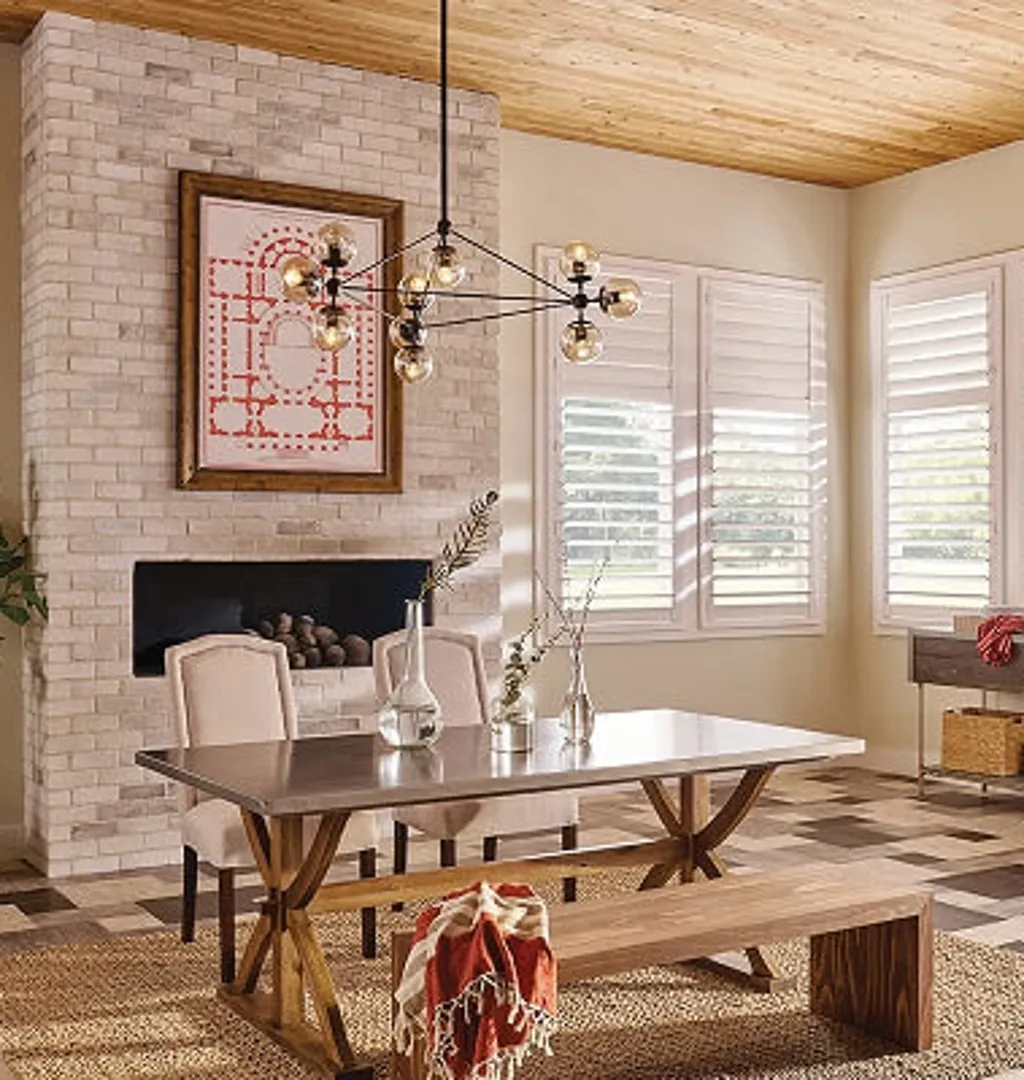
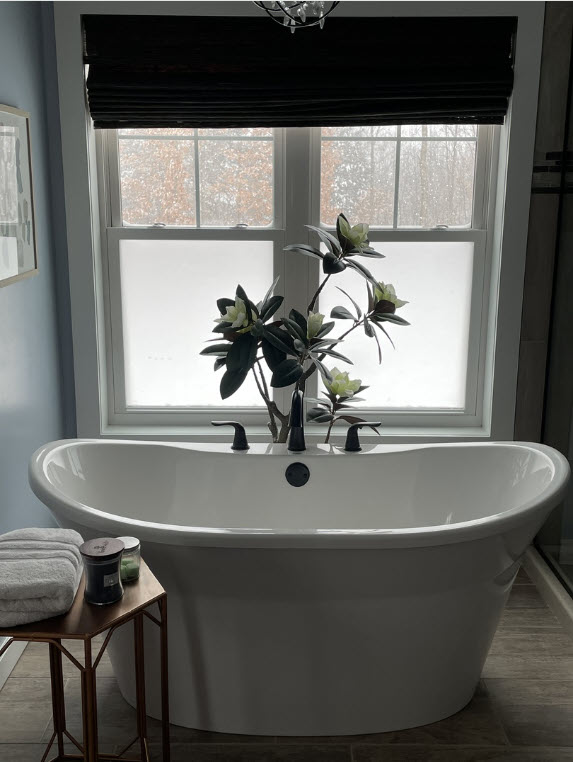
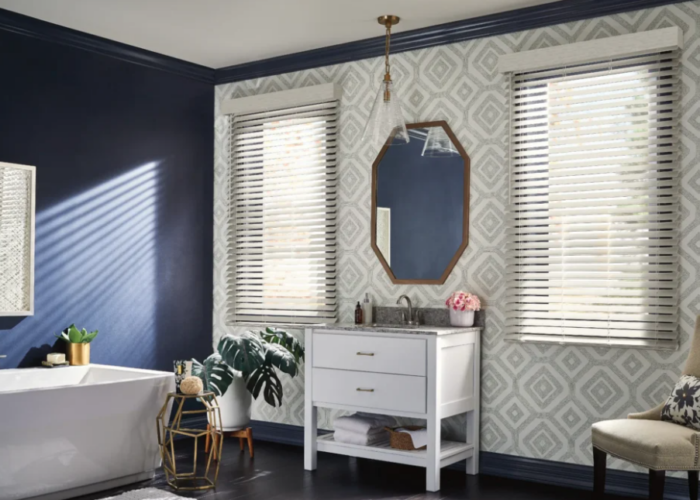
Large windows are one of the most attractive features of a home. They bring in natural light, make rooms feel more spacious, and can showcase beautiful views of the Wasatch Mountains and surrounding Salt Lake Valley.
But when it comes time to choose window coverings, those same windows can present some challenges.
A floor-to-ceiling living room window needs a different solution than a standard bedroom window. Sliding glass doors require coverings that allow easy access to the outdoors. And the tall windows commonly found in vaulted living rooms can be difficult to reach, clean, and operate.
Choosing the wrong window treatment can make a beautiful architectural feature feel awkward or inconvenient.
Fortunately, there are several attractive and practical options designed specifically for oversized windows, wide glass doors, and hard-to-reach spaces.
At Bumble Bee Blinds of Salt Lake Valley, we help homeowners throughout Salt Lake City, Sandy, Draper, South Jordan, and surrounding communities find custom window treatments that complement their homes without sacrificing functionality.
Here’s what to consider when choosing blinds, shades, or other window coverings for large windows and sliding glass doors.
What Are the Best Window Treatments for Large Windows?
The best window treatments for large windows generally include roller shades, cellular shades, vertical blinds, panel track shades, custom drapery, and certain motorized window coverings.
However, the right choice depends on more than the dimensions of the glass.
Before selecting a window treatment, consider how the window functions in your home.
Does it provide a mountain view you want to preserve? Does it face a neighboring property where privacy is important? Is it located in a room that becomes uncomfortably bright during the afternoon? Will you need to open and close the covering several times each day?
Each of these considerations can influence which window treatment will work best.
For example, a large picture window in a living room may benefit from motorized roller shades that disappear neatly when raised. A wide sliding glass door leading to a patio may be better suited to vertical blinds or panel track shades that move horizontally.
The key is selecting a product designed for the window’s dimensions, location, and daily use.
1. Roller Shades: A Clean, Modern Choice for Large Windows
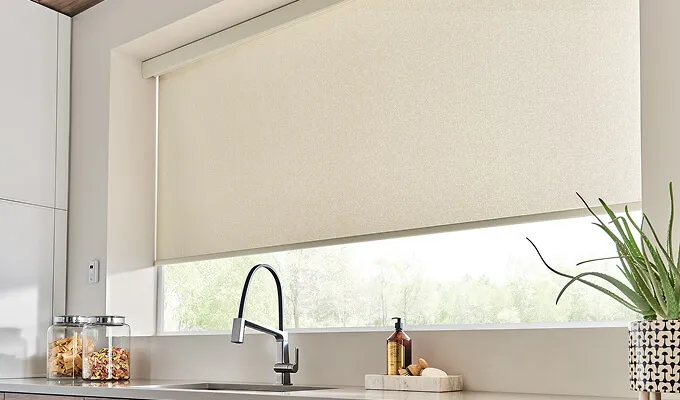
Roller shades are among the most versatile window treatments for oversized windows.
Their simple design features a continuous panel of fabric that rolls into a compact mechanism at the top of the window.
When lowered, the shade creates a smooth, uncluttered appearance. When raised, it allows you to enjoy the view without the visual distraction of multiple slats or folds.
Why Roller Shades Work Well for Large Windows
Roller shades are especially popular in contemporary homes because they complement expansive glass without competing with the architecture.
They are available in a variety of fabrics, colors, textures, and opacity levels.
Depending on your needs, you can choose light-filtering materials that soften incoming sunlight, room-darkening fabrics that provide additional privacy, or solar fabrics designed to reduce glare while maintaining some visibility outdoors.
Roller shades can also be motorized, making them practical for tall or hard-to-reach windows.
Where They Work Best
Consider roller shades for:
- Large living room picture windows
- Floor-to-ceiling windows
- Contemporary open-concept homes
- Home offices with expansive glass
- Windows overlooking mountain scenery
One important consideration is width. Every roller shade system has manufacturer-specific size limitations. Extremely wide windows may require multiple shades installed side by side.
When properly planned, these individual shades can create a coordinated appearance while allowing different sections of the window to operate independently.
2. Vertical Blinds: A Practical Solution for Sliding Glass Doors
Sliding glass doors present a unique challenge because they serve as both windows and entryways.
A window covering needs to provide privacy and light control without making it difficult to walk onto a patio, deck, or backyard.
That’s where vertical blinds can be particularly useful.
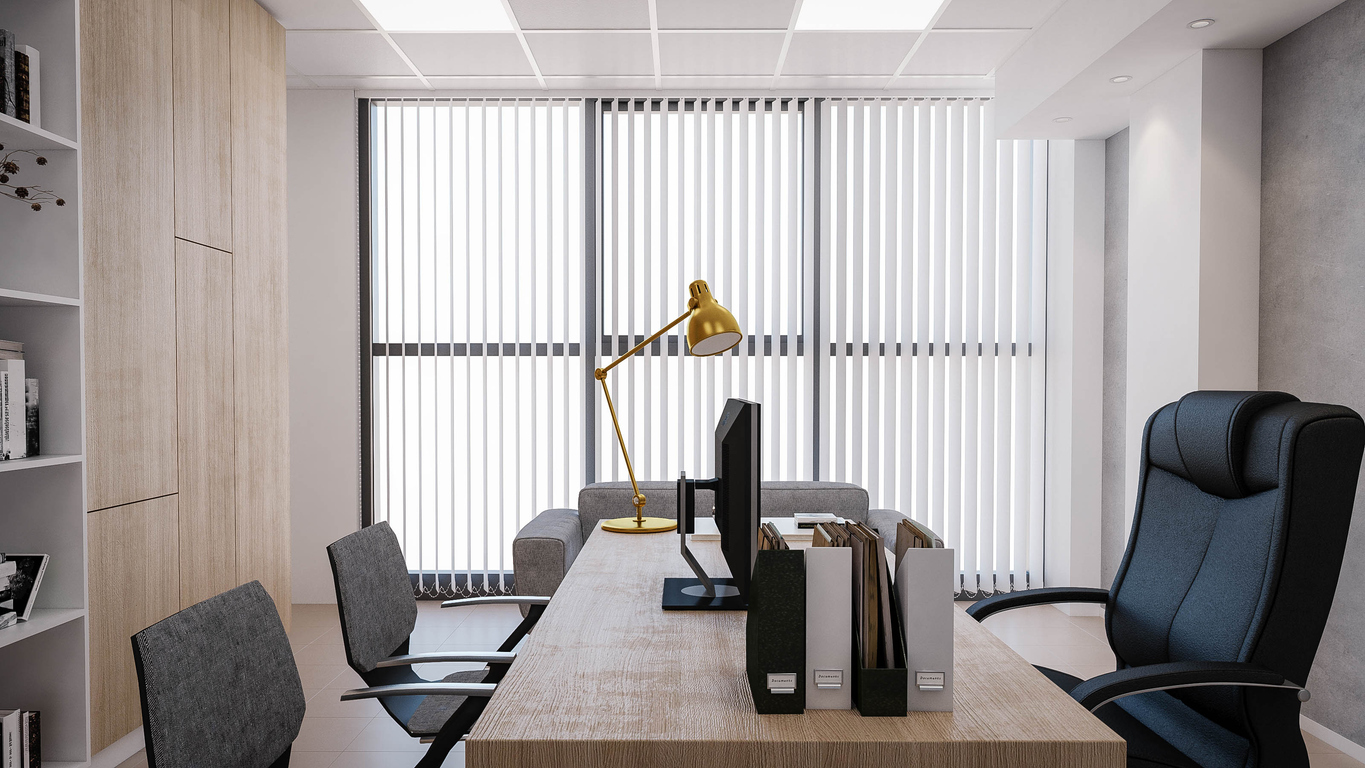
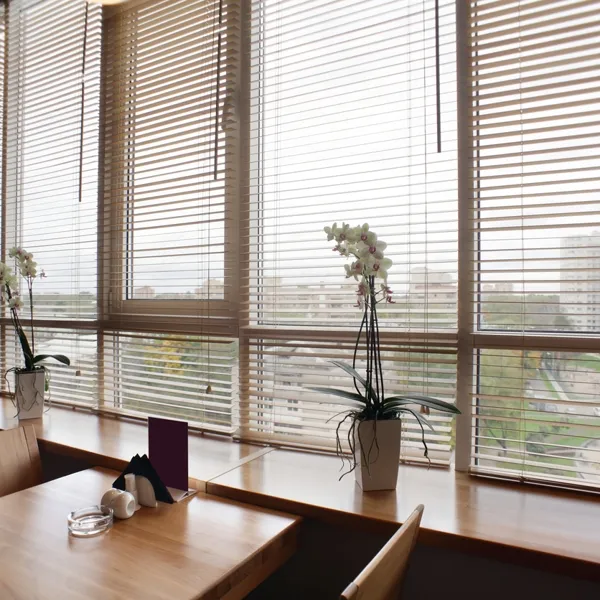
Unlike horizontal blinds that raise and lower, vertical blinds feature individual vanes that hang from a track and move from side to side.
This design makes them naturally suited to wide glass doors.
Benefits of Vertical Blinds for Sliding Doors
Vertical blinds allow homeowners to adjust the angle of the vanes to control sunlight and privacy.
They can also be drawn to one side, making it easier to access the door without raising the entire window covering.
For Salt Lake Valley homes with sliding doors leading to outdoor living spaces, this can be a convenient everyday feature.
Modern vertical blinds are also available in a broader selection of materials and finishes than many homeowners expect.
Depending on the product, options may include textured materials, neutral colors, and designs that coordinate with contemporary interiors.
Are Vertical Blinds Outdated?
Not necessarily.
While some homeowners associate vertical blinds with older homes or office buildings, modern designs can provide a much more refined appearance.
The key is selecting the right material, vane width, color, and track system.
For homeowners who want an alternative to traditional vertical blinds, panel track shades and certain custom drapery systems are also worth considering.
3. Cellular Shades: A Smart Option for Large Bedroom Windows
Large bedroom windows can make a space feel bright and open, but they can also create concerns about privacy, temperature, and early morning sunlight.
Cellular shades offer a practical solution.
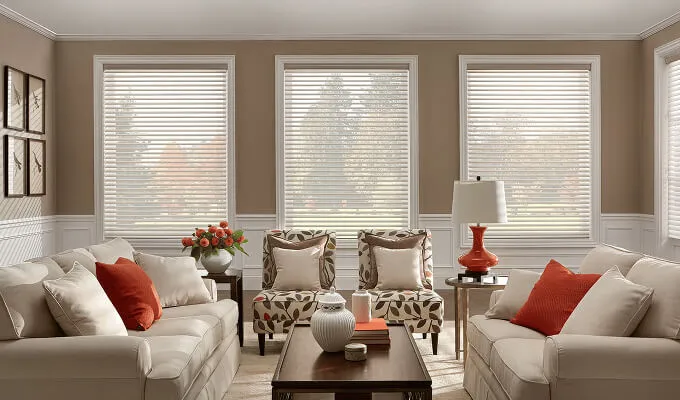
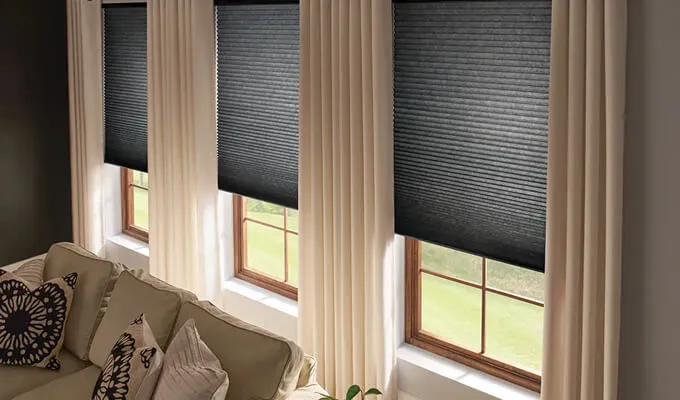
Also known as honeycomb shades, cellular shades feature a distinctive structure that creates pockets of air within the material.
These pockets can help reduce heat transfer through the window, making cellular shades an attractive option for homeowners concerned about indoor comfort.
Why Cellular Shades Work Well in Salt Lake Valley
Salt Lake Valley experiences significant seasonal temperature changes, from hot summer afternoons to freezing winter nights.
Windows can contribute to unwanted heat gain and heat loss, particularly when they occupy a large portion of a room’s exterior wall.
Cellular shades can provide an additional insulating layer at the window.
The amount of insulation depends on factors such as cell construction, material, fit, and installation.
For large bedroom windows, cellular shades can also provide excellent privacy and light control.
Room-darkening options are particularly useful for bedrooms where early morning sunlight can interfere with sleep.
Consider Top-Down/Bottom-Up Designs
Certain cellular shades offer top-down/bottom-up operation, allowing you to lower the shade from the top or raise it from the bottom.
This can be helpful for bedrooms with large windows facing neighboring homes.
You can maintain privacy across the lower portion of the window while allowing daylight to enter through the upper section.
Availability depends on the specific product and operating system.
4. Motorized Window Treatments: Ideal for Tall and Hard-to-Reach Windows
Many homes in Sandy, Draper, South Jordan, and other Salt Lake Valley communities feature two-story entryways, vaulted ceilings, and oversized living room windows.
These architectural features can be beautiful, but manually adjusting window coverings located 12 or 15 feet above the floor isn’t always practical.
Motorized window treatments eliminate much of that inconvenience.
Instead of using a cord or wand, compatible motorized blinds and shades can be operated using a remote control, smartphone app, or smart home system.
Benefits of Motorization for Large Windows
Motorization can make everyday light control significantly easier, especially when multiple windows are involved.
Depending on the selected system, homeowners may be able to:
- Raise or lower several shades simultaneously
- Adjust window coverings without reaching over furniture
- Create schedules for opening and closing blinds
- Manage privacy from a smartphone
- Integrate compatible products with smart home technology
Motorization can also help create a more consistent appearance in rooms with several large windows.
Rather than adjusting each covering individually, compatible products can operate together.
Is Motorization Necessary?
Not every large window needs motorization.
For windows that are easy to reach and rarely adjusted, a manual operating system may be perfectly adequate.
However, for windows above stairways, behind furniture, or near vaulted ceilings, motorized operation can make a substantial difference in convenience.
Homeowners interested in automation can learn more about our custom motorized blinds and motorized window treatment options.
5. Custom Drapery: Softening the Appearance of Oversized Windows
Large windows often feature straight architectural lines and expansive areas of glass.
While that can create a modern appearance, some homeowners prefer to introduce softer textures into the room.
Custom drapery can accomplish that while providing privacy and light control.
Floor-length curtains can make tall windows feel even more dramatic, particularly when installed near the ceiling.
Depending on the fabric, lining, and design, drapery can also help soften incoming light and create a more comfortable atmosphere.
Combining Drapery with Shades
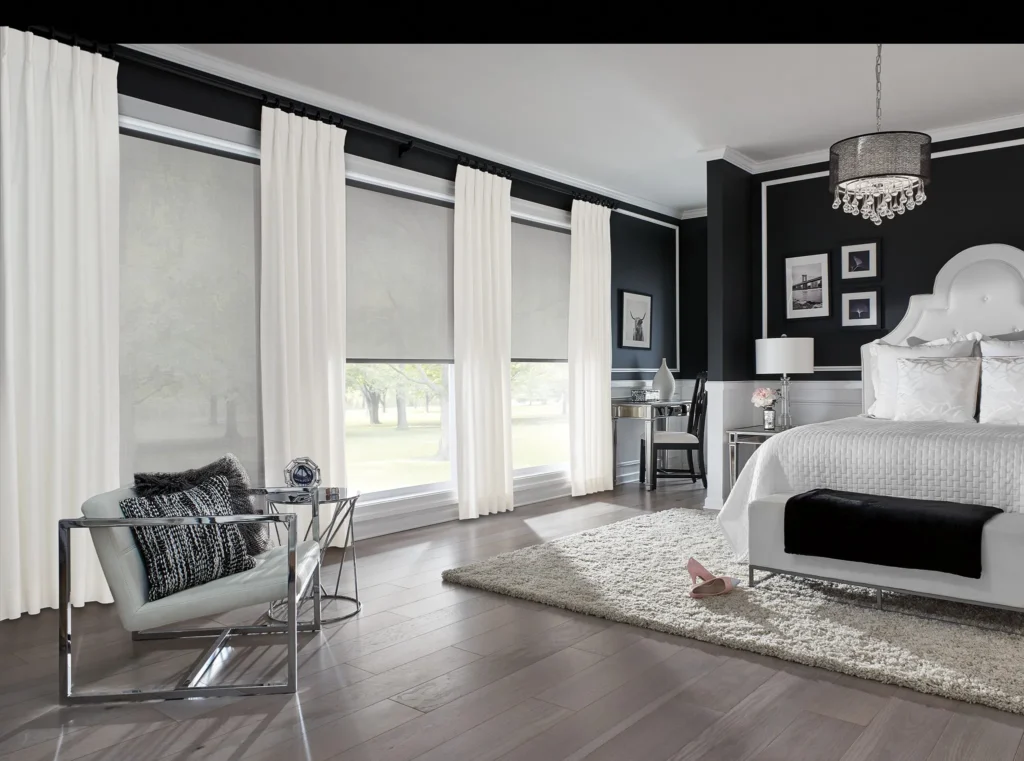
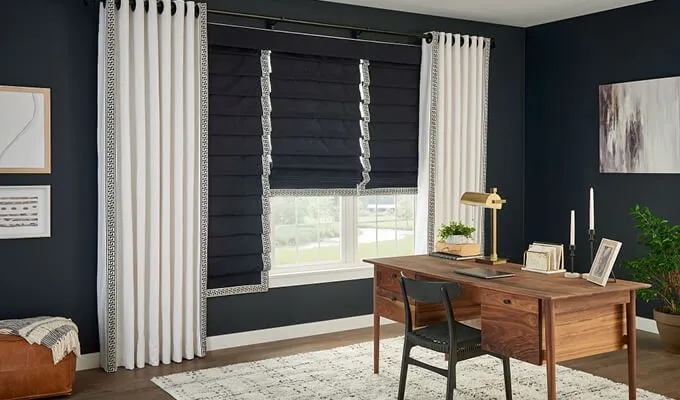
One popular design approach is to layer custom drapery over roller shades or cellular shades.
The shades provide everyday light control and privacy, while the drapery adds texture and visual interest.
For example, a large living room window might feature light-filtering roller shades paired with decorative curtain panels.
During the day, the shades can manage sunlight without fully blocking the view. In the evening, the drapery can add warmth and softness to the space.
Layered window treatments can work particularly well in formal living rooms, primary bedrooms, and dining areas.
6. Panel Track Shades: An Alternative for Wide Glass Doors
Panel track shades are another option worth considering for sliding glass doors and exceptionally wide windows.
Instead of narrow vertical vanes, panel track systems use broad fabric panels that slide along a track.
When opened, the panels stack to one side or in another configuration supported by the system.
This creates a streamlined appearance that can complement contemporary interiors.
When to Choose Panel Track Shades
Panel track shades may be a good fit when you want a window covering that moves horizontally but prefer the appearance of fabric panels over traditional vertical blinds.
They can be particularly attractive for:
- Wide sliding patio doors
- Large glass openings
- Contemporary living spaces
- Room dividers
- Windows where horizontal movement is preferred
Keep in mind that panel track systems require space for the panels to stack when opened.
The track configuration and available mounting space should be considered before installation.
How to Choose Window Treatments for Sliding Glass Doors
The best window treatments for sliding glass doors should balance three priorities: easy access, light control, and privacy.
Unlike a stationary picture window, a sliding glass door is frequently opened and closed.
That means the window covering should accommodate normal movement through the doorway.
Here is a quick comparison of popular options.
| Window Treatment | Best Feature | Important Consideration |
|---|---|---|
| Vertical blinds | Easy side-to-side operation | Vane material and appearance |
| Panel track shades | Modern fabric-panel design | Space needed for panel stacking |
| Custom drapery | Soft, decorative appearance | Fabric clearance around the doorway |
| Roller shades | Minimalist appearance | May need to be raised for door access |
| Motorized shades | Convenient automated operation | Motor and control compatibility |
For sliding doors used frequently by children, pets, or guests, ease of operation should be a major consideration.
A covering that looks beautiful but constantly obstructs the doorway may become frustrating over time.
What About Large Windows with Mountain Views?
One of the advantages of living in Salt Lake Valley is the opportunity to enjoy views of the Wasatch Mountains, foothills, and surrounding landscape.
For homes with scenic windows, the goal is often to preserve the view while controlling glare and maintaining privacy.
This can create a difficult balance.
Completely closing opaque blinds blocks the view. Leaving windows uncovered may allow excessive brightness or reduce privacy.
Solar Shades Can Help Preserve the View
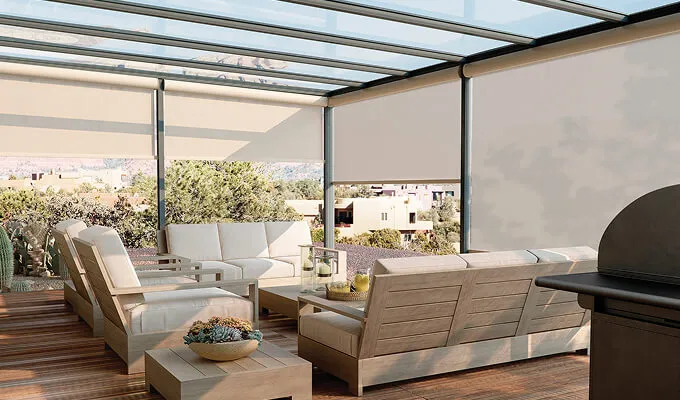
Solar roller shades use specialized fabrics that filter sunlight while allowing varying degrees of visibility through the material.
They are often available in different openness factors, which describe the proportion of open space in the fabric.
A lower openness factor generally provides greater light control and reduced visibility, while a higher openness factor allows more visibility through the shade.
However, performance depends on the fabric, lighting conditions, and installation.
Solar shades are particularly useful for homeowners who want to reduce glare without completely obscuring outdoor scenery.
Understand Daytime vs. Nighttime Privacy
An important detail homeowners sometimes overlook is that solar shades do not necessarily provide nighttime privacy.
During the day, when outdoor light is brighter than indoor light, some solar fabrics can limit visibility into the home.
At night, when interior lights are on, visibility may reverse.
If nighttime privacy is important, consider pairing solar shades with another window covering or choosing a different fabric.
Should You Cover Large Windows with One Shade or Multiple Shades?
This is one of the most common design decisions for oversized windows.
A single large shade can provide a clean, continuous appearance.
However, not every product is available in dimensions large enough to cover an entire window opening.
Using multiple shades can provide greater flexibility.
For example, a wide living room window divided into three sections might be fitted with three individual roller shades.
This allows you to adjust one section while leaving the others open.
Multiple shades can also be helpful when different sections of a window receive different amounts of sunlight.
The tradeoff is that small gaps may exist between adjacent shades, and the overall appearance may differ from a single continuous covering.
A professional measurement and design consultation can help determine which configuration makes the most sense.
Inside Mount vs. Outside Mount for Large Windows
The mounting method can affect both the appearance and functionality of a window treatment.
Inside Mount
Inside-mounted blinds and shades fit within the window frame.
This creates a streamlined appearance that highlights the window’s trim and architectural details.
However, inside mounting requires sufficient depth and space for the selected hardware.
Large windows with shallow frames may not accommodate every product.
Outside Mount
Outside-mounted window treatments attach above or around the window opening.
This can be useful when the frame lacks sufficient mounting depth or when additional coverage is desired.
Outside mounting may also help reduce light gaps around certain window treatments, although the result depends on the product and installation.
For tall windows, mounting treatments higher than the frame can sometimes create the appearance of greater ceiling height.
Common Mistakes to Avoid When Covering Large Windows
Large windows require careful planning, and several common mistakes can affect the finished result.
Choosing a Product Without Checking Size Limits
Not every blind or shade can be manufactured in oversized dimensions.
A product that works beautifully on a standard bedroom window may not be appropriate for a wide living room opening.
Always confirm the manufacturer’s maximum dimensions and weight requirements.
Overlooking How the Window Opens
A window treatment should accommodate the movement of the window or door.
Sliding doors, casement windows, and inward-opening windows may require different mounting or operating configurations.
Ignoring Furniture Placement
Large windows are often located behind sofas, dining tables, or other furniture.
Before choosing manual controls, consider whether the window treatment will be easy to reach.
Selecting the Wrong Fabric Opacity
A light-filtering shade may look attractive during the day but provide less privacy than expected at night.
Similarly, a room-darkening fabric may block more of the view than desired.
Think about how the room is used at different times of day.
Forgetting About Maintenance
Tall windows can be difficult to access for cleaning or maintenance.
Consider how the selected material will be cleaned and whether batteries, charging ports, or other components will be accessible.
Measuring Without Accounting for Hardware
Large window treatments may require additional mounting clearance, stronger hardware, or specialized operating systems.
Professional measurements can help prevent fit and installation problems.
Choosing Window Treatments for Different Rooms
Not every large window in your home needs the same covering.
In fact, selecting different products based on how each room functions can create a more comfortable and practical home.
Living Rooms: Roller shades, solar shades, and layered drapery can work well when maintaining natural light and outdoor views is a priority.
Bedrooms: Cellular shades, room-darkening roller shades, and custom drapery can provide greater privacy and light control.
Home Offices: Solar shades and adjustable blinds can help manage glare on computer screens while maintaining natural light.
Dining Rooms: Custom drapery, Roman shades, and other decorative treatments can add warmth and visual interest to large windows.
Sliding Patio Doors: Vertical blinds and panel track shades are practical choices when easy horizontal movement is important.
Two-Story Great Rooms: Motorized blinds and shades can simplify operation when windows are difficult to reach.
Frequently Asked Questions About Large Window Treatments
What is the best type of blind for a large living room window?
The best option depends on the size of the window and how much light control you need. Roller shades provide a clean appearance, while vertical blinds can accommodate certain wide openings. Motorized shades are especially convenient for tall or difficult-to-reach living room windows.
What window treatments are best for sliding glass patio doors?
Vertical blinds, panel track shades, and custom drapery are popular options because they can move horizontally and provide access to the doorway. The best choice depends on the door’s dimensions, how frequently it is used, and your preferred design style.
Can you put roller shades on very wide windows?
Yes, roller shades are available for many wide windows, although maximum dimensions vary by manufacturer and fabric. Extremely wide openings may require multiple shades installed side by side.
What is the best way to cover two-story windows?
Motorized blinds or shades are often an excellent solution for two-story windows because they can be operated without manually reaching the window covering. Product selection depends on the window dimensions, mounting conditions, and desired light control.
Are cellular shades good for large windows?
Cellular shades can be a good option for large windows, particularly in bedrooms and other spaces where privacy and insulation are priorities. Their honeycomb construction helps reduce heat transfer, although maximum sizes vary by product.
What window coverings are best for preserving mountain views?
Solar roller shades are often a good choice because certain fabrics reduce glare while allowing visibility outdoors. The level of visibility depends on the fabric’s openness factor and lighting conditions.
Can large window treatments be motorized?
Many large window treatments can be motorized, including certain roller shades, cellular shades, blinds, and drapery systems. However, motor capacity and product dimensions must be considered to ensure compatibility.
Are custom window treatments better for oversized windows?
Custom window treatments are often beneficial for oversized windows because they can be manufactured to fit specific dimensions and configurations. Professional measurements also help account for mounting depth, hardware requirements, and operating clearance.
How do I measure a large window for blinds or shades?
Accurate measurements depend on whether the treatment will be mounted inside or outside the window frame. Large windows may require measurements at multiple points to account for variations in the opening. Professional measuring is recommended, particularly for oversized or unusually shaped windows.
Where can I find custom window treatments for large windows in Salt Lake Valley?
Bumble Bee Blinds of Salt Lake Valley offers custom blinds, shades, drapery, and motorized window treatment options for large windows and sliding glass doors. Our team provides in-home design consultations and professional installation throughout Salt Lake City and surrounding communities.
Find the Right Window Treatments for Your Salt Lake Valley Home
Large windows should be an asset to your home, not a source of frustration.
Whether you’re trying to preserve a mountain view, cover a sliding glass door, improve bedroom privacy, or make tall windows easier to operate, the right window treatments can make a significant difference.
At Bumble Bee Blinds of Salt Lake Valley, we help homeowners find custom solutions that balance appearance, functionality, and everyday convenience.
Our team brings product samples directly to your home, helps you compare materials and operating systems, and provides professional measurements and installation.
We proudly serve homeowners throughout Salt Lake City, Sandy, Draper, South Jordan, West Jordan, Herriman, Riverton, Midvale, West Valley City, Park City, and surrounding Salt Lake Valley communities.
Ready to upgrade your large windows or sliding glass doors?
Call (385) 483-3251 or contact Bumble Bee Blinds of Salt Lake Valley to schedule your free in-home design consultation.
Let us help you make the most of your windows—and the views beyond them.