Choosing between cellular shades vs blinds usually starts with one question: which one will make the house feel better to live in? Both control light and both give privacy. They part ways at the glass, where one holds a layer of air against the window and the other leaves small gaps between slats. That difference shapes how warm a room stays in winter and how cool it stays when the afternoon sun hits.
This post compares the two on comfort first, then on light, durability, style and room fit. Bumble Bee Blinds of Gold Country offers both, so you can weigh each one on its merits for your own windows.
What Are Cellular Shades, and How Are Blinds Different?
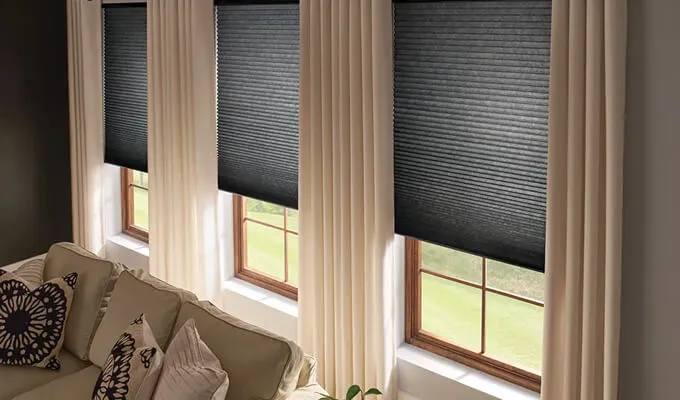
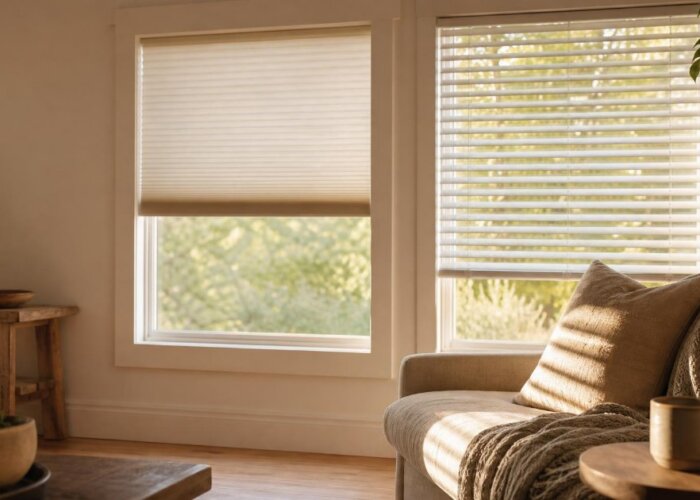
Cellular shades are window shades made of pleated fabric folded into honeycomb-shaped cells. The cells trap air inside them and between the shade and the window. The whole shade raises and lowers as one piece. You may see them sold as honeycomb shades or cellular blinds, and all three names describe the same product. If you have ever wondered what are cellular shades, think of a soft fabric panel with a built-in layer of air.
Cellular shades come in single cell and double cell versions. A single cell shade has one row of cells from the front of the shade to the back. A double cell shade stacks two rows, which adds a second pocket of trapped air and a slightly thicker profile. Double cell suits windows where insulation matters most, and single cell suits spots where a slimmer shade fits better.
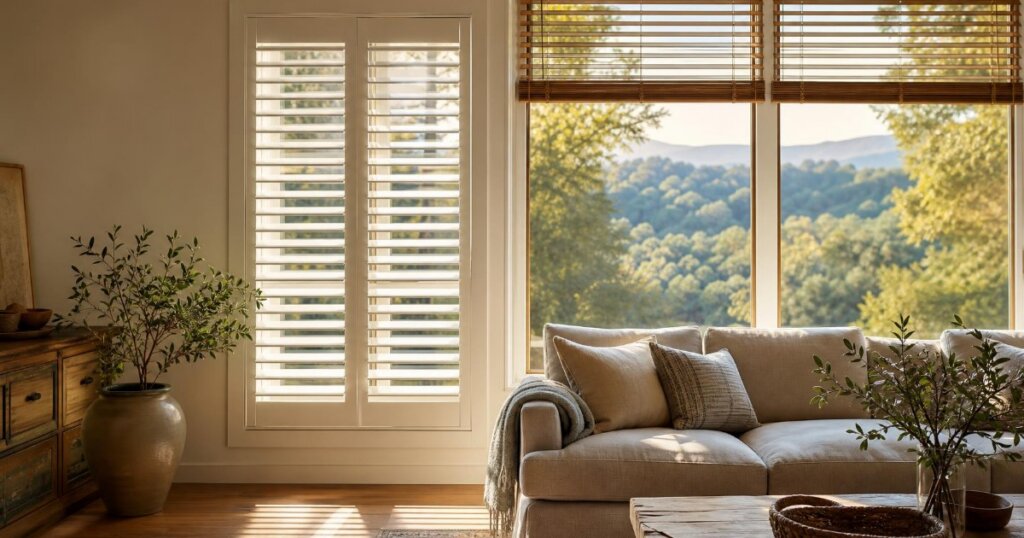
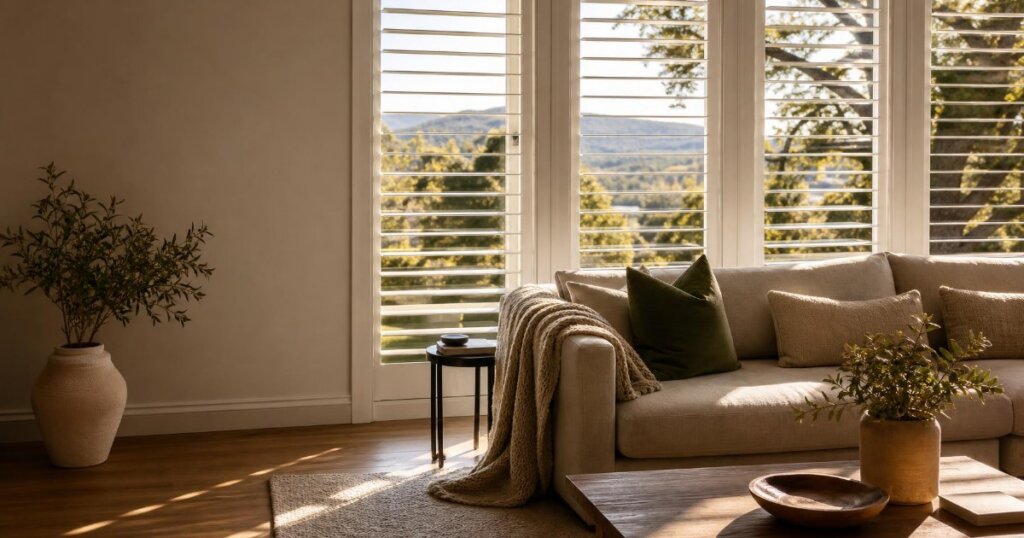
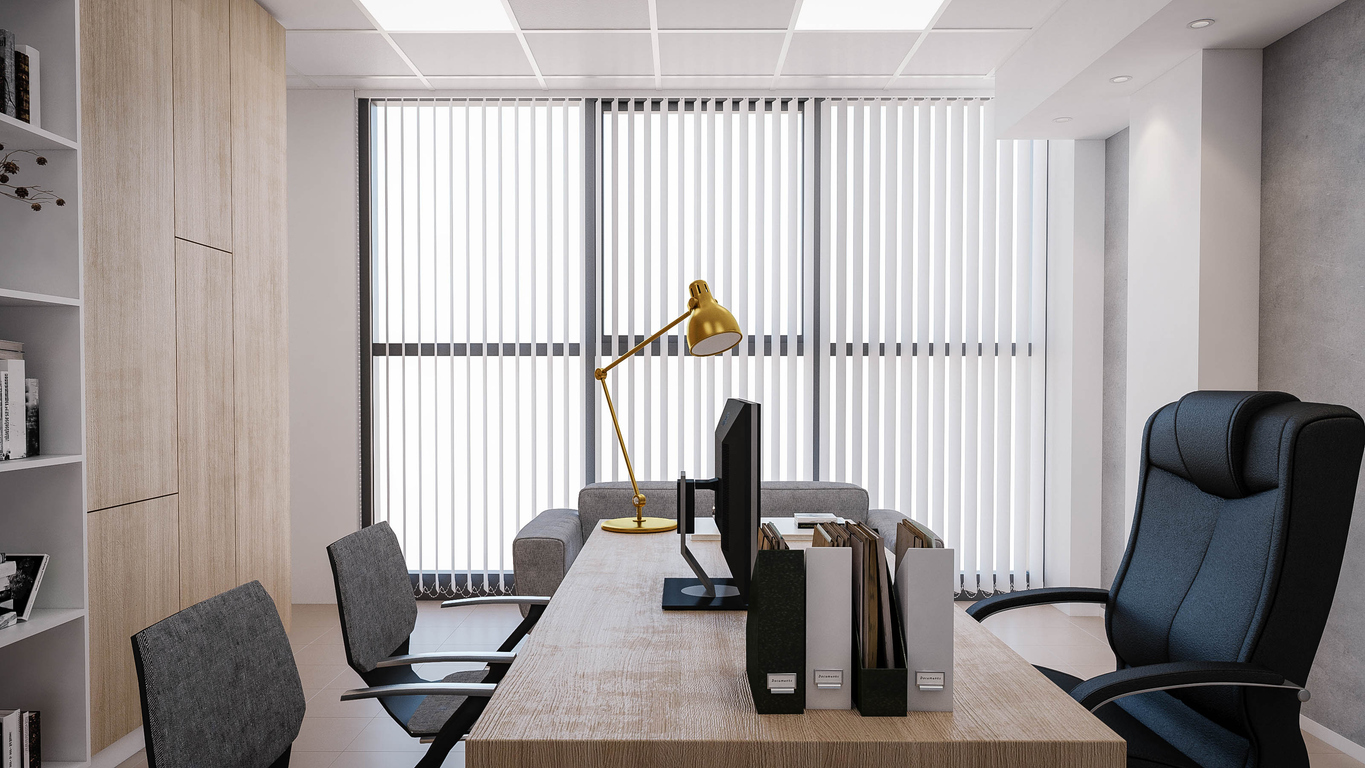
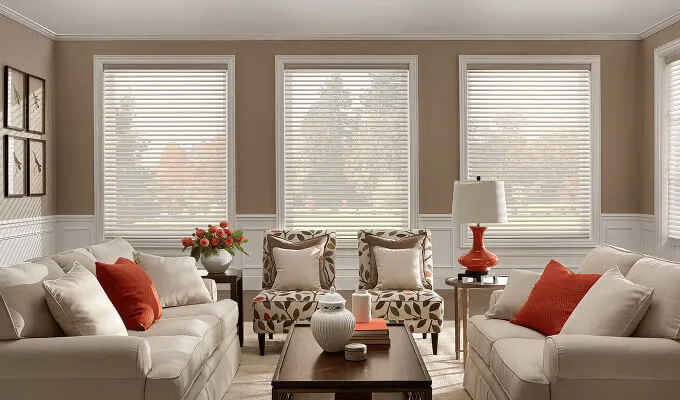
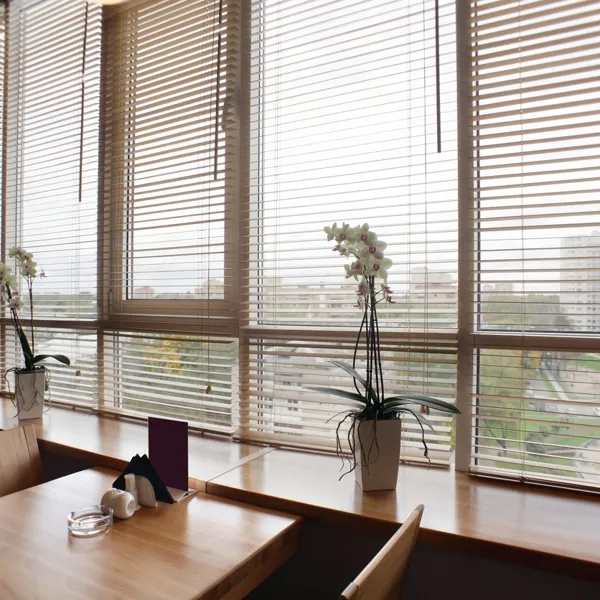
Blinds are built from rigid horizontal slats made of wood, faux wood or vinyl. A wand or cord tilts the slats open and closed to aim daylight where you want it, and the whole set lifts when you want a clear view. Bumble Bee Blinds of Gold Country offers custom wood, faux wood and vinyl blinds, along with vertical blinds for larger openings.
The core difference is construction. Cellular shades are soft fabric with air held in the cells. Blinds are hard slats with gaps between them.
Cellular Shades vs. Blinds at a Glance
Here is a side-by-side look at how blinds vs cellular shades compare on the points that shape daily comfort. The blinds column describes faux wood blinds, the most common choice in Gold Country homes.
| Cellular Shades | Blinds (Faux Wood) | |
|---|---|---|
| Material | Pleated polyester or fabric blends folded into cells | Rigid PVC or composite slats |
| Insulation | Air trapped in the cells slows heat moving through the glass | Slats block some sun, with gaps that let air pass |
| Light control | Set by fabric opacity, from light filtering to blackout | Tilting slats aim daylight and cut glare |
| Privacy | Solid fabric face with no gaps | Closed slats give privacy, tilted slats give partial privacy |
| Blackout ability | Blackout fabrics block nearly all light | Closed slats leave thin light lines at the edges and cord holes |
| Moisture tolerance | Fabric can be damaged by regular moisture | Resists humidity and warping |
| Cleaning | Dust or vacuum on a low setting | Wipe slats with a damp cloth |
| Look | Soft, clean and minimal | Structured, classic lines |
| Best rooms | Bedrooms, nurseries, living rooms, home offices | Kitchens, bathrooms, laundry rooms, dining rooms |
Year-Round Comfort: Insulation and Energy Efficiency
Windows are the weak point in a comfortable room. Heat gain and loss through windows accounts for 25% to 30% of residential heating and cooling energy use. Glass lets warmth leave on a cold evening and lets the sun in on a hot afternoon, so the covering you choose has a lot of work to do.
Cellular shades handle both seasons. In winter, the air trapped in the cells slows heat moving out through the glass, which keeps warmth in the room. In summer, the same cells limit solar heat coming in. Blinds block some sun, yet the DOE notes that they provide little insulation. Air moves through the gaps between slats and through the cord holes, so the window stays closer to the temperature outside.
Government testing backs this up. In matched side-by-side test homes with every covering closed, cellular shades cut HVAC energy use by 10.5% in the heating season and 16.6% in the cooling season compared with standard white vinyl blinds. Oak Ridge National Laboratory measured up to 20% savings on heating energy with cellular shades compared with no shades at all.
Several things affect real-world results. Double cell shades add a second layer of trapped air. An inside mount keeps the shade close to the glass with small gaps at the sides. Closing shades during the coldest nights and the hottest afternoons puts the insulation to work when the house needs it most. The same PNNL testing found that an optimized open and close schedule brought heating-season reductions to 16.6%.
To compare products, look for the AERC Energy Improvement label. Its Cool Climate and Warm Climate ratings show heating-season and air-conditioning-season savings, and any rating above 0.00 saves energy compared with no window attachment. Each product category has its own maximum, so compare ratings within the same category.
Bumble Bee Blinds of Gold Country recommends cellular shades for energy efficiency and also offers cellular blinds for added insulation.
Light Control and Privacy
Blinds give the most hands-on control of daylight. Tilting the slats upward sends light toward the ceiling, and tilting them down cuts glare on a screen or a sofa, all without raising the blind. Closed slats still let thin lines of light through between slats and at the route holes where the cords pass.
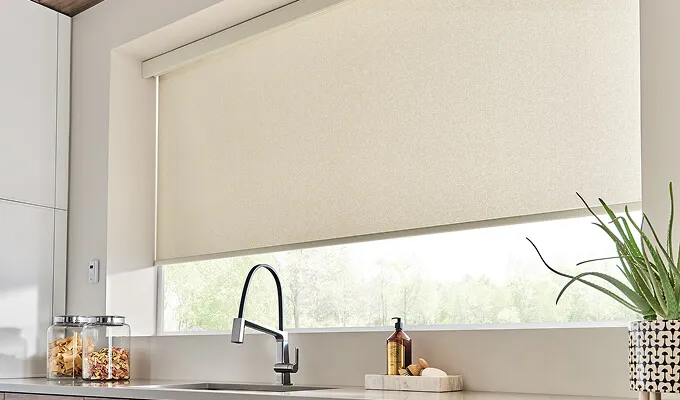
Cellular shades control light through fabric opacity. Light-filtering shades let soft, natural light into the room while keeping privacy. Blackout shades block light, which makes them a fit for bedrooms and media rooms where full darkness helps. The honeycomb structure also diffuses incoming light, so a light-filtering shade gives a gentle glow without hard stripes across the floor.
Other designs add flexibility. Day and night shades pair two fabrics in one shade, and top-down bottom-up shades lower from the top so daylight enters above while the lower part of the window stays covered. Both are common options on the market, and a design consultant can show you what fits your windows.
Privacy follows the same pattern. A cellular shade presents a solid fabric face the moment it is lowered. Blinds offer privacy at the angle you set, with the option to open the slats for a view when the sun is low.
Faux Wood Blinds vs. Cellular Shades: Moisture, Durability and Cleaning
Moisture settles the faux wood blinds vs cellular shades question in some rooms. Faux wood blinds resist warping, fading and cracking in humid spaces, and a damp cloth wipes them clean. That makes them a natural choice for kitchens, bathrooms and laundry rooms, where steam and splashes are part of the day.
Cellular shade fabric can be damaged by regular moisture, so a shower-side window is a poor match. In drier rooms the fabric holds up well, and care stays simple. Bumble Bee Blinds recommends dusting and vacuuming cellular shades monthly and spot cleaning with mild soap, as laid out in its cleaning guide for blinds, shades and drapes.
Dust behaves differently on each. On blinds, dust settles on the face of every slat, and you wipe or brush it away slat by slat. On cellular shades, dust collects along the pleats and inside the cell openings at the top and bottom edges, so a vacuum on a low setting does the job.
Weight matters over the years. Large wood blinds are heavy, and lifting them many times a week wears on the cords and the headrail. Cellular shades are lightweight, so they put less strain on the lift system each time you raise them. Faux wood is lighter than real wood, and a custom measure helps keep wide windows manageable.
Style, Stack and Everyday Operation
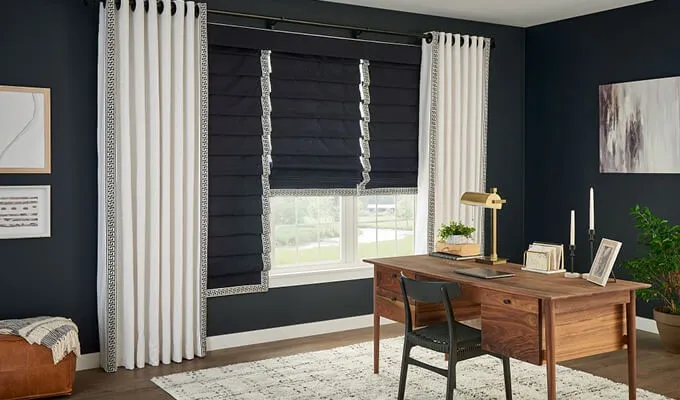
Blinds have structured, classic lines. The horizontal slats add rhythm to a wall of windows and suit traditional, farmhouse and transitional rooms. Cellular shades have a soft, minimal look. The pleated fabric sits quietly in the frame and comes in a range of colors and textures that blend with the walls.
Stack is the amount of window the covering takes up when fully raised. Blinds gather into a block of slats at the top, and the block grows with the height of the window. Cellular shades fold into a compact stack, which keeps more of the view clear on tall windows.
Operation depends on weight and control type. Heavy blinds take more effort to lift, and lightweight shades glide up with a light touch. Bumble Bee Blinds of Gold Country offers manual cordless control and motorized window coverings for both blinds and shades, which suits tall windows, skylights and hard-to-reach spots.
Child and pet safety deserves its own look. On average, about nine children under 5 die every year from strangling in window coverings with cords. The CPSC says cordless window coverings are the only option that eliminates the cord strangulation hazard. Bumble Bee Blinds' cordless and motorized coverings remove cords from the product, which keeps children and pets safe.
Which Works Best in Each Room
Bedrooms and nurseries reward darkening and insulation. A blackout cellular shade gives a calm, dark room for sleep or naps and keeps the temperature steadier through the night. Bumble Bee Blinds lists shades as a fit for bedrooms, nurseries and kids' rooms, and blinds as a fit for bedrooms too.
Living rooms and home offices call for comfort and glare control. Cellular shades in a light-filtering fabric keep the room bright and cozy. Blinds let you tilt the slats to cut screen glare without losing the view. Both appear on Bumble Bee Blinds' lists for home offices.
Kitchens, bathrooms and laundry rooms lean toward blinds. Faux wood slats shrug off humidity and wipe clean after splashes. Bumble Bee Blinds names blinds as best for kitchens, bathrooms, dining rooms and laundry rooms, and it also lists shades for kitchens where the window sits away from the sink.
Rooms with strong afternoon sun benefit from cellular shades, since the trapped air limits solar heat coming through the glass. Pairing a double cell shade with an inside mount gives the most protection for west-facing windows in a Gold Country, CA summer.
Many homes end up with both. Cellular shades in the bedrooms and living areas, and faux wood blinds in the kitchen, bathrooms and laundry room, give each room the covering that suits its conditions. The full range sits on the Gold Country window treatments page.
Get Help Choosing for Your Gold Country Home
The easiest way to settle the choice is to see both in your own windows. Bumble Bee Blinds of Gold Country offers a free in-home design consultation. A design consultant brings swatches and sample books to your home, measures your windows and recommends options that fit your budget. Every purchase comes with professional installation, and the visualizer tool lets you preview how a treatment will look before you buy.
Ready to start? Schedule Design Consultation to meet with your local team, or reach out through the Contact Us page with questions first. If you would like a price range before you book, the free online estimator shows one in about a minute.