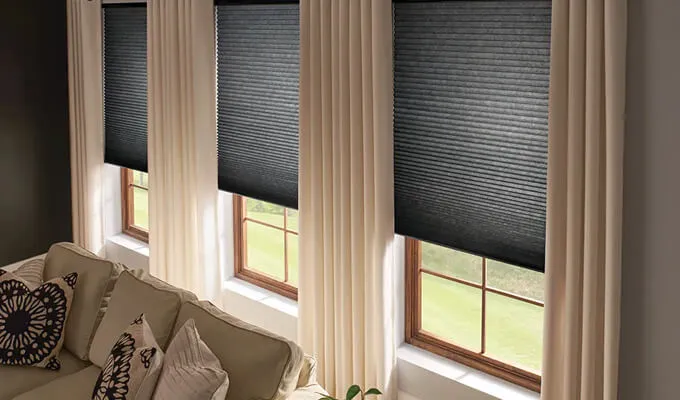
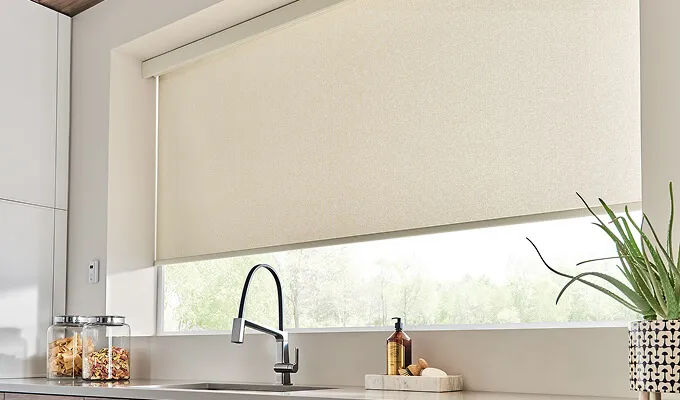
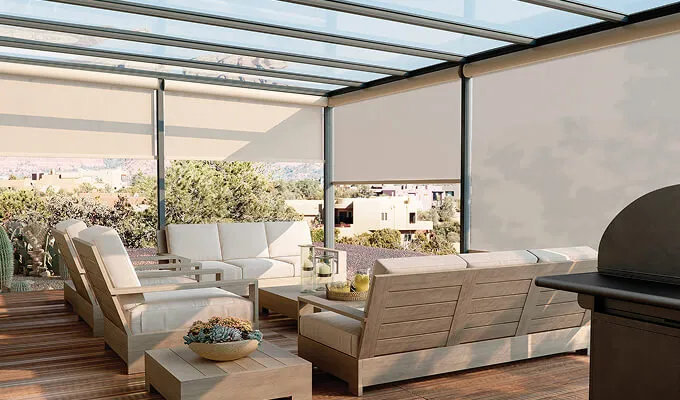
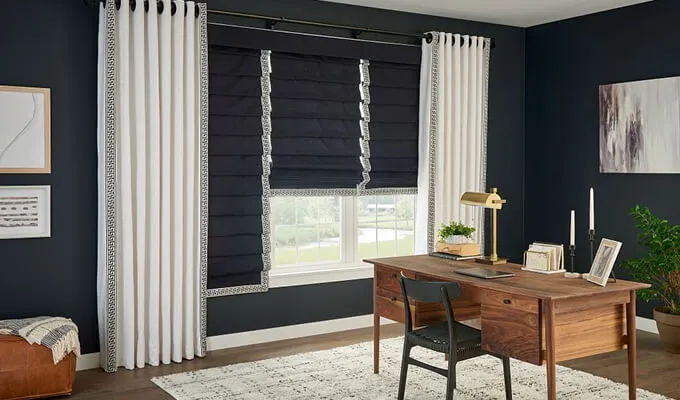
In 2026, Boulder interior design is moving toward "soft luxury," combining high-performance fabrics with organic textures that reflect our local landscape. Homeowners are moving away from stark minimalism and embracing custom drapery that adds warmth, height, and a sense of architectural structure to their living spaces.
In this guide, you will learn:
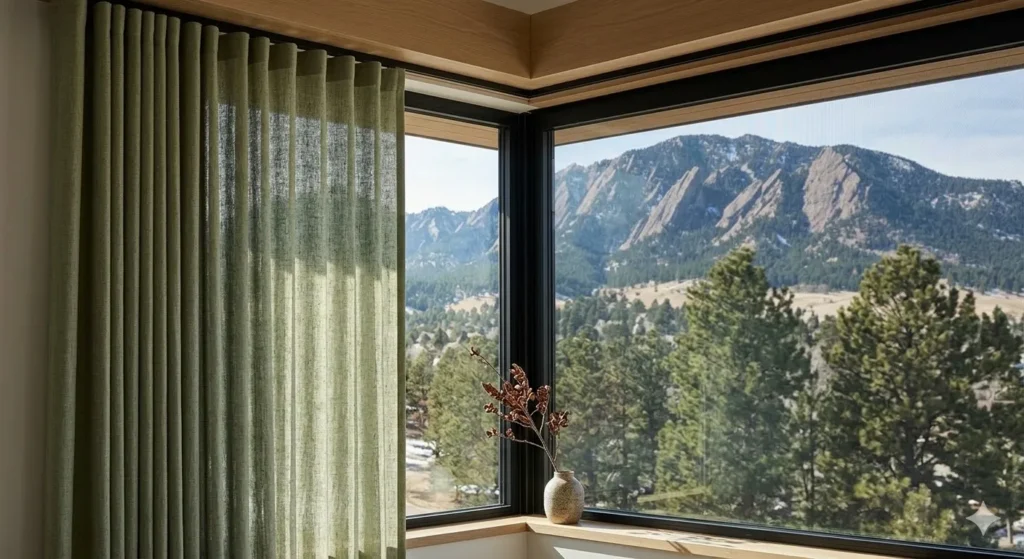
- Why earth-toned neutrals like clay, mossy green, and smoky charcoal are dominating the 2026 Boulder color palette.
- How "soft architecture" styles like ripplefold drapery provide clean waves for modern floor-to-ceiling windows.
- The importance of choosing high-altitude fabrics like linen blends and organic cotton for Colorado homes.
- How patterned drapery is making a bold comeback as a focal-point design tool.
- What to look for when choosing a local workroom or installer for custom window treatments.
Embracing Earth Tones and Organic Textures
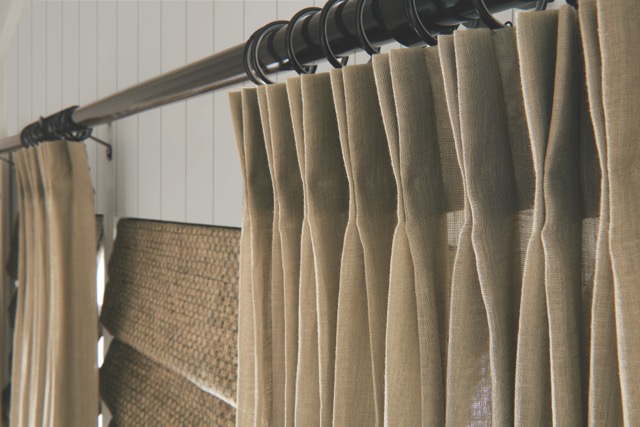
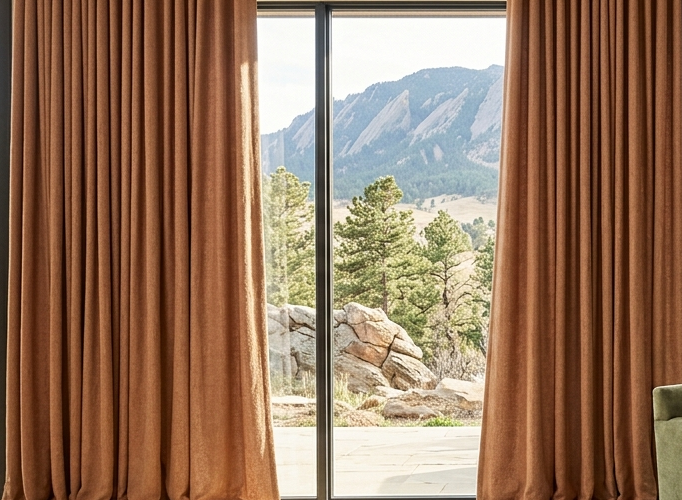
The current trend in Boulder is a direct reflection of the Flatirons and the surrounding natural beauty. We are seeing a major shift toward warm, tactile fabrics. Instead of the cold grays of the past decade, 2026 is all about desert rose, muted olive, and stone gray.
Texture is just as important as color. "Nubby" weaves, heavy linens, and organic cotton blends are popular because they soften the hard angles often found in modern Boulder architecture. These fabrics feel grounded and calm, creating a sanctuary-like atmosphere that local homeowners crave.
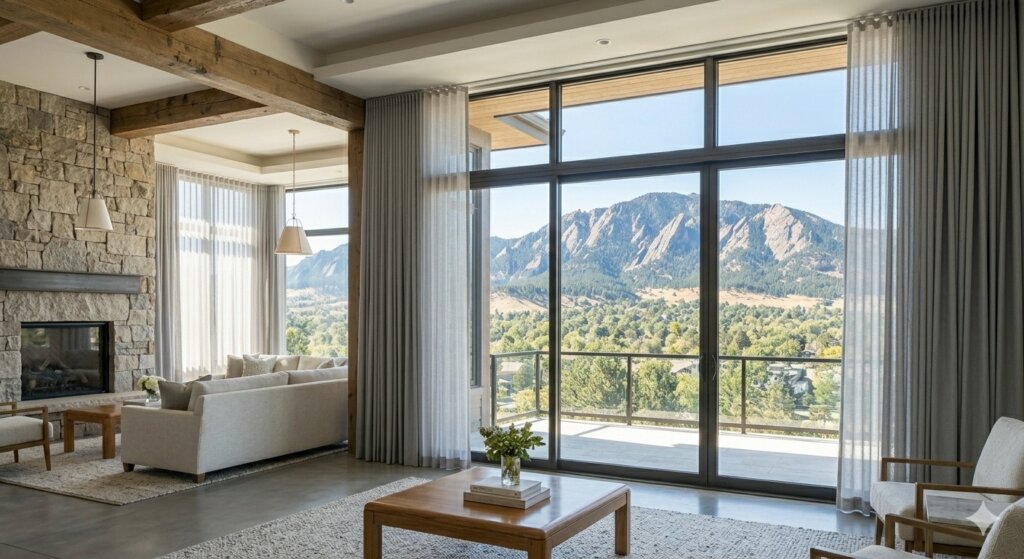
When layering textures, consider pairing a heavier linen drapery panel with a sheer underlayer in a complementary tone. This creates depth and gives you flexibility throughout the day — filtering harsh afternoon light while maintaining the warmth of the palette after sundown. In Boulder's high-altitude climate, where sunlight is intense and interiors can shift dramatically from morning to evening, that layering flexibility is more than aesthetic — it's practical.
The Rise of "Soft Architecture" with Ripplefold Styles
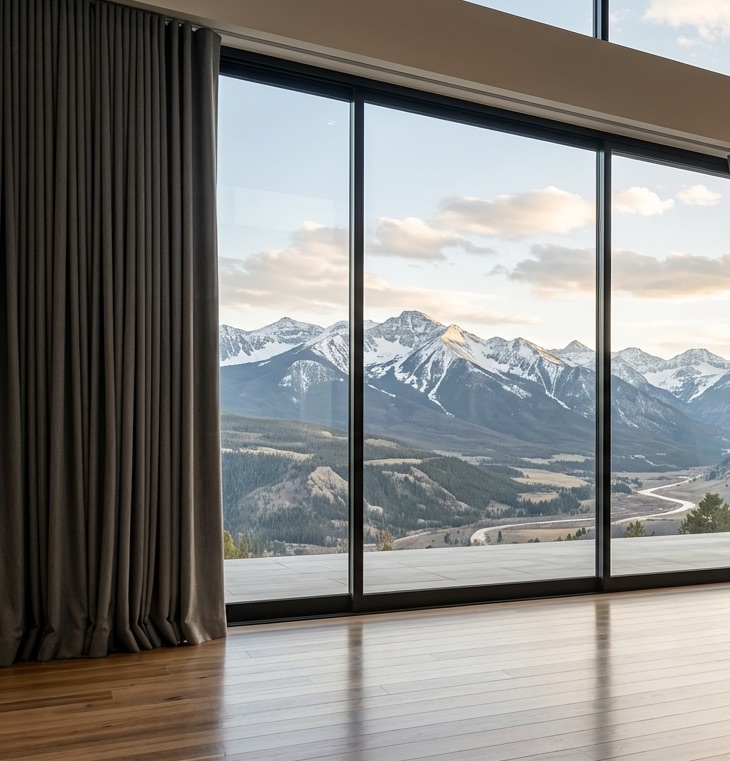
For homes with large glass sliders or tall ceilings, ripplefold drapery has become the professional standard. This style creates a consistent, S-curve wave that looks identical from both the inside and the outside of the home. Because the drapery hangs below a slim track, it creates a "wall of fabric" effect that adds height to a room.
In modern Erie and Superior builds, where oversized windows are a key feature, ripplefold drapery offers a clean, symmetrical look that doesn't feel cluttered. It is an architectural element as much as it is a window treatment, providing a sense of movement and "flow" that traditional pleated drapes sometimes lack.
For ceilings at nine feet or higher — common in newer Boulder County builds — a floor-to-ceiling ripplefold panel hung just below the crown molding can make a standard room feel dramatically taller. Mounting the track two to four inches below the ceiling and letting the fabric puddle slightly on the floor creates an effect designers describe as "borrowed height." It is one of the highest-impact changes you can make to a living room with a single treatment.
Choosing High-Altitude Fabrics for Colorado Homes
Colorado's climate places unique demands on window treatments that many homeowners underestimate. At elevation, UV exposure is significantly higher than at sea level, which means fabrics fade faster. Direct western sun through unprotected glass can degrade cheap polyester drapery in as little as two seasons.
This is why local designers are specifying linen blends, solution-dyed acrylics, and tightly woven organic cottons for Boulder-area projects. These materials hold their color longer, resist the dryness-related brittleness that can crack stiff synthetic fabrics, and breathe better in a climate that swings between dry winter air and humid summer afternoons.
Lining is equally important. A quality blackout or thermal lining not only protects the face fabric from UV damage but also helps regulate interior temperature — a meaningful benefit given the energy costs of heating and cooling at altitude. For west-facing rooms especially, a white dimout lining can reflect heat before it ever enters the glass, reducing cooling loads without sacrificing the look of the drapery from the street.
Pattern and Personality in Custom Drapery
While neutrals are the foundation, 2026 is also seeing a "re-introduction to color" through patterned drapery. Boulder homeowners are using bold prints from collections like Carole Fabrics to create focal points in otherwise neutral rooms.
Think botanical prints, menswear-inspired tweeds, or heritage paisleys reimagined for a modern aesthetic. By using a bold pattern on a drapery panel, you can inject personality into a room without overwhelming the space. This trend works particularly well in home offices and dining rooms where a touch of "moody romance" or British sensibility is desired.
The key to making pattern work in a predominantly neutral room is scale. A large-repeat botanical — think oversized leaves or abstract florals — reads as intentional and dramatic. A small, tight repeat can feel restless at window scale. When in doubt, request a large cutting from your workroom and hold it against the wall before committing.
Working with a Local Workroom: What to Ask
Custom drapery is only as good as the workroom that sews it. In Boulder and the surrounding Front Range, there are a handful of skilled local workrooms that understand the specific demands of mountain-area homes — wide windows, strong light, and architecture that skews contemporary.
When evaluating a workroom or installer, ask these questions:
- Do you carry fabric samples I can view in my home? Color shifts dramatically between a showroom and a north-facing living room. Always view samples in the actual space before ordering.
- What is your lead time for custom panels? Quality custom drapery typically takes four to eight weeks. Be cautious of promises that seem too fast.
- Do you install, or do you refer out? A workroom that handles its own installation is often more accountable for the finished result.
- Can I see examples of ripplefold or pinch-pleat work in a finished space? Photos or references from comparable local projects tell you far more than a showroom sample.
The investment in custom drapery — when done well — lasts ten to fifteen years and transforms how a room feels every single day. In a market like Boulder, where design-conscious buyers notice the details, it is also one of the more durable ways to add perceived value to a home