In the competitive landscape of the Boulder business community, the design of a workspace is no longer just about aesthetics or real estate costs; it is a critical component of human resources and operational strategy. As we move through 2026, the concept of Human-Centric Design has become the gold standard for top-tier tech firms, creative agencies, and startups lining Pearl Street and the 29th Street district. Central to this design philosophy is the sophisticated management of natural light.
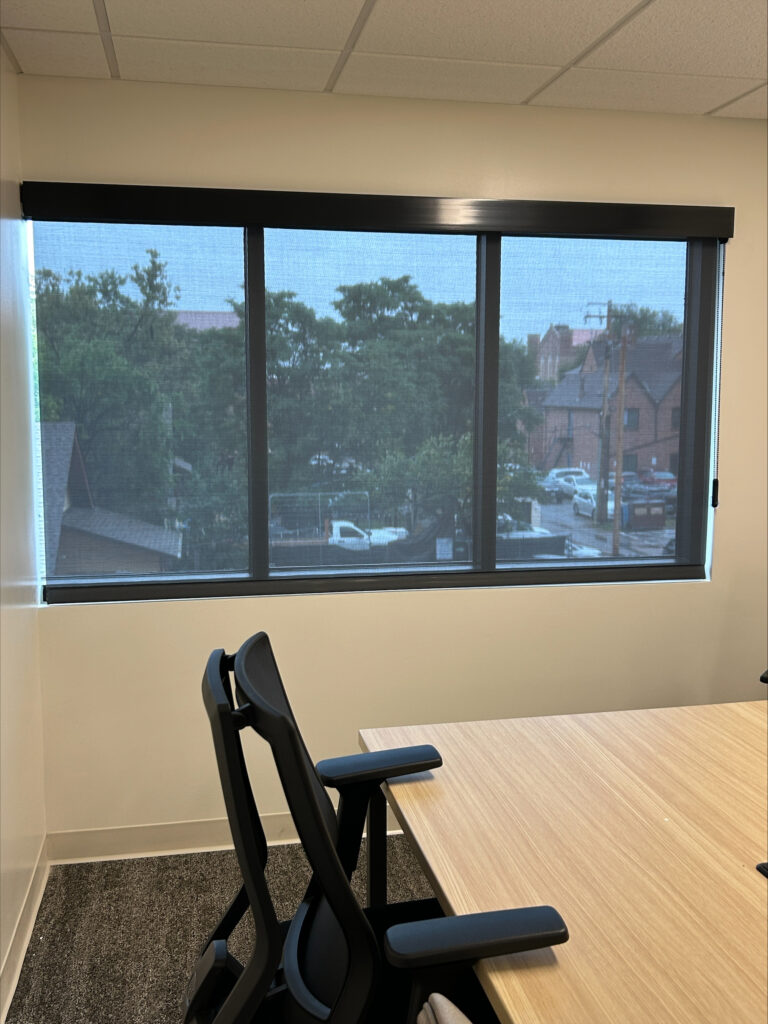
The best window treatments for Boulder offices are solar shades and dual-layer systems because they maximize natural light and the iconic Flatirons views while eliminating the harsh glare and heat that cause employee fatigue. By balancing bright Colorado sunshine with visual comfort, these solutions support employee focus, boost morale, and create professional environments that attract and retain top talent in Boulder’s high-demand job market.
Understanding the Boulder Environmental Impact on Productivity
Boulder is famous for its 300+ days of sunshine a year. For an office environment, this is a massive asset. Natural light is proven to regulate circadian rhythms, improve mood, and increase Vitamin D synthesis, all of which contribute to a more alert and energized workforce. However, in the high-altitude environment of the Front Range, that same light presents a significant physiological challenge.
The sun in Boulder is more intense than at sea level due to the thinner atmosphere. Without proper management, uncontrolled sunlight leads to disability glare—the kind of harsh, reflected light that makes computer screens unreadable—and thermal discomfort. When an employee has to squint to see their monitor or feels the "greenhouse effect" of heat radiating through a west-facing window in the afternoon, their cognitive load increases. This means they are using mental energy just to stay comfortable rather than focusing on the task at hand. Strategic window treatments allow Boulder teams to enjoy the psychological benefits of a sun-drenched office without the physical distractions.
The Most Effective Shades for Open-Concept Offices
The "open-concept" office remains a staple of Boulder’s collaborative work culture. From renovated industrial spaces in North Boulder to modern glass-walled hubs, these environments prioritize transparency and flow. However, large windows in an open office can create "hot spots" where some employees are comfortable while others are blinded by the sun.
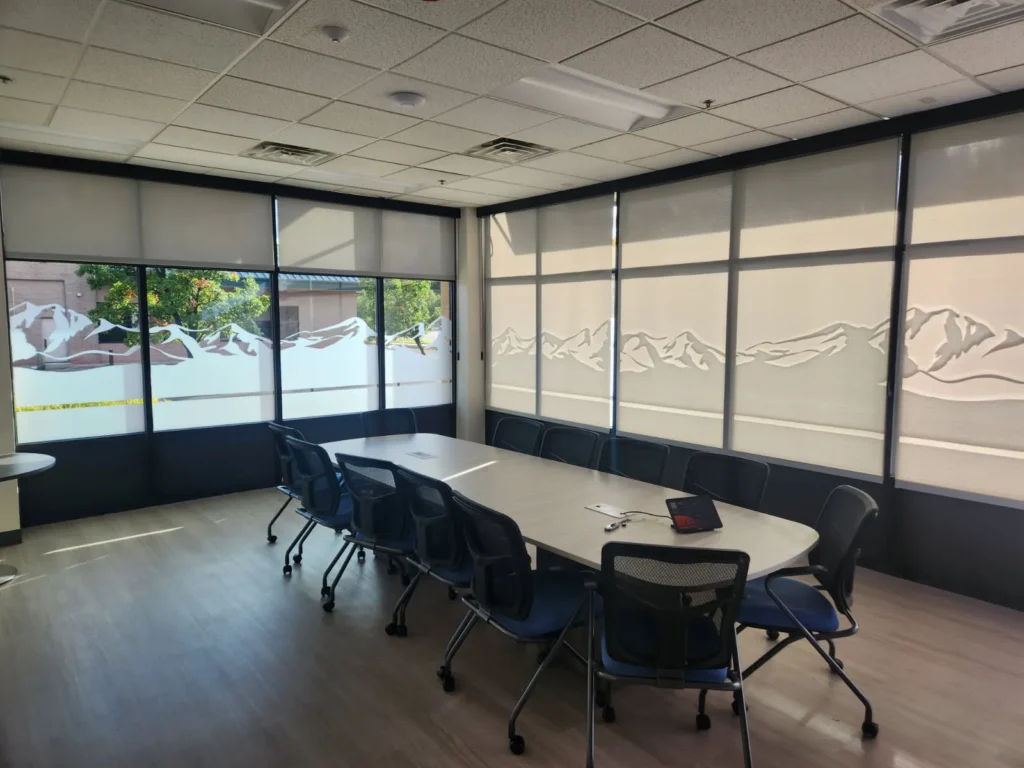
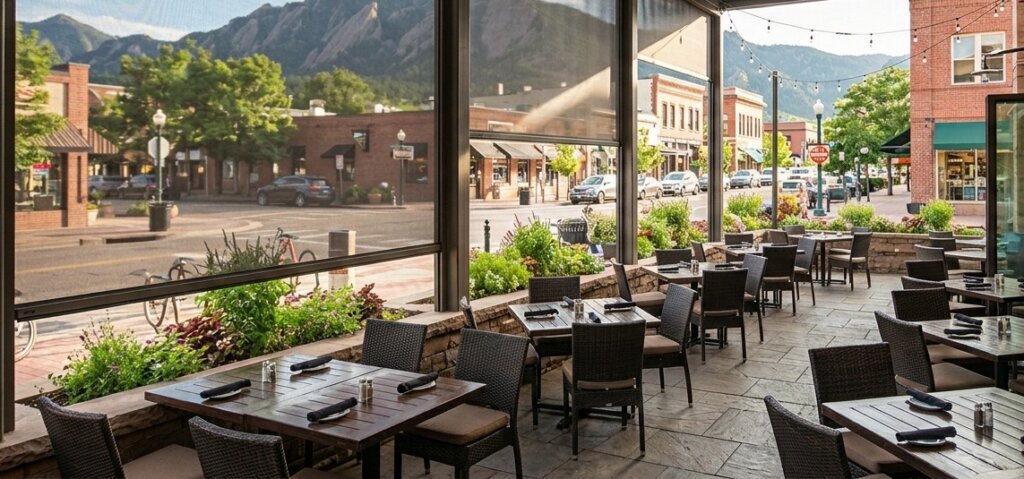
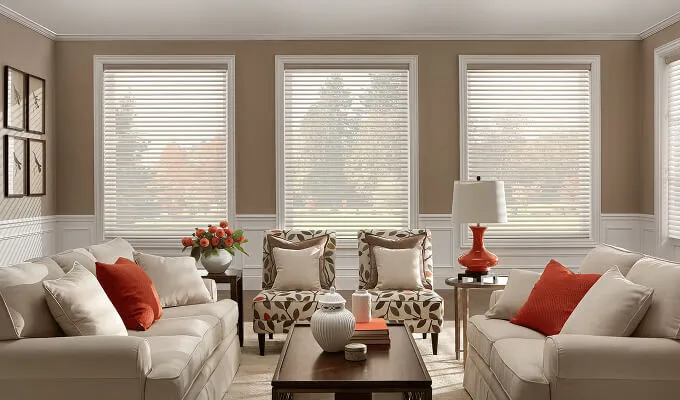
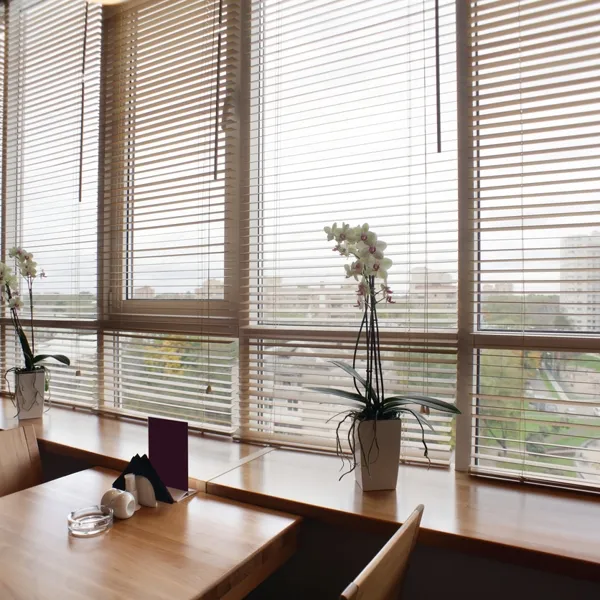
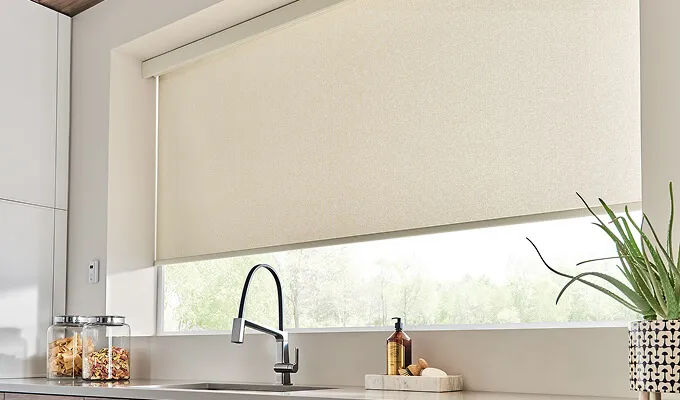
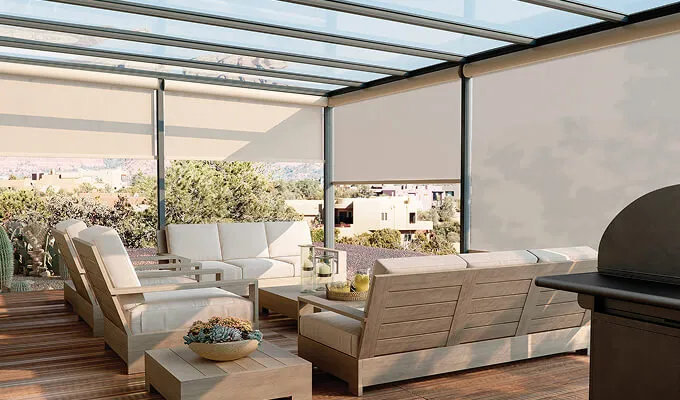
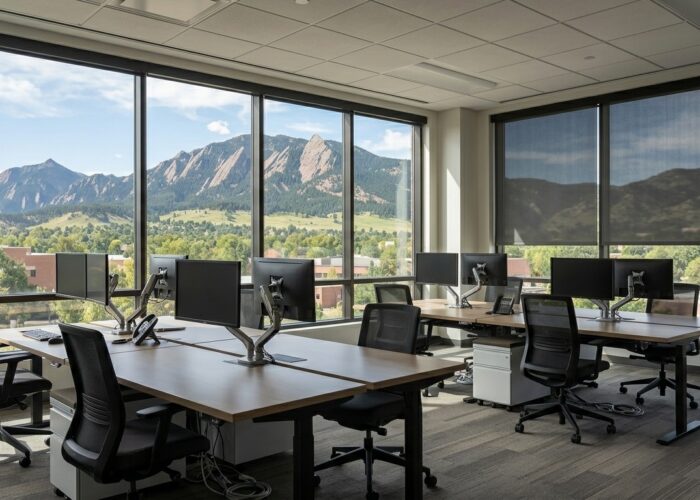
Solar Roller Shades are the preferred choice for these environments. Unlike traditional blinds that completely block the view when closed, solar shades are made from a technical mesh fabric designed specifically for light management.
- Filtering vs. Blocking: They filter sunlight to maintain a bright, airy feel while blocking the specific angles of light that cause "washout" on high-definition monitors. This is particularly important for software developers and graphic designers who require color accuracy and high contrast to perform their work.
- Connection to Nature: A core part of the Boulder workspace philosophy is a connection to the outdoors. Solar shades allow employees to keep their eyes on the mountains even when the shades are lowered. This "visual connection to the horizon" is a powerful tool for reducing digital eye strain and preventing the "boxed-in" feeling that leads to midday burnout.
Dual-Layer Systems for Flexible Conference Rooms
In a modern Boulder workspace, a single room often wears many hats. A conference room might host a collaborative brainstorming session at 10:00 AM and a high-stakes, screen-heavy investor presentation at 2:00 PM. This requires a level of light control that a single shade cannot provide.
The professional standard for these flexible spaces is the Dual-Layer System. This setup allows a company to transition a room's environment in seconds.
- The Sheer Layer: A solar shade layer stays down most of the day, diffusing light and reducing heat while maintaining the professional look of the room. It allows for a "bright" meeting feel where people can still see each other's facial expressions clearly.
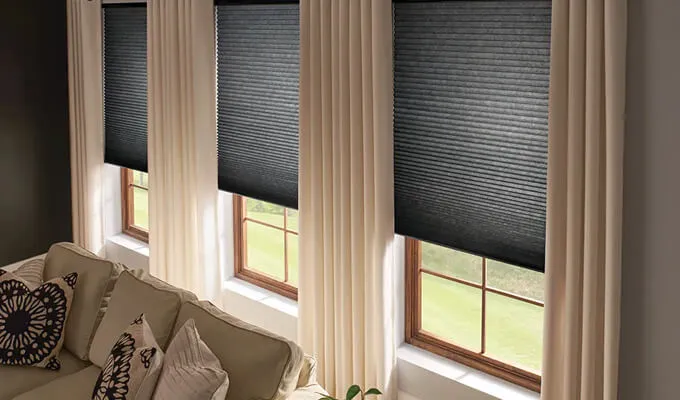
- The Blackout Layer: For video calls or projector-based presentations, a secondary blackout shade can be lowered instantly. This creates the "theater-dark" environment necessary for high-contrast screens. This prevents "light leakage" from washing out the details of a pitch deck or an architectural rendering, ensuring that remote participants and data visualizations are crystal clear. This versatility is essential for tech-forward companies that cannot afford to have a meeting derailed by a beam of sunlight hitting a camera lens.
The Impact of Automation on Team Wellness
In 2026, manual window treatments are increasingly viewed as an operational inefficiency. If an employee has to stop their deep-work flow five times a day to get up and adjust a cord-operated blind, that is a disruption to the "flow state" that Boulder’s high-performance teams value.
Motorized and Automated Shades remove this friction entirely, turning the building itself into a supportive tool for the workers inside.
- Predictive Comfort: By using smart sensors and astronomical clocks, these systems can be programmed to lower shades automatically as the sun moves across the Flatirons. The shades "track" the sun, adjusting their height to keep direct light off desks while keeping as much of the window open as possible.
- Thermal Regulation: When temperatures spike in the afternoon, the shades lower to reflect heat, maintaining a consistent 72-degree office temperature without the HVAC system having to work overtime. This prevents the "afternoon slump" often caused by rising office temperatures and ensures a consistently high-performance work environment.
Office Design as a Tool for Employee Retention
The Boulder job market is notoriously tight, especially in the tech, biotech, and environmental science sectors. When talent is choosing between two job offers, the "vibe" and physical comfort of the office often become the tie-breaker.
Investing in high-quality, professional window treatments is a visible signal to your team that you value their daily experience. Employees who work in an environment with managed light and thermal comfort report higher job satisfaction and lower rates of headaches and eye strain. In a community that prioritizes work-life balance and physical health, a well-managed workspace is a key component of a company's recruitment and retention strategy. It moves the office from being a "place of work" to a "destination of choice."
Brand Image and the Professional Environment
Beyond the internal benefits to employees, window coverings play a massive role in your external brand image. Your office is often the first physical touchpoint for clients, partners, and prospective hires.
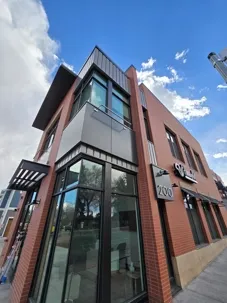
- Curb Appeal: In a downtown Boulder historic building, uniform, high-quality shades present a polished, organized image to the street. It prevents the "cluttered" look of mismatched or broken blinds that can subconsciously signal a lack of attention to detail.
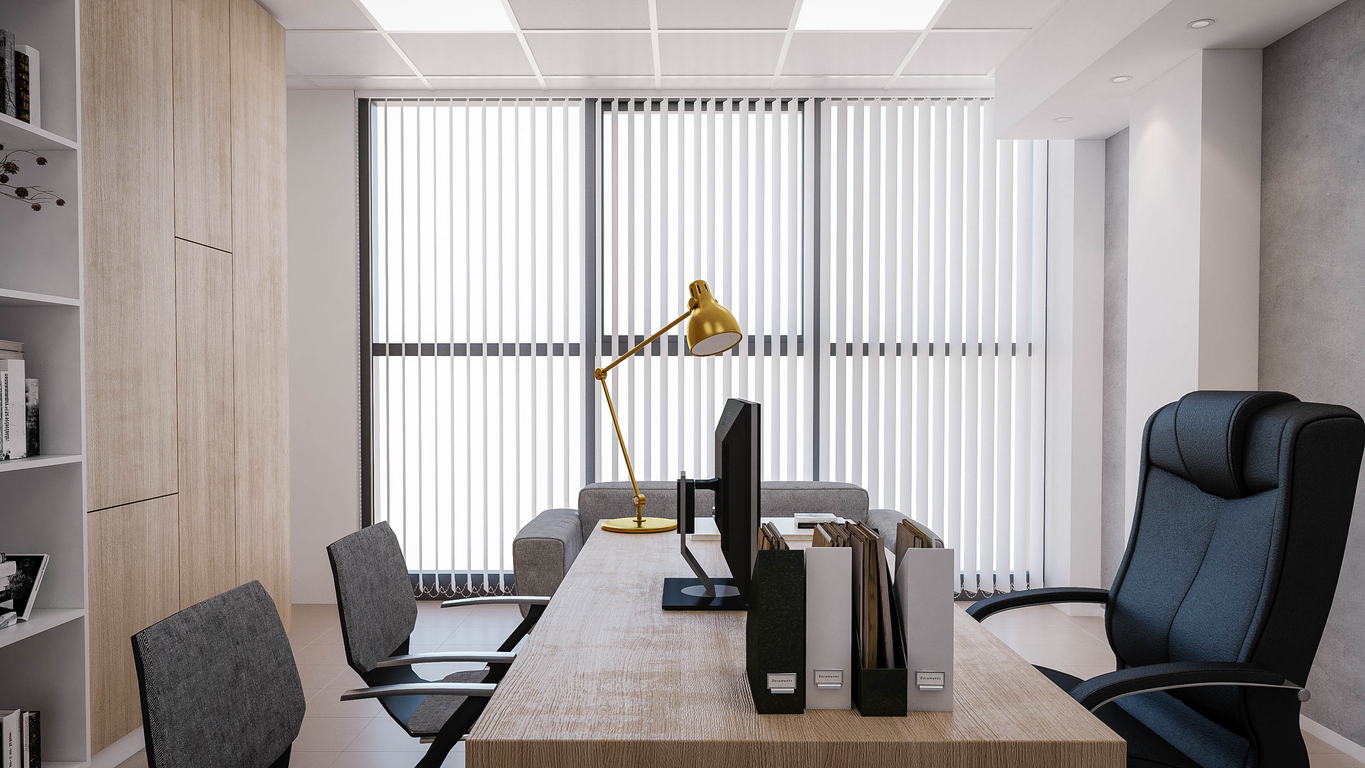
- Interior Sophistication: Inside, clean lines and modern fabrics reinforce a brand’s identity. Whether you are a law firm in a traditional space or a software company in a sleek glass tower, the right window treatments tie the interior design together. They provide a backdrop for professional photography and video conferencing, ensuring your company looks as high-tech and organized as the services you provide.
Sustainability and LEED Credits
Boulder businesses are leaders in environmental stewardship, and modern shading systems play a direct role in a building’s energy efficiency and "green" certification.
- Heat Gain Reduction: By reflecting solar radiation before it enters the room, high-performance shades significantly reduce the cooling load on a building. In a Colorado summer, this can lead to substantial savings on utility bills.
- LEED Points: Automated shading systems can contribute to LEED (Leadership in Energy and Environmental Design) credits by optimizing "Daylight and Quality Views." This demonstrates a commitment to both the planet and the people inside the building—two values that are deeply ingrained in the Boulder identity. For businesses looking to achieve B-Corp status or other sustainability benchmarks, window treatments are a "low-hanging fruit" with a high impact.
Commercial Window Covering Solutions for Boulder Businesses
At Bumble Bee Blinds of Boulder, we specialize in creating balanced, professional environments for businesses of all sizes. We understand the specific challenges of the Boulder climate—from the intense high-altitude UV exposure to the need for mountain-view preservation.
Whether you are a startup moving into your first coworking space or an established corporation renovating a multi-story headquarters, our team provides the expert guidance, technical specifications, and professional installation needed to turn your office into a high-performance workspace that supports your team’s wellbeing and your company’s growth.