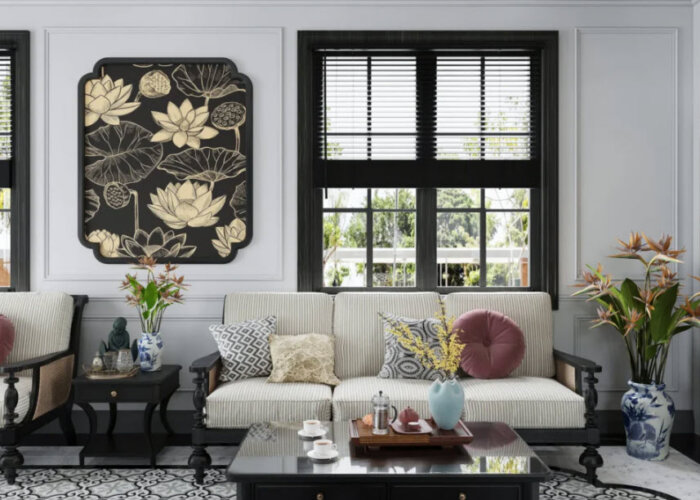
Choosing window treatments can feel surprisingly complicated. You know you want your rooms to look beautiful, but once you start comparing blinds, shades, and plantation shutters, the options can seem endless. Each offers a different combination of style, privacy, light control, and everyday practicality.
For homeowners in Fairfield County, Connecticut, the right choice often depends on the home itself. A traditional colonial in Ridgefield might call for the architectural character of plantation shutters, while a coastal-inspired home in Westport might feel more at home with relaxed Roman shades or textured woven shades. In a Stamford condo, streamlined roller shades might be the perfect finishing touch.
The good news? There’s no single right answer for every window. Here’s how to choose the option that best suits your home, your style, and the way you live.
What’s the Difference Between Blinds, Shades, and Plantation Shutters?
The biggest difference comes down to how each treatment looks and operates.
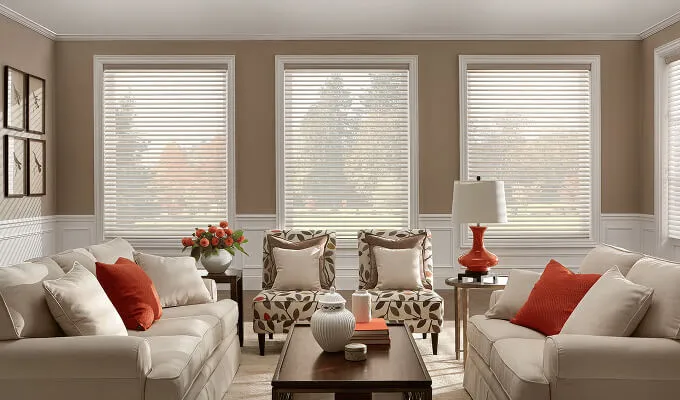
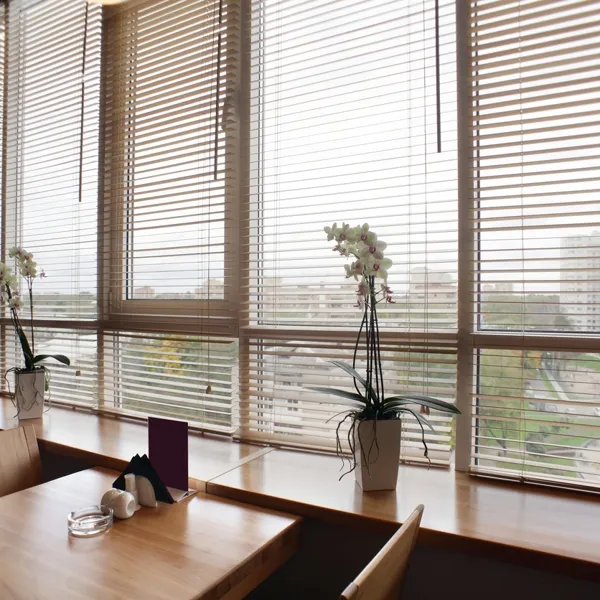
Blinds feature horizontal or vertical slats that can typically be tilted to adjust incoming light. They’re versatile, practical, and available in materials such as wood, faux wood, and vinyl.
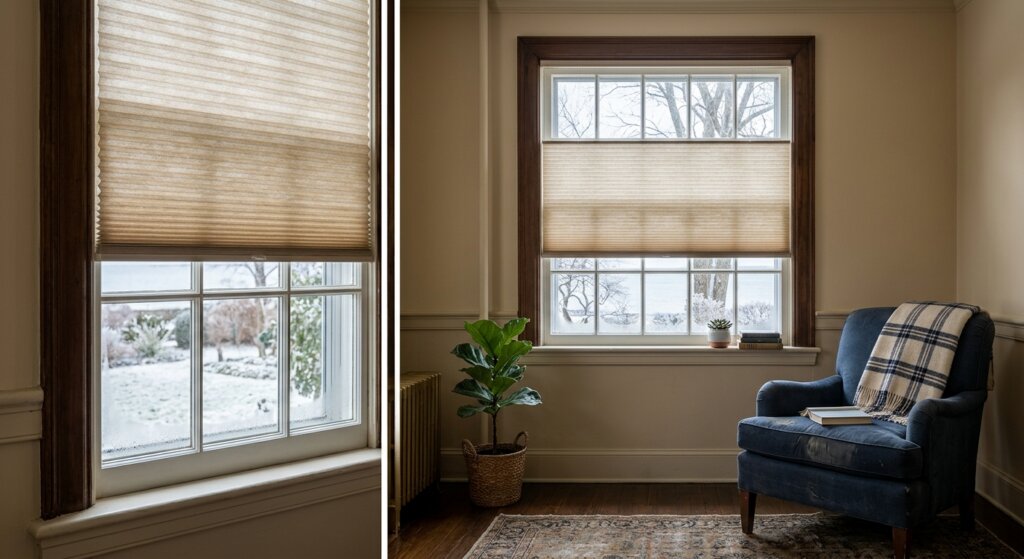
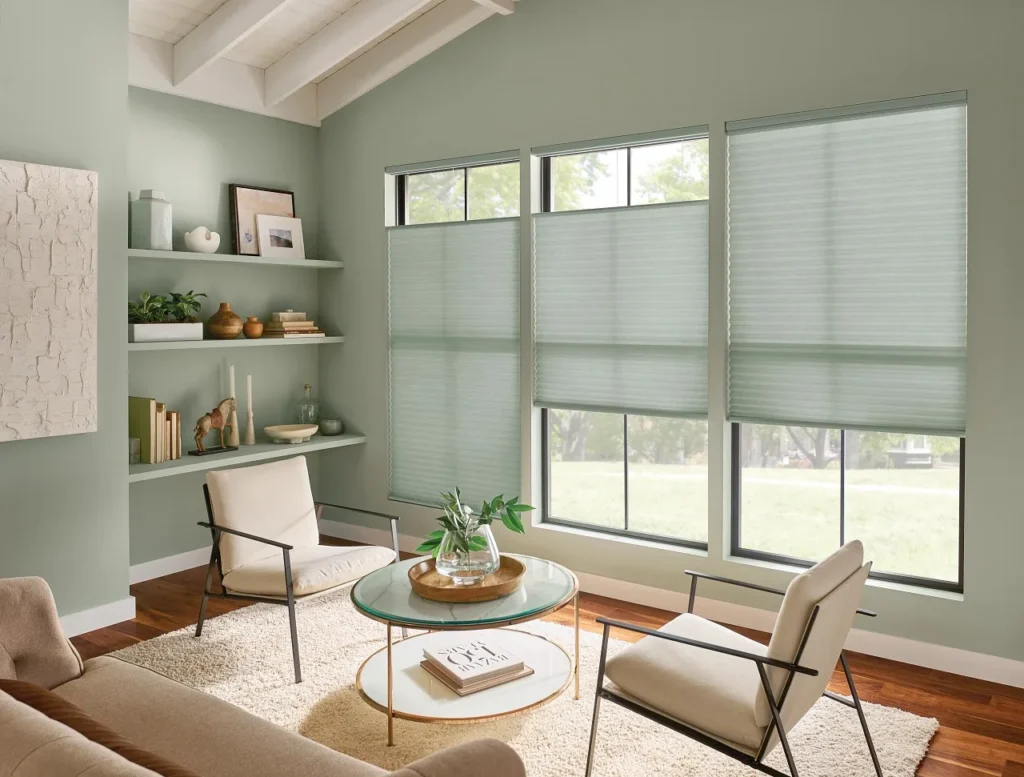
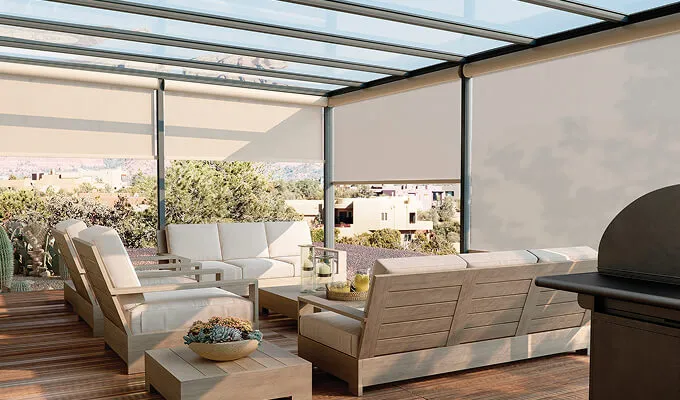
Shades are made from continuous materials, including fabric and woven textures, that raise and lower to cover the window. Options range from simple roller shades to tailored Roman shades, cellular shades, and solar shades.
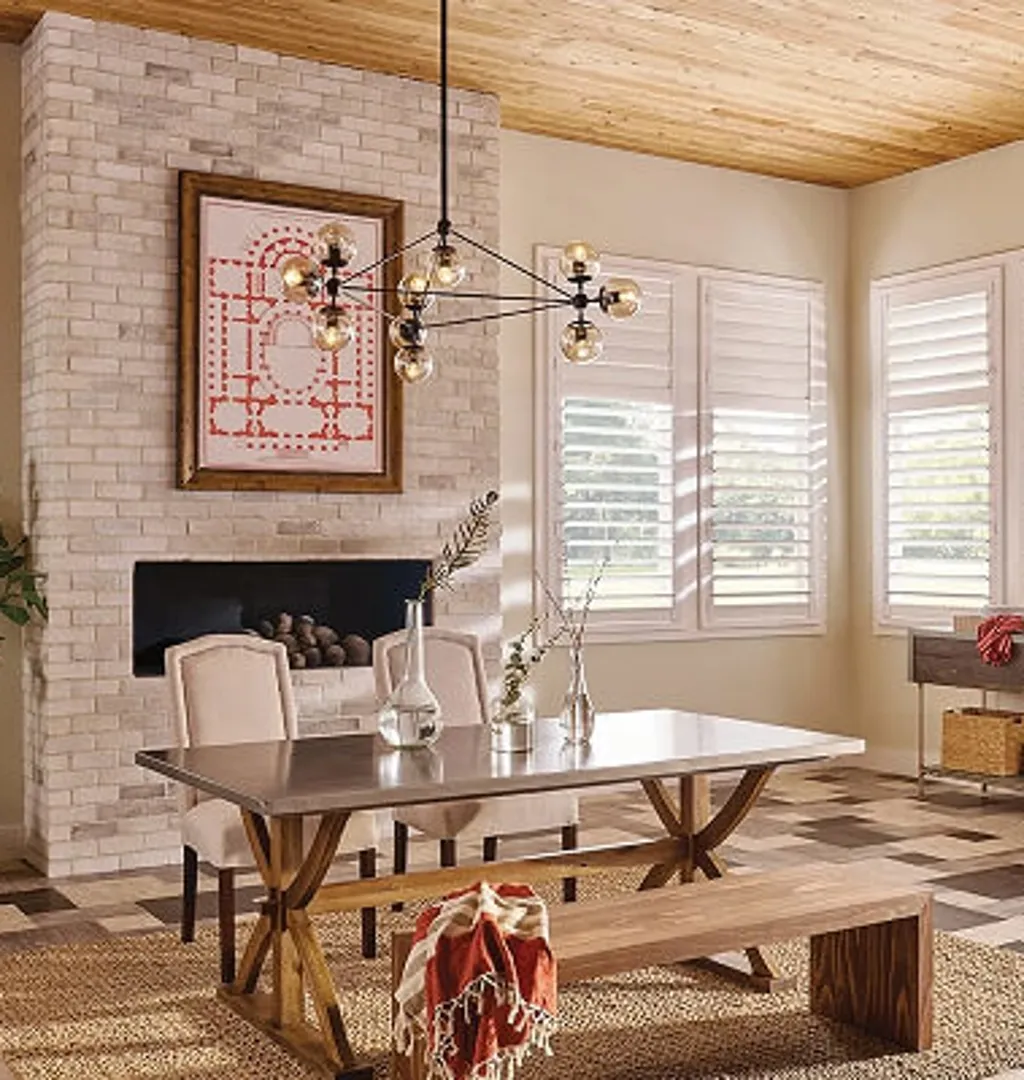
Plantation shutters are fitted panels with adjustable louvers. They create a structured, architectural look and can feel like a permanent part of the window’s design.
All three can provide privacy and help manage sunlight. The best fit depends on how much light control you want, the atmosphere you’re trying to create, and the features that matter most in each room.
1. Custom Blinds: Classic, Versatile, and Practical
Blinds are a dependable choice for homeowners who want precise control over light and privacy without sacrificing style.
Their adjustable slats let you direct sunlight upward or downward, soften glare, or close the slats for greater privacy. You can also raise many blind styles to open up the entire window.
When are blinds the best choice?
Blinds are especially worth considering in:
- Kitchens: Faux wood blinds offer a classic appearance and are often a practical choice for busy spaces.
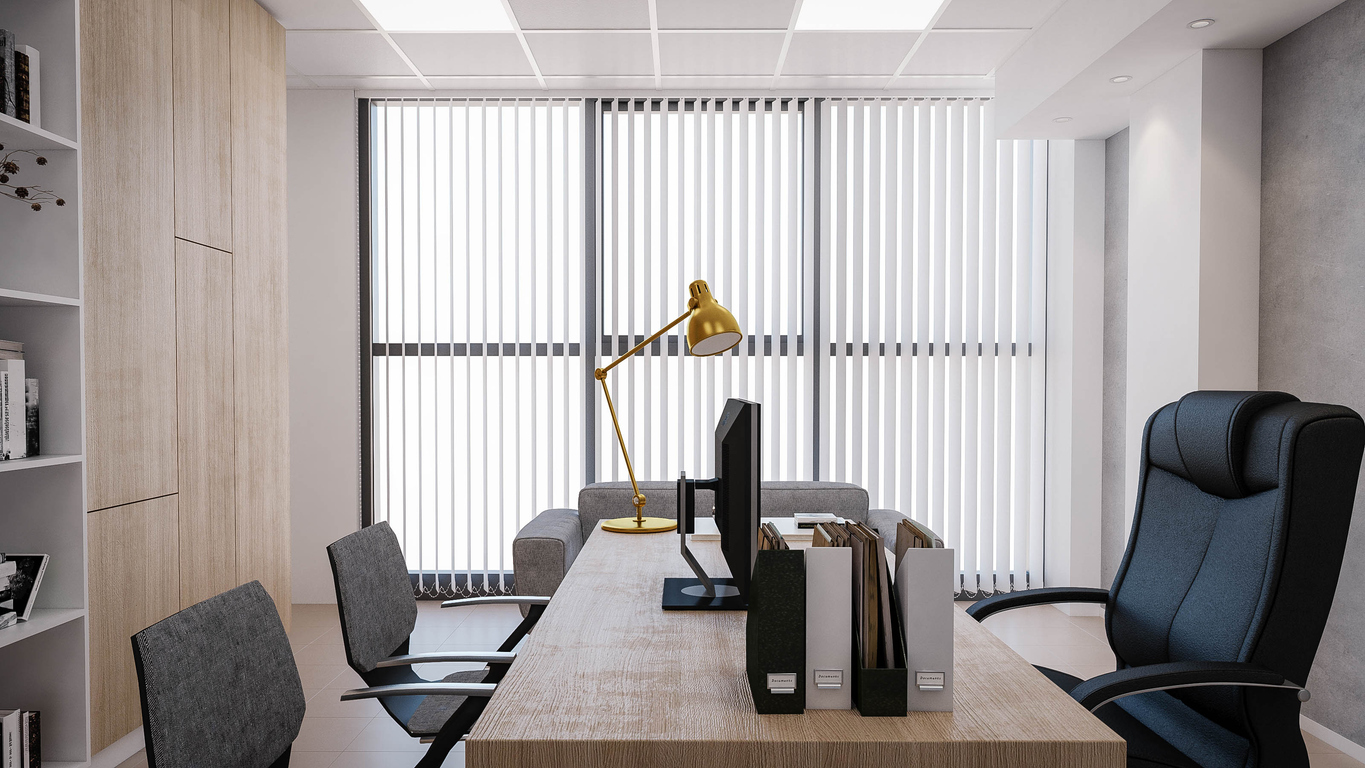
- Home offices: Adjustable slats help manage glare on computer screens while allowing natural light into the room.
- Bedrooms: Blinds offer flexible light control and can be paired with drapery for a softer look.
- Family rooms: Wood and faux wood finishes can complement traditional furniture, hardwood floors, and neutral color palettes.
The material makes a difference, too. Wood blinds bring natural warmth and character, making them a beautiful option for studies, living rooms, and bedrooms. Faux wood blinds offer a similar aesthetic with different maintenance and moisture-resistance characteristics, depending on the product.
For larger windows or sliding glass doors, vertical blinds may be worth exploring because their orientation suits wider openings.
The design perspective
Blinds don’t have to feel purely functional. Consider matching the finish to your window trim, cabinetry, or other wood tones in the room. A warm wood finish can add depth to a neutral interior, while a crisp white finish creates a lighter, more understated look.
One consideration: blinds have visible slats, so dusting is part of their upkeep. If you prefer a softer appearance or fewer horizontal lines, shades might be a better match.
Explore custom blinds in Fairfield County to see the options available for your home.
2. Custom Shades: Softness, Texture, and Design Flexibility
If blinds are about adjustable slats, shades are about the material, texture, and atmosphere they bring to a room.
Custom shades come in a wide variety of fabrics, colors, opacities, and operating styles. They can be subtle and nearly invisible within a design scheme or become a focal point through texture, pattern, or color.
Which type of shade should you choose?
Different shade styles create different effects.
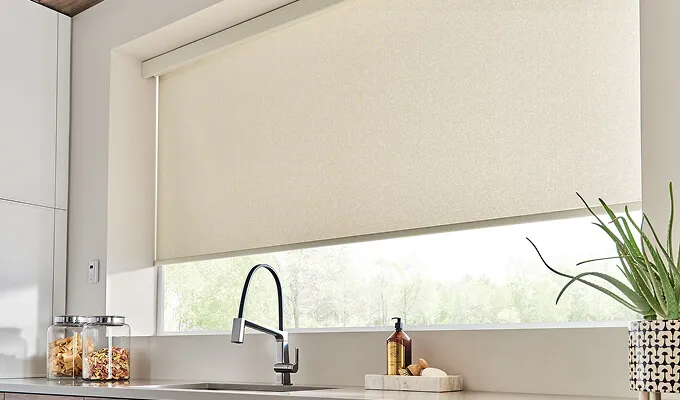
- Roller shades have a clean, streamlined appearance. They’re a natural fit for contemporary interiors, minimalist spaces, and rooms where you want the window treatment to blend into the background.
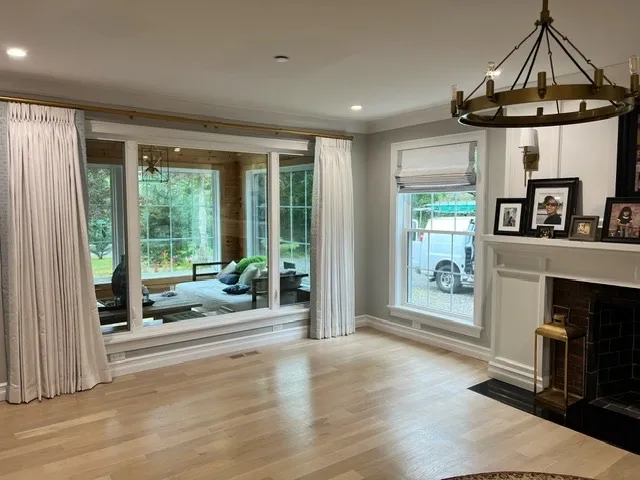
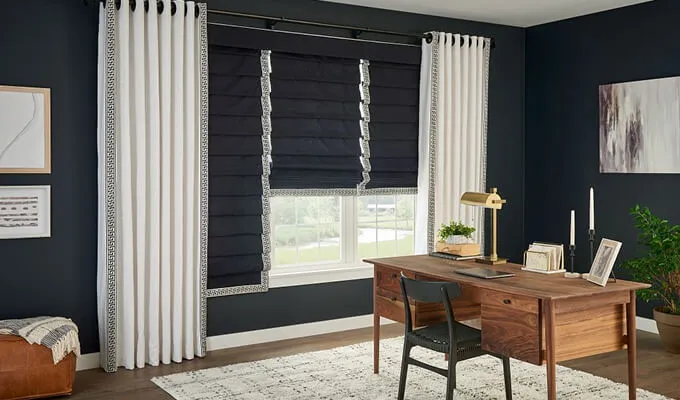
- Roman shades fold into soft horizontal pleats when raised. They introduce the warmth of fabric and work beautifully in dining rooms, bedrooms, and living spaces.
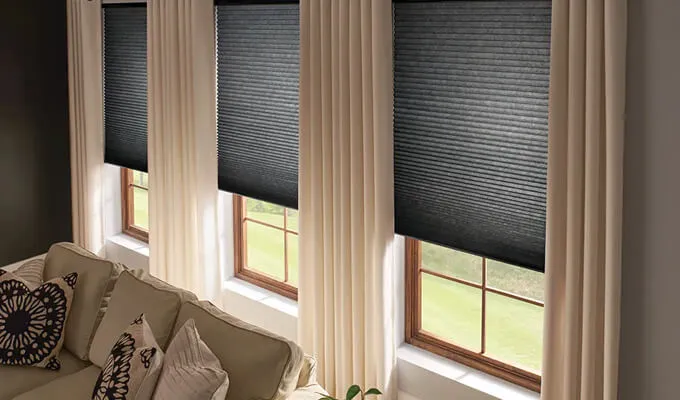
- Cellular shades feature a honeycomb-like construction designed to help reduce heat transfer through windows. They’re worth considering for rooms where temperature comfort matters.
- Woven wood shades introduce organic texture through materials such as bamboo and other natural-looking fibers. They complement relaxed, coastal, transitional, and nature-inspired interiors.
- Solar shades are designed to reduce incoming glare and help manage sunlight while preserving some outward visibility, depending on the fabric and lighting conditions.
Where do shades work best?
Shades are particularly versatile in living rooms, bedrooms, kitchens, and home offices. Their suitability depends on the specific fabric and how you want the room to function.
For example, a light-filtering Roman shade can soften the look of a dining room while maintaining a bright atmosphere. A room-darkening shade may be more appropriate for a bedroom where limiting outside light is a priority.
If you love layered interiors, shades also work beautifully with custom drapery. A simple roller shade can provide everyday light control, while decorative panels introduce height, softness, and a more finished appearance.
The design perspective
Shades are an opportunity to introduce another layer of design without changing your furniture or wall color.
Think about the textures already present in your room. If you have smooth cabinetry, polished stone, and clean-lined furniture, a woven shade can bring welcome contrast. If your room already features patterned upholstery or detailed wallpaper, a simple shade in a complementary neutral may keep the overall look balanced.
Explore custom shades and window coverings to find a style that fits your space.
3. Plantation Shutters: Timeless Character and Architectural Detail
Plantation shutters offer a distinctive look that feels structured, tailored, and enduring.
Unlike blinds and shades that typically raise or lower, shutters have framed panels with adjustable louvers. The louvers tilt to control light and privacy, while the panels may open to provide access to the window.
For many Fairfield County homeowners, shutters feel particularly natural in traditional New England homes, where symmetry, millwork, and classic proportions are part of the architecture.
When are plantation shutters the best choice?
Shutters are worth considering for:
- Colonial homes: Their clean lines complement the symmetry and traditional details common in colonial architecture.
- Living rooms: Shutters can give front-facing windows a polished, intentional appearance.
- Bedrooms: Adjustable louvers allow you to manage daylight and privacy throughout the day.
- Kitchens and bathrooms: Suitable shutter materials can work well in these spaces when selected for the room’s moisture conditions.
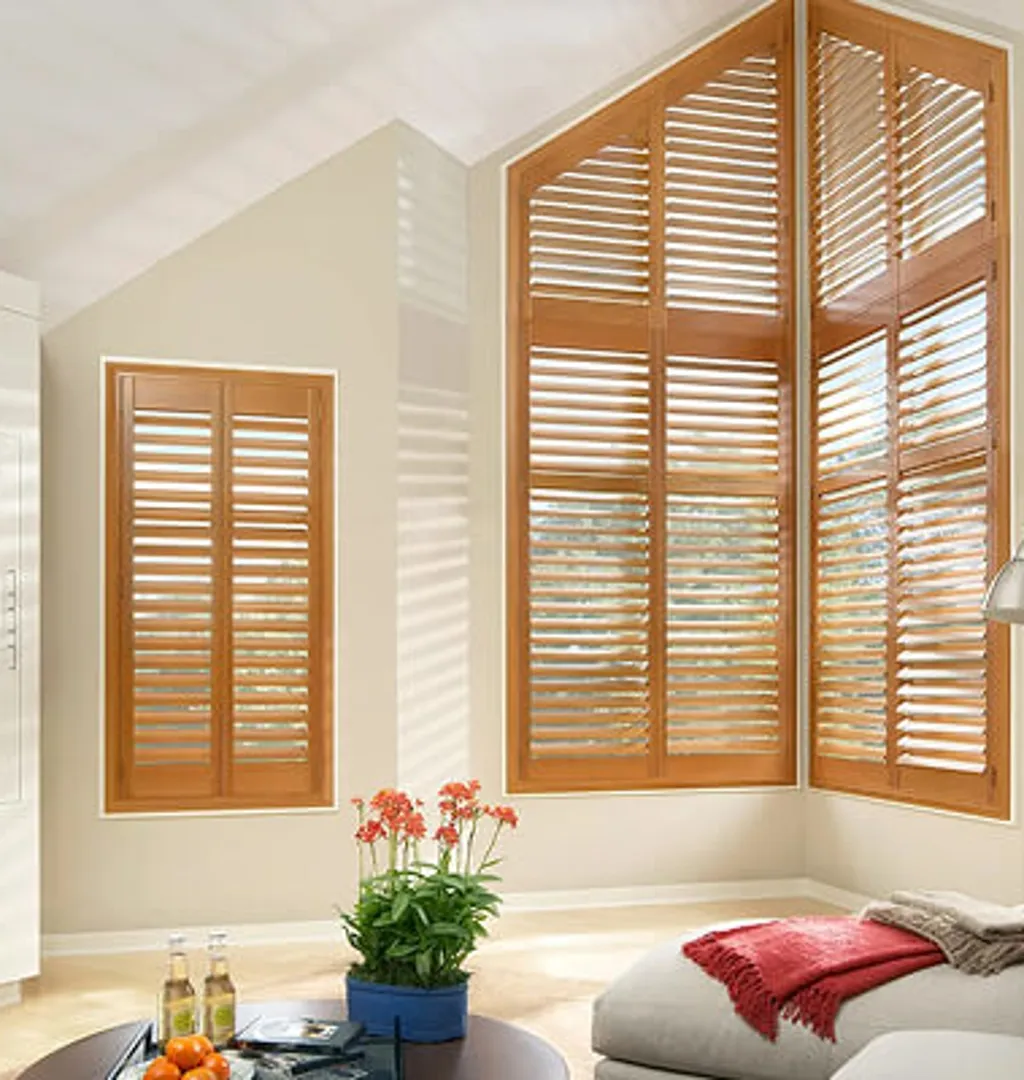
- Distinctive windows: Certain specialty shapes can be accommodated with custom shutter configurations.
Material selection matters. Composite, poly-vinyl, and hardwood options can differ in appearance, maintenance requirements, moisture suitability, and cost. Your choice should reflect both the look you want and the conditions around the window.
The design perspective
Shutters are more than a way to cover glass. Their frames and louvers become part of the room’s architecture.
In a classic colonial in Fairfield or Wilton, white shutters can complement painted trim and traditional millwork. In a transitional interior, they can provide a crisp counterpoint to softer furnishings and natural textures.
Because shutters have a defined, built-in appearance, it’s worth thinking about how they’ll relate to the window casing and surrounding trim. A custom fit helps the finished treatment feel intentional rather than added as an afterthought.
One trade-off is that shutters generally don’t lift completely out of the window opening like many blinds and shades do. If your priority is an entirely unobstructed view, another treatment may be more appropriate.
Explore custom plantation shutters in Fairfield County to learn more about available styles.
4. Which Window Treatment Is Best for Your Lifestyle?
The most beautiful treatment isn’t necessarily the best one for every room. Your daily habits and practical needs matter just as much as appearance.
Here’s a simple comparison to help you narrow your options.
| Your priority | Option to consider |
|---|---|
| Precise, adjustable light control | Blinds or plantation shutters |
| Fabric, color, and texture | Custom shades |
| A classic, architectural appearance | Plantation shutters |
| A clean, minimalist look | Roller shades |
| Added softness and decorative layering | Roman shades with drapery |
| Managing glare in a home office | Solar shades or adjustable blinds |
| Temperature comfort near windows | Cellular shades |
| Convenient operation for hard-to-reach windows | Motorized blinds or shades |
These are starting points, not strict rules. Product performance varies by material, construction, and installation.
For example, a bedroom may benefit from a room-darkening shade, while a living room in the same home might need only light-filtering fabric. A kitchen may call for a moisture-suitable blind, while the dining room next door benefits from layered Roman shades and drapery.
You don’t have to choose one treatment for your entire home. A coordinated combination often creates a more thoughtful result because each room gets the functionality it needs while the overall design stays connected.
5. How to Make Your Window Treatments Feel Cohesive
One of the most common design questions homeowners ask is whether every room should have matching window treatments.
The answer is no. Cohesion comes from thoughtful coordination, not repetition.
Start with a consistent palette. Warm whites, soft taupes, natural wood tones, and muted colors can connect different treatments throughout a home without making every window look identical.
Then consider the architecture. A traditional colonial may benefit from shutters in the front-facing rooms, practical shades in the bedrooms, and decorative drapery in the dining room. A contemporary home might use roller shades in several spaces, with Roman shades or drapery introducing softness where needed.
Pay attention to the transitions between rooms, too. If you can see multiple windows from one vantage point, coordinating colors and finishes can help the spaces feel connected.
Finally, consider the details that often get overlooked: window trim, hardware finishes, fabric texture, and how the treatments look when raised or opened.
These decisions can make the difference between a collection of individual window coverings and a cohesive whole-home design.
6. Why Custom Design and Professional Measuring Matter
Even a beautiful window treatment can disappoint if it doesn’t suit the window or the way you use the room.
Window dimensions, trim depth, handle placement, nearby furniture, and the direction of incoming sunlight all influence which products make sense. Specialty shapes and unusually large windows may require additional planning.
That’s where an in-home design consultation can be helpful. Seeing material samples in your actual space makes it easier to evaluate color, texture, and opacity in your home’s natural light. It also gives you the opportunity to compare products side by side and discuss practical considerations before making a decision.
Bumble Bee Blinds of Fairfield County offers personalized design consultations, custom window treatment solutions, and professional installation. The team brings samples to your home so you can explore options in the context of your existing finishes, furniture, and architecture.
Whether you’re updating a single room or planning a whole-home project, a thoughtful selection process helps you balance appearance, function, and budget.
Find the Right Fit for Your Fairfield County Home
Blinds, shades, and plantation shutters each offer something different. Blinds provide adjustable light control, shades offer exceptional flexibility in fabric and texture, and shutters bring architectural character that can complement a home’s original design.
The best choice is the one that suits your windows, supports your daily routines, and feels right in your space.
If you’re ready to explore custom window treatments for your home in Fairfield, Westport, Greenwich, Darien, Wilton, or a nearby community, Bumble Bee Blinds of Fairfield County can help you compare options and find the right combination of style and function.
Ready to get started? Schedule a free design consultation to explore samples, discuss your goals, and discover window treatments designed around your home.
Frequently Asked Questions
1. What is the difference between blinds, shades, and plantation shutters?
Blinds have adjustable slats that tilt to control light, shades use a continuous material that raises and lowers, and plantation shutters feature framed panels with adjustable louvers. Each offers different design possibilities, privacy features, and operating styles.
2. Are blinds or shades better for a Connecticut home?
Both can work beautifully in Connecticut homes. Blinds are useful when you want adjustable slats and precise light direction, while shades offer a wider range of fabric styles and textures. The best option depends on the room, your preferred aesthetic, and your light-control needs.
3. Are plantation shutters a good choice for colonial homes?
Yes. Plantation shutters complement the symmetry, trim, and traditional proportions often found in colonial homes. They’re particularly well suited to homeowners who want a structured, architectural appearance rather than a soft fabric treatment.
4. Can I combine blinds, shades, and shutters in one home?
Absolutely. Different rooms have different needs, so mixing treatments is often the most practical approach. A consistent palette of colors, finishes, and textures helps maintain a cohesive design throughout the house.
5. Does Bumble Bee Blinds of Fairfield County offer free consultations?
Yes. Bumble Bee Blinds of Fairfield County offers free design consultations, during which you can discuss your goals, compare product samples, and explore options for your windows.