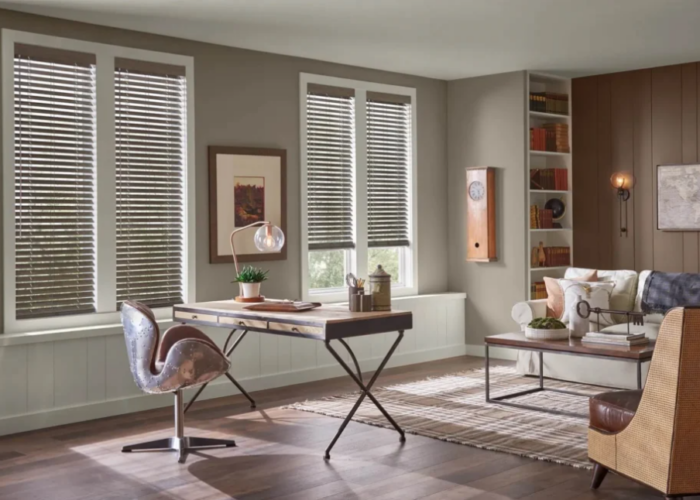
For art collectors, beautiful natural light can be both an asset and a liability.
Fairfield County homes — from coastal properties in Greenwich, Westport, and Darien to traditional homes farther inland — often feature expansive windows, glass doors, high ceilings, and open living spaces designed to bring the outdoors in. That natural light can make artwork, antiques, and luxury furnishings look spectacular.
But prolonged exposure to sunlight can also cause fading, discoloration, and gradual deterioration of valuable interiors.
The good news is that protecting a collection doesn’t mean turning your home into a dark gallery. With thoughtfully designed window treatments, solar shades, UV-filtering solutions, and automated controls, homeowners can manage damaging sunlight while maintaining the natural light and views that make their homes special.
How Does Sunlight Damage Fine Art and Luxury Interiors?
Sunlight contains ultraviolet (UV) radiation, visible light, and infrared energy. Over time, exposure to these elements can contribute to fading and deterioration in artwork, textiles, flooring, furniture, and other interior finishes.
Works on paper, watercolors, photography, textiles, and certain pigments can be particularly sensitive to prolonged light exposure. Antique furniture and wood finishes can also change color over time, while rugs, upholstery, and other luxury fabrics may gradually fade in rooms with strong direct sunlight.
The risk isn’t limited to summer, either. Fairfield County homes receive significant natural light throughout the year, and south- and west-facing windows can expose interiors to especially strong afternoon sun.
The result is often gradual rather than dramatic. You may not notice the change from one day to the next, but years of repeated exposure can leave noticeable differences between protected and unprotected areas.
For homeowners with valuable collections, managing that exposure is an important part of long-term preservation.
What Are the Best Window Treatments for Protecting Artwork Without Losing the View?
The goal isn’t necessarily to eliminate natural light. It’s to control how much direct sunlight reaches your interiors while preserving the openness and connection to the outdoors that you value.
Solar Screen Shades
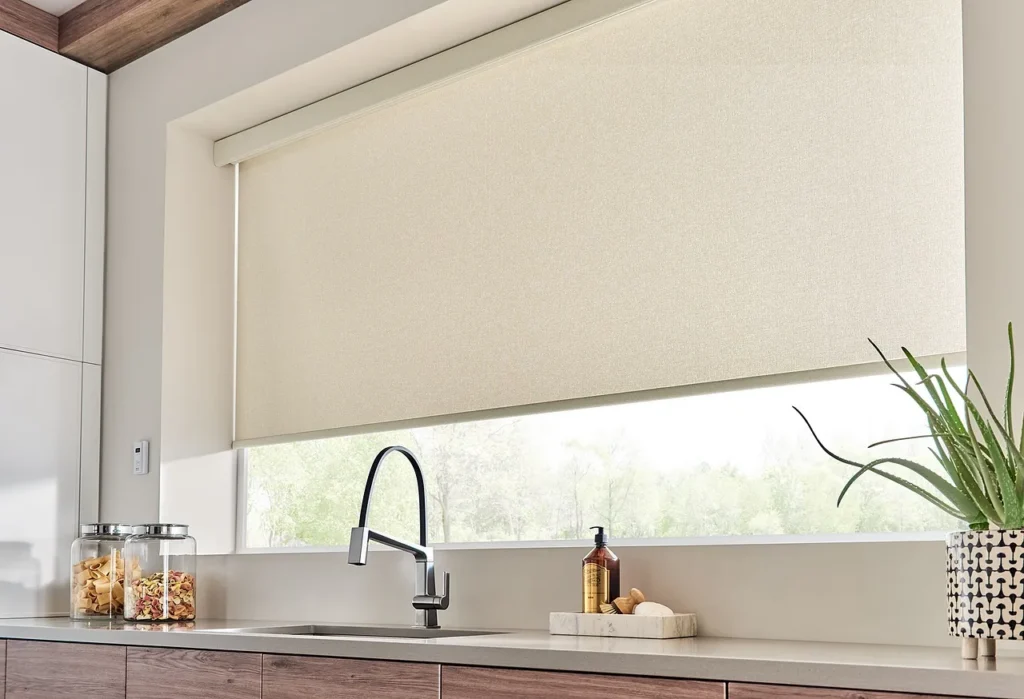
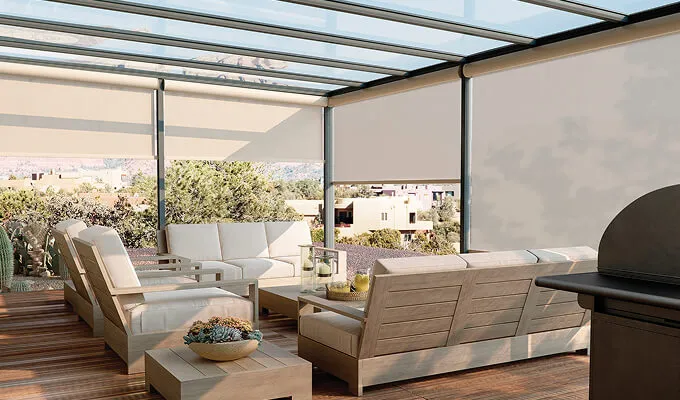
Solar screen shades are one of the most effective options for rooms containing artwork or valuable furnishings.
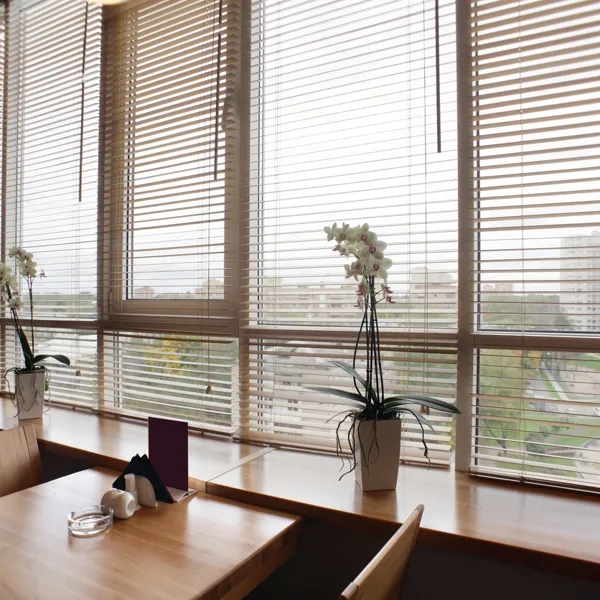
Available in different openness factors, solar shades use specially engineered woven fabrics to filter sunlight while maintaining some visibility through the window. A lower openness factor provides greater solar and glare control, while a higher openness factor allows more light and visibility.
For rooms with significant sun exposure, a 1% to 3% openness factor can provide a strong balance between protection, glare reduction, and maintaining an outdoor view.
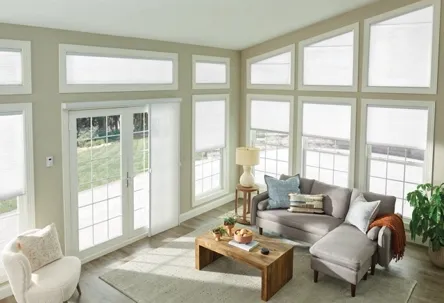
Instead of turning the room completely dark, solar shades soften intense sunlight and create more even illumination throughout the space.
That makes them especially useful in rooms with large windows, contemporary glass walls, or artwork positioned directly across from bright windows.
UV-Filtering Window Films
For homes with extensive glass, UV-filtering window film can provide another layer of protection.
Applied directly to the glass, specialized films can reduce UV transmission while maintaining the appearance of the windows. This can be particularly useful when homeowners want to preserve the architectural character of a room or maintain unobstructed views when window treatments are open.
Window film can also work as part of a larger light-management strategy rather than replacing shades altogether.
Layered Window Treatments
Some rooms require more flexibility than a single shade can provide.
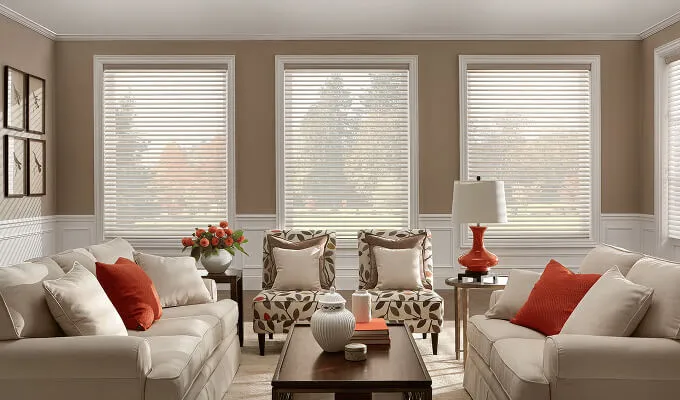
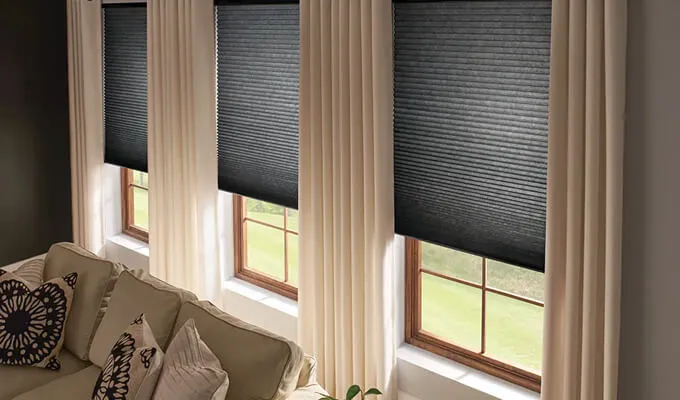
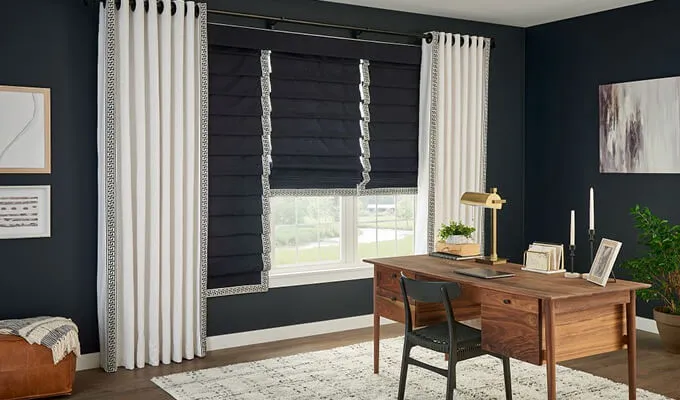
A layered approach can combine solar shades with decorative drapery, roller shades, or other window coverings. During the day, the solar shade can manage glare and direct sunlight while maintaining the view. In the evening, decorative treatments can provide additional privacy, light control, and visual warmth.
This approach works especially well in living rooms, dining rooms, primary bedrooms, and other spaces where the window treatment needs to perform both a practical and aesthetic role.
How Can Motorized Shades Help Protect Artwork?
Even the best window treatment isn’t doing much to protect your collection if it stays open during the hours when direct sunlight is hitting your windows.
That’s where motorization becomes particularly valuable.
Instead of relying on someone to remember to lower the shades, automated window treatments can be programmed to respond to schedules, time of day, or other smart-home settings.
For example, shades can be programmed to lower during periods of intense afternoon sunlight and reopen later in the day. Different windows can also operate independently based on their orientation.
A west-facing window may need significant afternoon protection, while a north-facing window may require much less intervention.
Smart automation allows your window treatments to respond accordingly.
It also means your collection can receive consistent protection when you’re away from home — whether you’re traveling, spending the weekend elsewhere, or simply out for the day.
What Window Treatment Design Strategies Work Best in Art-Focused Homes?
Protecting artwork is important, but the window treatments themselves should complement the architecture rather than compete with the collection.
Choose Neutral Fabrics
Neutral shades and fabrics can help minimize visual distraction and avoid introducing strong color casts into a room.
Soft whites, taupes, grays, and other understated tones can blend naturally with both traditional and contemporary interiors while keeping the focus on the artwork.
Consider Recessed Installation
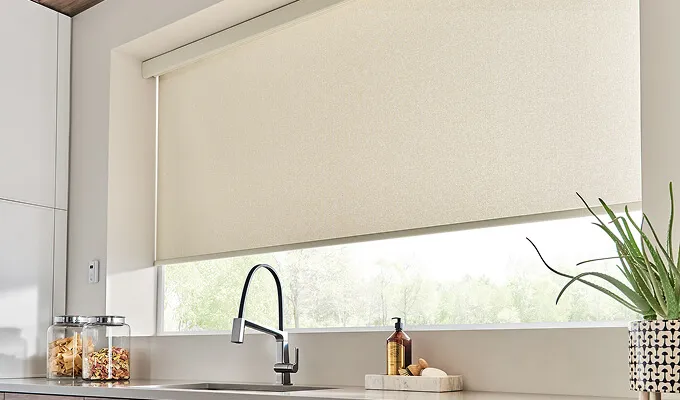
For new construction or renovations, recessed shade pockets can hide roller hardware when shades are raised.
The result is a cleaner architectural appearance, with minimal visual interruption around large windows and artwork.
This can be especially appealing in modern Fairfield County homes where clean sightlines and uncluttered interiors are part of the design.
Consider Dual-Shade Systems
A dual-shade system can provide two levels of control in one window.
For example, a solar shade can provide daytime glare and solar control while a room-darkening or blackout shade offers greater privacy and light control when needed.
This can be especially useful in rooms that transition from daytime living spaces into evening entertaining areas.
Which Rooms Should Art Collectors Prioritize?
You don’t necessarily need to treat every window in your home the same way.
Start with the spaces where valuable artwork, antiques, textiles, or furnishings are exposed to the most direct sunlight.
Living rooms with large south- or west-facing windows are often good candidates. Home offices, dining rooms, galleries, libraries, and primary bedrooms may also benefit from more precise light control.
It can also be helpful to consider where artwork is positioned relative to the windows. A piece hanging directly across from a large, sunny window may have very different exposure than artwork positioned on a shaded wall.
A professional consultation can help identify which windows deserve the most attention and what level of light control makes sense for each space.
Frequently Asked Questions
Will solar shades make my room feel dark?
Not necessarily. Solar shades are designed to filter and diffuse sunlight rather than completely block it. Depending on the fabric and openness factor you select, you can reduce glare and direct solar exposure while still allowing natural light and maintaining an outdoor view.
Can solar shades protect hardwood floors and furniture too?
Yes. The same sunlight that can contribute to fading artwork can also affect hardwood flooring, rugs, upholstered furniture, leather, wood finishes, and other interior materials. Managing direct sunlight throughout the room can help reduce long-term fading and exposure.
What openness factor should I choose?
It depends on the window, its orientation, the amount of direct sunlight it receives, and how important maintaining the view is.
A lower openness factor, such as 1%, generally provides more solar and glare control. A 3% or higher openness factor can allow greater visibility and natural light while still providing meaningful filtering.
There isn’t one ideal option for every window, which is why evaluating each room individually is important.
Do I need motorized shades?
Not necessarily, but motorization can be particularly valuable when protecting artwork is a priority. Automated shades can provide consistent daily protection without requiring you to manually adjust every window.
They can also be especially convenient for large or hard-to-reach windows.
Can I protect my artwork without giving up my views?
Yes. That’s one of the major advantages of solar screen shades. The right fabric can reduce glare and direct solar exposure while maintaining a visual connection to the outdoors.
For homeowners who chose their property in part because of its views, that balance can be essential.