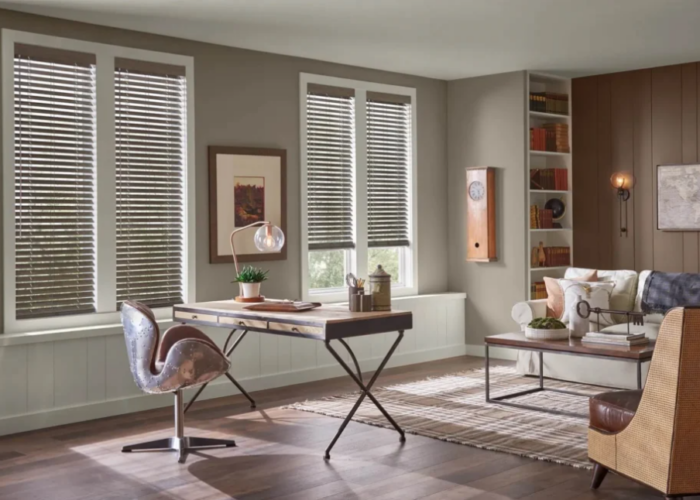
Choosing new window treatments involves a lot more than deciding between blinds, shades, or shutters. The right window coverings can improve privacy, control natural light, help manage indoor temperatures, protect furnishings from sunlight, and completely change the look of a room.
But the quality of your finished project depends on more than the product you choose. It also depends on the window treatment company helping you select, measure, customize, and install it.
Before making a decision, asking the right questions can help you understand exactly what you are purchasing and whether a company is prepared to provide the right solution for your home.
Here are some of the most important questions to ask a window treatment company before you buy.
1. Do You Offer an In-Home Design Consultation?
Window treatments can look very different in your home than they do online or in a showroom. Colors change under different lighting conditions, fabrics interact with existing furniture and finishes, and the size and shape of your windows can affect which products work best.
Ask whether the company will come to your home to evaluate your windows and discuss your needs.
An in-home consultation also gives you an opportunity to talk about factors such as:
- Privacy
- Natural light
- Room darkening
- Glare reduction
- Energy efficiency
- Interior design
- Child and pet safety
- Ease of operation
- Motorization
- Budget
Bumble Bee Blinds of Fairfield County offers in-home design consultations so homeowners can compare materials, colors, fabrics, textures, and window treatment options in the rooms where they will actually be installed.
2. Are Your Window Treatments Custom Made?
There can be a significant difference between an off-the-shelf window covering and a custom window treatment.
Ask whether your blinds, shades, shutters, or draperies will be manufactured specifically for your windows.
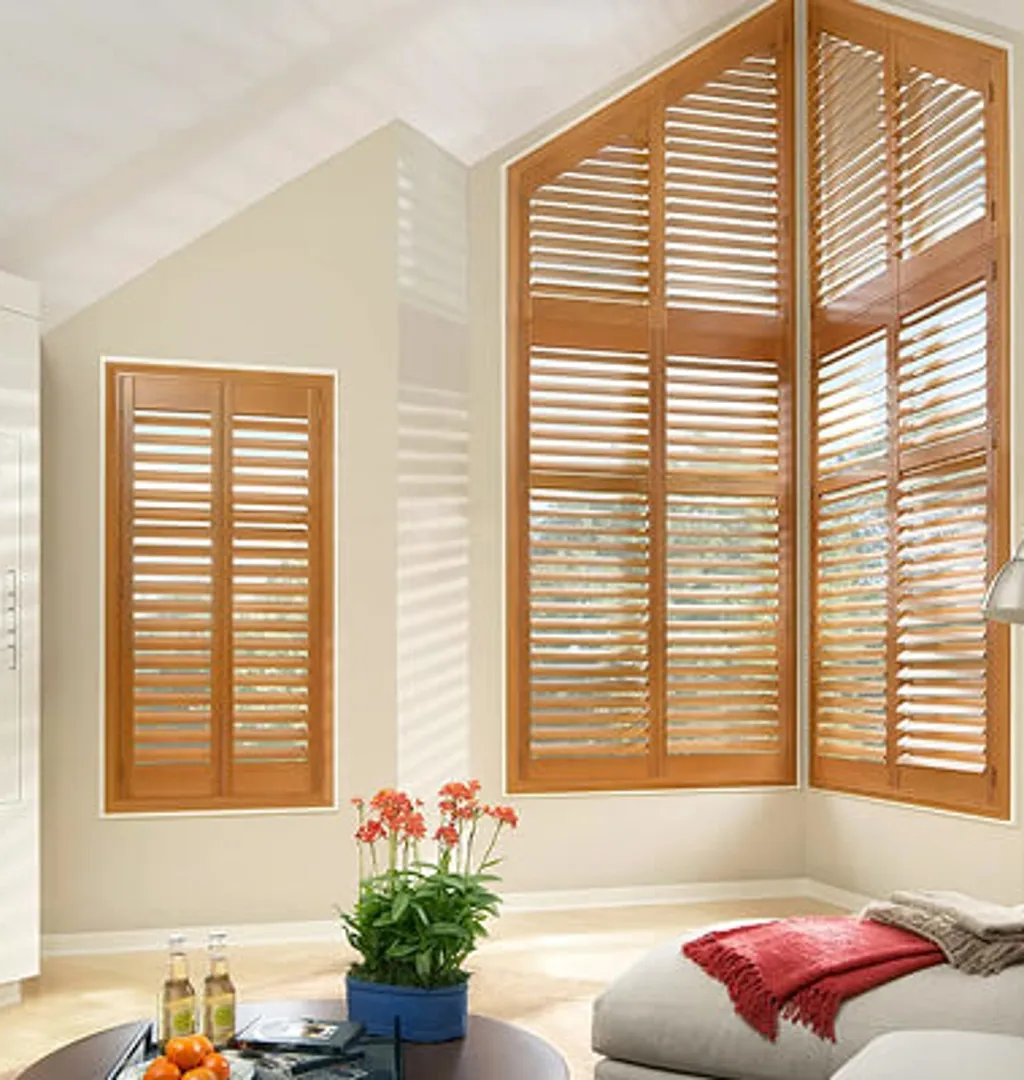
Custom window treatments can be especially important for oversized windows, bay windows, arches, specialty shapes, French doors, sliding doors, and other architectural features commonly found throughout Fairfield County homes.
Precise measurements can also help create a cleaner finished appearance and improve light control and privacy.
3. Who Measures My Windows?
Accurate measurements are one of the most important parts of purchasing custom window treatments.
Even a small measuring mistake can result in unwanted gaps, poor alignment, or a window treatment that simply does not fit correctly.
Ask whether a professional will measure your windows or whether you are expected to provide the measurements yourself.
You should also ask an important follow-up question:
Who is responsible if the measurements are incorrect?
Understanding that before ordering can prevent an unpleasant surprise later.
4. What Window Treatment Options Do You Offer?
There is rarely one window covering that is best for every room.
A good window treatment company should help you compare products based on how you actually use the space.
Depending on your needs, your options may include:
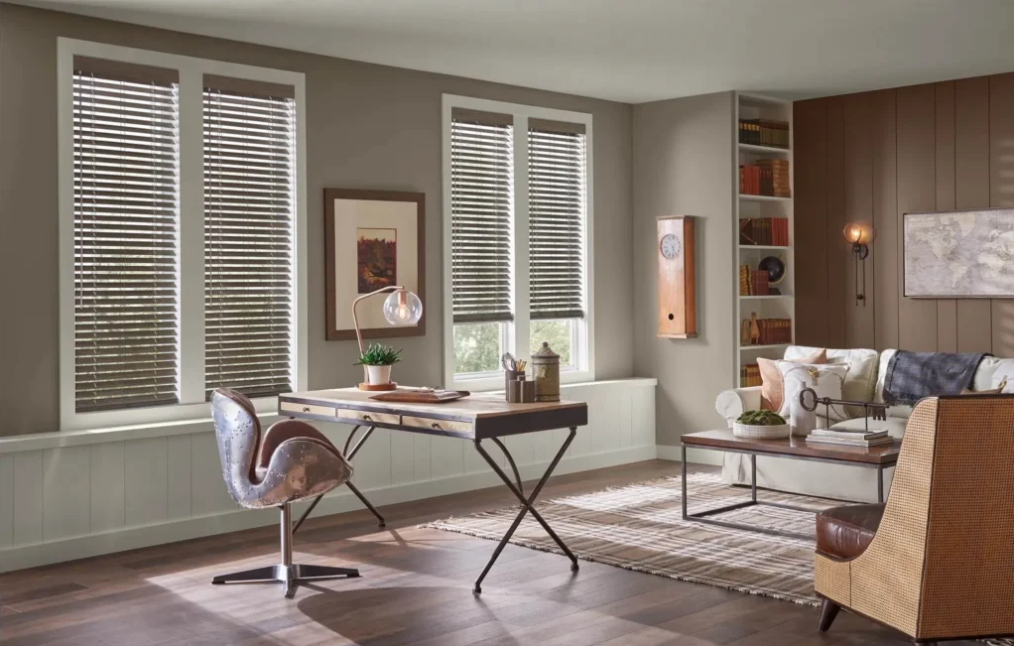
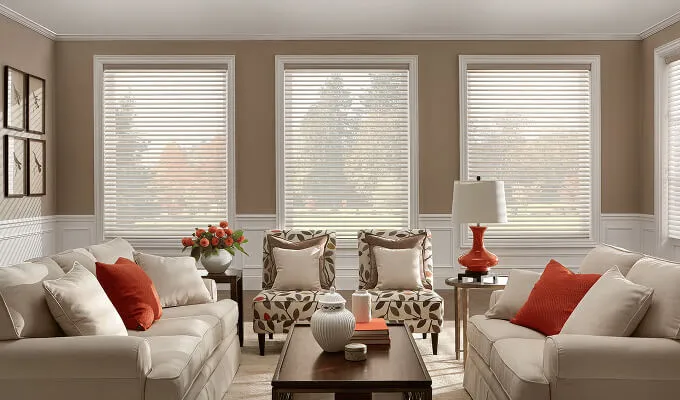
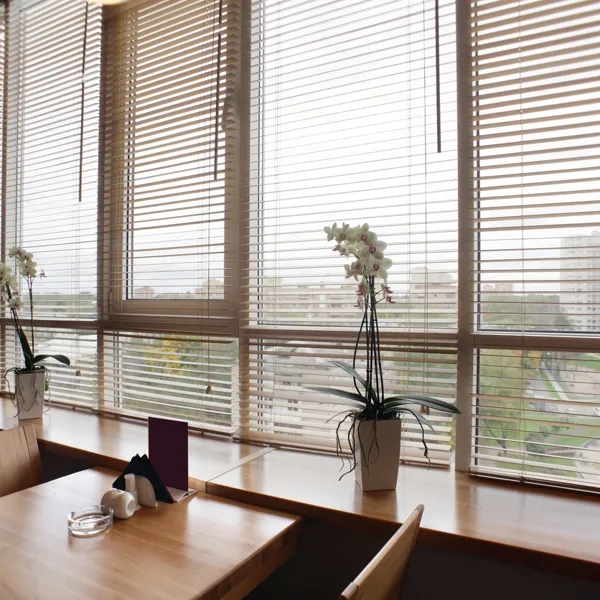
- Wood and faux wood blinds
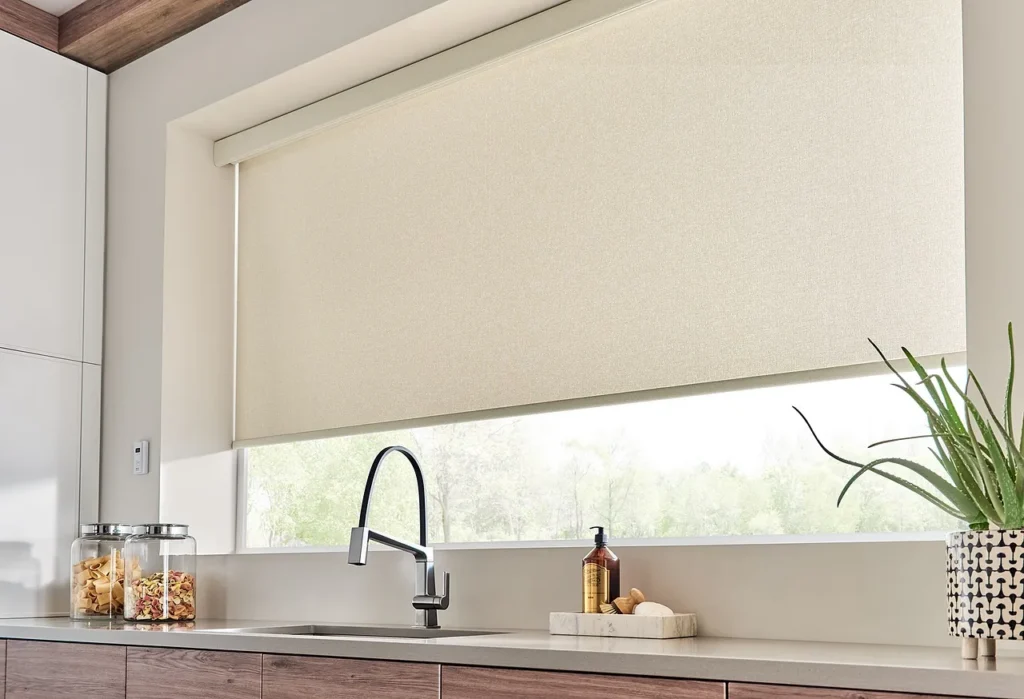
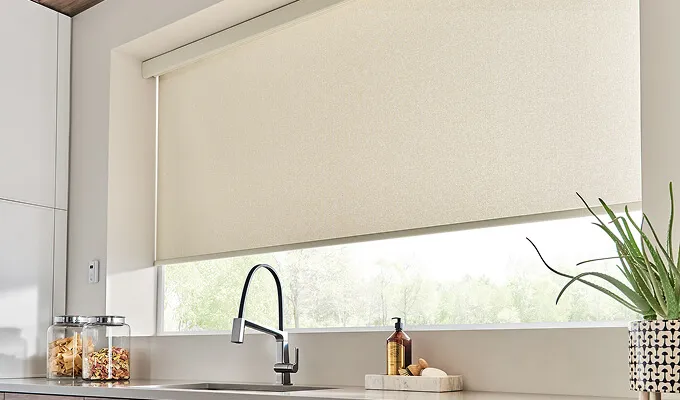
- Roller shades
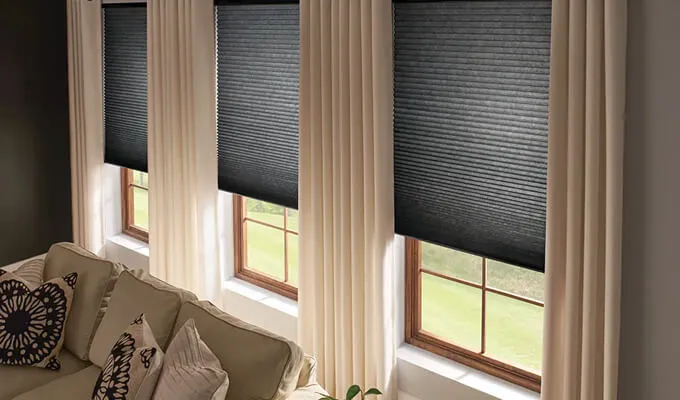
- Cellular shades
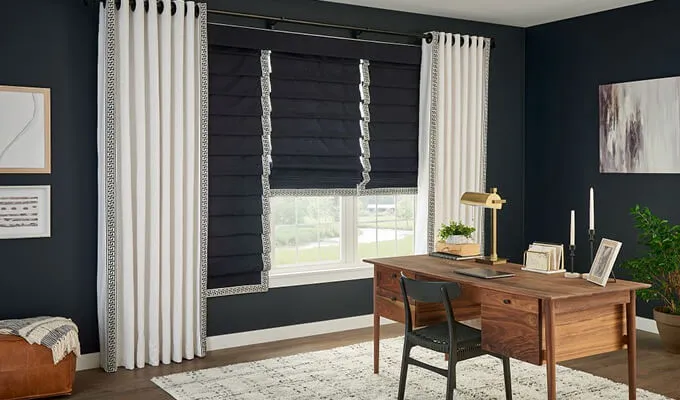
- Roman shades
- Woven wood shades
- Solar shades
- Sheer or layered shades
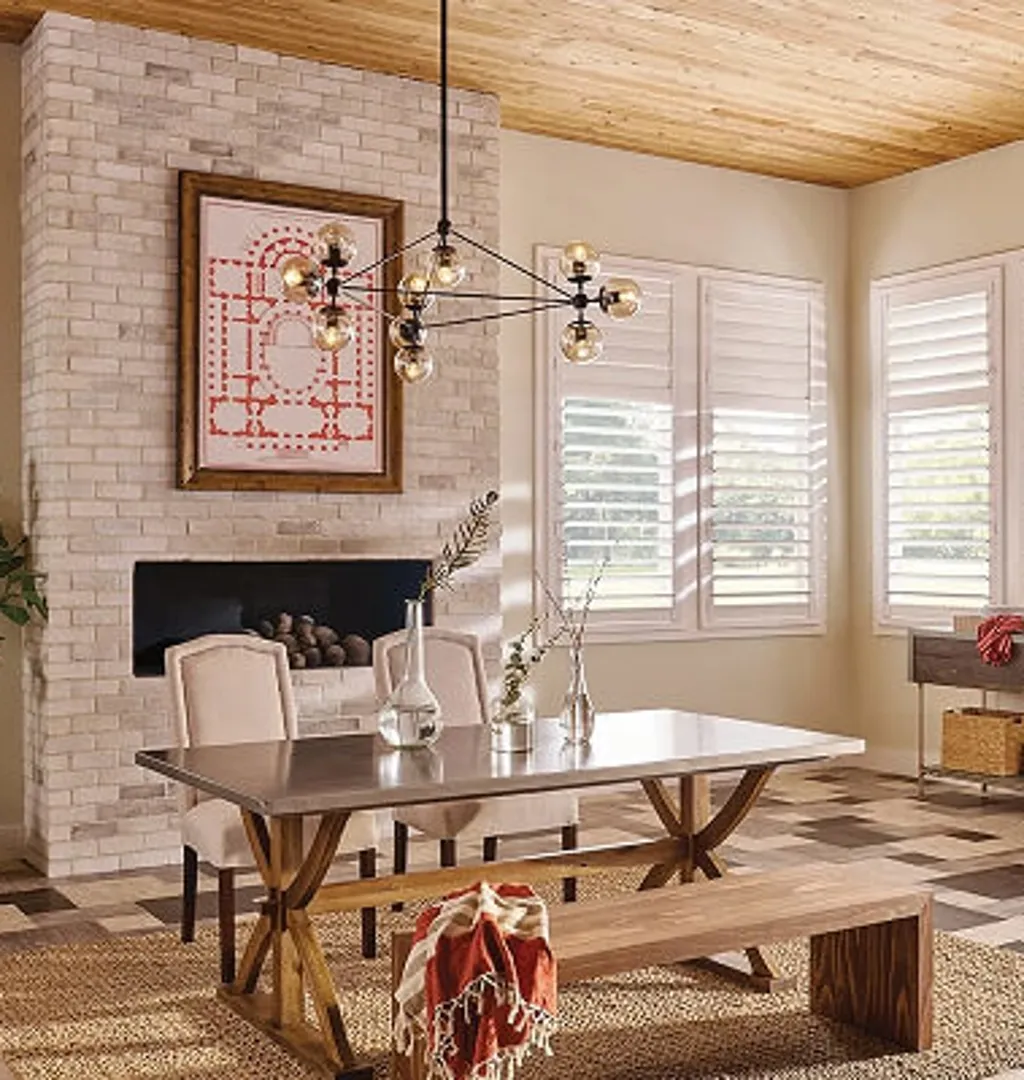
- Custom shutters
- Drapes and curtains
- Motorized window treatments
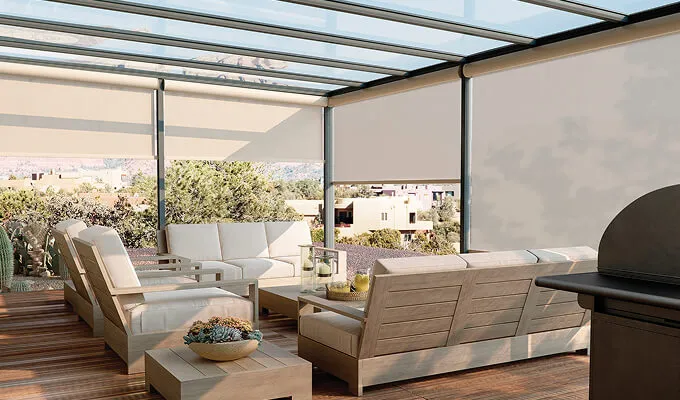
- Outdoor shades
- Specialty window coverings
Instead of simply asking, “Which one looks best?” explain what you want the window treatment to accomplish.
The best solution for a bedroom where you want darkness and privacy may be very different from the right choice for a living room where preserving natural light and an outdoor view are priorities.
5. Which Window Treatment Is Best for This Particular Room?
Your window treatment company should be able to explain why a particular product makes sense for your space.
For example, you might ask:
What would you recommend for a bedroom?
Room-darkening or blackout options may be worth considering.
What works well in a home office?
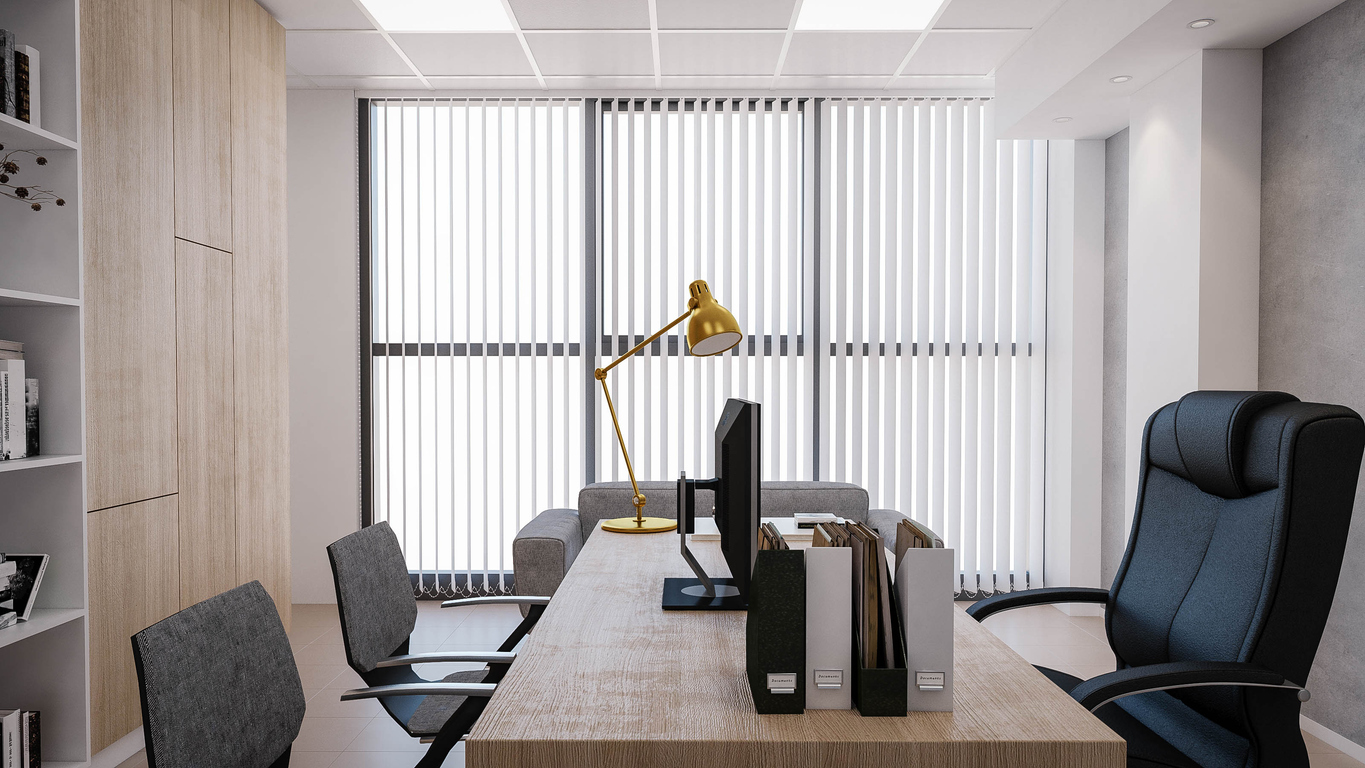
Glare control may be particularly important if sunlight reflects off computer screens.
What should I use in a bathroom or kitchen?
You may want materials capable of handling moisture and frequent cleaning.
What works for a large living room window?
You might prioritize maintaining your view while gaining better control over sunlight and privacy.
The conversation should focus on both appearance and function.
6. How Much Privacy Will I Have During the Day and at Night?
This is an easy question to overlook.
Some fabrics provide excellent daytime privacy but become much more transparent at night when the lights inside your home are on.
If privacy matters, ask the consultant to explain how the material performs under different lighting conditions.
You may also want to discuss whether combining window treatments, using a different opacity, or choosing a top-down/bottom-up configuration could provide a better balance between natural light and privacy.
7. What’s the Difference Between Light-Filtering, Room-Darkening, and Blackout?
These terms can sound similar, but they do not necessarily provide the same result.
Light-filtering materials are generally designed to soften incoming sunlight while allowing natural light into the room.
Room-darkening products significantly reduce incoming light but may not eliminate it completely.
Blackout materials are designed to provide a much darker environment, although light may still enter around the edges depending on the product and installation.
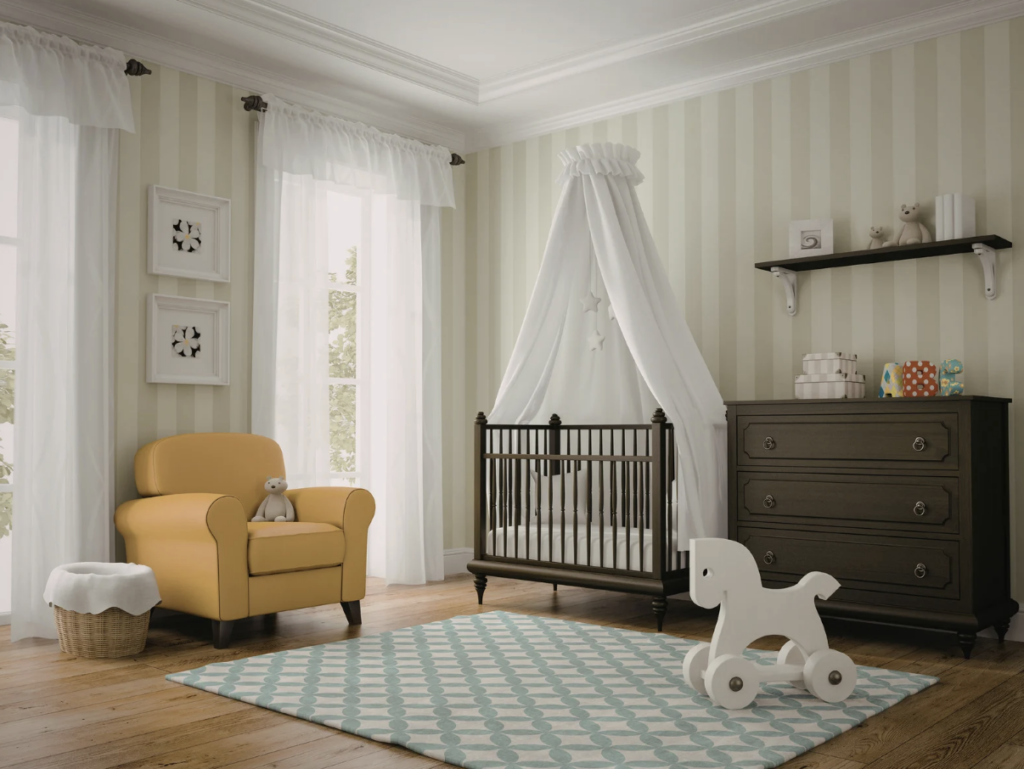
If you need a particularly dark bedroom, nursery, or media room, tell your consultant what you are trying to achieve rather than relying solely on a product label.
8. Can These Window Treatments Help With Energy Efficiency?
Fairfield County homeowners experience hot summers and cold Connecticut winters, making energy efficiency an important consideration when selecting window coverings.
Ask which products can provide additional insulation at the window.
Cellular shades, for example, use a honeycomb-style construction designed to trap air within their cells. Other properly fitted window treatments can also help manage solar heat and drafts depending on the product, material, and installation.
Window treatments aren’t a replacement for properly insulated windows, but selecting the right covering can contribute to a more comfortable room.
9. Will the Window Treatments Protect My Furniture and Floors From Sunlight?
Natural light is wonderful until prolonged sun exposure begins affecting flooring, artwork, furniture, or fabrics.
If you have rooms that receive significant direct sunlight, ask about UV protection and solar control.
Solar shades and other light-management products may help reduce harsh sunlight and glare while allowing you to retain some natural light and visibility.
Your consultant can help determine the appropriate level of openness or light filtering based on the direction your windows face and how you use the room.
10. Do You Offer Cordless and Child-Safe Options?
Safety should be part of the conversation in homes with young children or pets.
Ask about cordless operating systems and motorized window treatments that eliminate the need for traditional dangling cords.
You should also ask how each product is operated and whether there are any special safety considerations for the window treatment you are considering.
11. Can My Window Treatments Be Motorized?
Motorized window treatments aren’t just a luxury feature. They can be extremely useful for tall windows, hard-to-reach areas, large groups of windows, bedrooms, home theaters, and homeowners who simply want more convenient control.
If you’re considering motorization, ask:
- How are the shades powered?
- Is the system battery-powered, rechargeable, or hardwired?
- How often will batteries need attention?
- Can multiple shades operate together?
- Can I schedule them to open and close automatically?
- Can they be controlled remotely?
- Can they integrate with my existing smart home system?
- What happens if the motor eventually needs service?
Even if you don’t want motorization today, it may be worth asking whether your selected product gives you that option.
12. Can I See Samples in My Own Home?
Don’t choose a color based entirely on a website or small photograph.
Ask to see actual samples of the fabrics, materials, stains, and finishes you are considering.
Look at them next to your:
- Wall color
- Flooring
- Furniture
- Trim
- Cabinets
- Existing fabrics
You should also look at the sample at different times of day. A fabric that appears warm and neutral in morning sunlight may look completely different under artificial lighting at night.
13. What’s Included in the Quote?
Before comparing prices between window treatment companies, make sure you’re comparing the same things.
Ask for a clear explanation of what your estimate includes.
Depending on the project, that could include the window treatments themselves, upgraded fabrics or materials, decorative hardware, motorization, measurement, delivery, installation, removal of existing treatments, taxes, or other charges.
A lower initial quote isn’t necessarily a better value if important parts of the project haven’t been included.
14. Who Will Install My Window Treatments?
Custom products deserve professional installation.
Ask whether installation is performed by trained professionals and whether installation is included as part of the overall service.
Professional installers should make sure treatments are properly mounted, level, aligned, and operating correctly. Motorized products should also be tested, and you should understand how to operate them before the installer leaves.
Bumble Bee Blinds of Fairfield County provides professional installation as part of its full-service approach to custom window treatments.
15. What Warranty Comes With My Window Treatments?
Before purchasing, ask what happens if something goes wrong.
Find out whether your products carry a manufacturer’s warranty and whether there is separate coverage related to installation or service.
Questions to ask include:
- What does the warranty cover?
- How long does coverage last?
- Are motors covered differently from the window treatment itself?
- Who do I contact if I need warranty service?
- Will the window treatment company help coordinate a warranty claim?
Keep copies of your order information and warranty documentation after installation.
16. How Should I Clean and Maintain Them?
Different materials require different types of care.
Some window treatments can be lightly dusted or vacuumed, while certain fabrics and natural materials may require more specialized cleaning.
Ask how your particular product should be maintained and whether there are cleaning products or methods you should avoid.
Knowing this before purchasing is especially important for busy households, homes with pets, kitchens, bathrooms, and other spaces where window coverings may need more frequent cleaning.
17. How Long Will the Entire Process Take?
Custom window treatments are manufactured specifically for your project, so they generally aren’t available immediately.
Ask for a realistic timeline covering:
- Your consultation
- Final measurements
- Ordering
- Manufacturing
- Delivery
- Installation
Lead times can vary depending on the manufacturer, product, customization, and time of year.
If you’re ordering treatments as part of a renovation, move, or other project with a deadline, mention that during your initial consultation.
18. What Happens After Installation?
The relationship with your window treatment company shouldn’t necessarily end when the installer leaves.
Ask whom you should contact if you have a question, need an adjustment, experience a problem with a motorized treatment, or eventually require warranty service.
Working with a local window treatment company can make that ongoing support much easier.
Don’t Be Afraid to Ask Questions
Buying custom window treatments is an investment in your home, and you should feel comfortable asking questions before making that investment.
A knowledgeable window treatment professional should be able to explain your options, discuss the advantages and limitations of different products, and recommend solutions based on your home’s design and your family’s needs.
The goal isn’t simply to find blinds or shades that fit your windows. It’s to find window treatments that fit the way you live.
Looking for Custom Window Treatments in Fairfield County, CT?
Bumble Bee Blinds of Fairfield County helps homeowners throughout Fairfield, Westport, Stamford, Greenwich, Norwalk, Darien, New Canaan, Wilton, Ridgefield, Trumbull, and surrounding communities find custom window treatments designed around their homes.
Whether you’re considering custom blinds, shades, shutters, drapery, outdoor shades, or motorized window treatments, our team can help you compare your options and determine what works best for each space.
It all starts with an in-home design consultation. We’ll bring samples to you, discuss your goals, professionally measure your windows, and help you create a custom solution that balances style, privacy, light control, convenience, and budget.
Schedule your free design consultation with Bumble Bee Blinds of Fairfield County today and start finding the right window treatments for your home.