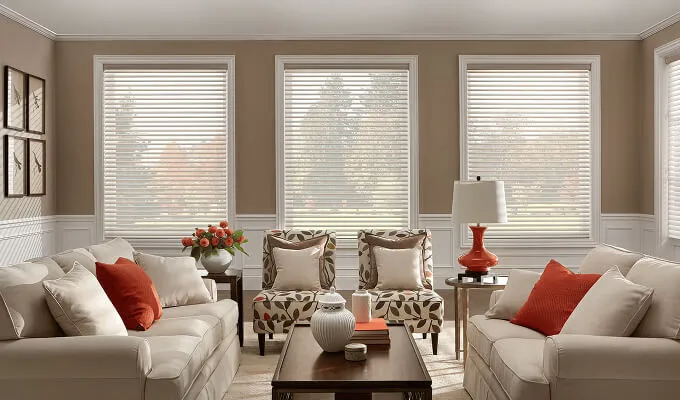
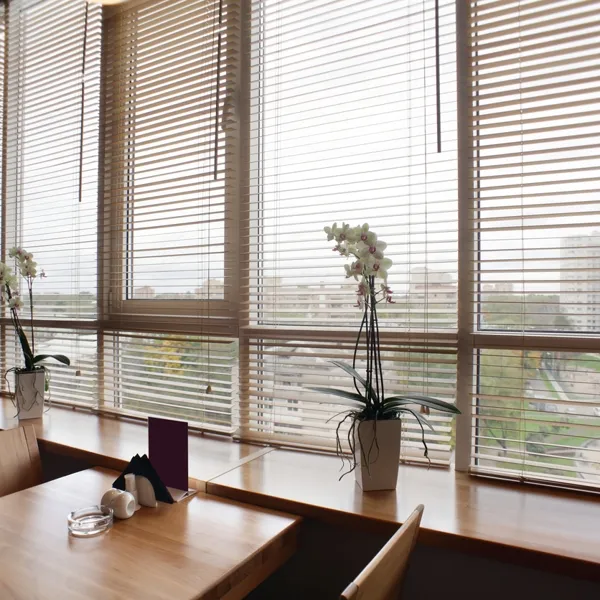
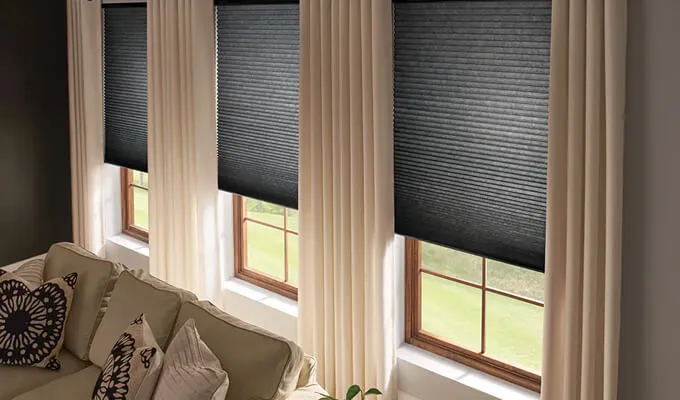
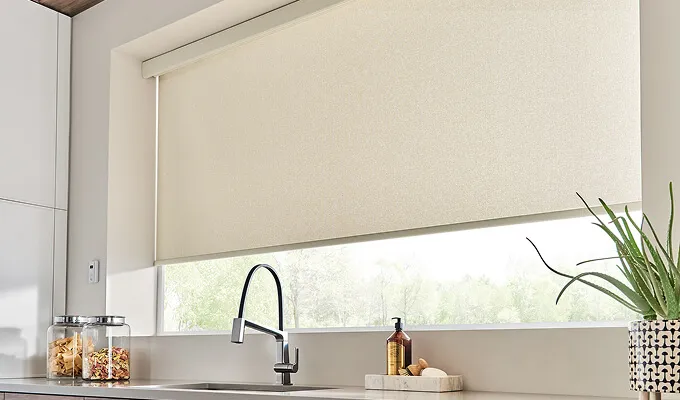
Choosing the right material for your shutters is as important as choosing the style. The material affects durability, maintenance, cost, energy efficiency, and how well the shutters hold up to the Dallas climate. Below is a detailed guide to help you select the best shutter material for your home.
Key Factors to Consider When Selecting Shutter Materials
Before picking a material, think about:
- Room usage & humidity — Will shutters be in humid areas (kitchen, bathroom) or dry areas (living room, bedrooms)?
- Sun exposure & climate — Dallas gets strong sun and heat; materials must resist warping, fading & temperature changes.
- Maintenance preference — Some materials need more upkeep; others are virtually maintenance-free.
- Aesthetic goals & budget — Natural wood gives classic elegance but at higher cost; synthetics may be more affordable and practical.
- Longevity & resale value — Quality shutters should last decades and add value to your home.
Real Wood Shutters — Classic Look with Natural Warmth
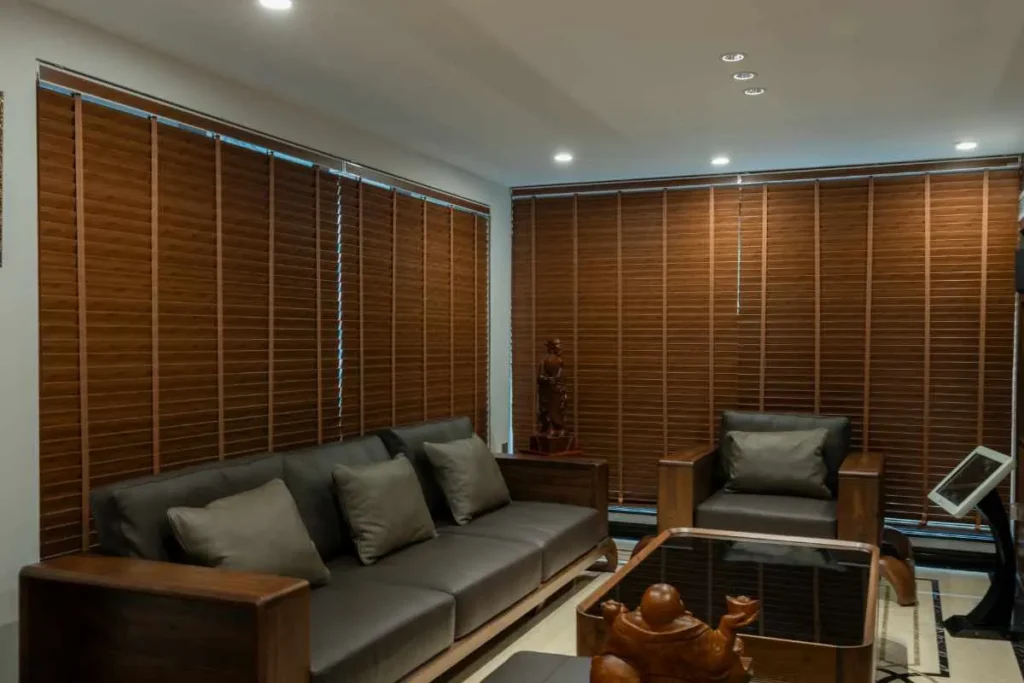
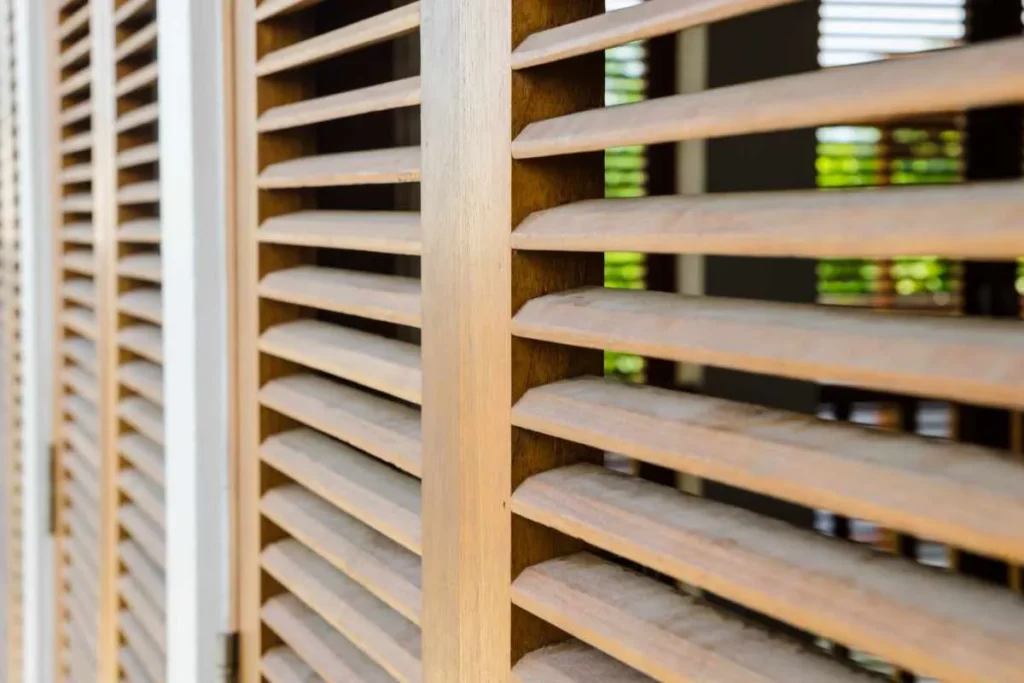
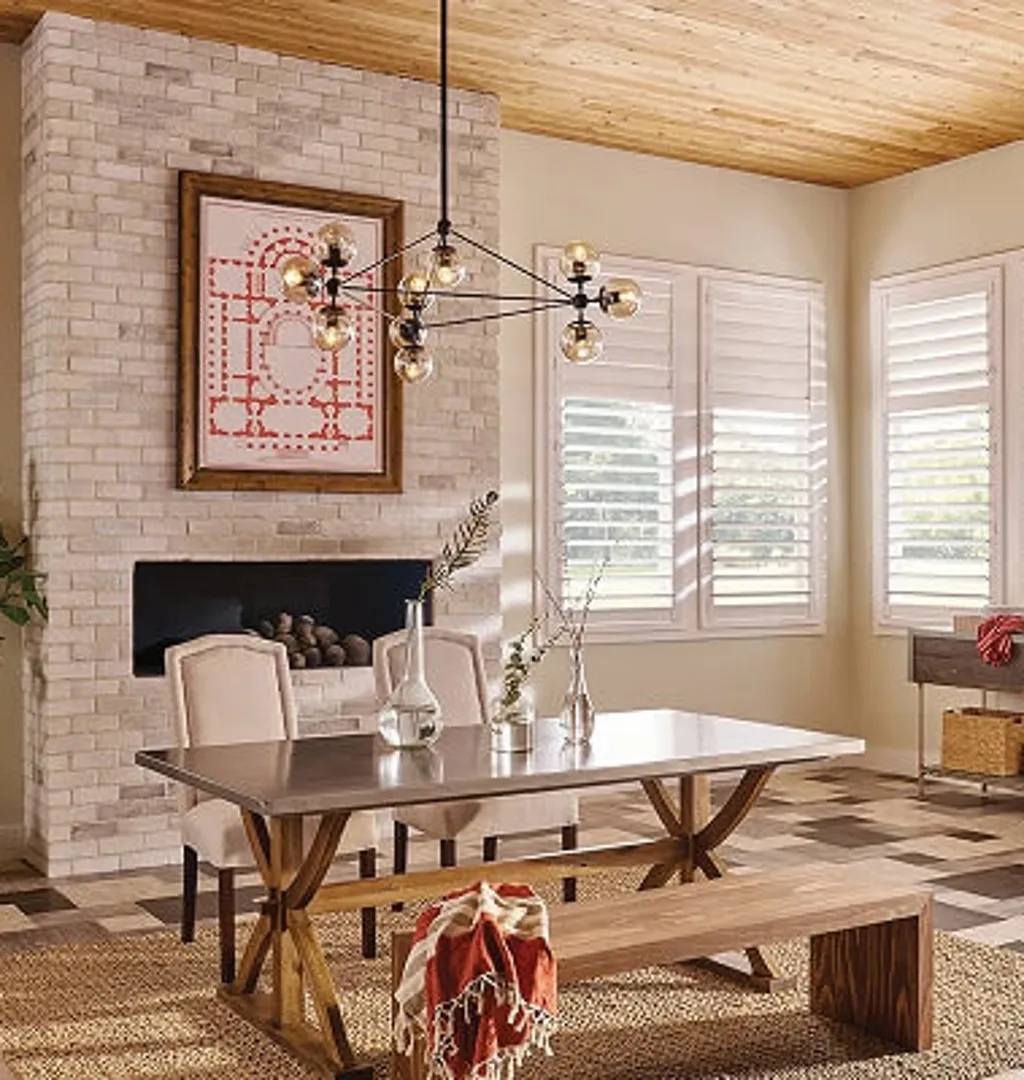
Real wood shutters offer unmatched richness and authenticity. They’re ideal if you want a timeless, warm aesthetic and a premium feel.
Pros:
- Natural grain, deep color, and premium look — great for traditional or upscale interiors.
- Good insulation properties when properly finished and sealed — helping regulate indoor temperatures.
- Customizable finishes and stains — you can match or contrast wood tone with your décor.
Cons:
- More expensive upfront than synthetic options.
- Requires maintenance — periodic cleaning and sometimes refinishing, especially if exposed to direct sunlight or humidity.
- Not ideal for humid or wet areas (e.g. bathrooms or kitchens) unless well-treated — wood can warp, crack or fade over time.
Best for: Bedrooms, living rooms, dining rooms or any space where you want elegant, classic style and are willing to maintain them.
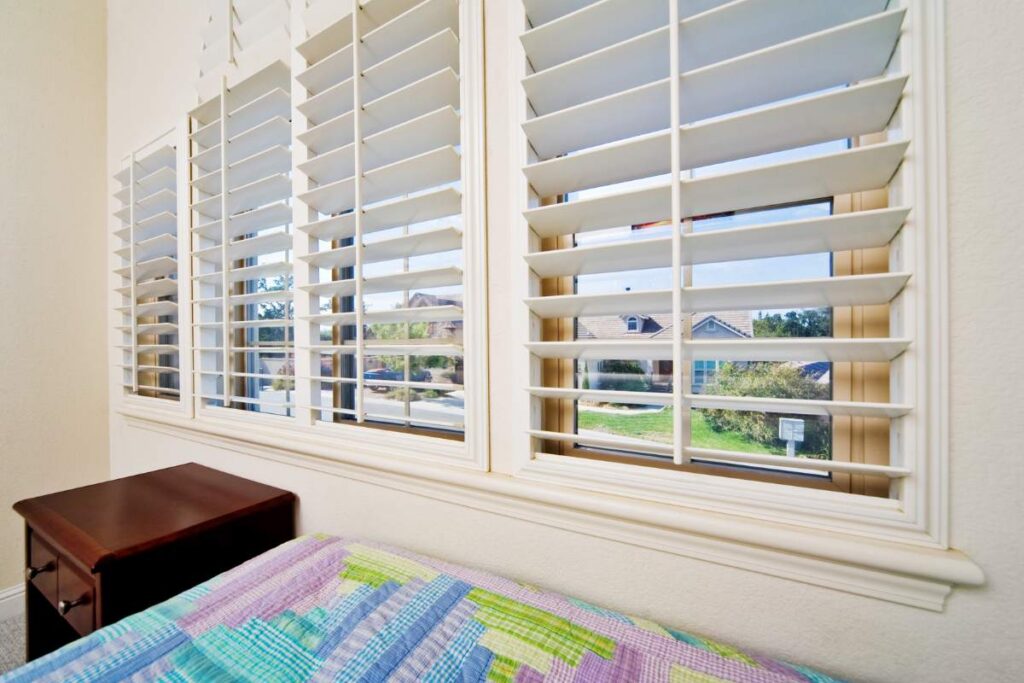
Faux-Wood or Composite Shutters — Durable & Low-Maintenance Option
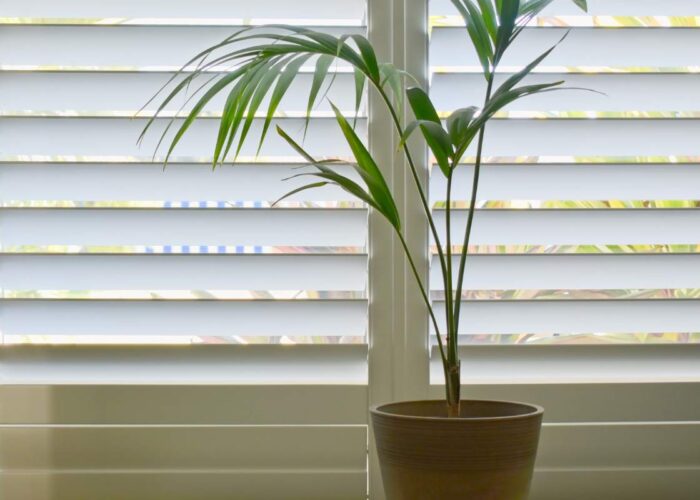
Faux-wood shutters (also called composite or synthetic wood) are crafted from engineered materials designed to mimic real wood, but with enhanced durability.
Pros:
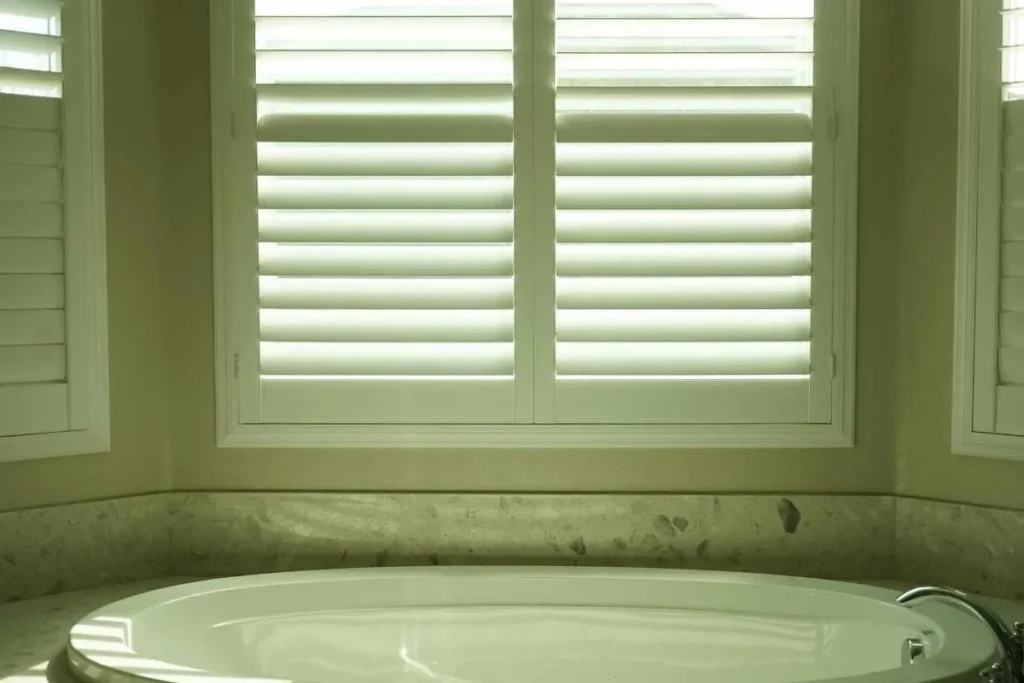
- Highly resistant to moisture, warping, cracking or fading — ideal for humid rooms like kitchens or bathrooms.
- Lower maintenance — easy to clean with a damp cloth, no special treatments needed.
- Lightweight yet durable — easier to install, even for large or custom windows.
- More affordable than solid wood for comparable durability.
Cons:
- Appearance may feel less “authentic wood” than real wood (though high-quality versions can look very convincing).
- Limited in some custom staining or finishing options compared to natural wood.
Best for: Kitchens, bathrooms, laundry rooms, children’s rooms, high-traffic areas — basically anywhere where moisture, durability, and low maintenance are priorities.
Materials to Avoid or Use Cautiously in Dallas
- Untreated cheap wood — may warp or crack under intense sun and heat.
- Materials not rated for humidity — avoid in bathrooms/kitchens unless explicitly designed for moisture resistance.
- Very lightweight plastics — may fade or become brittle over time with sun exposure.
Matching Material to Room & Use — Quick Guide
| Room / Use Case | Recommended Material |
| Living room, bedroom, dining room (climate-controlled) | Real wood (traditional, premium aesthetic) |
| Kitchen, bathroom, laundry room, high humidity areas | Faux-wood / composite (moisture-resistant, easy maintenance) |
| Large windows / custom shapes / ground floor | Faux-wood or composite (lightweight, durable) |
| Budget-sensitive facade | Faux-wood (cost-effective yet functional) |
| Classic/traditional décor, high-end finish | Real wood shutters |
Additional Tips for Dallas Homeowners
- If you choose real wood, consider sealed or UV-protected finishes to resist fading from strong Dallas sunlight.
- For rooms exposed to humidity or frequent temperature changes — use faux-wood or composite shutters for longevity.
- For maximum benefit (insulation + aesthetics), consider custom shutters to ensure precise fit and better energy performance.
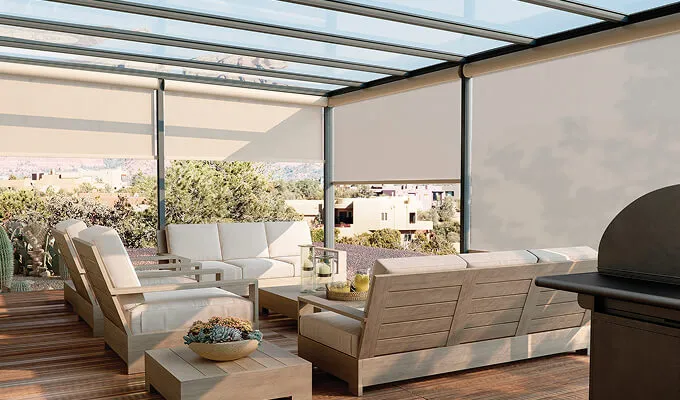
- Pair shutter installation with smart window treatments (like motorized or automated options) for convenience in large windows or hard-to-reach areas.
Conclusion — Choose Based on Your Home, Lifestyle & Goals
There’s no one-size-fits-all when it comes to shutter materials. The best choice depends on your home’s layout, the room’s function, how much maintenance you want to do, and the style you’re aiming for.
- Want classic elegance and willing to maintain? → Go with real wood shutters.
- Need durability, low maintenance, and moisture resistance? → Choose faux-wood/composite shutters.
For Dallas homeowners, a blend often works best: real wood shutters where maximum aesthetic and resale value matter, and faux-wood shutters in moisture-prone or high-use areas.