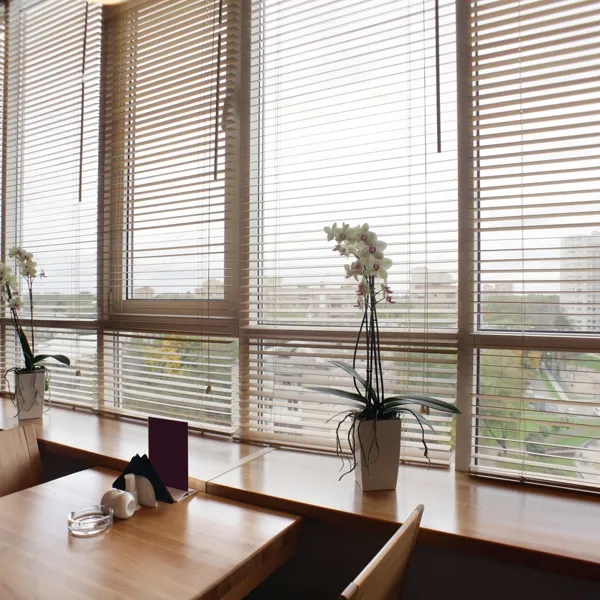
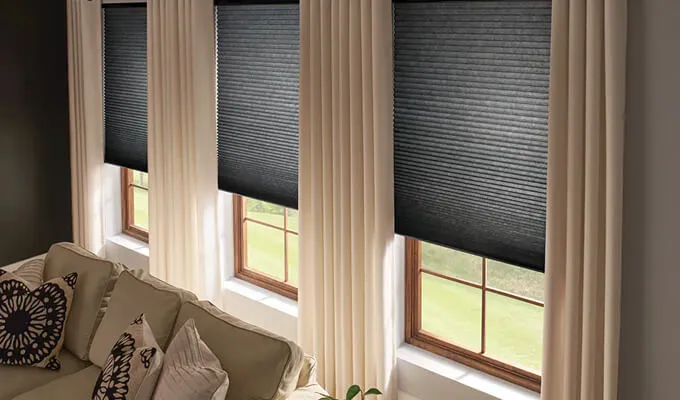
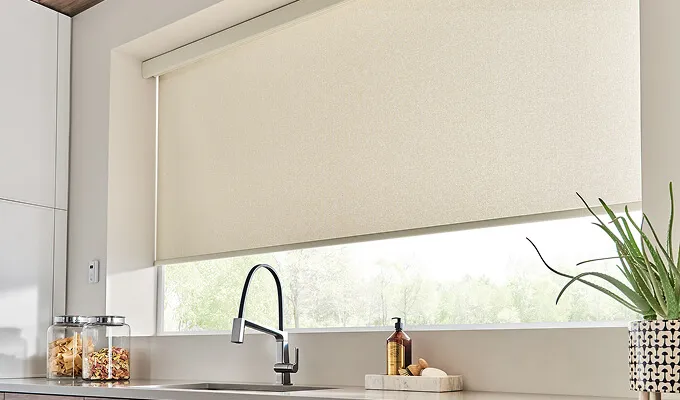
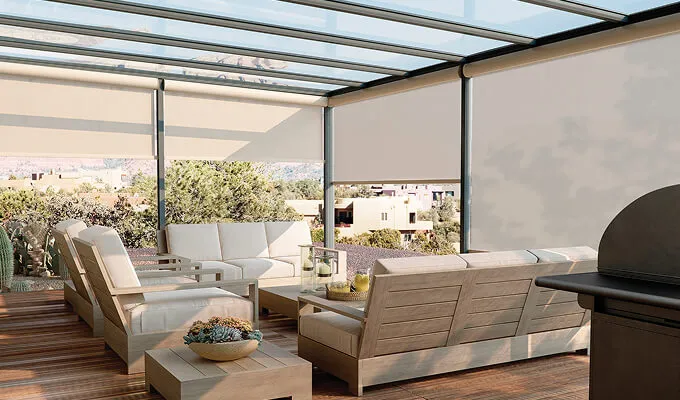
Faux Wood Blinds in Charleston SC
A Charleston room can look finished at 9 a.m. and feel completely different by 3 p.m. once the sun swings around, the humidity settles in, and every hard surface near the windows starts reflecting heat and glare. In this part of SC, faux wood blinds earn their place for practical reasons as much as decorative ones. They give Charleston homeowners and property managers a clean, architectural look that feels familiar in coastal interiors, but they also stand up well where moisture, frequent use, and bright light expose the limits of cheaper window blinds.
Bumble Bee Blinds of Lowcountry serves Charleston with custom faux wood blinds designed around the realities of the home itself. That could mean a downtown Charleston kitchen with uneven trim, a James Island rental property that needs durable window coverings between tenants, or a newer Charleston home in a growth corridor where dozens of windows need to be outfitted in one coordinated installation. Faux wood blinds charleston SC homeowners choose tend to work best when they are measured carefully, matched to the room, and installed with the finish level of a custom window treatment rather than a quick retail fix.
Why faux wood fits Charleston better than many people expect
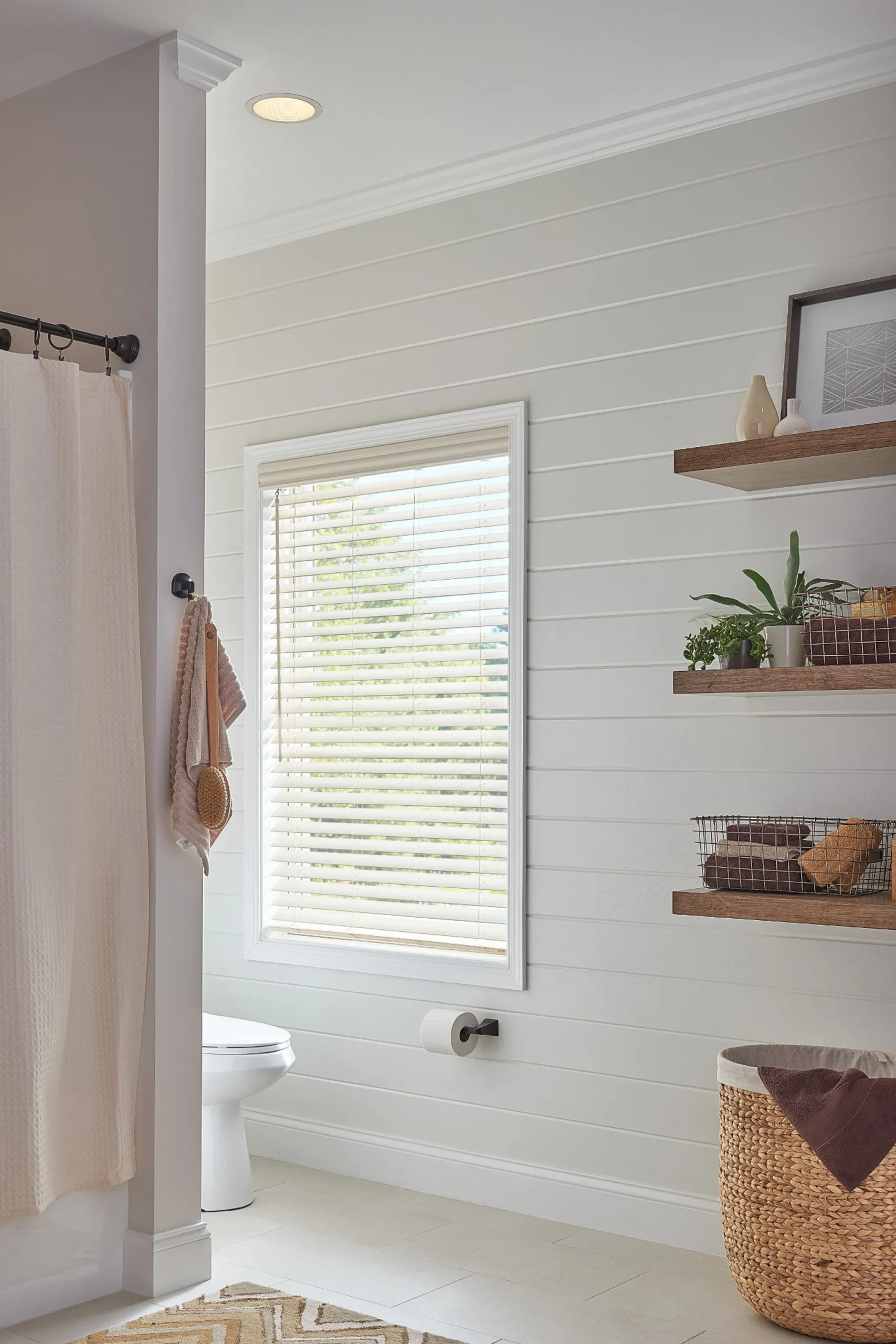
Some window treatments look wonderful in a sample book and become a headache once they meet Charleston’s climate. Real wood blinds and genuine wood blinds can be beautiful, especially in formal spaces, but not every room rewards that choice. In bathrooms, laundry rooms, kitchens, and windows close to marsh humidity or porches that stay open half the year, faux wood blinds usually make more sense because they resist moisture and are easier to maintain.
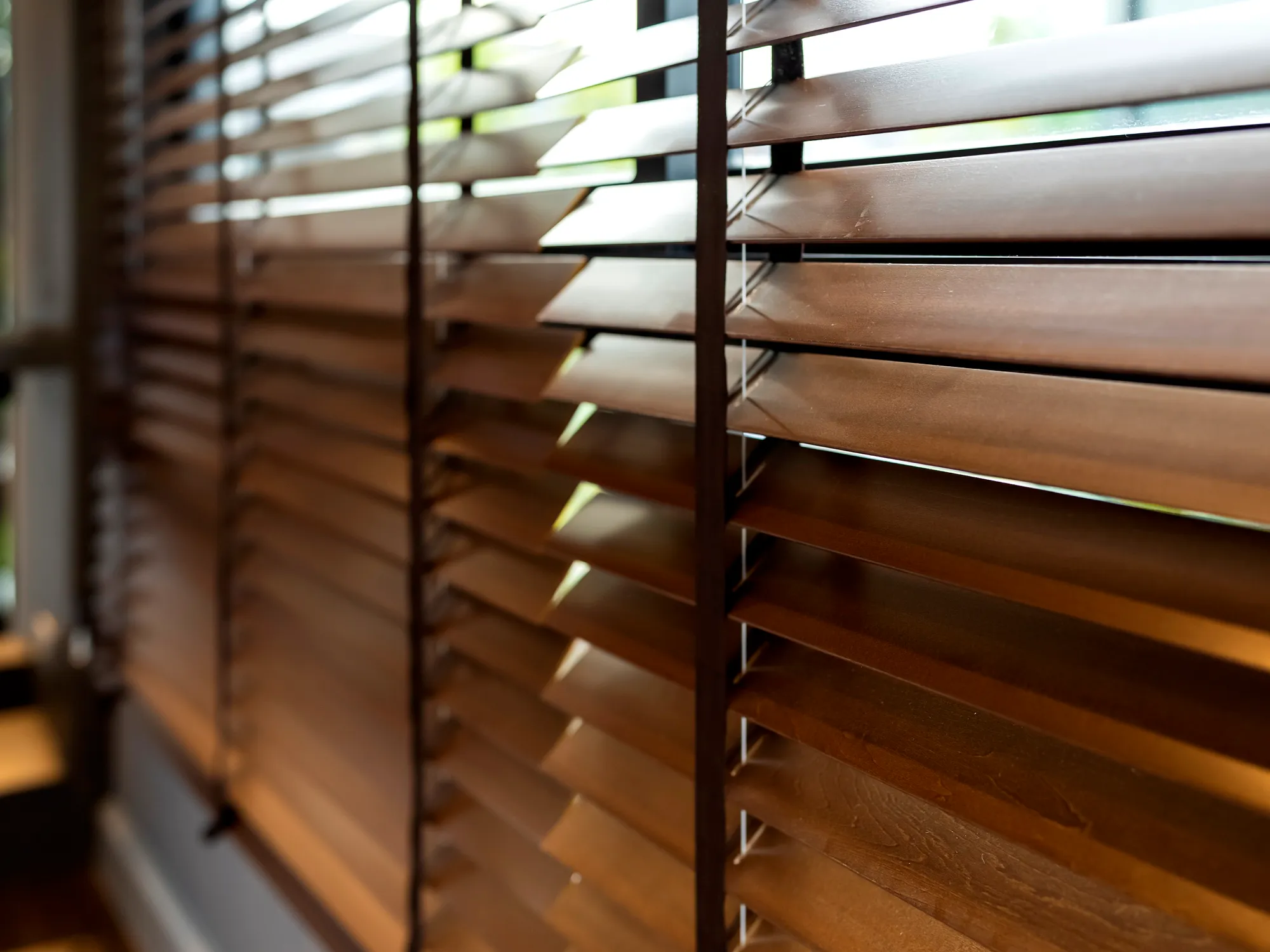
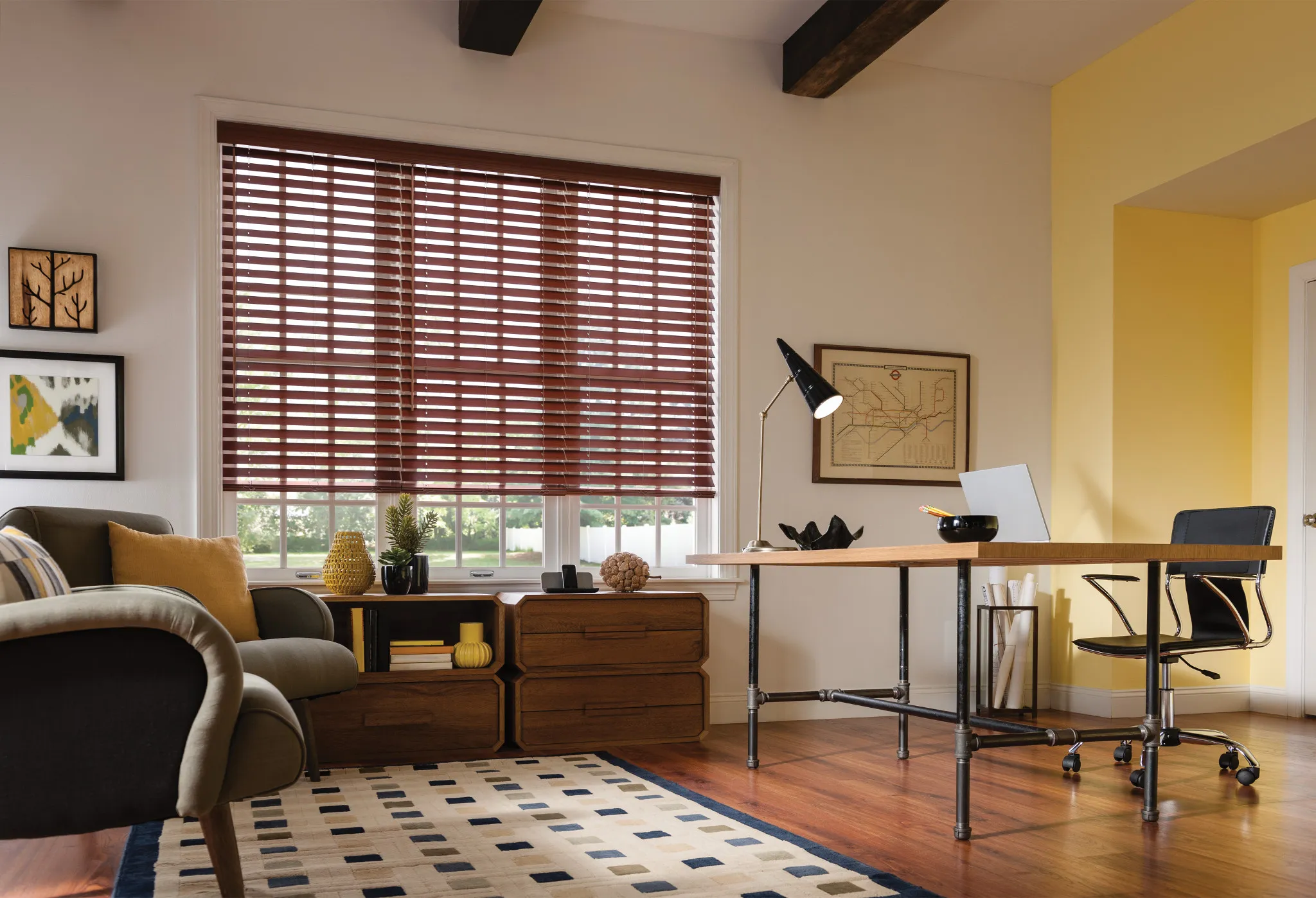
That is a big reason faux wood remains such a strong category in Charleston SC. The look still echoes painted wood trim and classic Southern interiors, but the material is more forgiving. It can resist warping better than some real wood options in damp rooms, wipes clean more easily after cooking splatter or everyday dust, and gives homeowners a cost effective way to cover more windows without feeling like they settled for something flimsy.
A city with both custom-fit headaches and whole-home demand
Charleston is large enough, affluent enough, and active enough in housing to create steady demand for made-to-measure blinds rather than one-size-fits-most products. That matters for faux wood blinds because these are often selected not for one accent room, but for an entire Charleston home, a newly purchased property, or a rental property that needs dependable window coverings throughout.
That homeowner base helps explain why custom window blinds stay relevant here. In a city with more than 68,000 households and a median household income above $92,000, many buyers are not just looking for the cheapest blinds they can find. They are trying to choose window treatments that fit their budget, hold up, and look intentional in living rooms, bedrooms, bathrooms, and family spaces they use every day. Faux wood blinds sit in that practical middle ground: affordable compared with some premium wood blinds, but still polished enough to feel like a real upgrade.
Older houses and newer builds call for different faux wood blind strategies
Charleston does not have one housing story. It has old in-town homes with quirks, mid-century houses with replacement windows, and newer subdivisions where buyers may need new window blinds for a full house all at once. That split changes how faux wood blinds are selected and installed.
In older homes, the challenge is often fit. Window openings can be slightly out of square, trim depth can vary, and standard big-box sizes do not always land where they should. In newer homes, the issue is scale. Homeowners may need blinds for twenty windows, a coordinated look across open-concept rooms, and a package that keeps the entire process simple.
Charleston has a meaningful share of older homes that often need custom sizing, but nearly half of the housing stock is also modern enough to drive whole-home blind packages.
For someone choosing faux wood blinds in Charleston SC, that mix matters. A peninsula property may need custom window solutions for only a handful of nonstandard windows. A Johns Island or West Ashley home built more recently may need a whole-home plan with consistent slat sizes, cordless operation, and a budget that can stretch across many rooms. The product is the same category, but the design consultation should not be the same conversation.
Faux wood blinds versus real wood blinds in coastal conditions
There is no reason to pretend faux wood replaces real wood in every setting. Real wood blinds and genuine wood blinds still have a warmth that many people love, especially in studies, dining rooms, or formal living rooms where moisture is less of a concern and the room calls for natural grain. But Charleston’s coastal climate changes the equation. Salt air, damp summers, and routine humidity make material choice less about romance and more about where the blinds will actually live.
Faux wood blinds are often the smarter pick in bathrooms, kitchens, children’s rooms, and coastal properties that stay occupied year-round or rotate through tenants. They can deliver the painted-wood look many Charleston property owners like while helping resist moisture in spaces where real wood can be more temperamental. For households trying to balance beauty, functionality, and budget, mixing materials room by room is often more sensible than forcing the same product everywhere.
The rooms where faux wood blinds tend to outperform
Some products are best judged by how they behave in everyday rooms, not by how they photograph in a showroom. Faux wood blinds usually shine in the practical zones of a house. Bathrooms need privacy and easy cleaning. Kitchens need window coverings that can handle humidity, cooking residue, and daily use. Playrooms and family-heavy spaces need blinds that can take a little abuse without looking tired after one season.
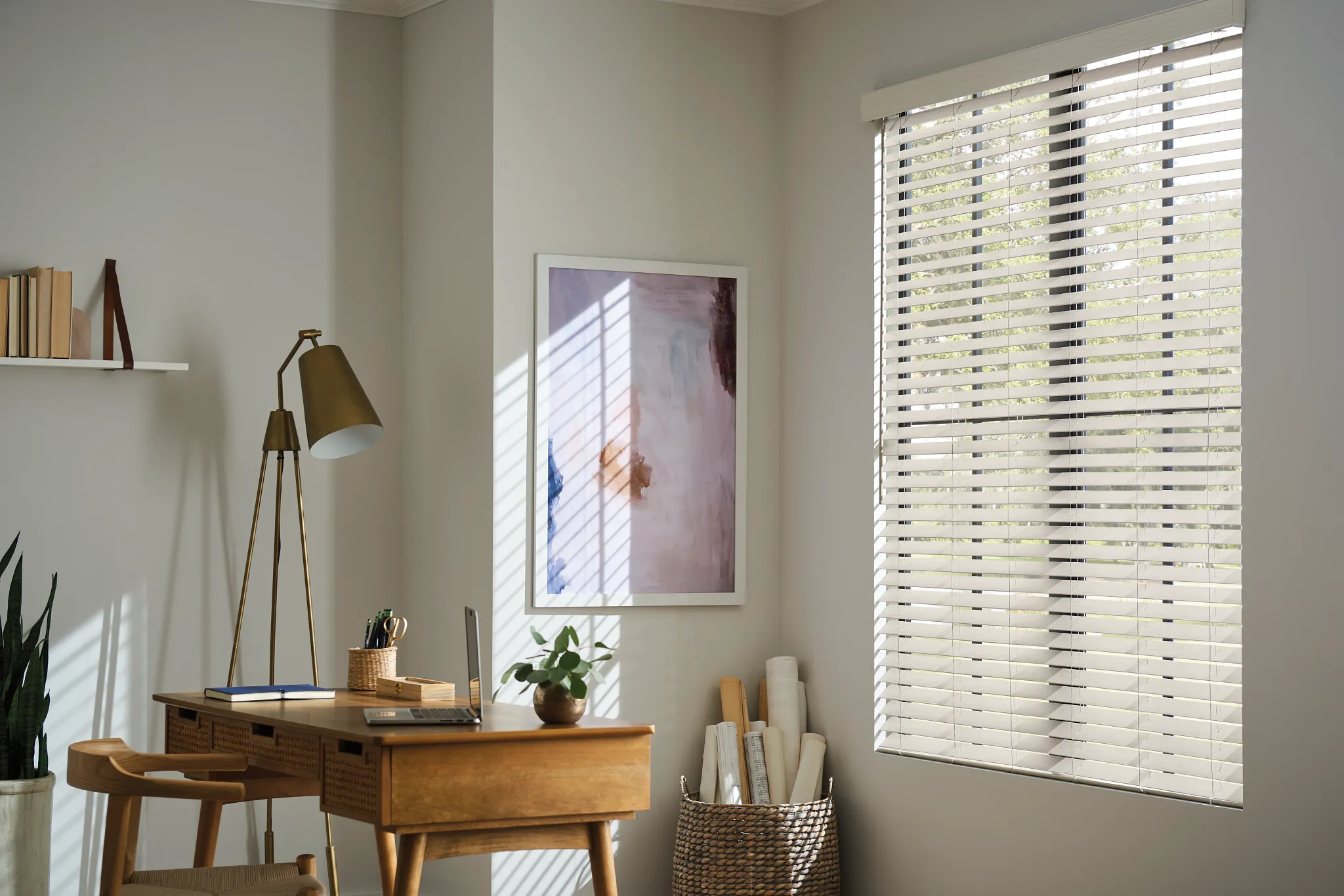
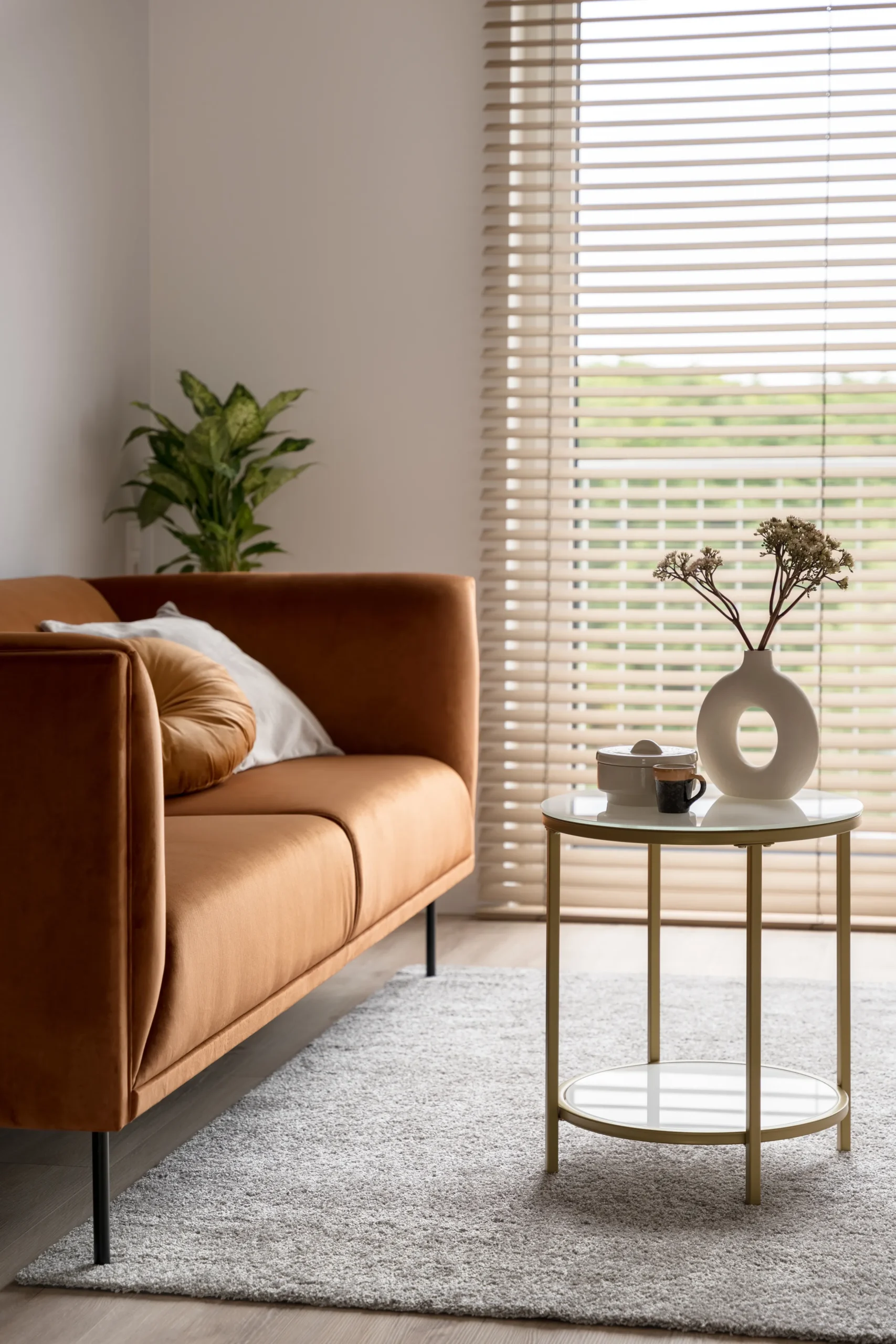
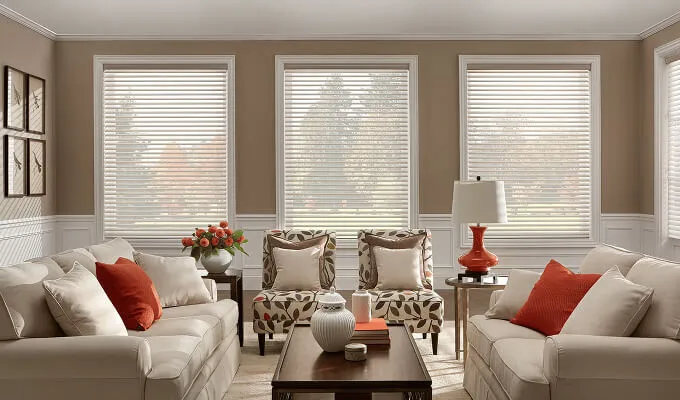
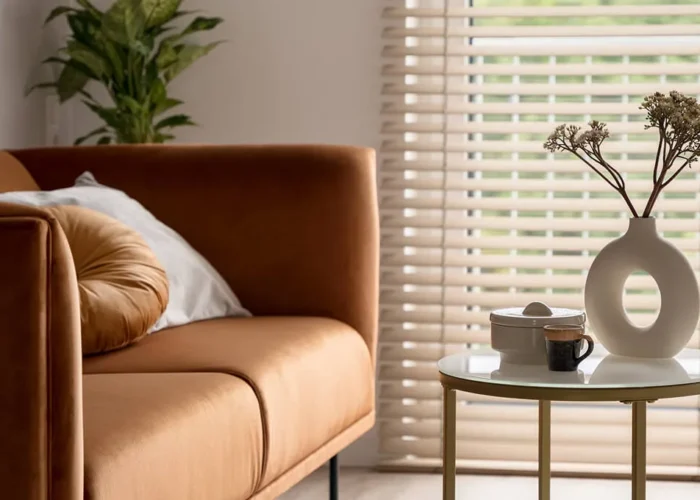
This is where slat sizes, finish color, and lift style start to matter. Wider slat sizes can feel a bit more substantial in larger rooms or on bigger windows, while narrower slat sizes may suit tighter openings. Cordless blinds add safety for children and pets, and they also make the room look cleaner. In many Charleston homes, the best faux wood blind selection is not the trendiest one. It is the one that fits how the room actually gets used on an ordinary Tuesday.
Rental property owners often need durability more than drama
A rental property has a different job description than an owner-occupied home. The goal is not to create the most layered, design-forward room in Charleston. It is to install window blinds that look neat, hold up to turnover, and are easy to clean, operate, and replace consistently if needed. That is one reason faux wood blinds are such a common solution for rental property updates across North Charleston, West Ashley, and James Island.
Property managers and landlords often need repeatable choices. A faux wood blind with a simple white or off-white finish works in many styles of interiors, from older apartments to newer single-family rental property homes. Vertical blinds or coordinated vertical blind systems may also make sense for sliding glass doors leading to patios or fenced yards. In that context, faux wood is not only about style. It is about reducing maintenance friction while still giving incoming tenants a clean, stylish space.
That same logic applies to move-in-ready resale homes. Sellers often refresh flooring, paint, and fixtures, but dated or mismatched window coverings can still make the house feel unfinished. New faux wood blinds can tighten up the look quickly, especially when a homeowner wants something broadly appealing that supports resale without blowing up the budget.
Handling wide windows, patio doors, and sliding glass doors
One of the most overlooked planning issues is how faux wood blinds will relate to large openings. A Charleston home may have standard bedroom windows in front and then a broad set of sliding glass doors facing a patio, marsh view, or backyard. That is where a single-product mindset can break down. Horizontal blinds may work beautifully on the windows, but a different treatment may perform better at the door.
This is why a design consultation matters. The goal is not to force every opening into the same category. It is to coordinate the look. Faux wood blinds on adjacent windows can pair with vertical blinds, sliding panels, or even roller shades at the door, depending on access, traffic flow, and how much light control the room needs. In open layouts around Mount Pleasant, Johns Island, and newer Charleston neighborhoods, this coordinated approach usually looks more finished than trying to make one treatment do every job.
What custom sizing changes in downtown Charleston and older neighborhoods
In downtown Charleston and other older pockets of the city, trim details and window conditions can make off-the-shelf blinds look slightly wrong even when they are technically close. The gap is off. The stack feels bulky. The headrail sits awkwardly against old molding. These are small things until they are installed across multiple windows and the room never quite settles visually.
Custom measuring changes that outcome. It helps determine whether an inside mount or outside mount will look cleaner, whether the window has enough depth for the chosen blinds, and how to keep lines consistent when the house itself is not perfectly uniform. Faux wood blinds are often selected because they are practical, but in older Charleston homes they can also look surprisingly architectural when the installation is precise.
Budget is not just price, it is how far the product has to stretch
People often talk about budget as if it only means choosing a lower number. In reality, budget in Charleston usually means deciding what the blinds must accomplish for the money. A household may need to cover a few priority rooms now and finish the rest later. Another may want one dependable product across the full home. A rental property owner may care more about replacement consistency than decorative upgrades. Those are different budget questions.
Faux wood blinds remain attractive because they are typically more affordable than some real wood blinds while still offering the look of painted wood blinds and strong day-to-day functionality. They can also support energy efficiency to a degree by helping manage light and heat at the window, especially in bright rooms that take hard sun. The best recommendation is not always the most expensive material. It is the one that matches the room, the household, and the long-term plan.
Design guidance matters more than the product label
It is easy to compare blinds online as if the only decision is faux wood versus real wood. But most Charleston projects involve more variables than that. The right slat sizes, color temperature, mount style, tilt preference, and room-by-room consistency can change whether the finished result feels builder-basic or tailored. The same faux wood blind can look ordinary in one room and exactly right in another depending on those details.
That is where Bumble Bee Blinds of Lowcountry brings real value. The design consultation is built around the actual space, not a guess from a screen. Homeowners can compare countless styles, materials, and operating options in the room itself, with the home’s light, furniture, trim color, and wall color all in view. That makes it much easier to choose between faux wood blinds, wood blinds, shutters, shades, or a combination that better fits the house.
Serving Charleston neighborhoods with different blind priorities
Charleston never behaves like one uniform market. Downtown Charleston tends to bring more custom-fit questions, older windows, and design-sensitive interiors. North Charleston often includes practical updates, rental property needs, and homes where durability matters as much as appearance. West Ashley and James Island frequently mix established neighborhoods with everyday family living, where faux wood blinds make sense in kitchens, bathrooms, and living rooms. Johns Island and newer growth areas bring more whole-home installation projects tied to recent purchases or new construction.
That local spread matters because Charleston property owners are not all solving the same problem. Some want a polished replacement for aging vertical blinds. Some need motorized blinds in a hard-to-reach stairwell window but faux wood for the rest of the house. Some are comparing shutters, roller shades, and faux wood as part of a broader custom window treatment update. A team that regularly serves Charleston SC can help sort those decisions without turning the process into guesswork.
A straightforward path from measuring to installation
Good blinds are partly about materials and largely about execution. The measurements need to be right. The recommendations need to reflect the room. The installation needs to look clean and operate smoothly. That sounds obvious, but it is exactly where many projects go sideways when homeowners try to piece together window coverings from multiple sources.
Bumble Bee Blinds of Lowcountry keeps the entire process simple: schedule a free design consultation, review options in the home, get recommendations shaped around individual needs and budget, and move toward professional installation with fewer surprises. Whether the project involves a single bathroom, a full Charleston home, or a rental property refresh with multiple windows and sliding glass doors, the advantage is the same. The result should look like it belongs in the space.
Faux wood blinds that make sense for the way Charleston lives
Charleston asks a lot from a blind. It needs to handle light, humidity, family traffic, and the wear that comes from rooms being truly lived in. Faux wood blinds continue to work here because they answer those practical demands without giving up the clean, familiar look people want from wood-style window treatments.
If you are weighing faux wood blinds for a Charleston SC property, the next step is not to guess from a thumbnail image. It is to see samples, compare options in your own light, and get a recommendation based on the windows you actually have. Bumble Bee Blinds of Lowcountry serves Charleston with custom window coverings, thoughtful design consultation, and professional installation that helps the finished room feel complete rather than merely covered.