Palm Beach Gardens and North Palm Beach homeowners pay some of the highest cooling bills in the state — and unmanaged window heat gain is one of the most overlooked reasons why.
Installing high-performance cellular shades creates a powerful thermal barrier that meaningfully reduces what you spend on air conditioning every month, without sacrificing natural light or the views that make living in South Florida worth it.
Why are cellular shades considered the most energy-efficient window treatment for Florida homes?
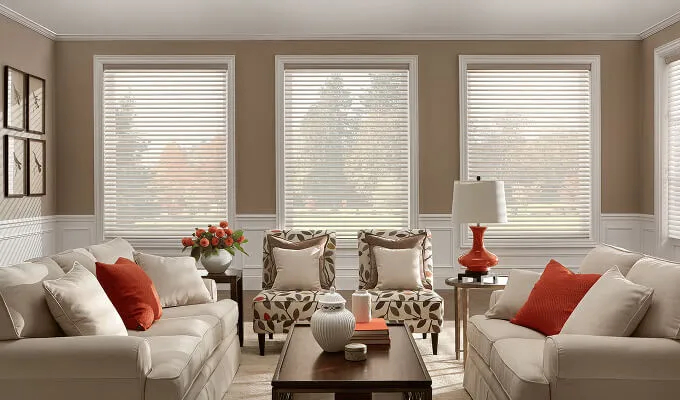
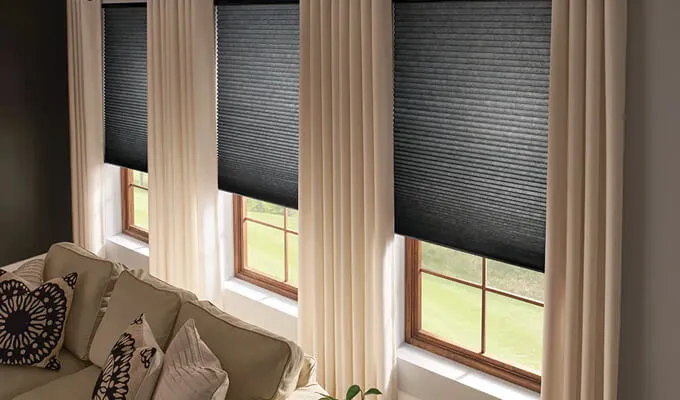
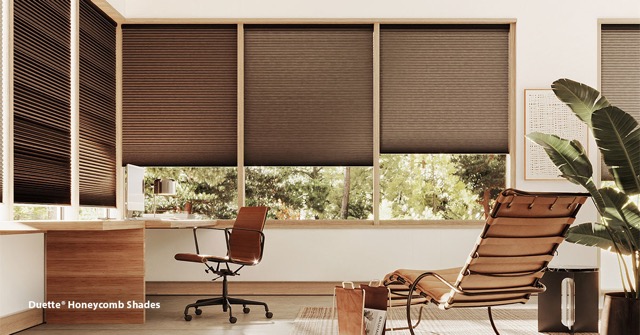
Cellular shades, often called honeycomb shades, use a pleated design that traps air in distinct pockets, creating a layer of insulation between your window and your living space. In South Florida, windows are the primary source of thermal gain — entry points for the sun’s infrared radiation that steadily drive up your indoor temperature. The honeycomb cells intercept that heat before it reaches the room, keeping your living environment consistent and comfortable in a way that traditional blinds or slatted shutters simply cannot. Those products allow air to circulate freely through the gaps; cellular shades don’t.
For homeowners in coastal areas like Jupiter, where sunlight reflects off the water and intensifies the heat hitting your glass, this insulation is especially valuable. The engineering behind cellular shades allows them to achieve some of the highest R-values in the industry — a meaningful distinction from a product that only offers a decorative benefit.
How much can a homeowner realistically save on AC bills by upgrading their window treatments?
Upgrading to high-efficiency honeycomb shades can reduce heat gain through your windows by up to 80%, which typically results in a 15% to 25% decrease in monthly cooling expenses. Because your air conditioning system doesn’t have to cycle on and off as frequently to compensate for hot spots created by large windows, the overall wear on your HVAC unit is also reduced. In a large West Palm Beach home where summer cooling costs can run several hundred dollars a month, those savings often pay for the window treatments within a few seasons.
There’s also a longer-term benefit worth considering. When your AC isn’t fighting a constant battle against solar radiation, the compressor and blower motor last longer, deferring thousands of dollars in replacement costs. Strategically closing shades on east-facing windows in the morning and west-facing windows in the evening lets you actively manage your home’s microclimate — one of the most cost-effective efficiency improvements available without any structural renovation.
Do cellular shades provide better UV protection than standard horizontal blinds?
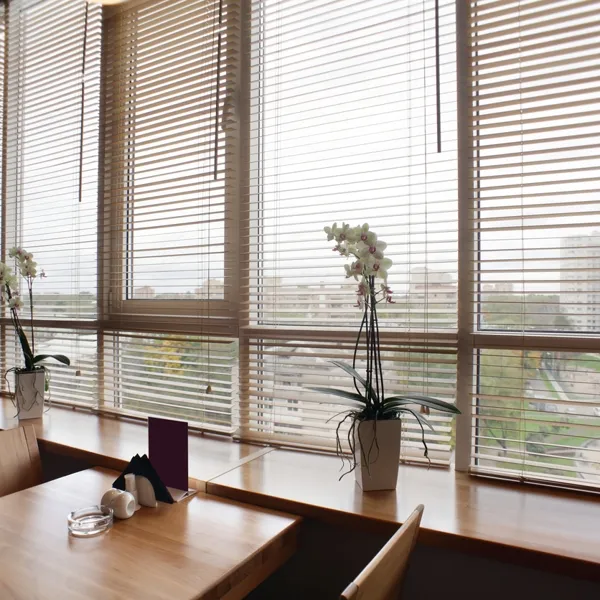
Yes — and the gap is significant. Cellular shades offer a solid, continuous layer of fabric that blocks up to 99% of harmful ultraviolet rays. Standard horizontal blinds, while useful for light control, have gaps between the slats and around the cord holes where UV sneaks through. Over time, even small amounts of direct Florida sunlight cause irreversible damage to hardwood floors, custom area rugs, and furniture. In communities like Palm Beach Gardens, where high-end interiors are common, that kind of fading is an expensive problem.
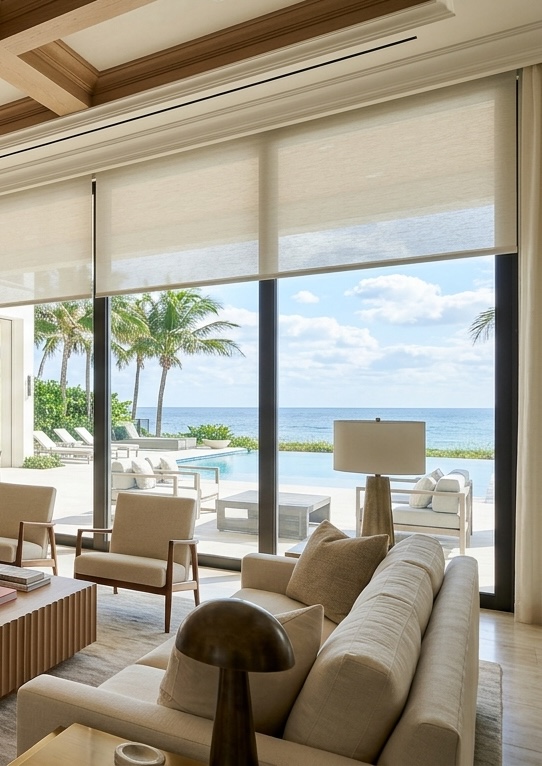
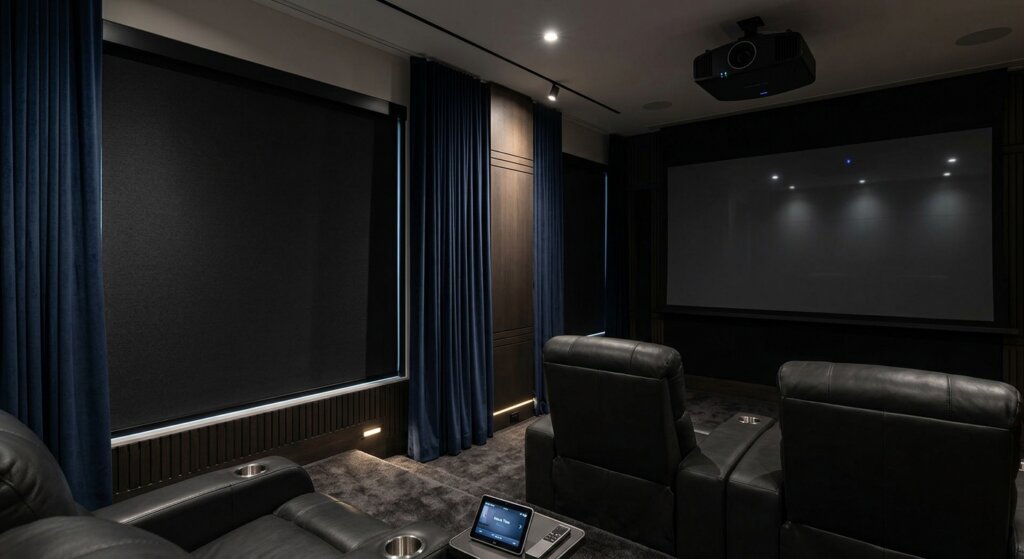
You don’t have to live in a dark cave to get this protection. Light-filtering cellular fabrics allow soft, diffused natural light to illuminate the room while still blocking the destructive UV spectrum — your space stays bright and inviting, but your furniture is protected. For rooms that require complete darkness, like a bedroom or home theater, blackout cellular options provide the highest level of both thermal insulation and light control.
What makes custom-fitted shades more efficient than cut-to-size options from big-box stores?
Custom-fitted shades are manufactured to the precise sixteenth of an inch, eliminating the perimeter gaps that make store-bought shades inefficient. Pre-made shades almost always leave a gap between the fabric edge and the window frame, which creates a chimney effect — hot air pours into the room along the sides regardless of how well the shade itself performs. At Bumble Bee Blinds of Palm Beach, we size every shade to fit flush against the casing, creating a true seal that maximizes the insulating properties of the honeycomb structure.
Custom shades also give you access to a wider range of specialized fabrics designed for specific conditions. In North Palm Beach and Loxahatchee, where humidity is a constant factor, professional-grade fabrics are treated to resist sagging and moisture absorption, maintaining their crisp, insulating shape for years. Retail options often use lower-quality polyester that warps or loses its pleat over time — and once the pleat goes, so does the energy-saving performance.
How does motorization enhance the energy-saving potential of cellular shades?
Motorization allows your shades to operate on a smart schedule, ensuring they close during peak sun hours even when you’re not home. Many Palm Beach residents travel or spend their days at work, leaving windows exposed to the harshest midday sun. With a smart hub or a simple timer, you can program shades to lower at 11:00 AM and rise again at 5:00 PM — so you’re not walking into a house that’s been baking all day and requires the AC to run at full blast for hours to recover.
Integration with smart home systems like Alexa or Google Home adds another layer of precision. Some systems use local weather data to adjust shades based on actual sun intensity: on an overcast day, shades stay open to let in natural light; when a heat advisory hits, they close automatically. That level of automation turns your window treatments into an active part of your home’s energy management rather than something you remember to adjust when it’s already too late.
Reduce Cooling Costs & Protect Your Interior Investment
Bumble Bee Blinds of Palm Beach serves homeowners throughout Palm Beach Gardens, North Palm Beach, Jupiter, West Palm Beach, and the surrounding communities. We measure, manufacture, and install every shade to your exact specifications — and we bring samples to your home so you can see the difference before you commit. Contact us today to schedule your free in-home consultation.
Summary
- Thermal barrier: The honeycomb design traps air to stop heat transfer, keeping rooms significantly cooler without blocking light.
- Real savings: Homeowners typically see a 15%–25% reduction in monthly cooling bills — savings that often recover the cost of installation within a few seasons.
- UV protection: Block up to 99% of UV rays to prevent fading on hardwood floors, rugs, and furniture.
- Precision fit: Custom measurements from Bumble Bee Blinds of Palm Beach eliminate the perimeter gaps that let heat bypass store-bought shades.
- Smart scheduling: Motorization ensures shades close during the hottest parts of the day automatically, even when you’re away.
- HVAC longevity: Less thermal gain means your AC system runs fewer cycles and lasts significantly longer — deferring costly replacement for years.
Frequently Asked Questions About Cellular Shades
How long does installation typically take?
Most residential installations are completed in a single visit. The timeline depends on the number of windows and whether motorization is involved, but the majority of our Palm Beach Gardens and North Palm Beach customers are fully installed within a few hours.
Do cellular shades work with my existing smart home system?
Motorized cellular shades from Bumble Bee Blinds of Palm Beach are compatible with most major smart home platforms, including Alexa, Google Home, and Apple HomeKit. During your consultation we’ll confirm compatibility with your specific setup before anything is ordered.
What’s the difference between single-cell and double-cell honeycomb shades?
Single-cell shades have one layer of honeycomb pockets and provide a solid baseline of insulation. Double-cell shades have two stacked layers, which increases the R-value and thermal performance — making them the better choice for south- and west-facing windows in South Florida that take the most direct sun exposure.