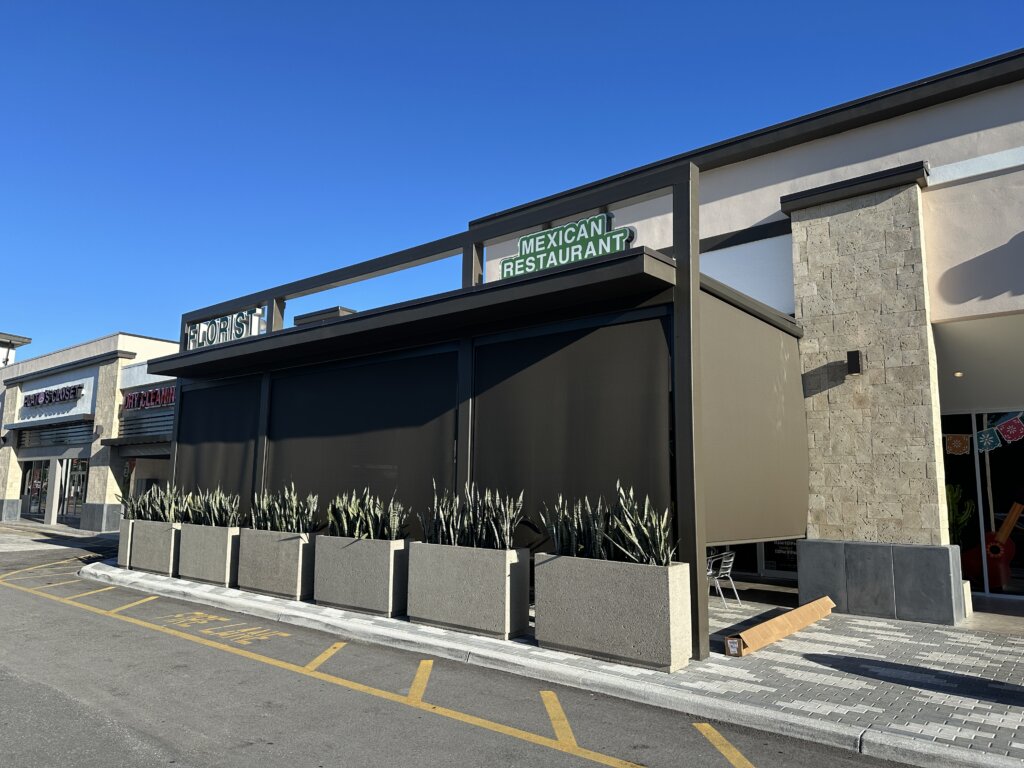
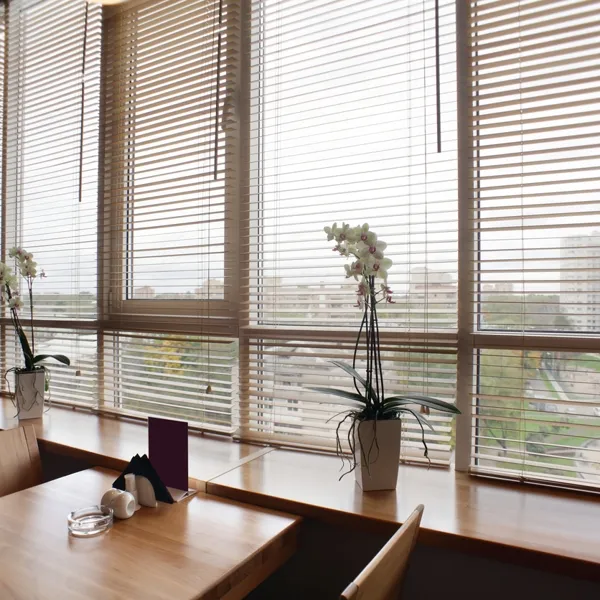
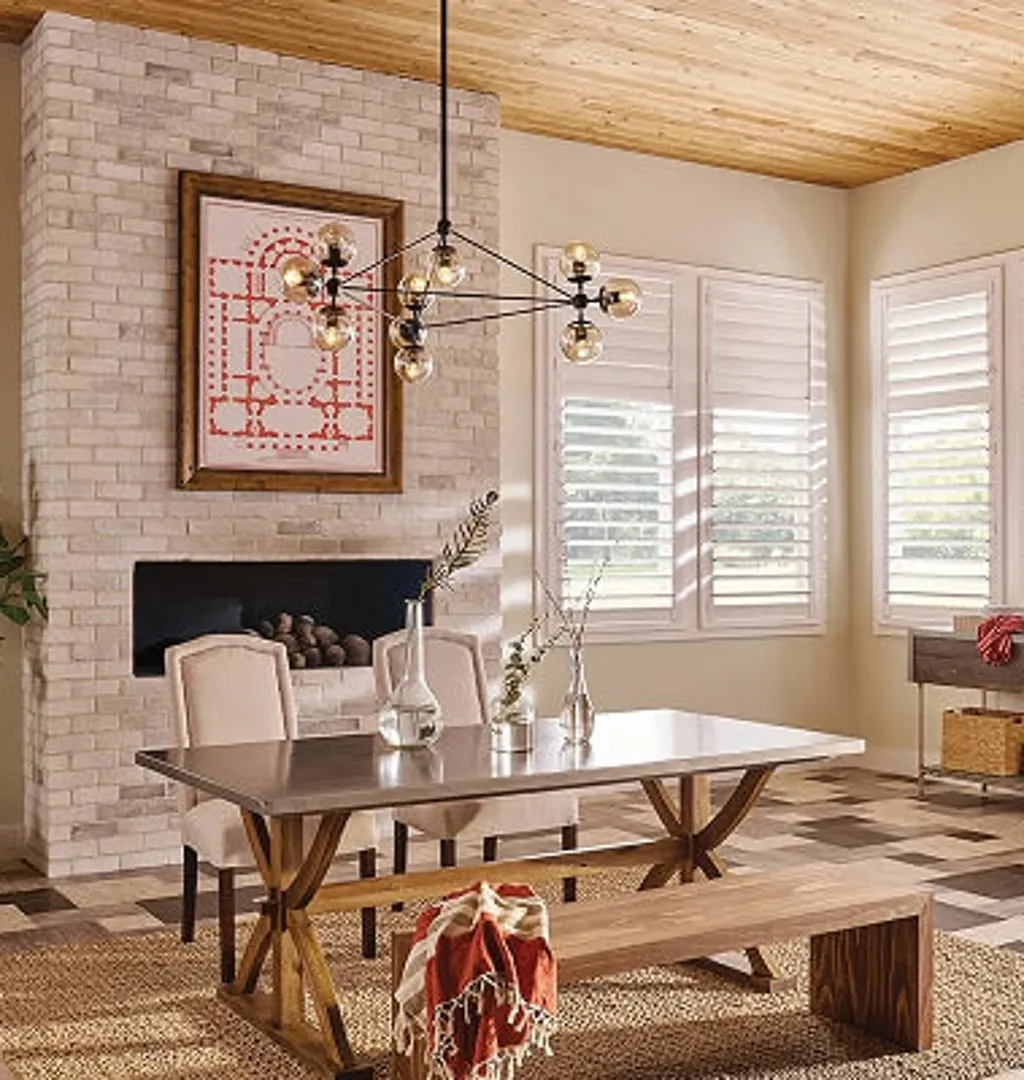
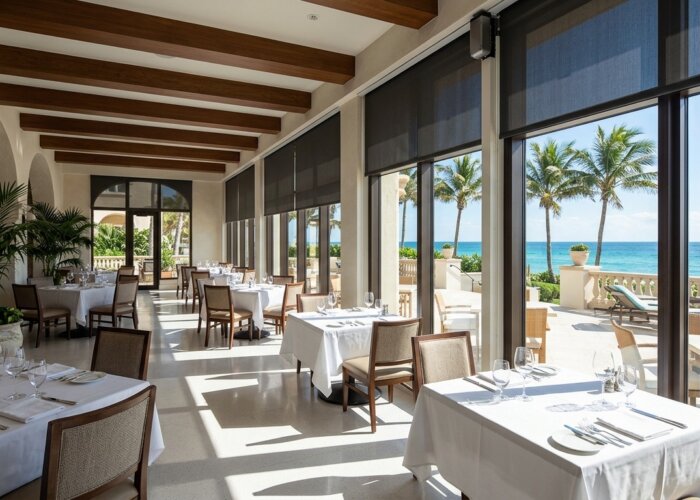
West Palm Beach restaurants lose peak dining revenue to an overlooked source: solar heat and glare that make window tables too uncomfortable to occupy. Restaurant owners invest heavily in their dining rooms — the lighting, the furniture, the view — then watch that investment underperform because their best seats sit empty during the hours that matter most. Smart commercial window treatments solve this problem directly, converting every square foot of the floor plan into productive, revenue-generating space from the moment doors open to last call.
Why do window seats often remain empty during peak afternoon dining hours?
Direct solar glare and localized heat spikes make window-side tables physically uncomfortable for guests, creating “dead zones” in your restaurant’s seating chart. In the competitive Palm Beach culinary scene, a table that cannot be sat because the sun is blinding the patrons is a direct hit to your daily revenue. When a guest is seated at a table where the temperature is five to ten degrees higher than the rest of the room, their “time to exit” accelerates — reducing the likelihood of a second cocktail or a dessert order.
The psychological impact of an empty window section compounds the problem. Passersby on busy commercial corridors judge a restaurant’s popularity by its perceived busyness. If your most visible tables sit empty because of the sun, potential customers may assume the establishment is unpopular rather than simply too bright to sit in. Investing in the right shades ensures that your most “Instagrammable” seats are usable from brunch through sunset.
How do automated solar shades solve the “Table 14” problem without blocking the view?
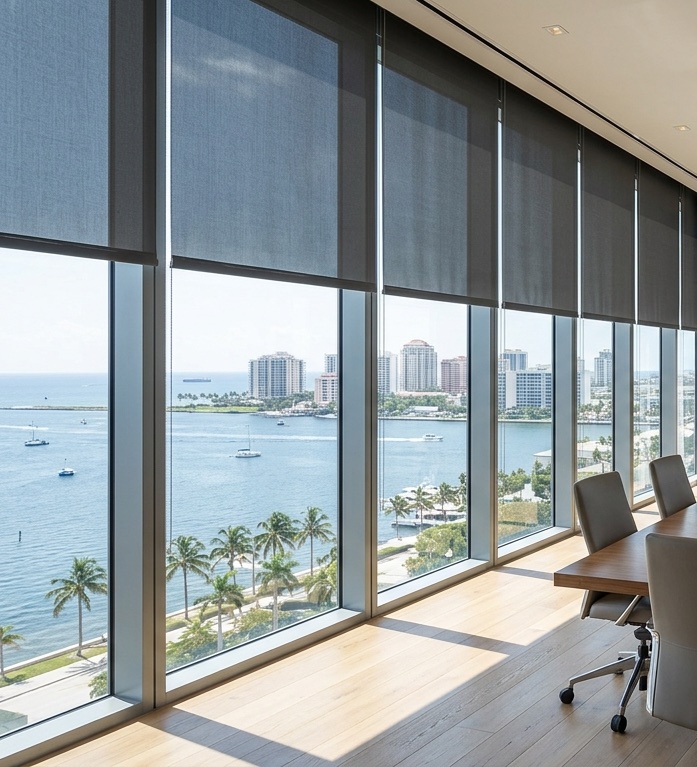
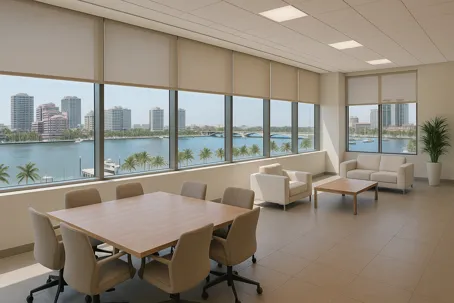
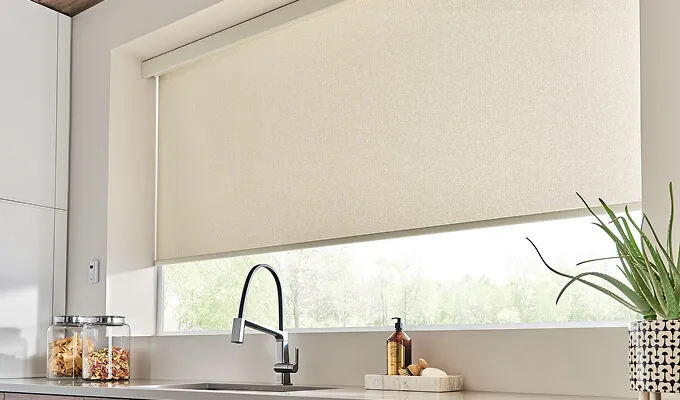
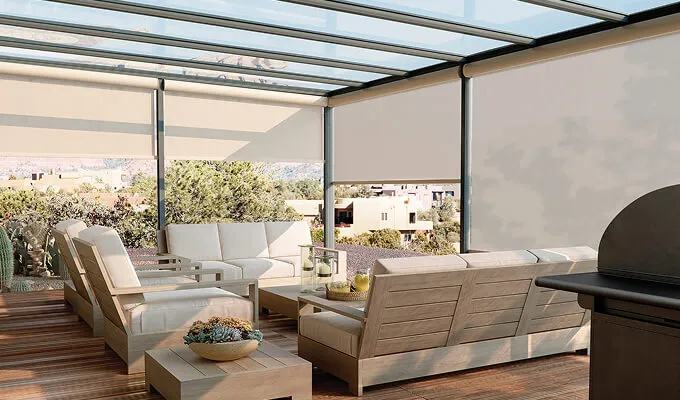
Automated solar shades use high-performance fabrics with specific openness factors — typically 1% to 5% — that filter out 95% to 99% of UV rays and glare while maintaining a clear view of the outdoors. Think of them as sunglasses for your building: they cut the glare without cutting off the scenery that draws customers in the first place. For waterfront establishments or those overlooking vibrant streetscapes, this distinction matters enormously. Your guests get to enjoy the view without squinting or shielding their eyes with a menu.
The “automated” component is critical for operational efficiency. Your staff should be focused on guest experience and food quality — not hunting for a wand to adjust a dozen different blinds as the sun moves across the sky. Smart systems can be programmed to adjust based on the time of day or real-time light sensors. As the sun dips lower in the late afternoon, the shades lower automatically, ensuring no guest ever has a reason to complain about the light.
Can commercial-grade window treatments actually lower monthly overhead costs?
Yes — and the savings come from two directions.
First, high-quality window treatments act as a thermal barrier that significantly reduces the load on your HVAC system by reflecting solar heat before it enters the room. In South Florida, air conditioning is often the largest non-labor expense for a restaurant or boutique. Large uncovered panes of glass function like heaters, forcing your AC units to work overtime. Restaurants in similar climates that have installed commercial solar shades report HVAC energy savings in the range of 15–25%, along with fewer costly repairs on overworked cooling systems.
Second, these treatments protect your interior investment. The cost of frequent reupholstering for sun-bleached booths or replacing faded hardwood flooring adds up quickly. UV protection ensures that your custom interior design — often a significant capital expenditure — remains vibrant and professional for years, rather than requiring premature replacement.
What is the impact of lighting control on guest dining duration and spend?
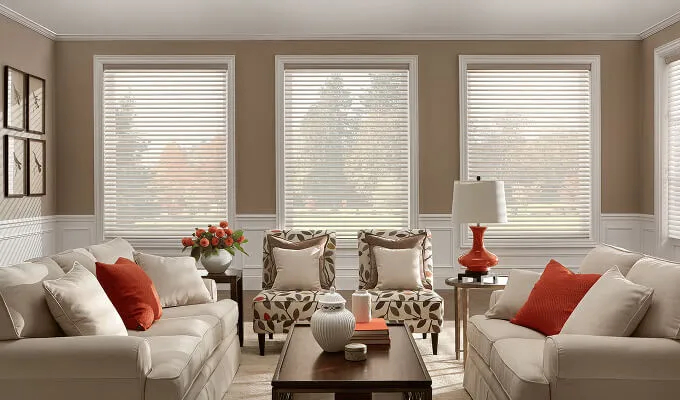
Controlling ambient light through adjustable window treatments allows a restaurant to transition seamlessly between service moods, which directly correlates to how much a guest is willing to spend. A bright, airy atmosphere works well for a bustling Sunday brunch, but as the day turns to dinner, softened light creates the intimacy required for high-end evening service. When guests feel comfortable and the atmosphere matches the price point, they linger longer. This “dwell time” is a key driver of average check size through supplemental orders.
Poor lighting control works against you. If some tables sit in harsh sun while others are in deep shadow, the inconsistency creates a jarring experience that signals a lack of care. Commercial window treatments provide uniform light distribution that makes the entire space feel cohesive and considered — which tells your patrons that every aspect of their experience has been thoughtfully managed.
Are specialized window treatments durable enough for the high-traffic demands of hospitality?
Commercial-grade window treatments are engineered with heavy-duty hardware and flame-retardant fabrics specifically designed to withstand constant use and the rigorous cleaning requirements of the hospitality industry. Unlike residential products, commercial systems feature reinforced rollers, metal components instead of plastic, and fabrics that resist fungal growth — a genuine necessity in South Florida’s humidity. The result is a product that looks as good in year five as it did on installation day.
Compliance is also worth factoring into your decision. Professional installations ensure that all window treatments meet local building codes and fire safety standards — a requirement for insurance and licensing in West Palm Beach and throughout Palm Beach County. This is not a minor footnote: non-compliant hardware or materials can create liability exposure that puts your license at risk. Choosing a qualified commercial partner means those boxes are checked from day one, protecting both your staff and your patrons.
Summary
- Reclaim revenue: Eliminate “dead zones” by making every table comfortable regardless of the sun’s position.
- Preserve the view: Use solar shades with 1%–5% openness factors to block glare while keeping the scenery visible.
- Automate efficiency: Schedule shades to adjust automatically, freeing staff to focus on service rather than manual adjustments.
- Lower overhead: Reduce HVAC strain and energy costs — restaurants in comparable climates report savings of 15–25% — by blocking solar heat gain before it enters the building.
- Protect assets: Prevent UV damage and fading on expensive furniture, flooring, and decor.
- Stay compliant: Ensure your installation meets local fire safety and building codes to protect your license, your insurance, and your guests.