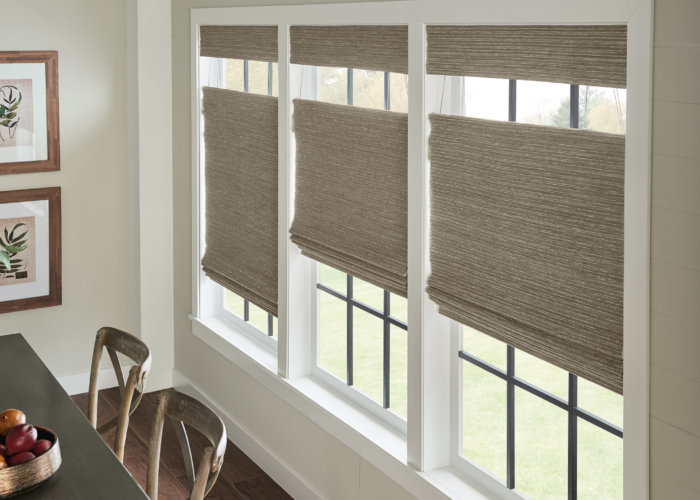
Custom Natural Woven Shades in Montclair, NJ
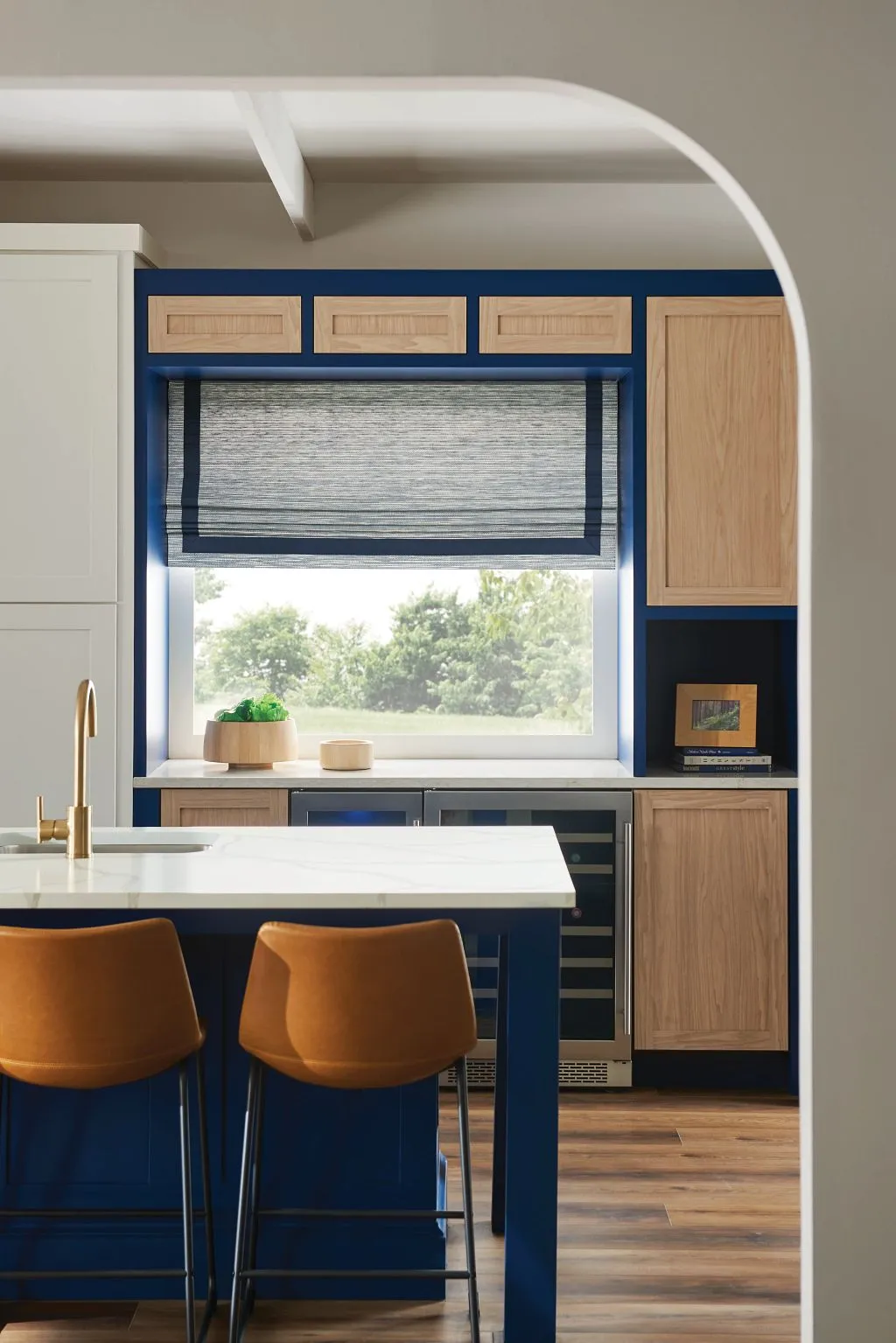
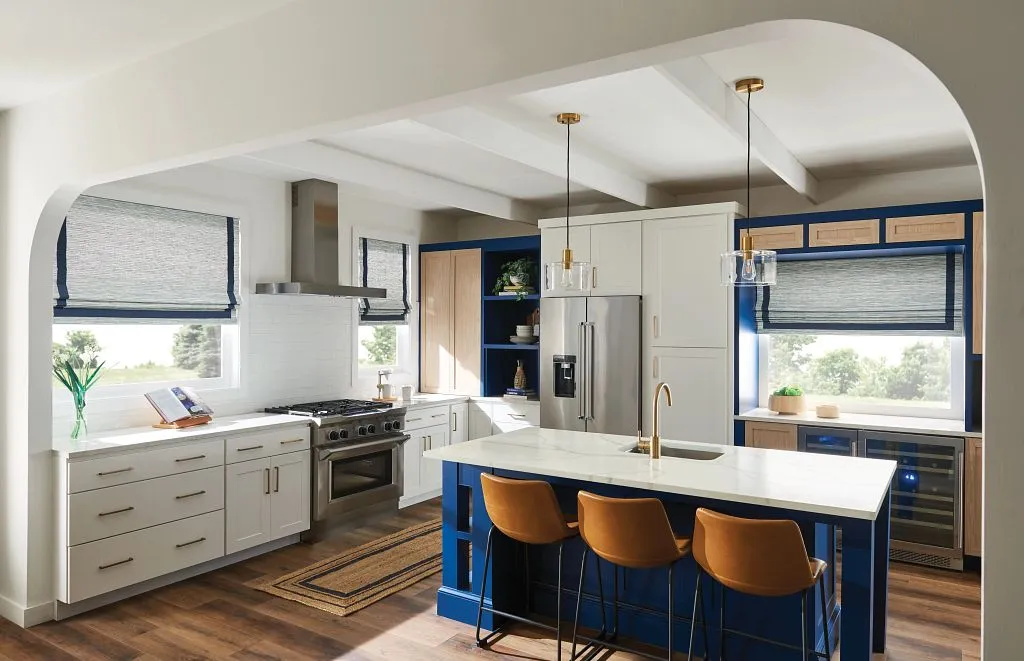
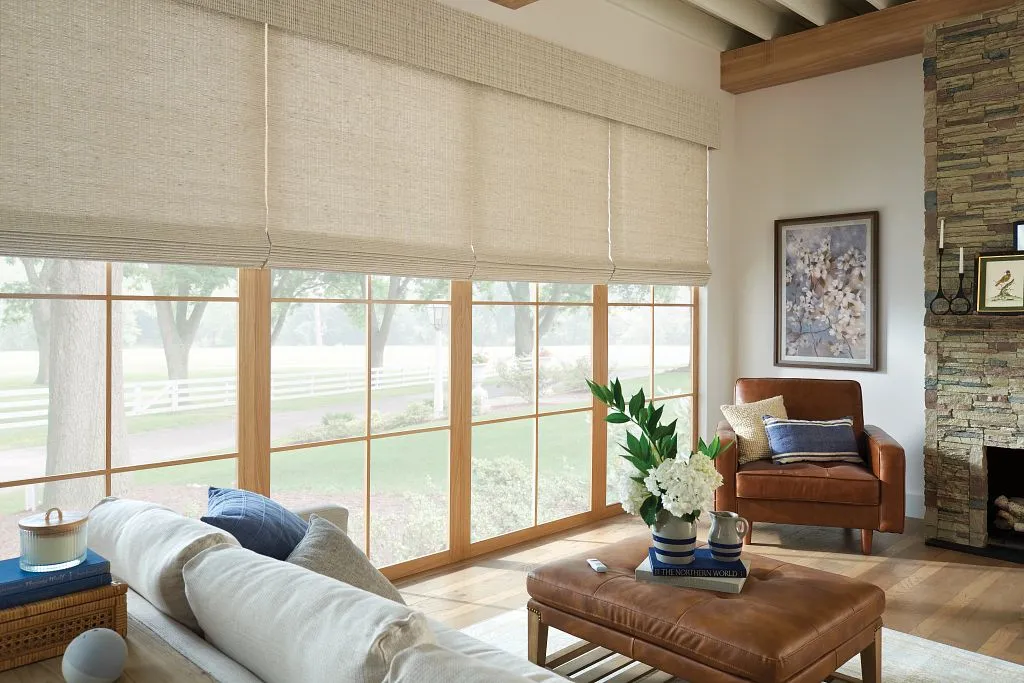
Some materials bring their own character to a room. Natural woven shades do this through the details of the weave itself: the variation in the fibers, the shifts in tone, and the way small openings between strands allow daylight to pass through. Rather than creating a perfectly uniform surface, they introduce an organic texture that makes the window feel like part of the room’s overall design.
Made with materials such as bamboo, grasses, reeds, and jute, natural woven shades offer an alternative to smooth fabric or synthetic window coverings. Their appearance can range from subtle and understated to more pronounced, depending on the material, weave, and color selected.
At Bumble Bee Blinds of Montclair, we help homeowners compare natural woven shade options with the room, window, and desired level of light control in mind. During an in-home design consultation, you can see samples alongside your existing finishes, explore available lining options, and have your windows professionally measured before installation.
What Are Natural Woven Shades?
Natural woven shades, sometimes called woven wood shades, are window treatments made by weaving natural fibers into a shade material. Depending on the collection, those fibers may include bamboo, grasses, reeds, jute, and other natural materials.
The finished surface has a texture that is different from a printed fabric or smooth roller shade. You can often see the individual strands and variations in the weave, giving each material its own visual character.
That variation is part of the appeal. Natural woven shades can bring warmth to a room without relying on a bold color or pattern. They can also introduce an interesting contrast when paired with painted walls, smooth surfaces, or more structured furnishings.
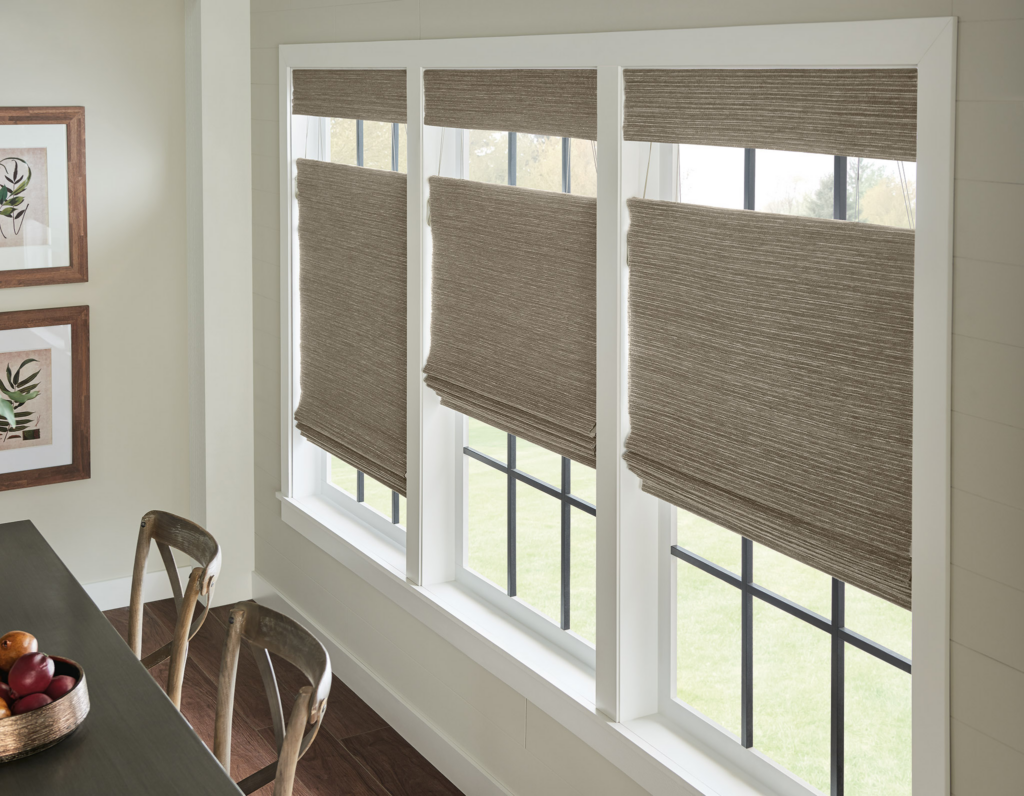
Explore Natural Materials and Woven Textures
The material and weave you choose will have a noticeable effect on the finished shade. During your consultation, we can help you compare samples and understand how different options may look in your space.
Bamboo Shades
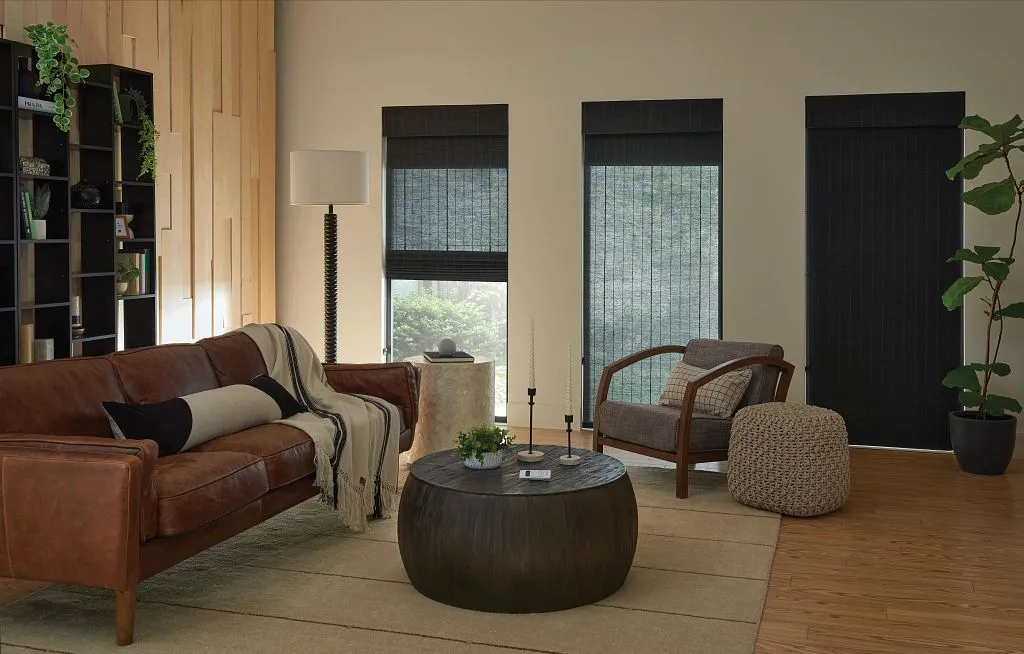
Bamboo is often selected for its distinctive linear texture and natural tonal variation. Depending on the weave and finish, bamboo shades can create anything from a light, subtle pattern to a more pronounced woven appearance.
They can work particularly well when you want to introduce natural texture without adding another strong decorative pattern to the room.
Grass and Reed Shades
Grasses and reeds can create a more varied surface, with differences in strand thickness, color, and spacing contributing to the overall look. Some weaves appear relatively uniform, while others have a more visibly layered or irregular character.
These materials are worth considering when texture is an important part of the room’s design.
Jute and Other Natural Fibers
Jute and other natural fibers can add a softer, more varied woven appearance. Their texture may feel more relaxed than a tightly uniform material, making them an option to explore when you want the window treatment to contribute a little more visual depth.
The exact materials, colors, and weave patterns available depend on the product collection. Comparing actual samples is the best way to understand the differences before making a selection.
How the Weave Changes Light and Privacy
One of the most important decisions with natural woven shades is how open or dense you want the weave to be.
Unlike an opaque, continuous fabric panel, some woven materials have small openings between the fibers. Depending on the weave, these openings can allow daylight to filter into the room and may also create varying degrees of visibility through the shade.
Consider what you want the treatment to accomplish:
- More open weaves: May allow more daylight to pass through and preserve a lighter, more textured appearance. They may provide less privacy, particularly at night when interior lights are on.
- Tighter weaves: Can offer a more substantial appearance and may limit visibility and incoming light more than an open weave.
- Lined options: An available liner can add another layer behind the woven material to improve privacy and reduce incoming light.
Natural woven shades should not automatically be treated as privacy or room-darkening shades. The result depends on the specific material, weave, liner, and window conditions. We can help you compare those details based on how the room is used.
Should You Add a Liner to Natural Woven Shades?
A liner is worth considering if you love the look of a natural weave but need more control over light or visibility.
Depending on the shade collection, lining options may include light-filtering or room-darkening choices. Some collections may also offer blackout lining. These options can change both the performance and the appearance of the finished shade, so it is important to evaluate the material and liner together.
A liner may be especially worth discussing for:
- Bedrooms: Where nighttime privacy and reduced morning light may be priorities.
- Street-facing rooms: Where you want to consider how much visibility the weave allows after dark.
- Rooms with strong daylight: Where you may want to reduce the amount of light passing through the material.
- Spaces with furnishings near the window: Where managing incoming sunlight may be part of your overall design considerations.
Keep in mind that even a lined shade may allow some light around its edges, depending on how it is mounted and the construction of the window. We can explain what to expect from the available configurations rather than assuming every woven shade provides the same level of coverage.
Where Natural Woven Shades Can Work Well
Natural woven shades are often chosen for the character of their materials, so think about where that texture will have the greatest impact.
Living and Family Rooms
In a living room, woven shades can introduce natural texture without competing with every other design element. They can complement wood finishes, upholstered furniture, neutral color palettes, and rooms that already incorporate a mix of materials.
If the room has several patterns or decorative features, a quieter weave may provide balance. If the furnishings are more restrained, a more pronounced woven texture can add interest at the window.
Dining Rooms
A dining room is a natural place to consider the visual warmth of woven materials. The shade can complement a wood dining table, textured upholstery, or other natural finishes without requiring a matching material throughout the room.
Think about how much daylight you want during meals and whether a liner is appropriate for the window’s exposure and privacy needs.
Bedrooms
Natural woven shades can bring a softer, more organic look to a bedroom. However, the weave alone may not provide the privacy or light reduction you want. Consider lined options when a darker room or greater nighttime privacy is important.
Home Offices
In a home office, the woven texture can add warmth to a space that might otherwise feel dominated by desks, screens, and hard surfaces. Consider the direction of the window and how incoming light affects your workspace before choosing a weave. A more open material may look appealing but may not be the right choice if glare or privacy is a concern.
Pairing Natural Woven Shades With Your Existing Interior
Natural woven shades do not need to match every wood finish or natural material in the room. In fact, a little variation can help the design feel more layered and less coordinated.
When comparing samples, look at the relationship between the shade and:
- Wood tones: Consider whether the weave complements, contrasts with, or visually competes with existing flooring, furniture, and trim.
- Wall colors: Natural fibers can introduce warmth against painted surfaces, but undertones matter. Compare samples in the actual room rather than relying on a screen image.
- Upholstery and rugs: A quieter weave may work better when the room already has prominent patterns or textures.
- Existing window treatments: Natural woven shades may be used on their own or considered as part of a layered treatment with drapery, depending on the window and available space.
For Montclair homeowners working with established interior finishes or original wood trim, bringing samples into the home is particularly useful. It allows you to see whether the material complements the details you want to preserve instead of choosing a shade based on how it looks in isolation.
Custom Natural Woven Shades for Montclair Windows
A natural woven material has its own visual pattern, but the window behind it still determines how the finished treatment will look and function. Frame depth, trim, window operation, and mounting position should all be considered before the shade is ordered.
An inside mount can create a more contained appearance within the window frame when there is sufficient depth and the window allows for it. An outside mount may be considered when the frame does not provide the necessary space or when you prefer the shade to extend beyond the opening. The appropriate approach depends on the individual window and selected product.
This is especially important when planning multiple windows in the same room. Consistent material and placement can create a coordinated look, but differences in window dimensions or trim may affect the final measurements and installation details.
Our team takes those considerations into account during the design and measuring process so the selected woven shades are suited to your actual windows.
Why Choose Bumble Bee Blinds of Montclair for Natural Woven Shades?
Natural woven shades are a material-driven choice. The sample that catches your eye is only the starting point; the weave, color, light transmission, liner, and mounting approach all contribute to the final result.
Bumble Bee Blinds of Montclair provides a full-service experience to help you work through those decisions.
- In-home design consultation: Review natural material samples in the rooms where the shades will be installed, alongside your existing colors and finishes.
- Personalized product guidance: Compare available fibers, weave patterns, colors, and lining options based on your design preferences and practical needs.
- Professional measuring: Have each window evaluated for dimensions, frame depth, trim, and mounting requirements.
- Professional installation: Have your custom window treatments installed by our team, with the details handled from selection through completion.
We help you look beyond the sample itself so you can choose a natural woven shade that makes sense for the room, the window, and the way you live in your home.
Frequently Asked Questions About Natural Woven Shades
What are natural woven shades made of?
Natural woven shades can be made from materials such as bamboo, jute, grasses, and reeds. The exact materials and combinations depend on the product collection. Each creates a different texture and appearance, which is why reviewing samples is helpful before choosing.
Are natural woven shades the same as woven wood shades?
The terms are often used interchangeably. Woven wood shades generally refer to window shades made by weaving natural materials such as bamboo, grasses, reeds, or similar fibers. Product naming can vary by manufacturer and collection.
Do natural woven shades provide privacy?
Privacy depends on how tightly the material is woven and whether the shade has a liner. More open weaves may allow some visibility, especially at night with interior lights on. If privacy is important, we can help you compare denser weaves and available lining options.
Do natural woven shades block sunlight?
Natural woven shades can filter daylight, but the amount depends on the openness of the weave and whether a liner is added. They should not be assumed to provide blackout coverage without confirming the specific product and lining.
Can natural woven shades have blackout lining?
Blackout lining is available with select natural woven shade collections. Availability varies, so we recommend confirming the options for the material you choose. Even with blackout lining, some light may enter around the edges of the shade.
Are natural woven shades a good choice for bedrooms?
They can be, particularly when you want the texture of natural materials in the room. For bedrooms where privacy or reduced light is important, consider a lined configuration rather than choosing an open weave on appearance alone.
Can natural woven shades be used in a living room or dining room?
Yes. Their texture can complement a variety of furnishings and finishes. The best weave depends on the room’s light, privacy needs, and existing design elements.
Do natural woven shades work with drapery?
They can be considered as part of a layered window treatment. The woven shade provides texture at the window, while drapery can introduce another fabric, color, or decorative element. The window dimensions and available mounting space should be evaluated before deciding on a combination.
Are natural woven shades easy to clean?
Care instructions depend on the material and manufacturer. Natural fibers may require gentler care than some smooth synthetic surfaces. Follow the product-specific cleaning guidance and avoid applying moisture or cleaning products unless the manufacturer recommends it.
How much do natural woven shades cost in Montclair, NJ?
Pricing depends on the number and size of your windows, the selected material and weave, lining, and operating options. Our Montclair Window Treatment Pricing Estimator includes woven wood among the available shade styles and provides a general custom-shades estimate. Your exact options and quote can be reviewed during an in-home design consultation.
Schedule a Natural Woven Shades Design Consultation in Montclair, NJ
If you are drawn to the texture and natural variation of woven materials, let us help you find an option that works with your windows and the rest of your interior. We will bring samples to your home, walk you through the available weave and lining choices, professionally measure your windows, and handle installation.
Proudly locally owned and operated, Bumble Bee Blinds of Montclair provides custom window treatment design and professional installation for homeowners in Montclair and surrounding communities.
Call (973) 240-9072 or schedule your design consultation online to get started.