South Florida’s high UV radiation and intense solar radiation cause irreversible damage, fading, and chemical breakdown in fine art, antique wood, and luxury textiles. Standard window glass provides minimal ultraviolet filtering, making specialized light management essential for art collectors. Preserving valuable collections without blocking coastal views requires high-performance solar screen shades with 1% to 3% openness factors, low-E window films, and automated sun-tracking motorization that lowers window coverings during peak radiation hours.
For art collectors living in Palm Beach, West Palm Beach, and Jupiter, residential architecture offers an ideal canvas. Expansive floor-to-ceiling windows, high transoms, and open-plan layouts bathe interior galleries in brilliant natural light. However, that same coastal sunshine presents a quiet, constant threat to fine art, contemporary paintings, photography, and luxury furnishings. Over time, unfiltered solar exposure causes fading, discoloration, and structural degradation that no restoration process can fully reverse.
Protecting a valuable collection does not require transforming your home into a windowless vault. By understanding how solar energy interacts with artistic mediums and applying modern window treatment engineering, collectors can enjoy sunlit coastal interiors while ensuring their artwork remains protected for generations.
How Does Florida Sunshine Destroy Fine Art and Luxury Textiles?
Solar damage to interior finishes and artwork is caused by three distinct components of the natural light spectrum: ultraviolet (UV) radiation, visible light, and solar heat (infrared radiation). While ultraviolet rays account for only a small fraction of the light spectrum entering a home, they are responsible for approximately 40% of all solar-related fading and chemical degradation.
When high-energy UV photons strike organic pigments, paper fibers, or oil paint binders, they break down the molecular bonds that give materials their color and structural integrity. Watercolors, works on paper, and photography are particularly vulnerable, often displaying noticeable fading or paper yellowing within just a few seasons of direct exposure. Oil and acrylic paintings fare slightly better against immediate pigment loss, but intense solar heat causes paint films to expand and contract, leading to micro-cracking and varnish yellowing over time.
Because standard residential glass blocks less than 30% of harmful UV radiation, unprotected windows act as continuous accelerators of art deterioration in sun-rich environments like South Florida.
What Are the Best Window Treatments for Protecting Fine Art Without Losing Views?
The most effective strategy for art-centric homes involves controlling solar radiation before it hits interior surfaces while preserving the natural ambient light and coastal views that define Palm Beach living.
Solar Screen Shades (1% to 3% Openness Factor)
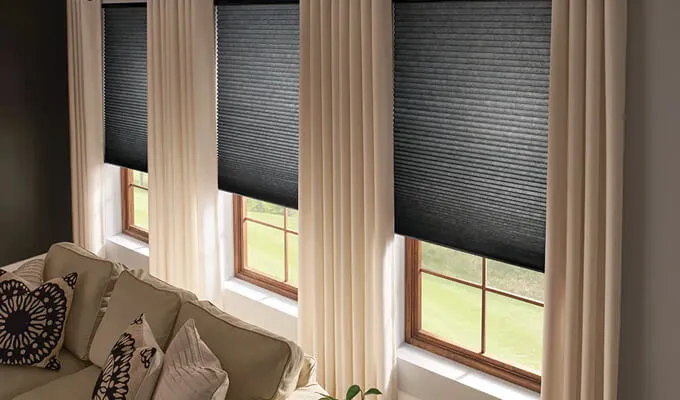
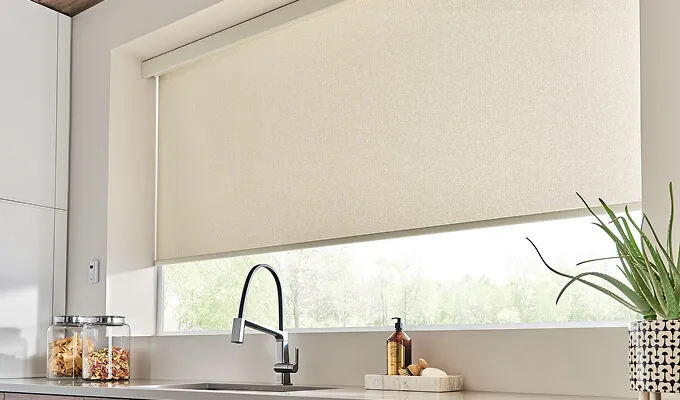
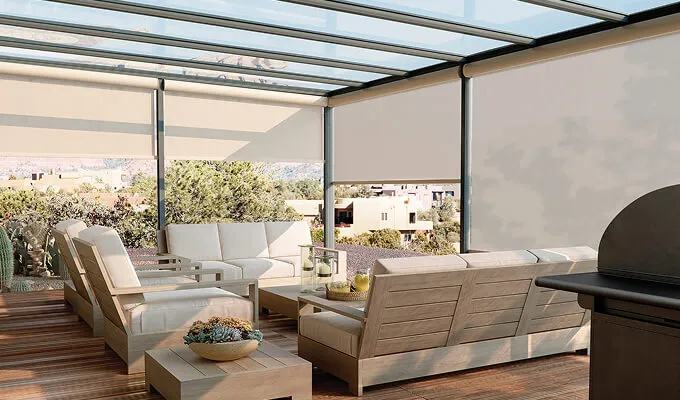
Solar shades are engineered from specialized woven synthetic fibers designed to absorb and reflect solar energy before it enters the room. The “openness factor” refers to the density of the fabric weave. A 1% to 3% openness factor blocks up to 99% of harmful ultraviolet rays while allowing clear visual connection to the outdoors. The tightly woven mesh diffuses harsh sunlight into a soft, ambient glow, eliminating localized hotspots and harsh glare across gallery walls.
Architectural Solar & Low-E Window Films
For gallery spaces with expansive glass, applying a micro-thin, low-emissivity (low-E) solar control film directly to the interior glass pane adds an invisible layer of protection. Premium solar films reduce UV transmission by over 99% without changing the color rendition of incoming natural light—a critical factor for collectors who want to view artwork under true, natural color temperatures.
Layered Sheer Horizontal Shades and Banded Vanes
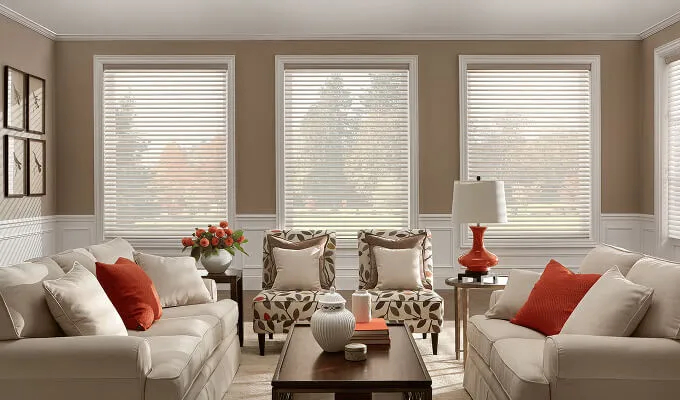
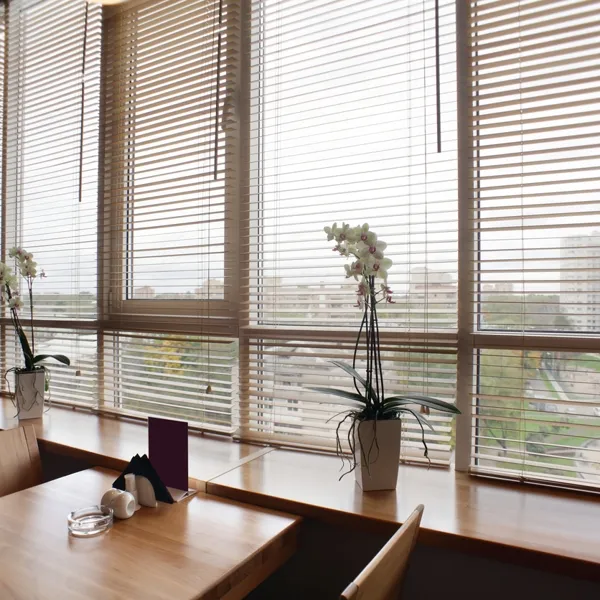
In rooms where versatility is paramount, layered window treatments featuring adjustable fabric vanes suspended between sheer fabric facings allow fine-tuned light control. By tilting the internal vanes upward, collectors can reflect direct light toward the ceiling where it becomes indirect ambient illumination, redirecting direct rays away from vulnerable wall-mounted artwork.
How Does Automated Sun Tracking Act as Invisible Art Insurance?
Manual shades are only effective when someone remembers to lower them. In South Florida, where cloud cover changes rapidly and solar intensity peaks sharply between 10:00 AM and 4:00 PM, relying on manual adjustments leaves artwork exposed during critical hours.
Integrating motorized solar shades with smart automation creates an active defense system for your collection. Utilizing astronomical clocks and exterior solar sensors, automated systems like Lutron Homeworks or Control4 track the exact position of the sun relative to your home’s orientation.
As the sun moves across your east-facing windows in the morning or west-facing glass in the afternoon, smart shades automatically lower to a pre-set protective level. Once the direct sun angle passes, the shades rise automatically to reopen your view. This dynamic response ensures that your collection receives continuous protection even when you are traveling, at the club, or spending the summer up north.
What Design Strategies Complement Art-Focused Window Treatments?
Integrating technical solar protection into a luxury Palm Beach residence requires a sensitive design approach that honors both the architecture and the art on display.
- Neutral Color Rendition: Choose shade textiles in neutral tones such as off-white, soft taupe, or charcoal. Neutral shades filter incoming sunlight without casting a color bias onto adjacent artwork, maintaining natural color fidelity.
- Recessed Pocket Installations: Concealing motorized shade rollers inside architectural ceiling pockets keeps hardware hidden when shades are up, ensuring uninterrupted gallery walls and clean sightlines.
- Dual-Shade Systems: Combining a 1% solar shade for daytime UV protection with a 100% blackout roller shade in a single dual-pocket cassette provides ultimate flexibility for multi-use living spaces that double as evening entertainment rooms.
Frequently Asked Questions
Will solar shades make my interior room feel dark or enclosed?
No. Solar shades with a 1% to 3% openness factor act as light diffusers rather than light blockers. They eliminate harsh, blinding glare while filling the space with soft, even illumination, allowing you to maintain your view of the outdoors without squinting or drawing heavy drapery.
Can solar shades protect hardwood floors and luxury furniture as well as art?
Yes. Solar radiation causes significant fading and drying in hardwood floors, custom rugs, leather seating, and wood paneling. Installing UV-blocking solar shades throughout sun-exposed living areas protects all interior finishes from sun damage.
How do I know which openness factor is right for my gallery room?
The ideal openness factor depends on window orientation and proximity to the water. West- and south-facing windows with heavy direct sunlight benefit from a 1% openness factor for maximum UV and heat defense. North-facing glass or shaded elevations often pair well with a 3% or 5% openness factor to maximize ambient light while maintaining protection.
Protect Your Fine Art Collection with Precision Window Solutions
Preserving fine art in a sun-drenched coastal environment requires a tailored balance of science, technology, and interior design. Bumble Bee Blinds of Palm Beach provides custom-engineered solar shade and automation solutions crafted to protect your investment.