Direct South Florida sunlight passing through glass window panes acts like a magnifying glass, causing leaf scorch, moisture loss, and thermal stress on popular indoor tropical plants. While exotic flora require high ambient light, direct solar exposure strips away leaf pigments and overheats living spaces. The ideal solution involves light-filtering cellular shades, sheer horizontal vanes, or top-down bottom-up window treatments connected to smart sun-path automation. Programming motorized shades to dynamically lower during peak afternoon heat windows protects delicate foliage while lowering monthly air conditioning costs.
Bringing lush, exotic flora into a Palm Beach, West Palm Beach, or Jupiter residence is one of the most effective ways to blur the line between indoor luxury and outdoor tropical beauty. High ceiling heights, bright window walls, and sunrooms create an inviting canvas for fiddle-leaf figs, monstera deliciosa, delicate orchids, and rare indoor palms. However, many homeowners are surprised when their thriving indoor tropicals begin developing crisp brown spots, bleached yellow leaves, or dropped foliage despite receiving consistent watering and care.
The hidden culprit is often South Florida’s intense solar exposure. Unfiltered sunlight passing through dual-pane glass windows creates intense thermal radiation and direct UV magnification. Protecting your home’s botanical investments while maintaining a sunlit, energy-efficient interior requires understanding how natural light interacts with indoor environments, and utilizing smart shade automation to manage the sun’s daily arc.
What Is Leaf Scorch and Why Does Glass Magnify Sunlight Damage?
Many popular indoor houseplants originate from tropical rainforest understories, where they thrive beneath dense jungle canopies. These species are naturally adapted to high levels of bright, indirect, or diffused light rather than direct, punishing sunlight. When placed close to east-, south-, or west-facing windows in South Florida, the glass frame acts as a magnifying lens, concentrating solar heat gain directly onto leaf surfaces.
Direct solar rays trigger leaf scorch—a condition where intense light breaks down chlorophyll faster than the plant can replace it, bleaching vibrant green leaves into pale yellow or translucent white. Simultaneously, high infrared heat rapidly evaporates moisture from leaf tissue, leaving brittle brown margins and curled edges. Beyond damaging the plants themselves, unshielded windows allow ambient room temperatures to spike rapidly, forcing your HVAC system to work overtime to compensate for localized heat buildup.
Which Light-Filtering Window Treatments Are Best for Houseplant Enthusiasts?
Resolving plant sun scorch does not mean pulling dark curtains and living in the shade. The objective is to convert harsh, direct beam sunlight into a soft, diffused glow that nourishes foliage without generating destructive thermal hotspots.
Light-Filtering Cellular and Honeycomb Shades
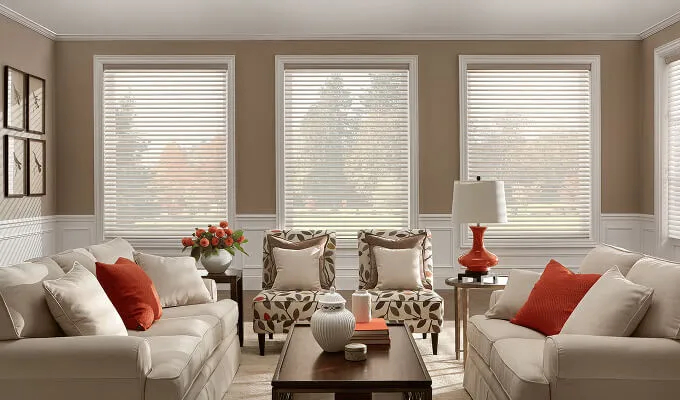
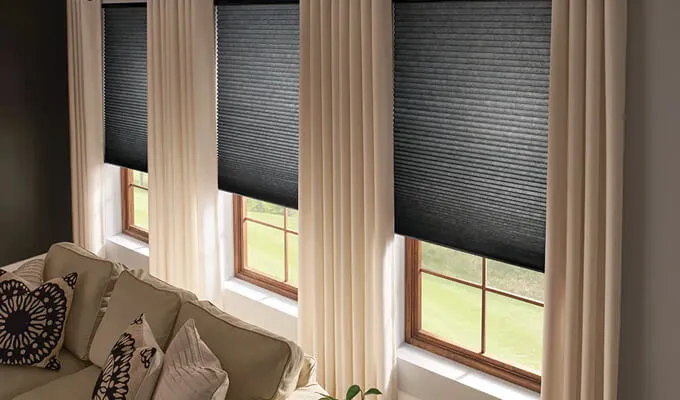
Cellular shades feature a distinctive honeycomb structure that traps air within distinct pockets, creating an insulating layer between the hot window glass and your interior space. When crafted from light-filtering textiles, cellular shades scatter incoming sunlight evenly across the room. This process removes the harsh directional glare that burns leaves while keeping window nooks cool and thermally stable.
Sheer Horizontal and Banded Vanes
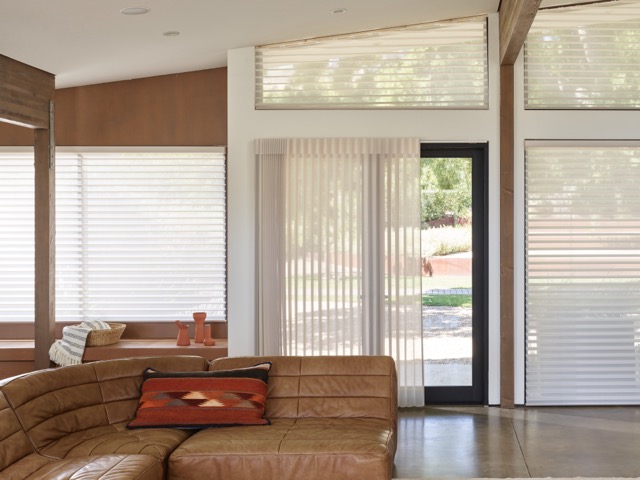
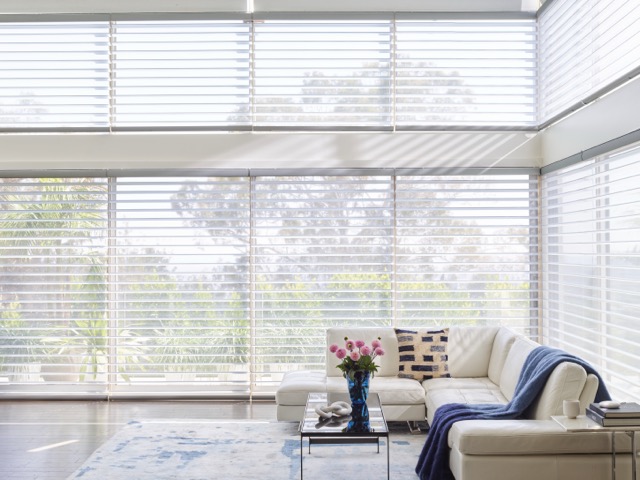
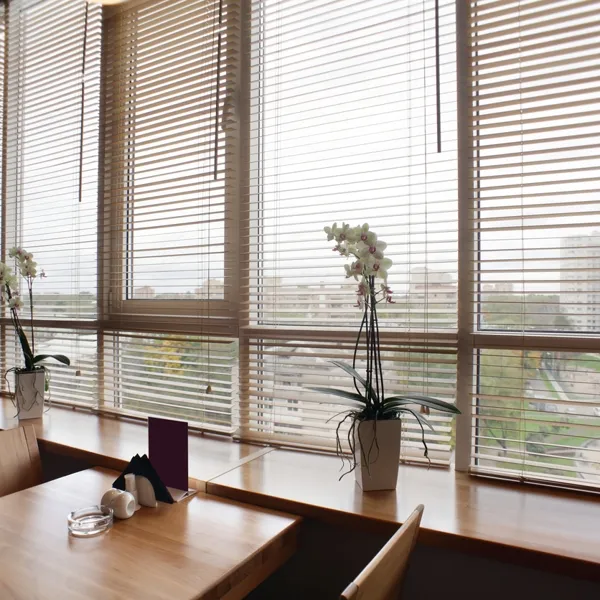
For spaces where preserving exterior views is just as important as light diffusion, sheer horizontal shades offer an elegant design compromise. Suspended between two sheer fabric facings are soft fabric vanes that tilt to precise angles. By angling the vanes slightly upward, direct sun rays are redirected toward the ceiling, where the light bounces naturally into ambient room illumination without shining directly on plant shelves below.
Top-Down / Bottom-Up Shades
Versatility is key when managing low-level plants alongside privacy needs. Top-down / bottom-up window treatments allow you to lower the top section of the shade to let natural sunlight stream across higher ceiling spans, while keeping the bottom portion raised to shield ground-level planters or side-table greenery from intense low-angle glare.
How Can You Program Smart Shades Around South Florida’s Daily Sun Path?
Manually adjusting window coverings throughout the day as sun angles shift across your property can feel like a full-time job. Integrating motorized window treatments into a smart home platform like Lutron, Control4, or Crestron allows your window coverings to dynamically adapt to South Florida’s solar path completely hands-free. By mapping your home’s orientation, smart shades automatically execute protective scenes aligned with the sun’s movement:
- East-Facing Glaze (Morning Routine): East-facing windows welcome intense early morning light off the Intracoastal or Atlantic. Programming shades to lower 20% at 8:00 AM softens direct morning rays as the sun rises, protecting delicate morning-lit plants while preventing early heat buildup.
- South-Facing Diffusion (Midday Routine): South exposures experience high-angle, consistent sunshine all day long. Setting shades to a steady 50% filtered position keeps ambient illumination high without allowing direct light beams to rest continuously on foliage.
- West-Facing Shield (Afternoon Peak): Between 2:00 PM and 6:00 PM, west-facing glass endures South Florida’s most aggressive heat spike. Programming west shades to close completely or drop to a high-density filter protects plants from afternoon scorch and prevents your FPL utility bill from skyrocketing during peak cooling hours.
What Design Details Enhance both Plant Health and Coastal Elegance?
Harmonizing indoor horticulture with luxury window design requires a thoughtful, tailored approach that highlights natural materials and clean lines.
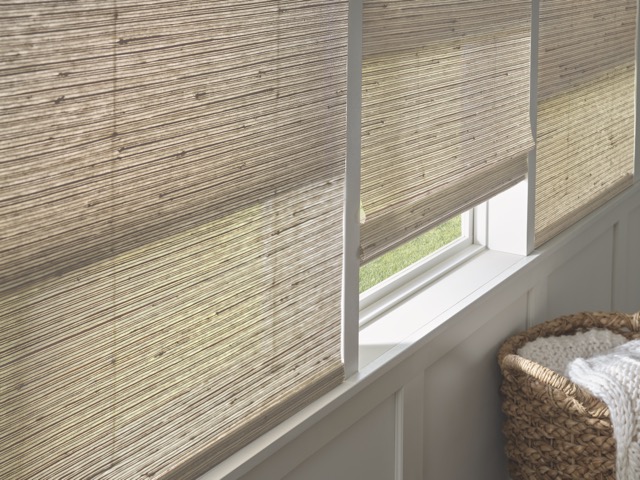
- Textural Linen and Woven Fabrics: Light-filtering fabrics crafted with subtle linen weaves or natural slubs complement organic interior styling, bridging the gap between indoor green spaces and coastal architecture.
- Integrated Solar Sensors: Adding ambient light sensors to exterior window frames allows your shades to respond dynamically to cloud cover. On overcast afternoons, shades automatically open to maximize natural light for your plants; when bright sun breaks through, shades lower immediately to restore protection.
- Color Temperature Consistency: Selecting warm-white or soft alabaster light-filtering materials ensures that filtered sunlight casts a flattering, natural tone throughout your living areas, keeping foliage looking vibrant and true to color.
Frequently Asked Questions
Can light-filtering shades provide enough light for plants to grow?
Yes. Light-filtering fabrics remove harsh UV rays and intense direct thermal energy while passing high levels of photosynthetic active radiation (PAR). Plants actually absorb diffused ambient light more efficiently across their entire leaf surface than harsh direct light, promoting healthier growth.
Will automated smart shades work if my home Wi-Fi goes down?
Yes. Professional motorized shade installations from Bumble Bee Blinds utilize dedicated radio frequency (RF) signals and localized smart bridges. Pre-programmed schedules, solar tracking routines, and wall keypad commands continue functioning seamlessly even during temporary internet outages.
How much can automated sun tracking lower cooling costs in South Florida?
According to building performance studies, managing window shading based on solar orientation can reduce solar heat gain by up to 70% to 80%. In South Florida, this translates to significant monthly energy savings on air conditioning costs during peak summer months.
Give Your Plants and Home the Smart Light Protection They Deserve
Balancing vibrant indoor greenery with energy efficiency and luxury interior design is effortless when you have the right light management strategy in place. Whether you are designing a sunlit foliage gallery in Palm Beach Gardens or optimizing west-facing views in West Palm Beach, Bumble Bee Blinds of Palm Beach offers custom motorized shade solutions tailored to your home’s unique orientation.