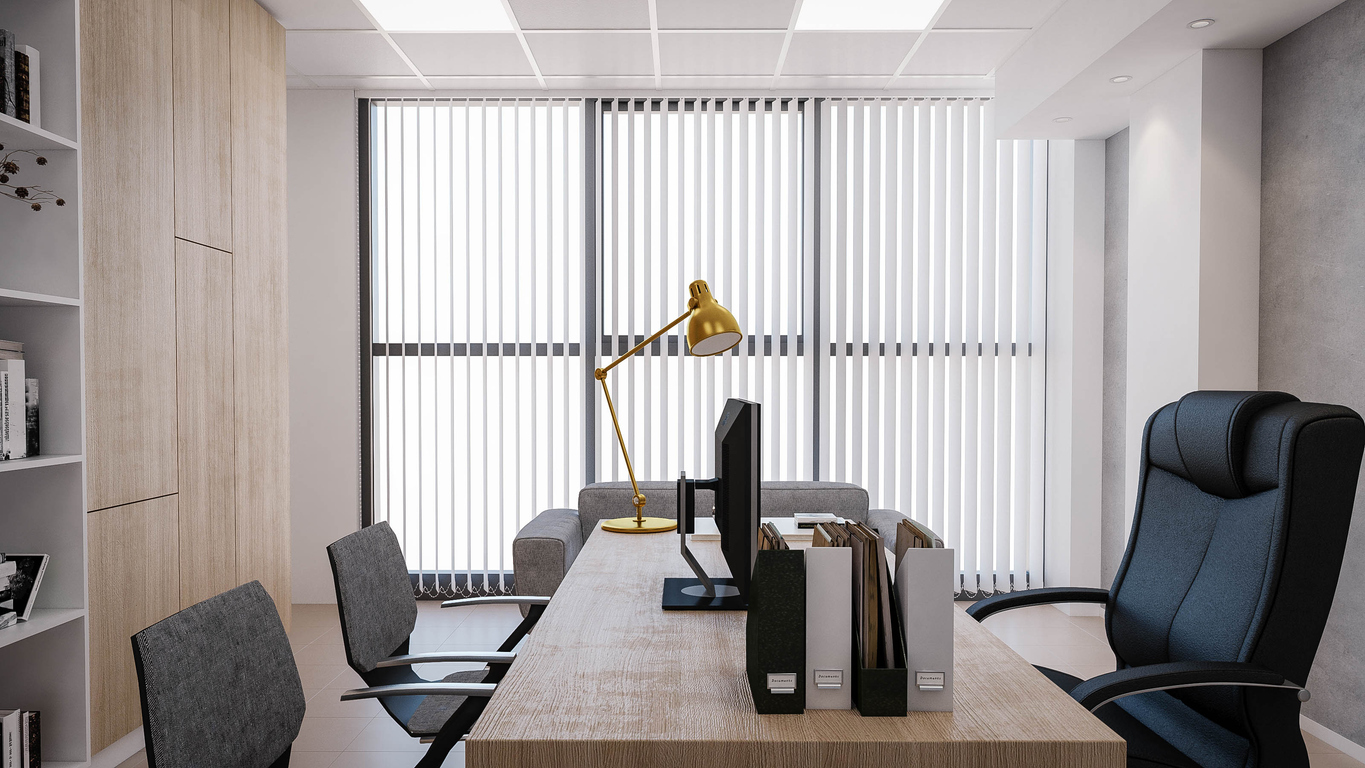
It’s a familiar problem for many North Texas homeowners. Your thermostat says 74 degrees, the living room feels comfortable, but one bedroom or home office feels like it’s at least 80.
You lower the thermostat, turn on a ceiling fan, and wonder why the air conditioning can’t seem to keep up.
The problem might not be your air conditioner at all.
In Southlake, TX, where summer temperatures regularly climb into the 90s and sometimes exceed 100 degrees, the amount of sunlight entering through your windows can have a significant impact on how comfortable individual rooms feel.
Large windows, west-facing rooms, insufficient insulation, and the wrong window coverings can all contribute to uneven indoor temperatures.
Fortunately, you don’t necessarily need to replace your windows or overhaul your HVAC system to address every hot room.
At Bumble Bee Blinds of Southlake, we help homeowners explore custom window treatments that manage sunlight, reduce glare, and improve everyday comfort.
Let’s look at why certain rooms become hotter than others and how choosing the right window coverings can help.
Why Is One Room Hotter Than the Rest of Your House?
A room can feel significantly warmer than neighboring rooms for several reasons, even when they share the same heating and cooling system.
Some of the most common causes include:
- Windows receiving prolonged direct sunlight
- West-facing or southwest-facing exposure
- Large windows or sliding glass doors
- Inadequate attic or wall insulation
- Air leaks around windows and doors
- Poor airflow or HVAC ductwork issues
- Heat-generating electronics and appliances
- Window coverings that provide little solar protection
In many homes, multiple factors contribute to the problem.
For example, a second-floor bedroom with west-facing windows may receive intense afternoon sunlight while also absorbing heat from the attic above.
Even when the air conditioning is operating properly, that room may remain warmer than the rest of the house.
Understanding the cause is the first step toward choosing an effective solution.
How Sunlight Through Windows Makes Your Home Hotter
Sunlight carries energy. When solar radiation passes through window glass and strikes floors, furniture, walls, and other interior surfaces, some of that energy is absorbed and converted into heat.
This process is known as solar heat gain.
The amount of heat entering your home depends on several factors, including the type of glass, window orientation, exterior shading, and intensity of sunlight.
A room with large windows exposed to direct afternoon sun can experience substantially more solar heat gain than a room with smaller, shaded windows.
Why West-Facing Windows Are Especially Challenging in Southlake
West-facing windows receive direct sunlight during the afternoon and early evening.
In North Texas, this often coincides with some of the hottest hours of the day.
By that point, your home’s roof, exterior walls, and surrounding surfaces may already have absorbed considerable heat.
Additional sunlight entering through west-facing windows can make maintaining a comfortable indoor temperature even more difficult.
This is particularly noticeable in rooms with large expanses of glass, including:
- Family rooms overlooking backyards
- Primary bedrooms
- Upstairs bedrooms
- Home offices
- Open-concept living areas
- Rooms with sliding patio doors
If a room feels comfortable in the morning but becomes noticeably hotter after lunch, window orientation and solar heat gain are worth investigating.
Can Window Shades Actually Make a Room Cooler?
Yes. Properly selected window shades can help reduce unwanted solar heat gain, making certain rooms more comfortable during hot weather.
However, not all window treatments perform the same way.
Some are primarily decorative, while others are designed to filter, reflect, or block sunlight.
The effectiveness of a shade depends on its material, color, construction, fit, and the window itself.
What Happens When You Close Your Shades?
When sunlight enters through an uncovered window, it can strike and warm interior surfaces.
Closing an appropriate window shade helps intercept some of that sunlight before it reaches furniture, flooring, and other objects in the room.
Depending on the fabric, some solar energy may be reflected toward the window, some absorbed by the shade, and some transmitted into the room.
Certain window treatments also create an insulating air space that slows heat transfer.
The result can be reduced solar heat gain and improved comfort, although the actual temperature difference varies.
For Southlake homeowners, selecting shades specifically for windows with significant sunlight exposure can be more effective than choosing the same decorative covering for every room.
The Best Window Treatments for Hot Rooms in Southlake, TX
If your primary goal is to manage heat and sunlight, several window treatment options are worth considering.
Each offers different advantages depending on your windows and how you use the room.
1. Cellular Shades: A Smart Choice for Window Insulation
Cellular shades, also known as honeycomb shades, are among the most appealing window treatments for homeowners concerned about insulation.
Their distinctive honeycomb construction creates pockets of air that help slow heat transfer between the window and the room.
Unlike a simple flat fabric covering, cellular shades provide an additional insulating structure.
This can be useful during both hot summers and cooler winter weather.
Why cellular shades work well in Southlake:
- They help reduce heat transfer through windows.
- They are available in light-filtering and blackout fabrics.
- Certain designs offer multiple layers of insulating cells.
- They provide privacy without requiring bulky window coverings.
- Motorized options can make daily operation more convenient.
For a bedroom that becomes uncomfortably warm in the afternoon, a properly fitted cellular shade may help improve comfort while also providing the privacy and light control needed for sleeping.
Double-cell designs may offer additional insulating potential, depending on the product.
Best for: Bedrooms, home offices, living rooms, and windows where insulation is a priority.
2. Solar Roller Shades: Reduce Glare Without Losing Your View
Many Southlake homes feature large windows overlooking patios, swimming pools, gardens, and landscaped backyards.
Homeowners often hesitate to cover these windows because they don’t want to lose their outdoor views.
Solar roller shades offer a potential solution.
These shades use specially designed screen fabrics that filter incoming sunlight while allowing varying degrees of visibility through the material.
Solar shade fabrics are available with different openness factors, commonly including 1%, 3%, 5%, and 10%.
Generally, a lower openness factor means a tighter weave that allows less direct sunlight and visibility through the fabric.
However, solar heat performance also depends on the material, color, and reflective properties of the fabric.
A 3% openness shade, for example, may offer a useful balance between glare reduction and daytime views.
Best for: West-facing living rooms, home offices, patio-facing windows, and spaces where maintaining outdoor views is important.
One important consideration: solar shades are generally not suitable as the sole nighttime privacy treatment because people outside may be able to see through them when interior lights are on.
3. Blackout Roller Shades: Maximum Fabric Light Blocking
Sometimes the goal isn’t to preserve the view. It’s to keep as much sunlight out of the room as possible.
Blackout roller shades use opaque fabrics designed to prevent light from passing directly through the material.
They’re particularly useful in bedrooms and media rooms where controlling light is essential.
Blackout fabrics can also reduce the amount of direct solar radiation reaching interior surfaces.
However, blackout does not automatically mean maximum insulation. Thermal performance varies by fabric construction, color, reflectivity, and installation.
Light may also enter through gaps along the edges of the shade.
Best for: Bedrooms, nurseries, media rooms, and spaces where room darkening is a priority.
4. Plantation Shutters: Adjustable Light Control
Plantation shutters are another popular option for Southlake homes.
Their adjustable louvers allow homeowners to change the direction and amount of sunlight entering a room.
Instead of completely raising or lowering a fabric shade, you can tilt the louvers to redirect incoming light.
Shutters also provide an attractive architectural appearance that complements many traditional and transitional interiors.
While their insulating performance depends on material and installation, shutters can help control direct sunlight and glare.
Best for: Living rooms, dining rooms, street-facing windows, and homeowners seeking a classic appearance with adjustable light control.
Which Window Treatment Is Best for a West-Facing Room?
For a west-facing room in Southlake, the best window treatment depends on whether your priority is insulation, preserving the view, or blocking sunlight.
| Your Priority | Window Treatment to Consider |
|---|---|
| Improve window insulation | Cellular shades |
| Reduce glare while keeping outdoor views | Solar roller shades |
| Darken a bedroom | Blackout cellular or roller shades |
| Adjust the direction of sunlight | Plantation shutters |
| Automate afternoon sun protection | Motorized shades |
There’s no single product that’s best for every west-facing window.
For example, a west-facing home office overlooking a backyard might benefit from solar roller shades that reduce screen glare while preserving the view.
A west-facing bedroom, on the other hand, might be better suited to blackout cellular shades that provide both light control and insulation.
Why Upstairs Bedrooms Often Feel Hotter
Second-floor bedrooms are especially susceptible to temperature differences.
Heat can enter through the roof and attic, and rooms on upper levels may receive additional exposure through windows.
Depending on the home’s design, HVAC airflow may also be less effective in certain upstairs spaces.
In Southlake homes with high ceilings, large second-floor windows, or rooms positioned above garages, these factors can combine to create noticeable temperature differences.
Can Cellular Shades Help an Upstairs Bedroom?
Cellular shades may help reduce heat transfer through the bedroom windows, particularly when properly fitted and closed during periods of strong sunlight.
Blackout cellular shades can also provide a darker sleeping environment.
However, window treatments cannot correct inadequate attic insulation, blocked air vents, or poorly balanced HVAC systems.
If an upstairs room remains excessively hot even when the windows receive no direct sunlight, it may be worth having the insulation and cooling system evaluated.
The most effective solution may involve a combination of improvements.
Should You Keep Your Shades Closed All Day During a Texas Summer?
Not necessarily.
The best approach depends on the direction your windows face and when they receive direct sunlight.
For example:
East-facing windows: Consider closing appropriate shades during the morning when direct sunlight enters.
South-facing windows: Manage direct sunlight according to the season, roof overhangs, and exterior shading.
West-facing windows: Closing shades before the strongest afternoon sunlight arrives can help reduce solar heat gain.
North-facing windows: These often receive less direct sunlight, although conditions vary with season and surrounding structures.
You don’t necessarily need to keep every shade closed throughout the day.
Instead, focus on the windows that receive the most unwanted sunlight.
This allows you to balance natural daylight, comfort, and outdoor views.
Motorized Shades Make Managing Afternoon Heat Easier
One challenge with using window treatments to manage heat is remembering to adjust them.
You might leave for work in the morning when your living room feels comfortable, only to return home to a room that has been exposed to hours of afternoon sunlight.
Motorized window shades can make this process more convenient.
Depending on the system, compatible motorized shades can be scheduled to open or close at specific times.
For example, a homeowner could schedule west-facing shades to lower in the early afternoon, before direct sunlight becomes most intense.
Certain systems also offer integration with compatible smart home platforms and sensors.
Benefits of Motorized Window Treatments
- Convenient operation of multiple shades
- Scheduled adjustments throughout the day
- Easier access to tall or hard-to-reach windows
- Reduced need for manual operation
- Compatibility with certain home automation systems
Motorization doesn’t change the basic insulating properties of a fabric, but it can make it easier to use your shades consistently.
For busy Southlake households, that convenience can be a meaningful advantage.
What About Large Windows and Sliding Glass Doors?
Large windows are attractive architectural features, but they also provide more surface area through which solar energy can enter.
This is especially relevant for homes with expansive windows overlooking outdoor living spaces.
If your family room features several large windows or sliding glass doors facing west, direct sunlight may contribute to uncomfortable afternoon conditions.
Custom window treatments can be selected to address these openings without compromising the room’s design.
Solar roller shades may help preserve daytime views, while cellular shades can provide additional insulating benefits.
For especially wide openings, multiple coordinated shades or specialized hardware may be required.
Professional measurements help determine the most appropriate configuration.
Does Window Shade Color Affect Heat Control?
Yes, but fabric color is only one part of the equation.
Light-colored and reflective materials can reflect more incoming solar energy under certain conditions, while darker fabrics may absorb more.
However, the amount of heat ultimately entering a room depends on the fabric’s overall construction and performance characteristics.
A dark solar shade with specialized reflective backing, for example, may perform differently from an ordinary dark fabric.
That’s why homeowners shouldn’t select window treatments for heat control based on color alone.
During your design consultation, ask about the solar and insulating performance of the specific materials you’re considering.
Do You Need New Windows, or Just Better Window Treatments?
Replacing older windows can be an effective way to improve energy performance, but it’s also a substantial investment.
Before committing to window replacement, consider whether your existing windows are functioning properly.
If the glass is intact, the frames are in good condition, and there are no significant air leaks, custom window treatments may provide a more affordable way to improve sunlight control.
However, shades cannot fix failed window seals, deteriorated frames, or major air leakage.
Signs Window Treatments May Help
- The room becomes hotter during direct sunlight.
- Furniture and flooring receive intense afternoon sun.
- Computer or television screens experience glare.
- Existing window coverings are thin or transparent.
- The room cools down after the sun moves away.
Signs You May Need Additional Improvements
- You feel drafts around closed windows.
- Condensation appears between insulated glass panes.
- Window frames are damaged or deteriorating.
- The room remains hot even without direct sunlight.
- HVAC airflow is noticeably weaker than in other rooms.
Window treatments can be part of an effective comfort strategy, but it’s important to identify the underlying problem.
How to Choose Window Treatments for Your Southlake Home
Before selecting new shades or blinds, evaluate each room individually.
Start by asking yourself a few questions.
When Does the Room Become Uncomfortable?
If the room becomes hottest during the afternoon, west-facing sunlight may be a major factor.
If it remains warm throughout the night, other issues may be contributing.
How Important Is the Outdoor View?
If you want to maintain visibility into your backyard, solar roller shades may be worth exploring.
If privacy and darkness are more important, cellular or blackout shades may be preferable.
Do You Need Daytime and Nighttime Privacy?
Some light-filtering and solar materials provide limited nighttime privacy.
Bedrooms and street-facing rooms may require more opaque fabrics.
How Often Will You Adjust the Shades?
For windows that need frequent adjustment, motorization may provide additional convenience.
Is Insulation a Major Priority?
If you notice substantial temperature changes near the windows, consider cellular shades and other window coverings with appropriate thermal performance.
By evaluating these factors, you can choose window treatments that address actual comfort concerns rather than focusing on appearance alone.
Custom Window Treatments for Southlake and Surrounding Communities
At Bumble Bee Blinds of Southlake, we understand that North Texas homes face unique challenges when it comes to sunlight and indoor comfort.
Whether you live in Southlake, Grapevine, Colleyville, Keller, Bedford, Euless, Coppell, or a nearby community, the right window treatments can help you manage sunlight while enhancing your home’s appearance.
Our team provides personalized in-home design consultations, custom measurements, product recommendations, and professional installation.
We can help you explore cellular shades, roller shades, solar shades, shutters, and motorized window treatments based on your windows, design preferences, and budget.
Frequently Asked Questions About Hot Rooms and Window Treatments
Why is my bedroom hotter than the rest of my house?
A bedroom may be hotter because of direct sunlight, window orientation, attic heat, inadequate insulation, or HVAC airflow issues. If the room becomes noticeably warmer during sunny afternoons, solar heat gain through windows may be contributing to the problem.
What are the best blinds or shades to keep Texas heat out?
Cellular shades are worth considering because their honeycomb construction helps reduce heat transfer. Solar roller shades can help manage glare and solar heat gain while preserving daytime views. The best option depends on the window and the specific product’s performance.
Do blackout shades keep a room cooler?
Blackout shades can reduce direct sunlight entering a room, which may help limit solar heat gain. However, blackout fabrics differ in their insulating and reflective properties, so they do not all provide the same thermal performance.
Are cellular shades better than roller shades for insulation?
Cellular shades generally offer an insulating advantage because their hollow cells create air pockets that help slow heat transfer. Standard roller shades use a flatter fabric construction, although specialty roller fabrics may provide useful solar control.
Should I close west-facing blinds in the afternoon?
Closing suitable window coverings before intense afternoon sunlight enters west-facing windows can help reduce unwanted solar heat gain. This is especially useful during hot North Texas summer days.
Can motorized shades help reduce cooling costs?
Motorized shades can make it easier to close window coverings consistently during periods of strong sunlight. This may help reduce cooling demand, although actual energy savings depend on the shade, windows, home, and operating schedule.
Are solar shades good for Southlake homes?
Solar shades can be particularly useful in Southlake homes with large windows and strong sunlight exposure. They help reduce glare while preserving varying degrees of daytime visibility to the outdoors.
Can window treatments fix a room that’s always hot?
Window treatments can help when solar heat gain through windows is a significant cause. However, they cannot resolve problems such as inadequate attic insulation, air leakage, or insufficient HVAC airflow.
Make Your Southlake Home More Comfortable With Custom Window Treatments
If one room in your home always seems hotter than the others, your windows may be contributing to the problem.
Choosing the right window treatments can help manage sunlight, reduce glare, improve privacy, and create a more comfortable living environment.
At Bumble Bee Blinds of Southlake, we’ll help you explore solutions based on your home’s window orientation, sunlight exposure, and everyday needs.
Whether you’re interested in insulating cellular shades, solar roller shades, blackout window coverings, or convenient motorized systems, our team can guide you through your options.
Schedule your free in-home design consultation with Bumble Bee Blinds of Southlake today.
Call (817) 631-8706 to learn more about custom window treatments for your Southlake home.