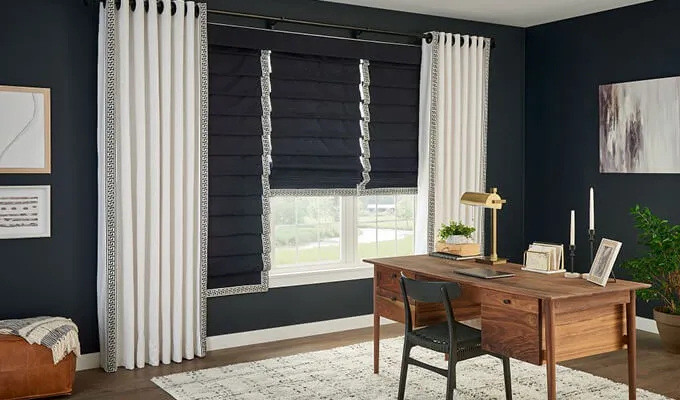
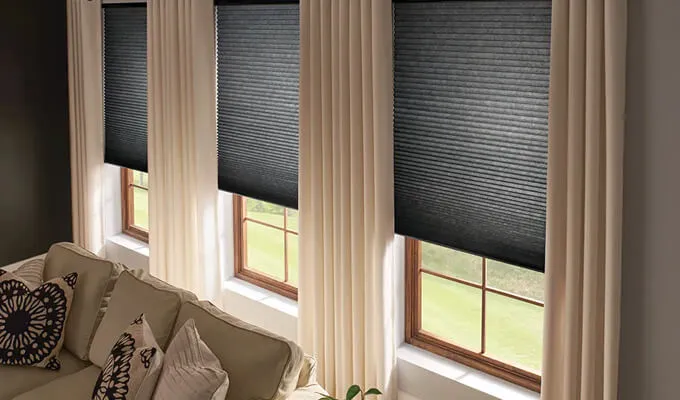
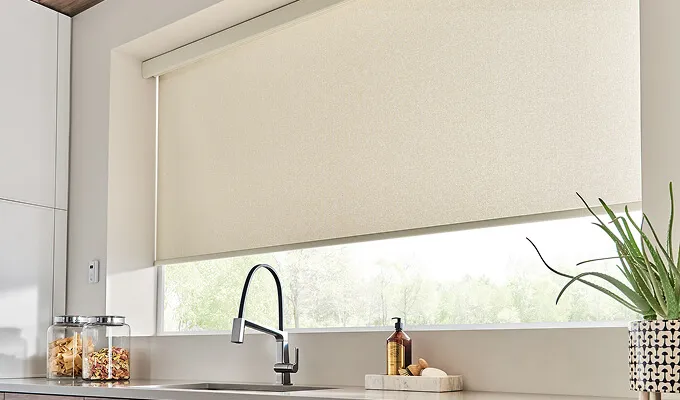
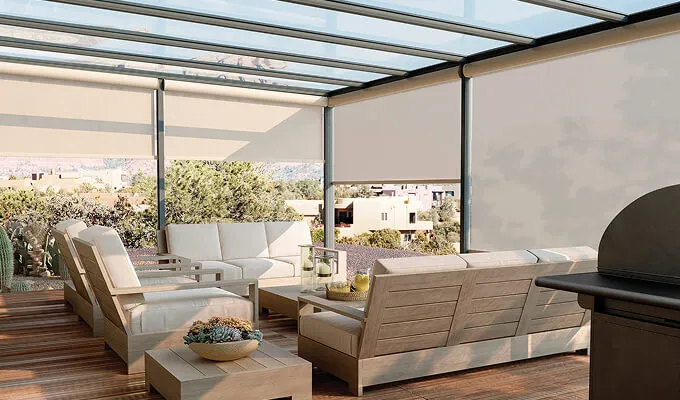
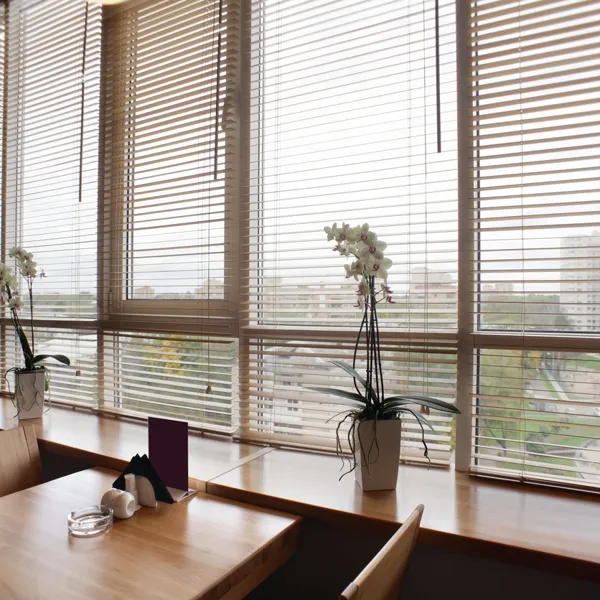
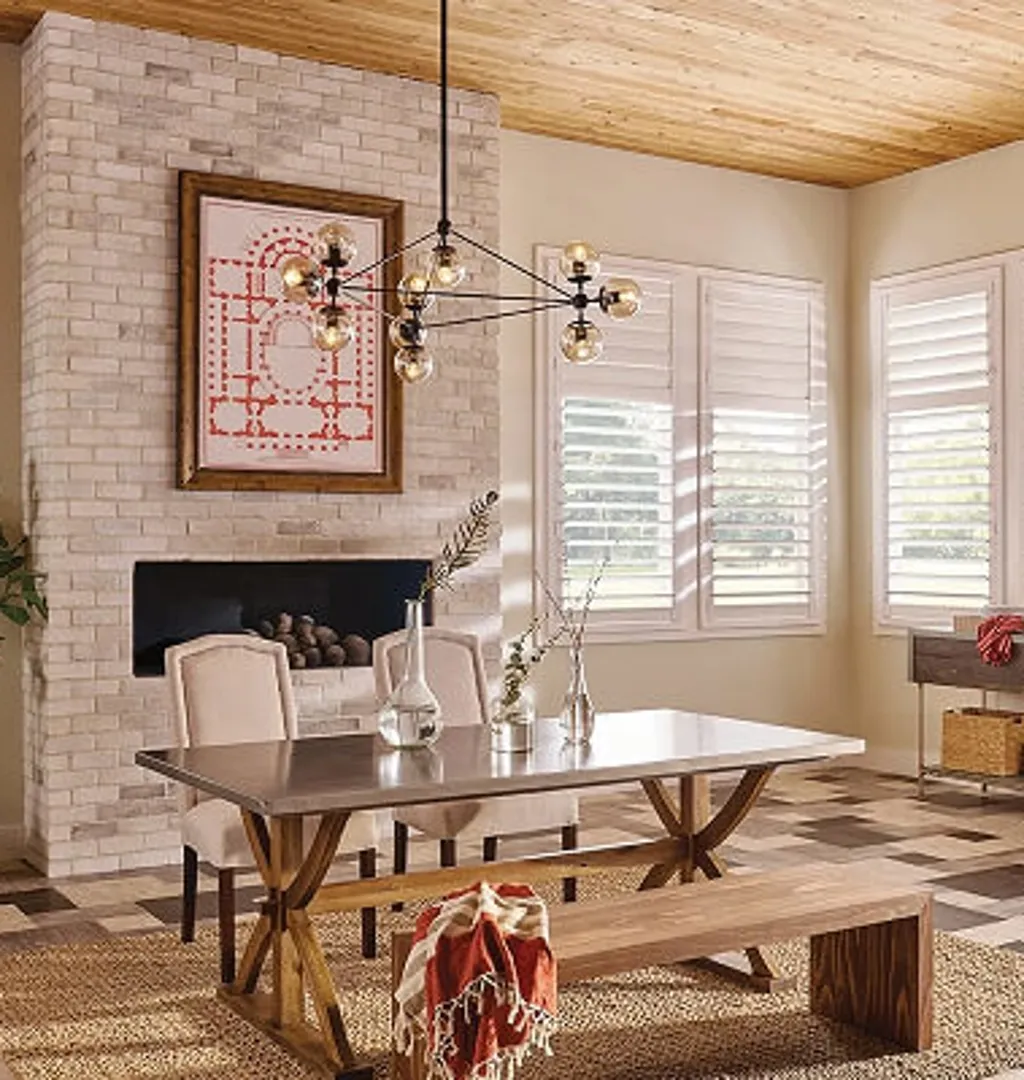
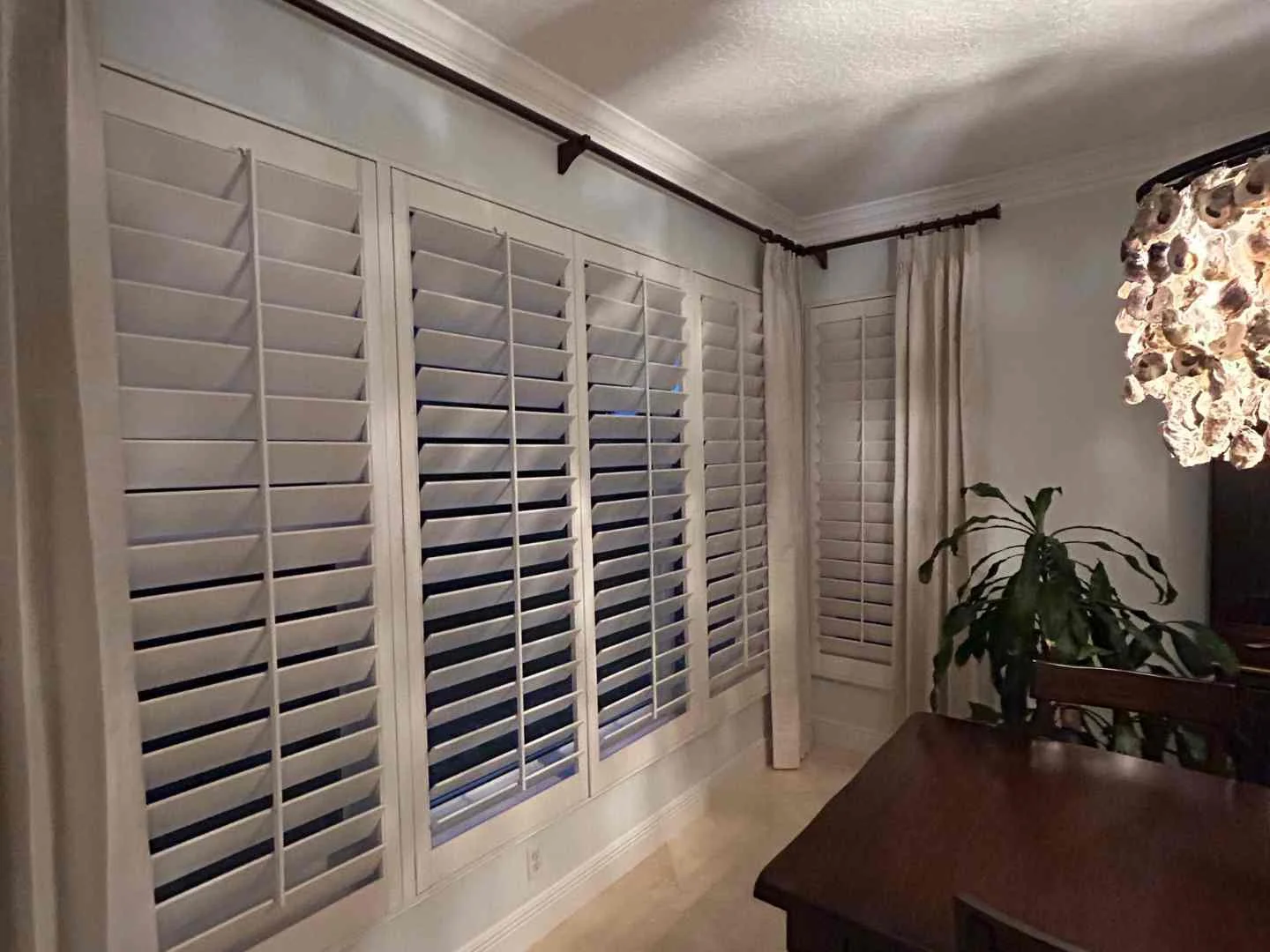
Been meaning to update your window treatments all year? Here’s why fall in Palm Beach is the ideal window to finally get it done — before the holiday rush hits.
There’s a particular kind of home project that lives on every homeowner’s mental list for months, sometimes years, without ever actually getting scheduled. In a lot of Palm Beach homes, that project is window treatments. Maybe it’s the shutters you’ve meant to replace since you moved in. Maybe it’s the shade in the primary bedroom that’s been slightly broken since spring. Maybe it’s an entire room that’s never had proper coverage at all, just a stopgap solution you told yourself was temporary two years ago.
If any of that sounds familiar, fall is the season to stop putting it off. Here’s why the timing actually matters more than you might think.
Fall Is When Your Brain Is Wired to Reset
Even in a place where the seasons don’t change dramatically, fall carries a psychological weight that’s hard to shake. Back-to-school schedules kick back in. The summer’s “we’ll get to it eventually” mentality starts to fade. Calendars fill up with structure again after a looser summer pace. Psychologically, most people experience fall the way they experience January 1st — a natural checkpoint for tackling things that got shelved.
Window treatments are exactly the kind of project that benefits from this mental reset. It’s not urgent in the way a leaking roof is urgent, which is precisely why it’s so easy to defer indefinitely. But “not urgent” doesn’t mean “not worth doing” — it just means it needs a deliberate nudge to actually get scheduled, and fall provides that nudge naturally.
The Calendar Math Actually Works in Your Favor
Custom window treatments aren’t off-the-shelf purchases. Plantation shutters, motorized shades, and other made-to-order products go through a design consultation, precise measurement, manufacturing, and installation — a process that typically takes several weeks from start to finish.
If you start that process in fall, you’re generally looking at completion well before the holidays arrive. Wait until November or December instead, and you’re competing with everyone else who suddenly wants their home “guest-ready” at the exact same time — which can mean longer lead times, tighter installation schedules, and less flexibility on timing.
Starting earlier in fall means you get ahead of that seasonal bottleneck rather than getting caught in it. It also gives you more room to make thoughtful decisions instead of rushed ones. When a project starts in October, there’s no pressure to pick the first fabric or style that looks “good enough” just to make a deadline. You have time to compare a few options, sit with a sample in the actual room it’s going in, and see how it looks in your home’s real lighting at different times of day — something that’s much harder to do when you’re racing to finish before a specific date on the calendar.
There’s a practical financial angle here too. Homeowners who wait until the last minute are often more willing to compromise — settling for whatever’s readily available rather than the option that actually fits their space and budget best. Starting the process with a few extra weeks of breathing room means you’re making decisions based on what’s right for your home, not what’s fastest to get installed before company arrives.
You Actually Have the Bandwidth Right Now
Think about your household’s calendar honestly for a second. Late summer often comes with vacations, kids finishing up camp, and a general sense of “let’s just get through August.” The run-up to the holidays, on the other hand, fills up fast with travel planning, hosting prep, and end-of-year work deadlines.
The stretch in between — early-to-mid fall — is often the calmest window most households get all year. It’s genuinely one of the few times when scheduling a home consultation, being present for measurements, and coordinating an installation day doesn’t feel like squeezing in one more thing on an already packed calendar.
This matters more than it might seem, because projects like this tend to stall out at the scheduling stage, not the decision-making stage. Most homeowners already have a rough idea of what they want done — it’s finding forty-five minutes for a consultation, then coordinating a measurement visit, then being home for installation, that keeps getting bumped for something that feels more urgent in the moment. Fall’s natural lull removes that excuse. The calendar friction that normally kills a project before it starts simply isn’t there in the same way.
Small Annoyances Are Easier to Notice (and Fix) Right Now
If you’ve been living with a window treatment problem for months, there’s a good chance you’ve simply stopped noticing it day-to-day — until something forces your attention back to it. Fall is often that trigger. As natural light patterns shift and you start spending more time in certain rooms again (home offices post-summer, dining rooms as hosting season approaches), the things that have quietly been bothering you tend to resurface.
That shutter with the sticking hinge. The shade that never quite lines up right. The room where you’ve been using a temporary curtain because you never got around to measuring for something real. Fall is when those small annoyances tend to become “I should actually deal with this” moments — which makes it the right time to act on that instinct instead of letting it pass again.
It’s Easier to Evaluate a Room Without the Rest of the Year’s Distractions
Design decisions are easier to make with a clear head, and fall tends to offer that more than other parts of the year. You’re not distracted by summer travel plans or scrambling through the holiday season. You can actually walk through your home, room by room, and think clearly about what’s working, what isn’t, and what you’d change if you could start over.
That clarity matters for a project like window treatments, where the right choice depends on how you actually use a room — how much privacy you need, how the light moves through it at different times of day, whether it’s a space for hosting or a private retreat. Fall gives you the mental space to actually think that through, rather than defaulting to whatever’s fastest.
Starting the Process Doesn’t Mean Committing Immediately
One reason window projects get put off for so long is the assumption that starting means immediately signing off on something. In reality, the first step is just a conversation — an in-home consultation where a designer looks at your space, talks through what’s bothering you about your current setup, and shows you real options. There’s no obligation at that stage, and it often clarifies a project that’s felt vague and overwhelming for months into something concrete and manageable.
If the thing that’s been holding you back is not knowing where to start, that first conversation is designed to solve exactly that problem.
Frequently Asked Questions
How long does a typical window treatment project take from consultation to installation?
Timelines vary by product and order size, but most custom projects — shutters, motorized shades, or other made-to-order treatments — take several weeks from the initial measurement to final installation. Starting in fall generally means the project wraps up well before the holiday season gets busy.
Do I need to know exactly what I want before scheduling a consultation?
No. Most homeowners come into a consultation with a general sense of what’s bothering them (too much glare, no privacy, an outdated look) rather than a fully formed plan. Part of the consultation is narrowing that down together and showing you options you may not have considered.
Is fall really a better time than spring or summer to start a project like this?
It can be, mainly because of calendar timing. Fall gives you a natural lull before the holiday season fills up, and starting early means you’re less likely to run into the scheduling crunch that tends to hit in November and December when everyone wants projects finished before guests arrive.
What if I only want to update one room instead of the whole house?
That’s common, and it’s a perfectly reasonable way to approach a project. Many homeowners start with the room that bothers them most — often a living room, primary bedroom, or home office — and expand to other rooms later once they see the results.
Will a consultation pressure me into buying something right away?
A consultation is meant to be informational first. You’ll get a clear look at your options and a real quote, but you’re never obligated to move forward on the spot. It’s simply the fastest way to turn a vague “I should deal with this” into an actual plan.
Stop Putting It Off — Start the Conversation
If there’s a window treatment project you’ve been meaning to get to, fall is the season to actually make the call. Bumble Bee Blinds of Palm Beach offers free, no-obligation in-home consultations to help you figure out exactly what your space needs — and get it done before the holidays fill up your calendar and everyone else’s installation schedule.
Ready to finally cross it off the list? Schedule your free consultation with Bumble Bee Blinds of Palm Beach today.