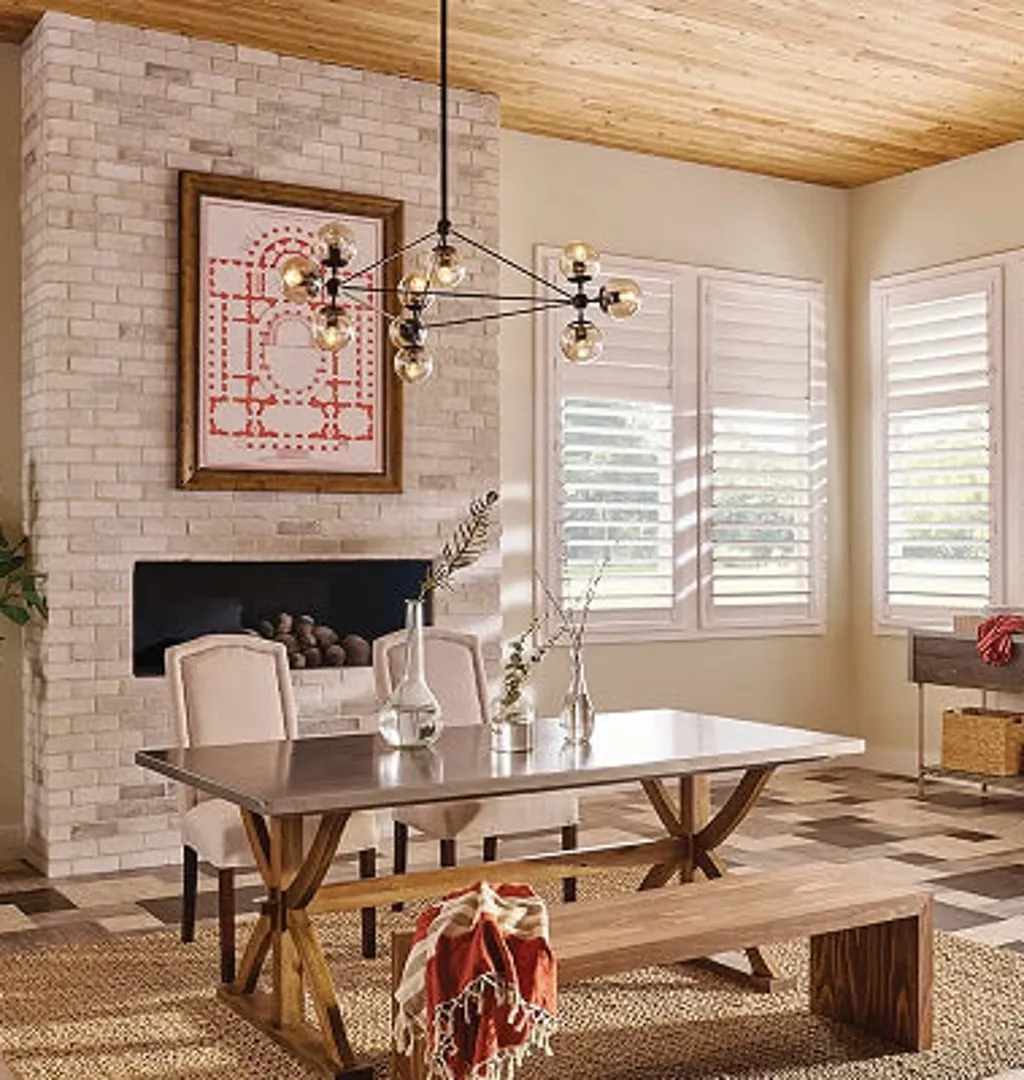
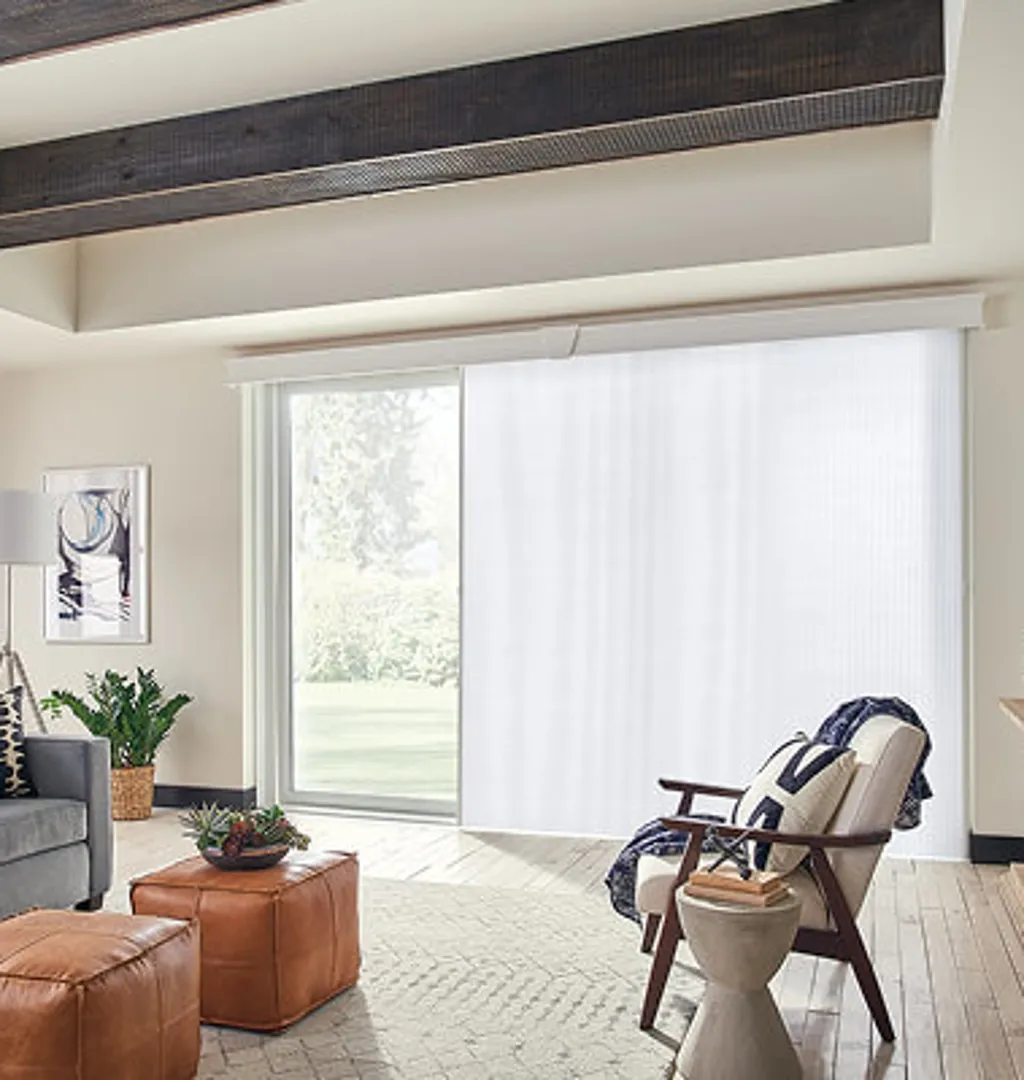
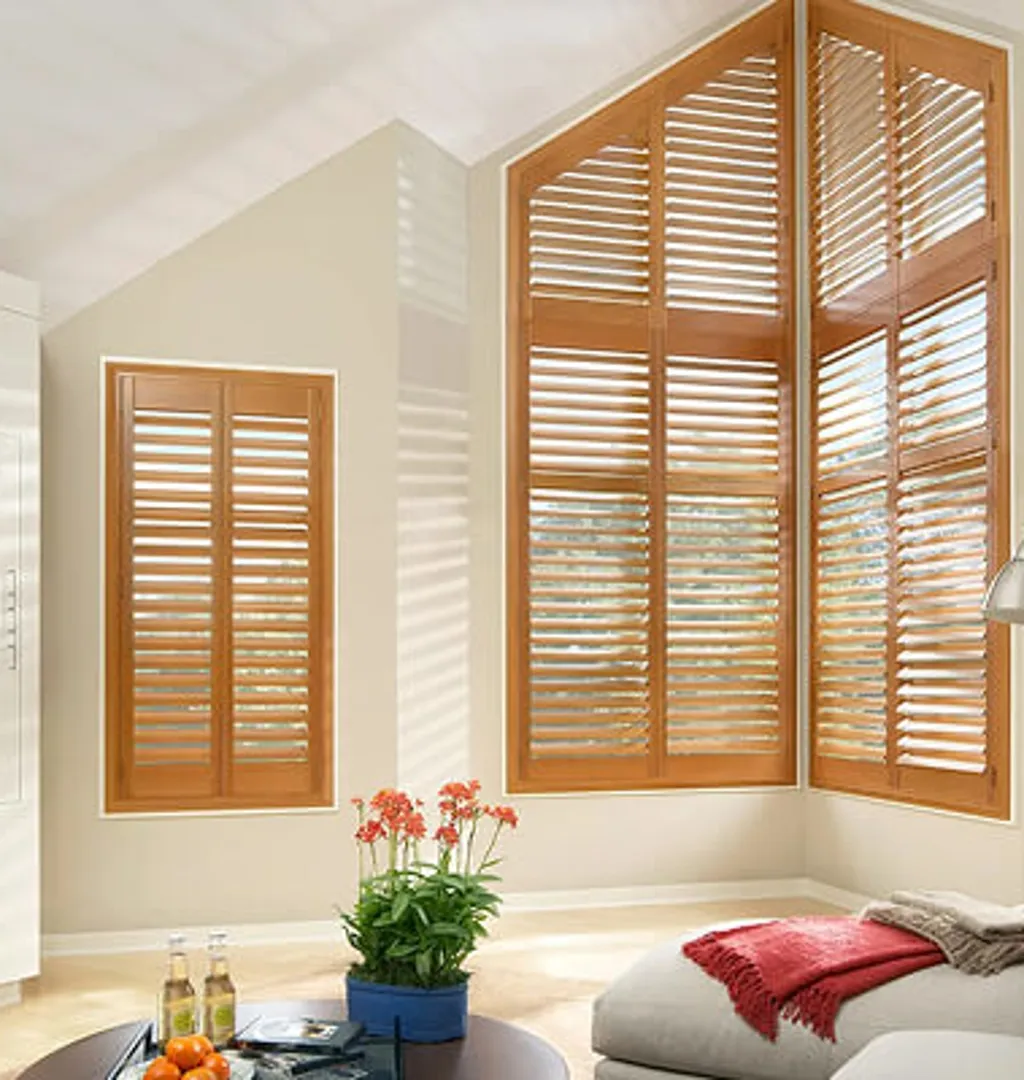

Enhance your interior design by thoughtfully pairing blinds with curtains! While the primary function of window blinds and curtains is often to regulate light and provide privacy, their strategic combination can profoundly influence the room’s atmosphere.
Create an inviting and sophisticated home décor by striking the perfect balance between functionality and aesthetics, ensuring control over light, privacy, and style, while also enriching the ambiance. Explore the essential guidelines and creative tips for harmonizing drapery and blinds in the sections that follow.
Why Use Curtains and Blinds?
Mixing curtains and blinds has aesthetic and practical advantages. This favored option among interior designers offers versatility, catering to various needs. Let’s examine some of the main benefits of this window cover combination below.
Light Control
Enhance any room’s ambiance with curtains that allow soft, natural light to filter in while maintaining daytime privacy. Crafted from delicate, translucent fabrics available in various colors, styles, and weights, sheer curtains add a touch of elegance.
For moments requiring a darker room, turn to block-out roller blinds. These blinds create a cozy atmosphere during movie time and are designed to block incoming light. Combining the versatility and functionality of sheer curtains and block-out roller blinds provides considerable light control.
Temperature Control
Curtains filter sunlight, reducing its intensity and enabling temperature control and energy efficiency inside the home. During scorching weather, closing block-out roller blinds will maintain a colder room and alleviate the strain on an HVAC system. Thermal block-out roller blinds with superior insulation remain an excellent investment in preparation for hot summers.
Acoustic Insulation
Pairing heavy curtains with vertical blinds will help soundproof a room, diminishing external noise and establishing a serene indoor atmosphere. This benefit significantly improves the lifestyles of residents living near bustling roads or disruptive neighbors.
Privacy Control
Sheer curtains present a solution for maintaining privacy during the day, obstructing the view into a home. However, when privacy becomes a concern at night, combining drapes with blackout shades will prevent anyone from peering inside the house.
UV Protection
Enhance a home’s UV protection by using drapery and blinds to block sun rays. Heavy curtains are an excellent choice for maximum light filtering. They prevent the fading of furniture, flooring, and other interior elements. If paired with blackout blinds, they will completely block UV rays when fully closed.
Curtains and Blinds Unlock New Options
More options exist when decorating windows with a combination of blinds and curtains. In colder climates, use heavier curtains for insulation during winter nights. On the other hand, lighter curtains allow ample natural light to create a more lively atmosphere. Hang curtains with blinds in bedrooms to keep the room dark for better sleep quality. Heavier curtains paired with Venetian blinds provide flexibility, providing extra control over light transmission.
Curtains complement roller blinds, honeycomb blinds, pleated blinds, wooden blinds, and faux wood blinds. For practical homeowners, aluminum mini blinds offer simplicity and flexibility. Faux wood blinds are a great alternative to wood and still achieve the same classic look.
The Do’s and Don’ts of Pairing Blinds and Curtains
Most homeowners want the ability to control privacy and sunlight. Others focus on the transformative impact of window covers. Either way, the combination of curtains and blinds will instantly enhance a home’s atmosphere. Uncover the secrets of window treatment professionals who integrate curtains and blinds to achieve the perfect ambiance.
| Design Element | Do | Don’t |
| Mixing patterns | Pair a solid curtain with a patterned wood blind, or the reverse, for a layered look that still feels balanced. | Combine two busy patterns. Print-on-print tends to overwhelm a room, especially a smaller one. |
| Proportions | Hang custom drapery panels 12 to 24 inches above the window frame and let them graze the floor. This tricks the eye into seeing taller windows and higher ceilings. | Hang curtains at the exact top edge of the window. It shrinks the space visually instead of opening it up. |
| Hardware and accessories | Use a simple tieback or a low-profile wall-mounted hook, and finish rods in a matte tone. A custom drape or curtainwith a pelmet hides hardware and boosts insulation. | Reach for oversized, glossy rods or tasseled tiebacks. They compete with the window treatment instead of complementing it. |
| Layering for coziness | Layer a roman shade or cellular shade behind the curtain, paired with a sheer shade or lightly textured fabric. | Overload the window with heavy, glossy fabrics that make the layering feel bulky instead of warm. |
| Consistency across the home | Choose a distinct pairing for each room from the full shadesand drapes and curtains lineup, based on that room’s light needs. | Use the same curtain style in every room. It flattens each space’s character instead of giving it its own mood. |
Do Pick the Blinds First
When pairing curtains and blinds, first select the blinds that best suit the room. Roller or Venetian blinds remain popular choices, complementing most drapes and providing a solid color base. Consider color and fabric selections that harmonize with the overall room décor.
Many interior designers prefer blinds with timber or aluminum materials because they offer a natural look with warm colors that pair well with most curtains. They usually choose a muted shade as the focal color of wood blinds.
Today’s modern designers might hang curtains with a burnt orange shade for a vibrant contrast against the natural tones of the timber blinds, especially if the room features cool colors like blues and whites. For a more subtle look, white or light cream drapes will create a crisp, clean appearance that complements most blind styles.
Don’t Combine Print With Patterns
Improve the appearance of any bedroom by choosing the right combination of curtains and blinds. An interior designer may pair a solid color curtain with printed blinds for a harmonious layered look. This approach will create a balanced effect, especially in small, busy spaces.
If homeowners prefer the natural texture of wood, designers might add a solid-colored curtain for balance or patterned drapes for a traditional look. Before mixing colors and patterns, a designer will thoroughly check combinations that match the existing interior design.
Do Choose Tall, Broad Options
One of the significant advantages of combining curtains and blinds is the ability to alter your guests’ perceptions of window sizes. By pairing curtains and blinds, interior designers will create the illusion of large windows and a higher ceiling.
Installing Roman shades near the ceiling will change how spacious a room looks. Installers can hang the curtain rods 30-60 centimeters above the windows to enhance the effect. This method also allows the drapery to gently brush the floor, adding elegance to a room and maximizing its visual appeal.
Don’t Hesitate to Add Accessories
Choosing one or two accessories can add a unique flair to windows. For tiebacks, modern designers often use a simple piece of tieback fabric to achieve an elegant draped effect. Another great alternative is a discreet wall-mounted metal piece hung behind the curtains.
The decorative pieces designers are cautious with are large, ostentatious metal curtain rods or tiebacks with tassels. They may clash with the natural shades of timber. Adding pelmets over curtains is an excellent way to enhance windows, giving them a classic look and added depth.
These features will conceal curtain tracks and operational components for a seamless finish. They also offer better insulation and complete light blockage. Roman blinds with pelmets are popular due to their sleek, refined appearance.
Do Make the Room Feel Cozy
Achieving fullness with your window treatment will transform the overall look and feel of the space to make it more welcoming. Interior designers layer blinds behind curtains to accomplish this effect. Layering Roman blinds can also create a cozy and elegant atmosphere.
These blinds are available in various options, including sheer, textured, or blackout, making them an excellent choice in any situation. When paired with linen sheers, Roman blinds make an even stronger statement. For a more relaxed, simplified effect, interior designers utilize timber blinds and pair them with sheers that lack a heavy sheen or metallic threading.
Don’t Pick the Same Curtains for the Whole House
Almost all interior designers avoid using a single curtain set throughout a house. This kind of decor will create confusion between the spaces. Combining blinds and curtains helps pull one entire space together and bring about the desired atmosphere in each room.
Since the ambiance varies from room to room, interior designers choose a style that resonates with their clients. They also consider the amount of light they want to allow into each room. This method lets them experiment with different styles, such as using neutral, fitted sheers, and observe how they interact with the natural light.
Do Match the Window Covers With the Curtain Rod
Interior designers should consider the hardware when installing curtains and blinds, including the curtain rods. Before designers decide on the shades, they must ensure the rod complements the window treatments.
Interior designers usually avoid using high-shine curtain rods because they might overpower the curtains and blinds. Using hardware with a matte finish will maintain a cohesive look that enhances the selected window cover style.
How to Measure Curtains and Blinds for the Best Fit
Proper sizing makes the biggest difference when layering curtains and blinds. Even beautiful window coverings can look awkward if they’re installed too low, too narrow, or without enough fullness.
Follow these professional measuring guidelines:
1. Mount Curtain Rods Higher Than the Window Frame
Install curtain rods 4–6 inches above the window trim to create the illusion of taller ceilings. In rooms with ample wall space, mounting closer to the ceiling enhances a dramatic floor-to-ceiling effect.
2. Extend the Rod Beyond the Window Frame
Extend curtain rods 6–12 inches wider than the window frame on each side. This allows curtain panels to stack neatly without blocking natural light when open and makes the window appear larger.
3. Use Proper Fullness for Custom Drapery
For a rich, tailored look, use 2x fullness. This means the total width of your curtain panels should be roughly double the width of the window. Custom drapery with adequate fullness creates softer folds and a more luxurious finish.
4. Let Curtains Lightly Touch the Floor
For a clean, modern appearance, curtain panels should lightly graze the floor. In more traditional spaces, a slight “puddle” adds elegance and depth.
Get Expert Help Designing Your Curtains and Blinds
Layering window blinds and curtains correctly requires precise measurements, proper hardware selection, and thoughtful fabric coordination. Whether you’re looking for custom drapery, motorized window coverings, or professional curtain installation, experienced design consultants can help you create a cohesive look tailored to each room.
If you’re searching for custom curtains near you or exploring the best custom curtains online, working with a professional ensures a seamless fit and long-lasting results.
Book your free consultation with Bumble Bee Blinds today and transform your space with beautifully layered window coverings.
Curtains and Blinds for Every Room
Layering curtains and blinds isn’t a one-size-fits-all approach. The right window coverings depend on how each room functions, how much light control you need, and the overall aesthetic you want. Here’s how to pair window curtains and blinds throughout your home.
Living Room Curtains and Blinds
The living room is often the most visible and frequently used space in a home, so your curtains and blinds should balance design with everyday functionality.
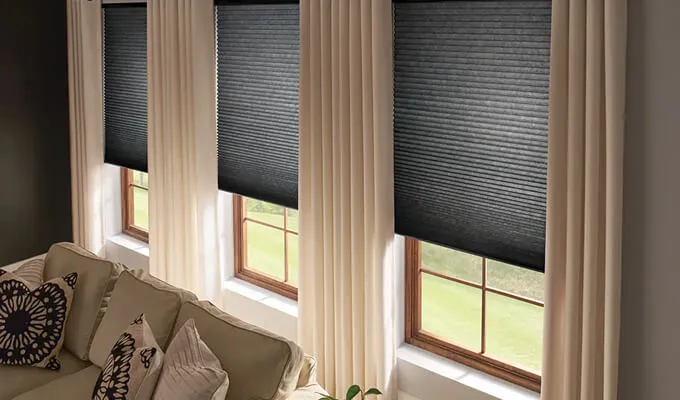
- Layer Sheers: Layer sheer curtain panels over roller shades or cellular shades to soften incoming light while maintaining daytime privacy.
- Floor-to-Ceiling Drapery: For rooms with tall windows, floor-to-ceiling custom drapery instantly adds height and drama.
- Hang Rods Beyond the Frame: Extending curtain panels beyond the frame creates a more expansive, high-end look. If your living room features vertical blinds, adding custom curtains slightly wider than the frame will conceal the tracks and elevate the overall aesthetic.
- Use Motorized Treatments for Convenience: For large or hard-to-reach windows, motorized blinds provide effortless light adjustment. Pair motorized window shades with decorative curtain panels to achieve a polished, layered appearance that feels both modern and timeless.
Bedroom Curtains and Blinds
Bedrooms benefit most from layered window coverings that prioritize privacy and sleep quality.
- Prioritize Light Control: For maximum darkness, combine blackout curtains with room-darkening cellular shades. This blind and curtain combination creates superior insulation while blocking outside light more effectively than a single layer alone. Wood blinds or faux wood blinds provide adjustable light control during the day, while floor-length drapery adds softness and nighttime privacy.
- Lean into the Classic Look: Curtains over horizontal blinds are especially popular in bedrooms. If you prefer a cleaner look, consider rod pocket or grommet curtain panels paired with neutral blinds. This creates visual simplicity while maintaining full functionality.
Home Office Window Coverings
In a home office, glare reduction and light filtering are key.
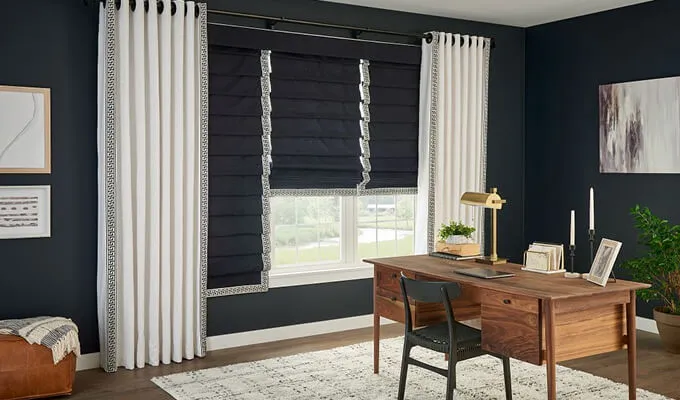
- Reducing Screen Glare: Pleated shades or light-filtering cellular shades help reduce screen glare without darkening the entire space. Layering them with tailored curtain panels creates a professional, finished appearance suitable for video calls and focused work.
- Consider Your Office Layout: For offices with strong afternoon sun, combining blinds and curtains allows you to adjust brightness throughout the day while maintaining energy efficiency. This flexible window shades, blinds, and curtains setup ensures comfort without sacrificing style.
Blind and Curtain Combination Ideas
If you’re looking for design inspiration, these curtain and blind combination ideas work beautifully in a variety of homes:
Curtains Over Vertical Blinds
Install curtain panels slightly wider and taller than the window frame to soften the structured look of vertical blinds. This approach adds warmth and dimension while keeping functionality intact.
Curtains Over Horizontal Blinds
Curtains Over Horizontal Blinds
Layer custom drapery over wood or faux wood blinds to combine texture with precise light control. This is one of the most practical and stylish ways to blend blinds and curtains.
Roman Shades + Linen Sheers
Roman shades offer clean lines, while lightweight linen sheers create movement and softness. This pairing works especially well in living rooms and dining areas.
Wood Blinds + Custom Drapery
Timber blinds introduce natural warmth, while tailored custom curtains enhance depth and elegance. Add decorative finials or matte-finish hardware to complete the look.
Motorized Shades + Floor-Length Curtain Panels
For modern homes, motorized blinds paired with floor-to-ceiling curtain panels deliver convenience and elevated design. This setup is ideal for expansive windows or open-concept spaces.
Valances or Pelmets for a Finished Look
Adding valances or structured pelmets can conceal hardware while improving insulation and light blockage. These details create a cohesive, designer-level finish.
Frequently Asked Questions About Curtains and Blinds
Yes. Combining blinds and curtains improves light control, privacy, insulation, and design flexibility. Layering window coverings allows homeowners to adjust brightness throughout the day while enhancing visual depth.
Layered window treatments are trending, but they’re timeliness. Designers often combine custom drapery with roller shades, cellular shades, or motorized blinds to achieve both modern function and elevated aesthetics.
Absolutely. Many homes use blinds for privacy and light control while adding curtains for softness and insulation. This layered approach is common in bedrooms, living rooms, and home offices.
Curtain panels or custom drapery installed slightly wider than the window frame help conceal vertical blinds while softening the overall look.
Get Your Layered Window Treatments From Bumble Bee Blinds
Now that you know the benefits of combining blinds with curtains, improve your home’s interior design. Our creative window treatment experts can install the perfect blinds and curtains in any style. Call Bumble Bee Blinds at (844) 387-1716 to book a free consultation today!