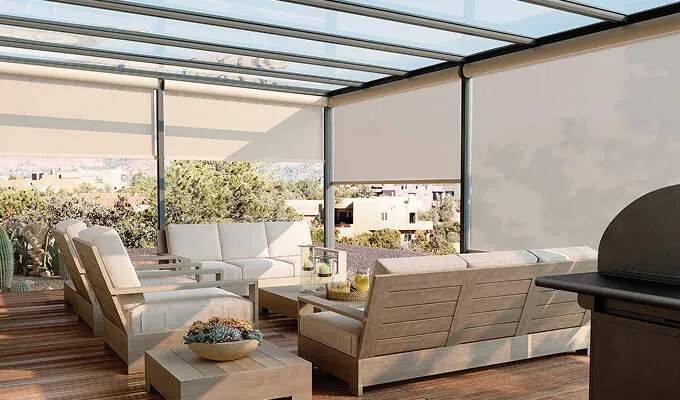
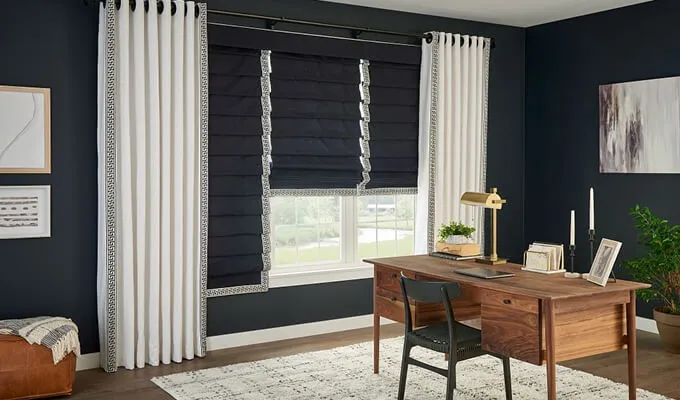
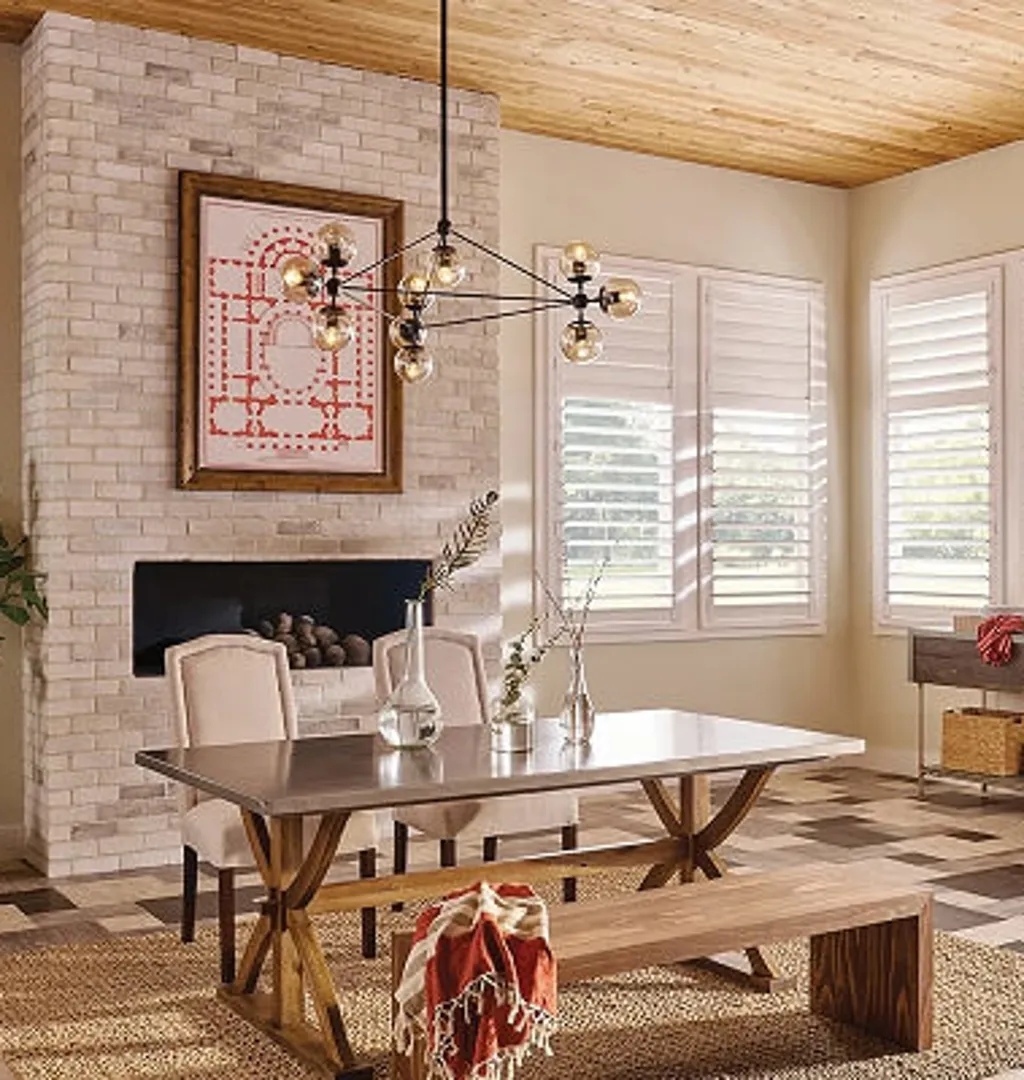
Blackout curtains vs blackout shades is one of the most common comparisons homeowners make when trying to create a truly dark room. On the surface, both options promise the same result, but the real-world performance is very different once installed.
When people search for blackout window treatments, they are usually trying to solve one thing. Light is getting in when it shouldn’t.
The confusion comes from the options. Blackout curtains and blackout shades both claim to block light, but they perform very differently once installed. What looks good in a photo does not always translate to real darkness in your home.
If you are trying to create a true blackout environment, especially in a city like Austin where sunlight is intense, the details matter more than the label.
What “Blackout” Actually Means
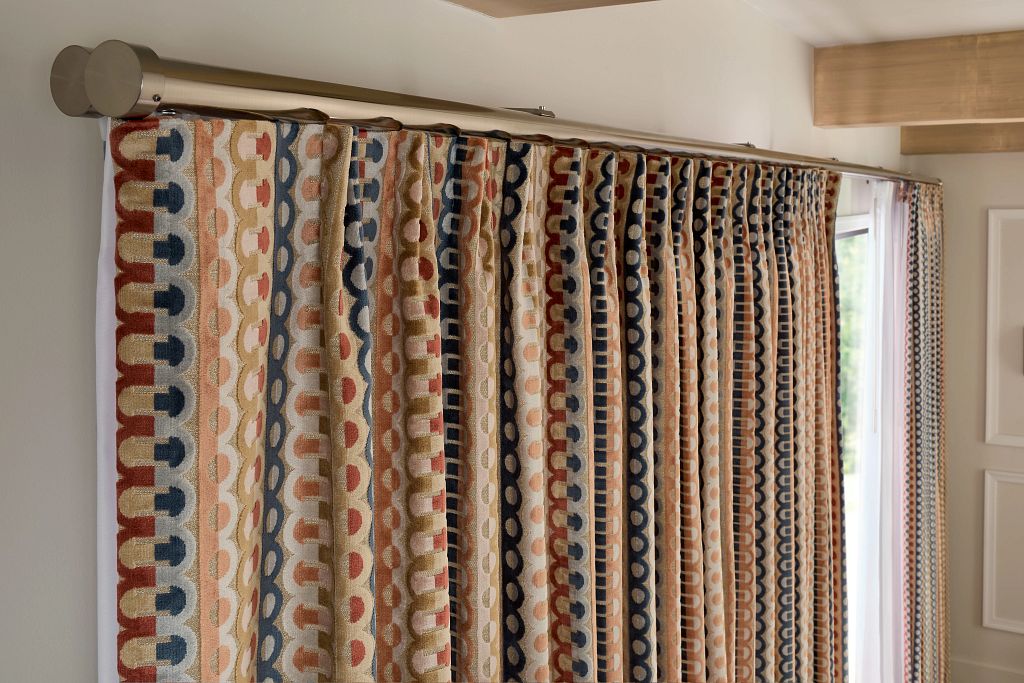
Most homeowners assume blackout means zero light. In reality, it depends on both the material and the system itself.
Even high-quality fabrics can fail if light is leaking in from the sides or top. That’s why installation and product design matter just as much as the material.
According to the Sleep Foundation, even small amounts of light exposure at night can interfere with sleep quality. That is why true blackout performance is not just about comfort. It directly impacts how well you rest.
Blackout Curtains: Where They Work and Where They Fall Short
Strengths of Blackout Curtains
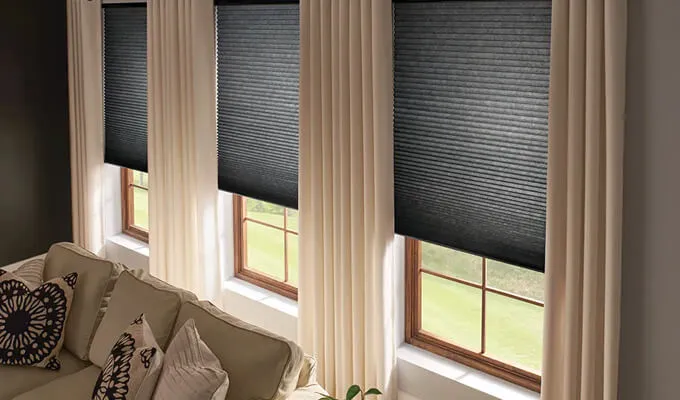
Blackout curtains can be effective in certain applications, especially when layered correctly.
They offer:
- Full coverage across wide windows
- Softness and depth in the overall design
- Flexibility with fabric, color, and texture
They are commonly used in:
- Bedrooms
- Media rooms
- Spaces where design is a priority
The Biggest Issue: Light Gaps
This is where blackout curtains fall short in most homes.
Even when fully closed, light typically enters:
- Along the top near the curtain rod
- Along the sides where fabric does not seal to the wall
- Through movement or slight misalignment
In a bright environment like Austin, these gaps are noticeable. Curtains reduce light, but rarely eliminate it without additional systems.
Manual Operation
Most blackout curtains are manually operated, which creates inconsistency.
Common issues:
- Curtains are left partially open
- Daily adjustments are inconvenient
- Performance depends on user habits
Blackout Shades: Built for Performance
Why Blackout Shades Perform Better
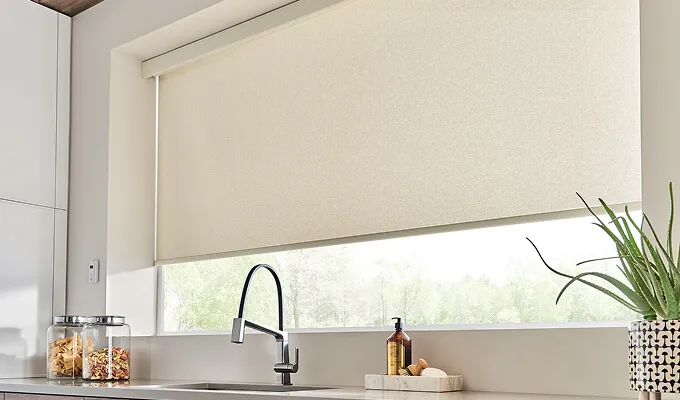
Blackout shades are designed to sit closer to the window frame, creating a more controlled seal around the glass.
They offer:
- A tighter, more precise fit
- Consistent coverage across the window
- A cleaner, more modern appearance
They are ideal for:
- Bedrooms where true darkness matters
- Nurseries
- Homes with strong sun exposure
The Reality of Light Gaps
Here is the part most homeowners are not told. Standard blackout shades still have light gaps.
Typically:
- Around 0.5 to 0.75 inches on each side
- More noticeable on larger or uneven windows
This is not a defect. It is required for the shade to operate properly within the window frame.
For many homeowners, this is where frustration comes in. You invest in blackout shades expecting complete darkness, but still notice light bleeding through the edges.
The Upgrade That Actually Solves It
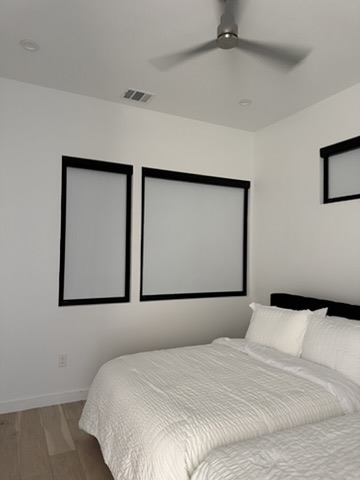
To achieve true blackout performance, the solution is not just a better fabric. It is a better system.
This is where Norman Light Guard 360 changes the equation.
Light Guard 360 uses engineered side tracks that seal directly into the window frame, dramatically reducing the light gaps that are common with standard shades.
What makes it different:
- Side channels block light from entering at the edges
- A tighter seal creates a near-blackout environment
- The design stays clean and integrated, not bulky or intrusive
Instead of reducing light, it actively controls it.
In a high-sun environment like Austin, systems like this are what separate a standard blackout setup from one that actually performs.
Motorization vs Manual
Shades also have a major advantage when it comes to usability.
Motorized blackout shades allow you to:
- Schedule automatic adjustments
- Close shades before peak sunlight
- Maintain consistent performance without effort
In homes with multiple windows, this becomes a practical necessity rather than a luxury.
Aesthetic Differences in Modern Austin Homes
Design plays a major role in the decision.
Blackout curtains:
- Add softness and visual layering
- Work well in more traditional or transitional spaces
- Can feel heavy in modern homes
Blackout shades:
- Offer a clean, streamlined look
- Fit seamlessly into contemporary architecture
- Keep the focus on natural light and structure
In many Austin homes, especially those with large windows, shades align better with the overall design direction.
Cost Comparison: What You Are Really Paying For
Blackout curtains:
- Often lower upfront cost
- Additional hardware and installation required
- May need layering for better performance
Blackout shades:
- Higher initial investment
- Stronger performance over time
- Added value with motorization and automation
The difference comes down to whether you are paying for appearance or performance.
Which One Actually Works Better
If your priority is softness and design flexibility, blackout curtains can work.
If your priority is real light control and consistent performance, blackout shades are the better choice.
The distinction is simple:
- Curtains reduce light
- Shades control it
Choose Based on Performance, Not Just Appearance
Blackout is not just about fabric. It is about how the entire system performs.
If light gaps, daily usability, and sleep quality matter, blackout shades provide a more reliable solution. Curtains can still play a role, but they are rarely the complete answer on their own.
If you are trying to create a truly dark space, especially in Austin’s intense light conditions, it is worth investing in a solution that is built to perform.

 Family Of Brands