Motorized Window Treatments in Pearland TX
By about 4 p.m. in Pearland, a wall of west-facing glass can turn from beautiful to annoying in a hurry. The living room gets washed out, the television reflects the whole sky back at you, and the shades you meant to lower an hour ago are still sitting open because the tallest windows are above a staircase landing or tucked behind furniture. That is where motorized window treatments in Pearland, TX stop feeling like a luxury add-on and start feeling like the obvious fix.
In this part of the Houston metro, many homes are built for openness: taller entries, bigger family rooms, patio doors, breakfast nooks with broad windows, and primary suites that catch early light long before anyone wants to be awake. Motorized window treatments make those windows easier to live with. Instead of treating blinds, shades, shutters, drapes, or other window coverings like separate chores in separate rooms, they turn them into a coordinated system that can respond to the way the house is actually used.
Where Motorization Pays Off First in Pearland Homes
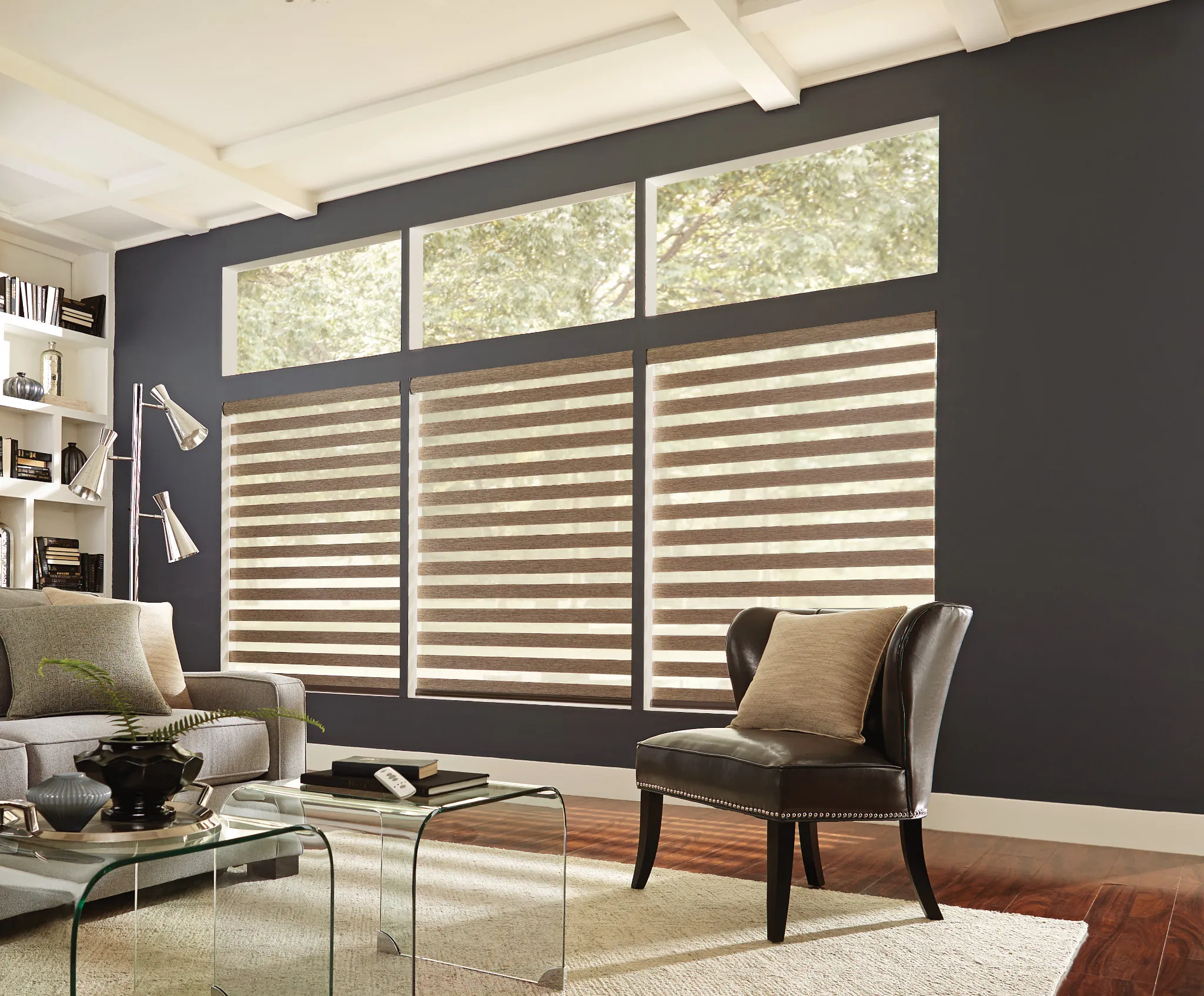
The biggest advantage is not abstract smart-home bragging rights. It is daily convenience in the exact places people put off adjusting their window treatments because those windows are inconvenient. Hard to reach windows over staircases, two-story great room glass, transoms, patio-facing walls, and tall bedroom windows all tend to stay in whatever position they were last left in. Motorized shades and motorized blinds solve that with one tap, one remote, or one preset.
That convenience has a second payoff: the shades and blinds actually get used the way they were meant to. Natural light is easier to welcome in the morning and easier to tame in the afternoon. Privacy becomes consistent instead of accidental. In open-concept homes around Shadow Creek Ranch, Silverlake, and newer sections of Pearland where one sightline can run through the kitchen, dining area, and living space at once, it is often more useful to control a zone of windows together than to walk room by room adjusting each one by hand.
Convenience, Safety, and Energy Savings Tend to Arrive Together
Motorization is often sold as convenience, but Pearland homeowners usually get three upgrades at once: easier operation, better safety, and more disciplined sun management. Cordless operation helps keep children and pets safe, especially in bedrooms, nurseries, playrooms, and family spaces where dangling cords are a nuisance at best and a hazard at worst. It also cleans up the look of the window, which matters if you want modern technology without visual clutter.
The energy efficiency angle is just as practical. In a bright Gulf Coast climate, automated shades can help reduce heat gain and glare before a room turns uncomfortable. Lowering motorized window shades on a schedule during the hottest part of the afternoon can help protect flooring, fabrics, and interior finishes while easing some of the load on cooling systems. That does not mean window treatments replace insulation or air conditioning, but they can absolutely help with utility bills when the sun hits the same side of the house every day.
A motorized window setup also helps with routines that are hard to maintain manually. Early risers can open shades gradually in common areas. Shift workers can keep bedroom draperies closed through bright morning hours. Families can set front-facing shades to close before dark for privacy and security without remembering to circle the whole house.
Pearland Has the Right Housing Mix for Both New Smart Builds and Retrofits
Motorized window treatments tend to land well in markets where owner-occupied households are common and homeowners are willing to invest in upgrades that improve daily living, not just resale photos. Pearland checks those boxes in a big way, and the local housing profile also helps explain why some projects lean toward full smart-home integration while others are retrofit-focused.
That combination matters because custom window treatments are usually a quality-of-life investment made by people planning to enjoy the home, not just stage it. In Pearland, many homeowners are balancing aesthetics, energy efficiency, and convenience at the same time. Some want motorized shades in a newly built family room. Others want to modernize older faux wood blinds, roman shades, shutters, or draperies that no longer match how the house functions. The point is that motorization can serve both kinds of homes; it just gets specified differently.
Newer Homes and Older Homes Need Different Motorization Strategies
Pearland is not one housing type repeated over and over. A large share of the city’s housing stock was built in the 2000s and 2010s, which often means larger windows, taller ceilings, and stronger expectations around app-based control, voice commands, and seamless integration with other home systems. But there is still a meaningful share of older homes where the appeal is less about futuristic flair and more about finding a retrofit solution that does not require opening walls.
Pearland has a strong mix of newer homes built with larger windows and older homes that benefit from retrofit-friendly automation.
For newer homes, hardwired planning may make sense during construction or a major remodel, especially if the homeowner wants multiple rooms connected through wall switches, centralized controls, or broader smart-home scenes. For older homes, battery-powered motorized window shades and motorized blinds are often the cleaner answer. They let homeowners add automation without turning a window treatment project into an electrical project.
Battery-Powered vs. Hardwired Is Really a Planning Question
A lot of Pearland customers assume there is one “best” power source for motorized window treatments. Usually there is not. Battery-powered systems are popular because they are flexible, tidy, and well suited for retrofit work. They work especially well in finished homes where homeowners want smooth operation and modern convenience without cutting into drywall. They are often the right fit for bedrooms, living rooms, kitchens, media rooms, and patio doors where custom window treatments are being added after the home is already complete.
Hardwired systems become more attractive when the project is happening during new construction, a substantial renovation, or a whole-home design where hidden wiring and central control are priorities. If a homeowner is already planning electrical work, hardwiring can create a very clean result for large banks of windows or multiple coordinated shades. Neither route is automatically more upscale than the other. The better question is whether the house is finished, how many windows are involved, and how integrated the homeowner wants the system to be.
This is also where a real in home consultation matters. Power options, window height, trim depth, wall access, and the weight of the chosen shades, blinds, draperies, or shutters all influence what makes sense. It is easy to oversimplify motorized window choices online. It is much harder to make a bad call when a design consultant is standing in the actual space measuring the actual windows.
Not Every Motorized Product Solves the Same Problem
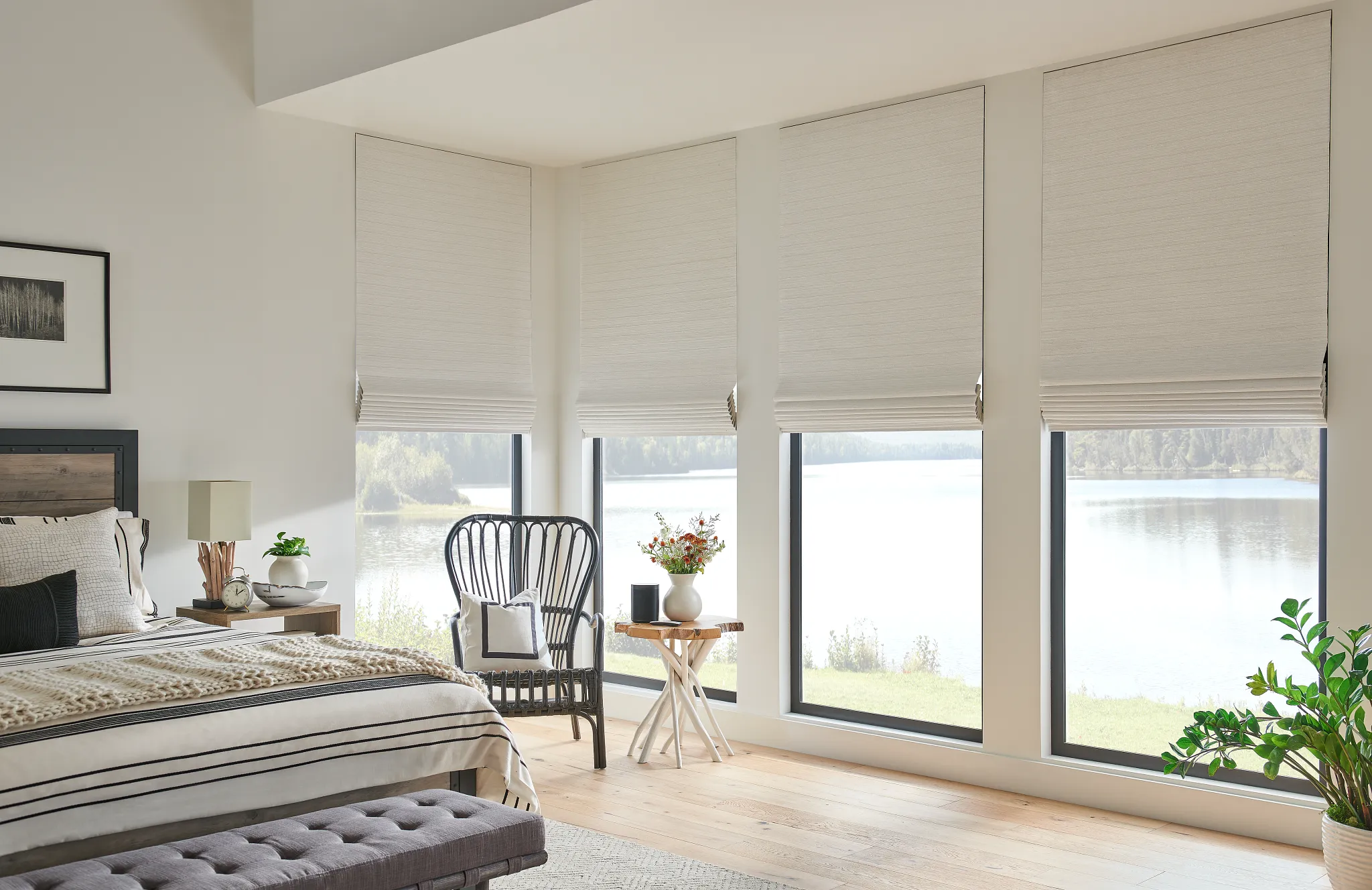
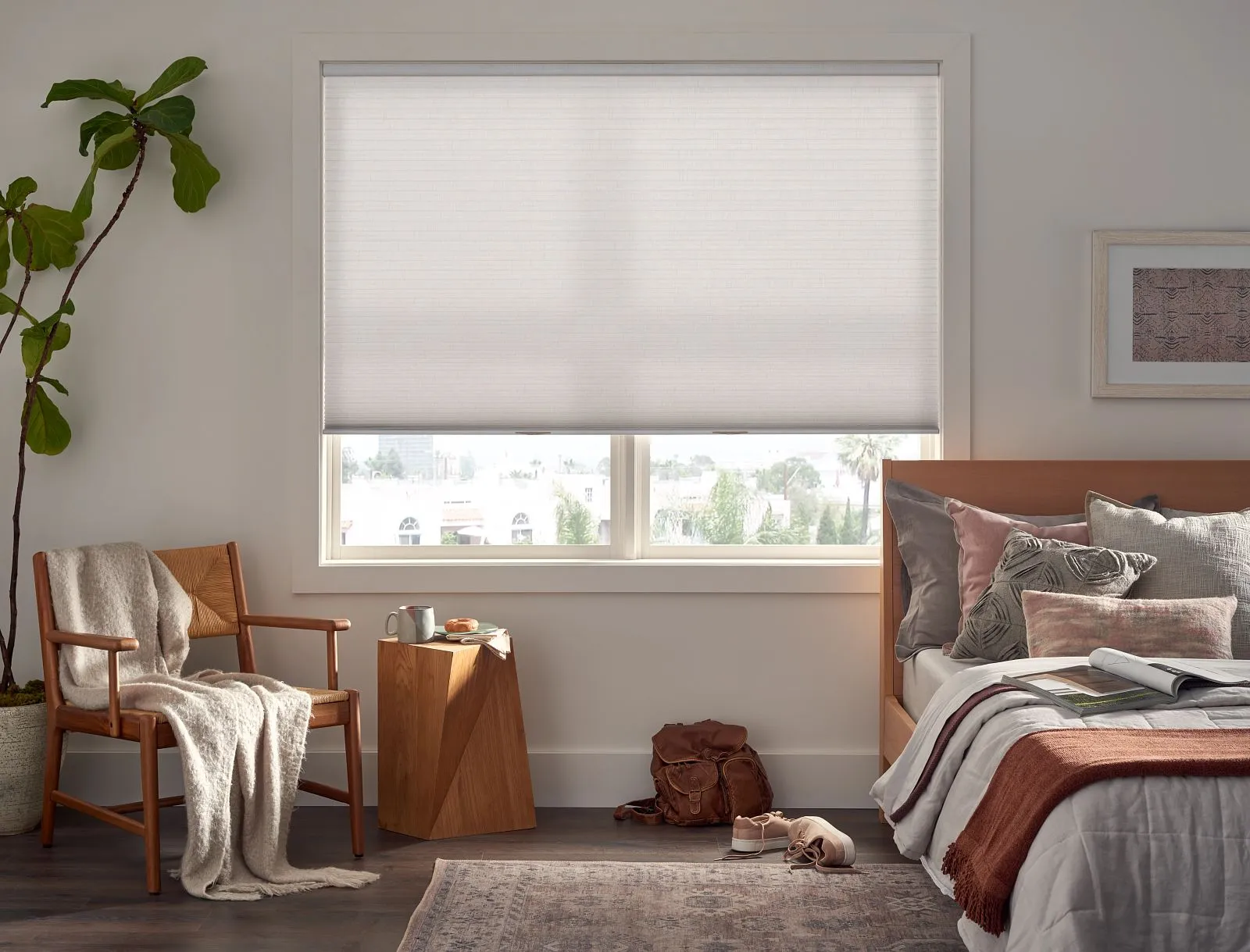
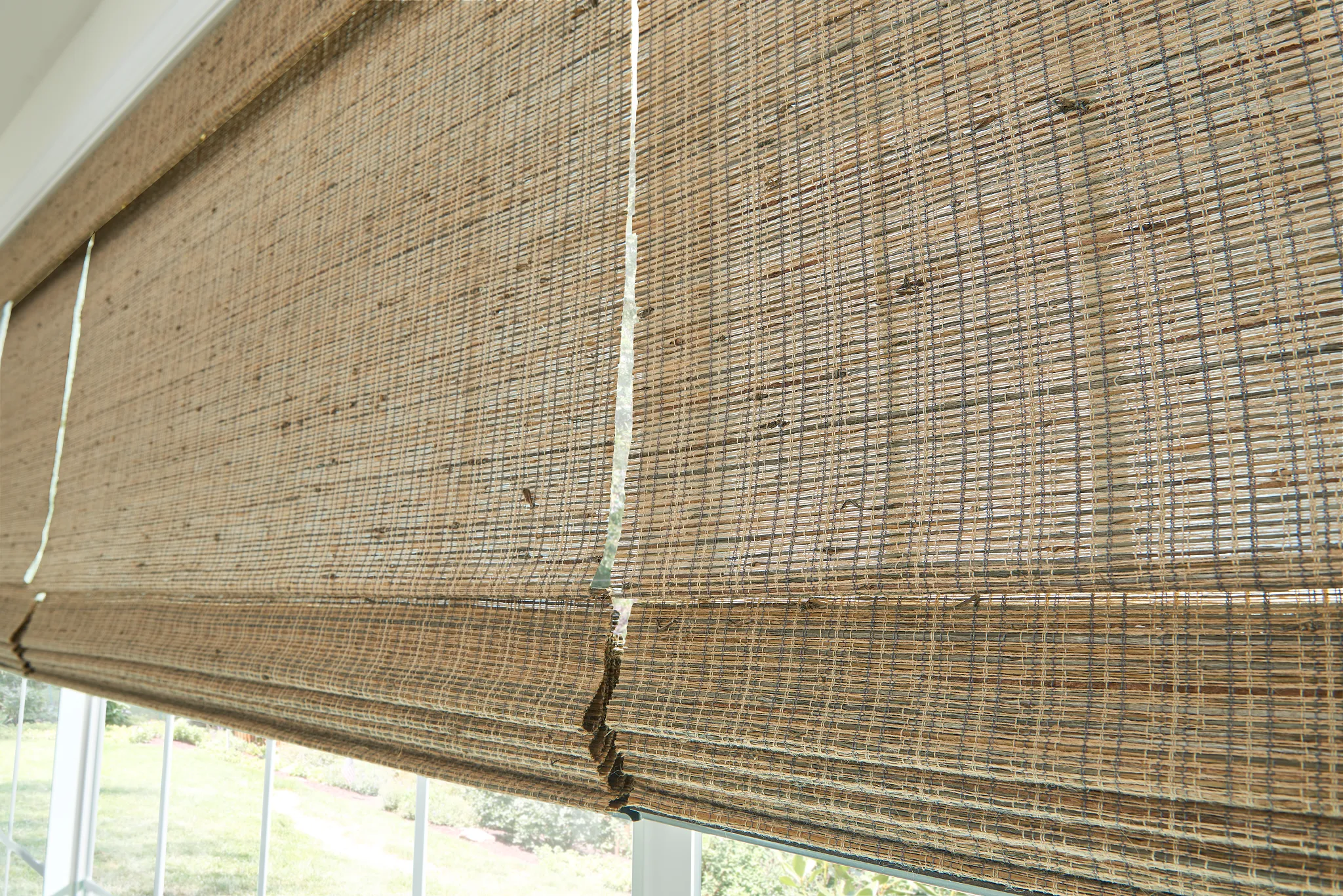
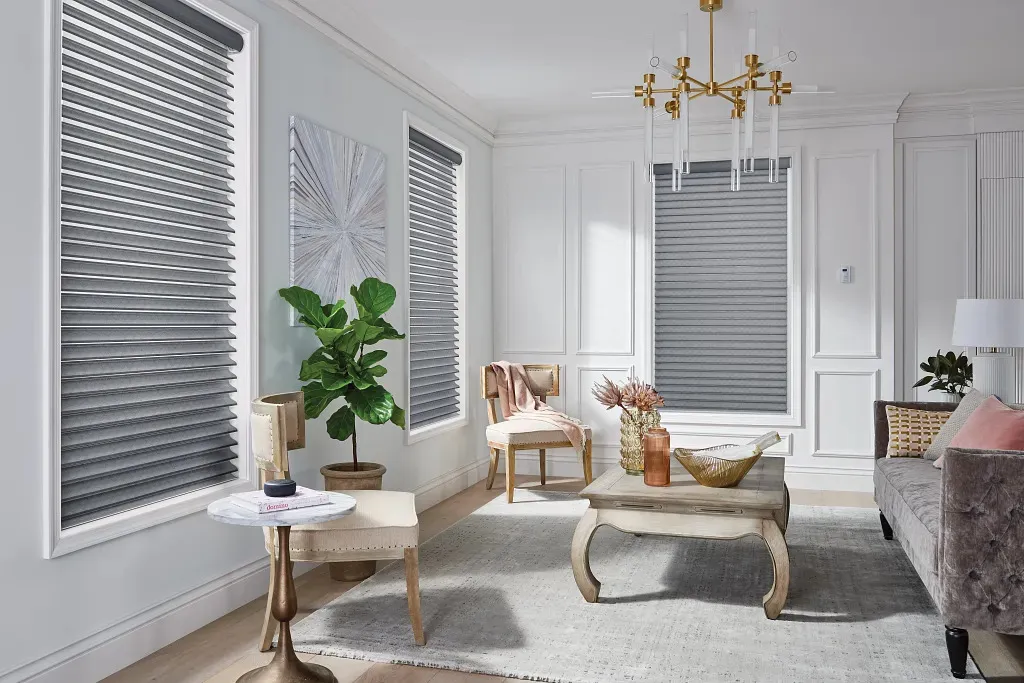
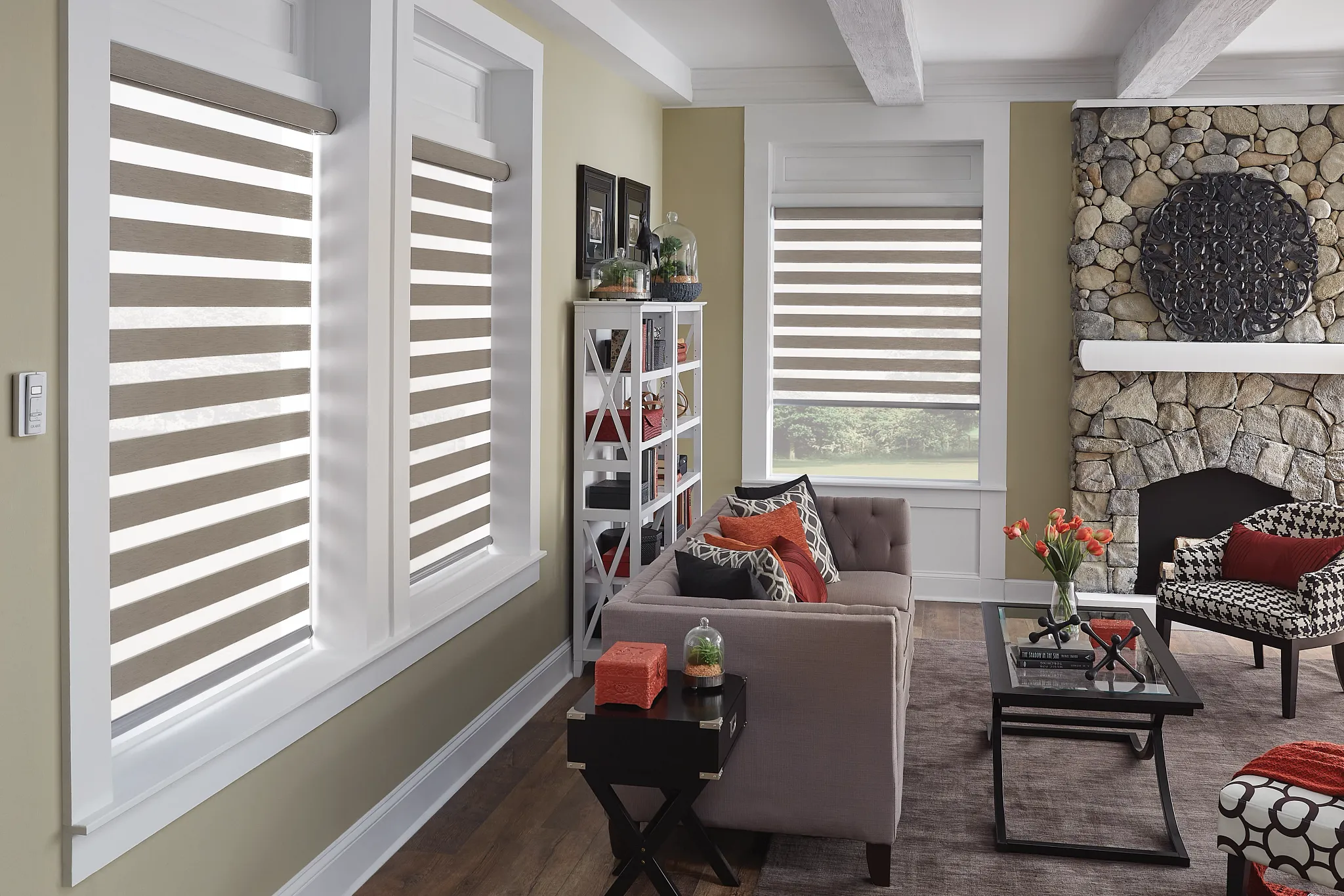
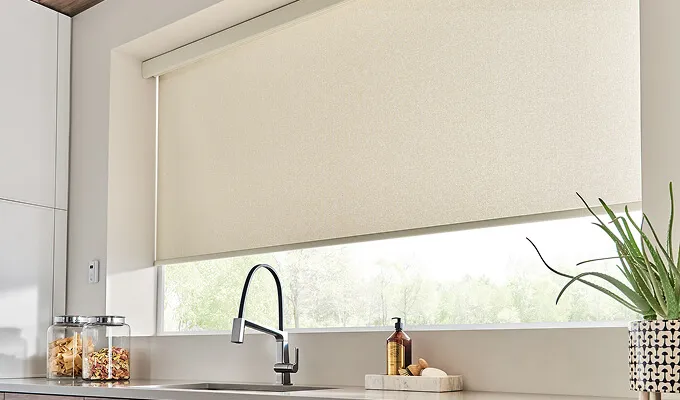
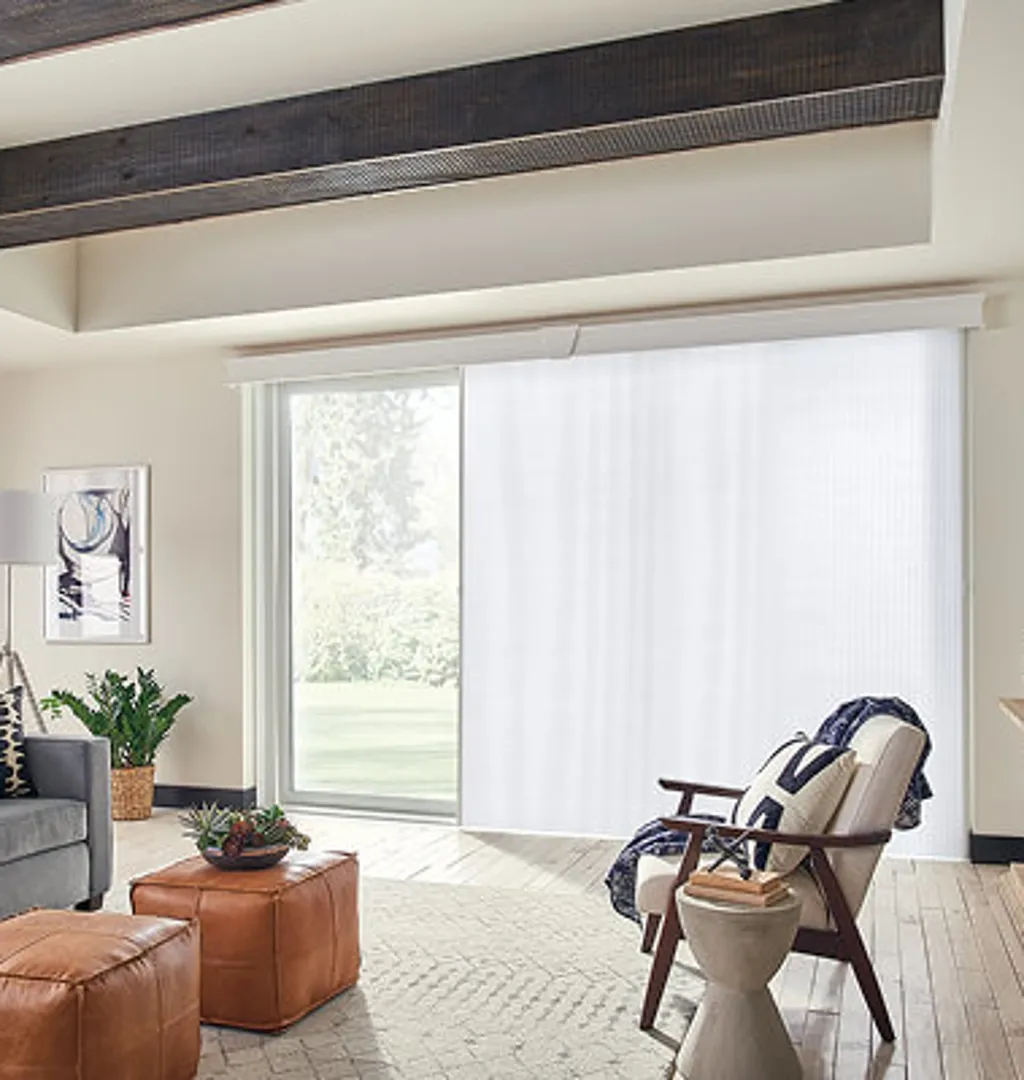
Motorization is not one product category. Motorized shades are often the starting point because they offer clean lines, broad fabric choices, and excellent light control. Solar shades can help preserve views while reducing glare. Blackout motorized window shades often make sense in bedrooms and media rooms. Roman shades bring softness and texture without giving up convenience. For wide glass, sliding openings, and patio-facing rooms, larger-scale shades or draperies may be the better solution.
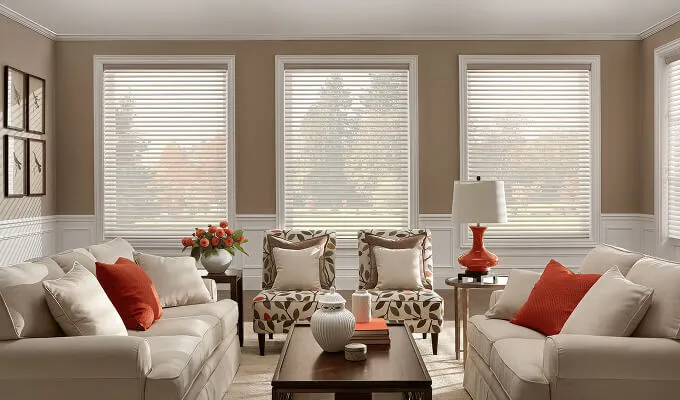
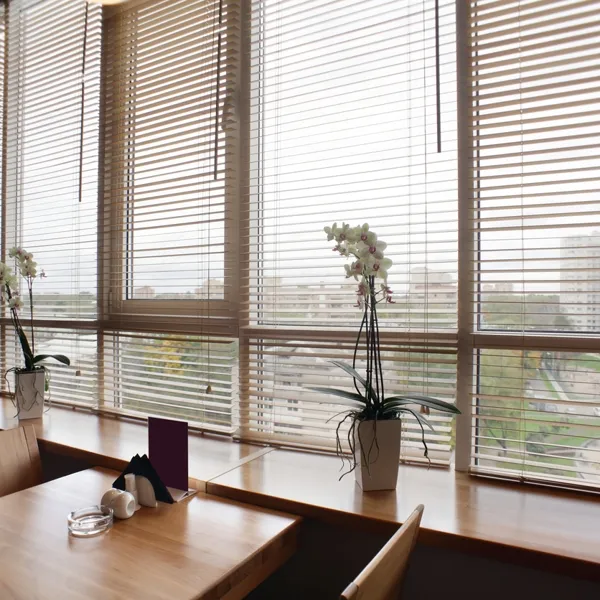
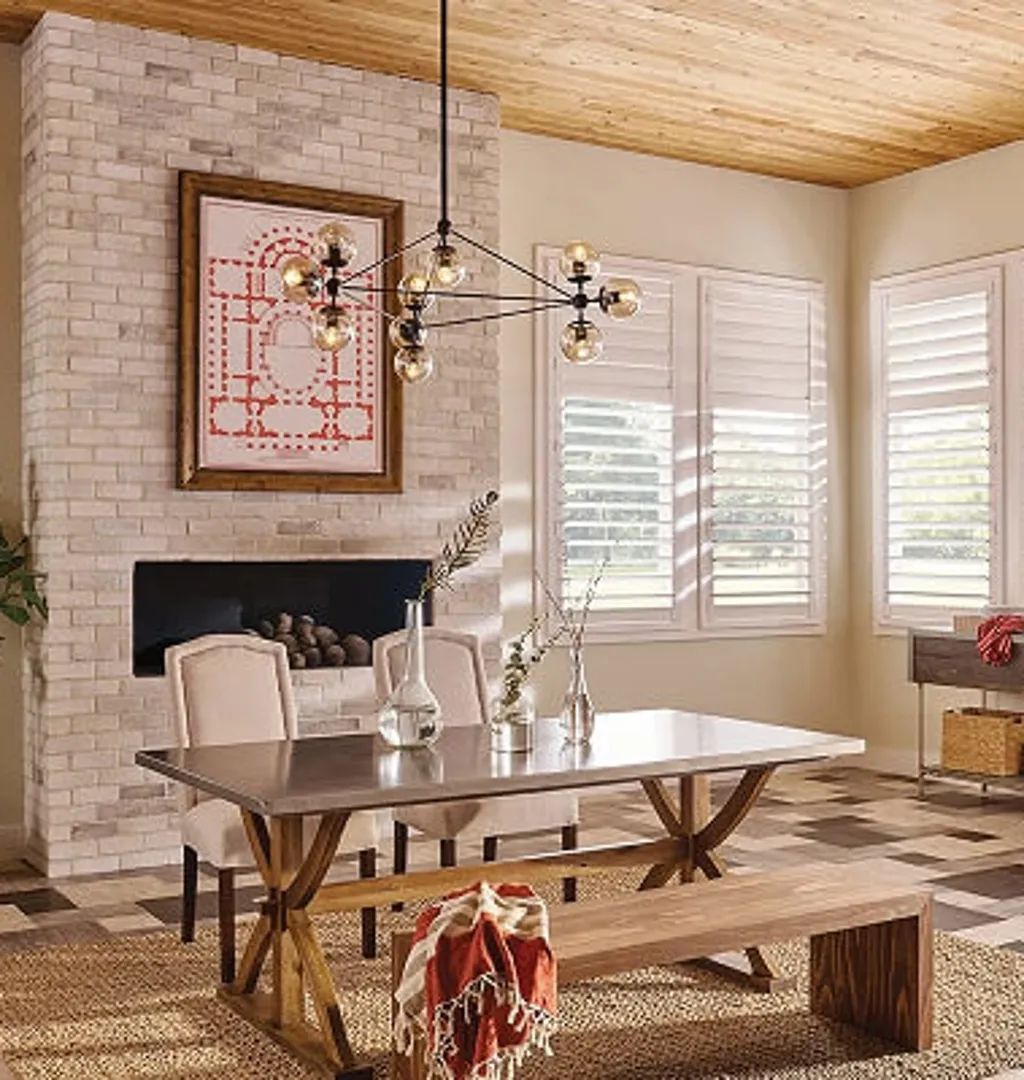
Motorized blinds appeal to homeowners who want adjustable vanes and a more structured look. In some spaces, faux wood blinds still make sense because they complement certain interiors and offer familiar control with a sturdier feel. Shutters, including plantation shutters, are less often the first stop for automation, but they can still be part of a broader custom window plan when architecture and permanence matter as much as convenience.
Common motorized solutions in Pearland homes include:
- motorized shades for living rooms, kitchens, and open-concept spaces
- motorized window shades for bedrooms that need scheduled privacy or blackout control
- solar shades for rooms with strong afternoon sun and glare
- motorized blinds where tilt and light adjustment matter throughout the day
- motorized drapes and draperies for softness, elegance, and quieter morning or evening routines
- layered window treatments that pair shades with drapes for both functionality and a finished interior look
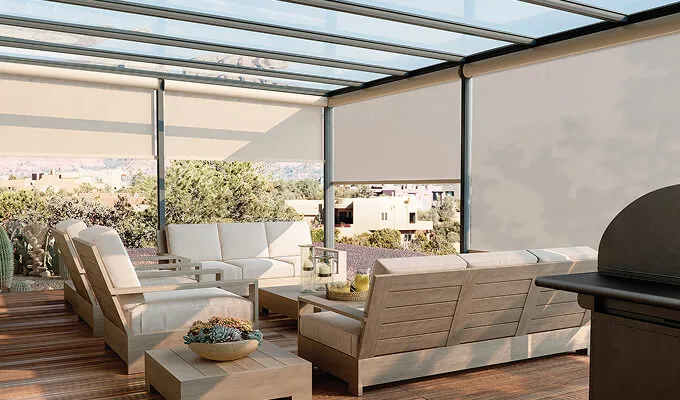
- patio and outdoor areas solutions where glare, privacy, and heat control all matter near glass doors
The best result usually comes from matching the product to the room instead of chasing one look through the entire house. A media room and a breakfast area should not necessarily behave the same way just because they are under the same roof.
Smart Controls Work Best When They Match Real Routines
The most useful automation is usually the least flashy. Some homeowners want phone control from anywhere in the house. Others prefer a handheld remote, a wall switch near the room entrance, or voice commands through an existing smart-home platform. None of those is inherently better. What matters is whether the control method fits the way the household already moves.
For example, a Pearland family may want every front-facing shade to close together at sunset, while the rear patio-facing windows stay open until later. A homeowner who leaves for work before sunrise may want bedroom draperies to stay closed longer and living area shades to rise automatically after everyone is out. In a two-story home, scenes and zones are often more valuable than one-off control because they let multiple openings move together. That is what turns a motorized window treatment from a gadget into a practical house system.
Quiet operation matters here too. If shades are loud, jerky, or fussy, people stop using the automation. Good motorized window treatments are meant to fade into the background, handling privacy and light with enough precision that the room simply feels more comfortable.
Motorized Drapery Deserves More Attention Than It Usually Gets
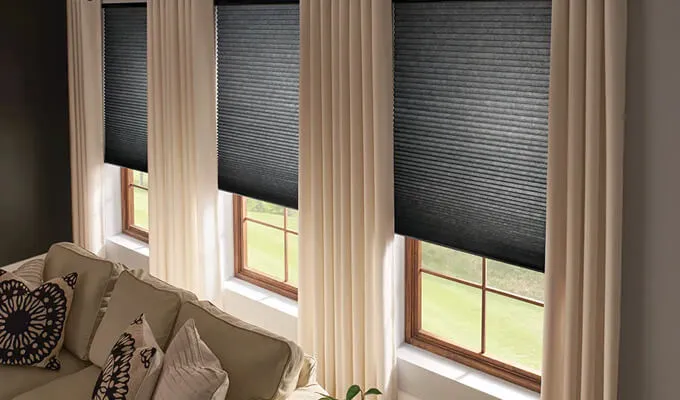
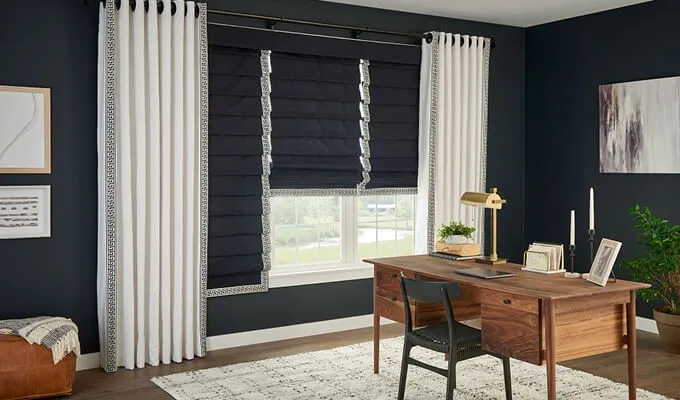
Many people hear “motorized window treatments” and picture only roller shades. But motorized drapery can be one of the smartest upgrades in the right room. It adds softness, works beautifully on wide walls of glass, and can make a bedroom or living room feel far more finished than basic shades alone. In primary suites, layered draperies over motorized shades can create a better sleeping environment and better morning control. In living rooms, they can temper acoustics and improve the aesthetic appeal of a large wall of windows.
This is one place where custom really matters. Off-the-shelf panels from big box stores are rarely built for the exact stack-back, fabric weight, track system, and smooth operation that motorization requires. Custom window treatments let homeowners choose premium materials, fabrics, opacities, and hardware that complement the architecture instead of fighting it. The result is not just automation for automation’s sake. It is a more intentional interior.
Retrofit or Replace? That Depends on the Existing Window Coverings
Some Pearland customers already have shades, blinds, shutters, or drapes and want to know whether they can be upgraded with a motorized window system. Sometimes the answer is yes, especially if the existing product is high quality, appropriately sized, and structurally suited for automation. Sometimes a retrofit is false economy because the old treatment was never robust enough for long-term motorized use.
A full replacement often makes more sense when the current window coverings were chosen for a different house layout, the wrong light level, or an outdated style. If the goal is better energy efficiency, stronger blackout performance, cleaner aesthetics, or integration across multiple rooms, replacing the old treatment can create a much better long-term solution. This is especially true when homeowners are trying to coordinate different styles across one home while keeping functionality consistent.
Why Product Selection Should Happen in the Actual Light of the Home
A showroom screen cannot tell you what Pearland sun does to a west-facing den at the end of the day. It cannot show how fabrics shift next to your flooring, how solar shades affect your view, or whether faux wood, shutters, or draperies feel too heavy for the room. That is why Bumble Bee Blinds brings the showroom experience into the home consultation instead of asking homeowners to guess from tiny swatches and idealized photos.
An in home consultation gives Pearland customers the chance to compare different styles, see an extensive selection of fabrics and materials, and talk through how each custom window option will perform. A design consultant can help customize the solution around style preferences, privacy needs, sunlight patterns, and how much control the homeowner wants over each space. It is a much more grounded way to create the perfect fit than trying to reverse-engineer the house from a product page.
Installation Quality Shapes How Motorization Feels Every Day
Motorized window treatments are one of those products where expert installation quietly determines whether the upgrade feels effortless or irritating. Precise measuring matters. So does bracket placement, programming, alignment, and the way grouped shades or blinds move together across a wall. Professional installation is what makes a custom window treatment feel intentional instead of improvised.
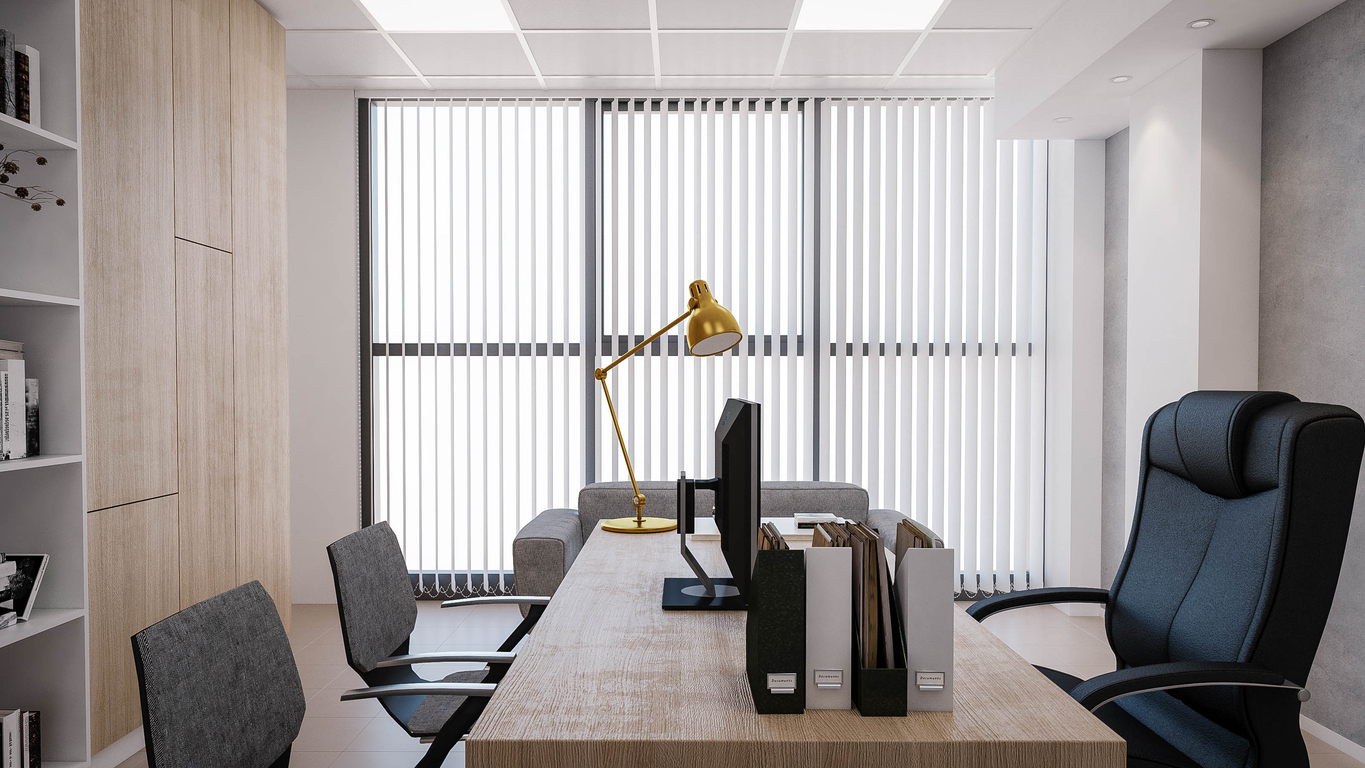
Bumble Bee Blinds serves Pearland customers with professional installation that is built around the actual conditions of the home, from tall windows and layered draperies to patio openings and coordinated whole-home systems. That matters for residential projects, and it matters for commercial clients too. Offices, clinics, and other business interiors can benefit from motorized shades or blinds when glare control, privacy scheduling, and a polished appearance all need to work without constant manual adjustment.
A Focused Upgrade That Fits the Way Pearland Lives
Pearland has continued to grow, even as the pace of single-family permitting has cooled from its earlier highs, which means the local market includes both fresh builds and established homes ready for smarter upgrades. That mix is part of why motorization makes so much sense here. Some homeowners are planning for it from the start. Others are adding it after a few summers of fighting the same bright room every afternoon.
That local pattern gives homeowners more than one path forward. Whether the project calls for motorized window shades in a new family room, motorized blinds in a remodeled kitchen, layered draperies in a primary bedroom, or a broader plan tying together shades, shutters, and drapes across the house, the right solution should feel easy to use, quiet in operation, and tailored to the way the home really handles light.
Motorized window treatments are not just about pressing a button. They are about making windows behave better every day. For Pearland homeowners who are ready for that kind of upgrade, the next step is a home consultation that looks at the windows in person, sorts out power and control options, and builds a custom plan that fits the house instead of forcing the house to fit the product.