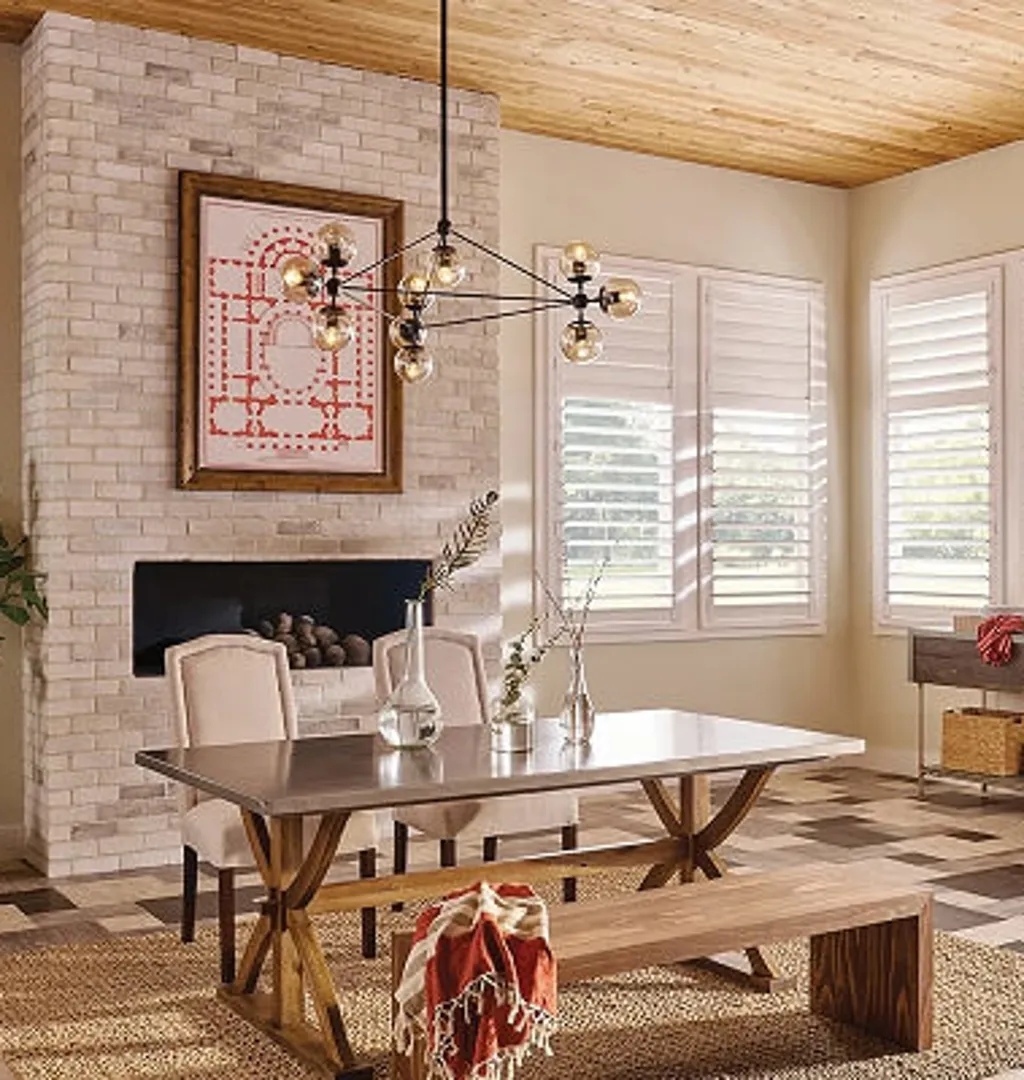
Trying to keep upstairs rooms cooler in Austin can feel like a losing battle during the summer. Even when the downstairs feels comfortable, second-floor bedrooms, home offices, and bonus rooms often become noticeably warmer by late afternoon.
There is a simple reason for that: heat rises, and upstairs rooms are often exposed to direct sunlight through both the roof and the windows. West-facing windows can make the problem even worse by allowing strong afternoon sun into the home during one of the hottest parts of the day.
The good news is that you do not always need to rely on your air conditioner alone. The right window treatments, airflow improvements, and home-maintenance habits can make upstairs spaces feel more comfortable.
Why Do Upstairs Rooms Feel Hotter in the Summer?
Upstairs rooms can heat up faster than the rest of the house for several reasons:
- Warm air naturally rises
- Second-floor rooms are closer to the attic and roof
- Large windows allow sunlight and heat into the room
- West-facing windows receive strong afternoon sun
- Airflow may be weaker on the second floor
- Leaky ducts or clogged air filters can reduce cooling performance
- Poor attic insulation can make indoor temperatures harder to manage
Before making major changes, pay attention to when the room feels hottest. If the temperature climbs in the late afternoon, direct sunlight through the windows may be a major factor. If the upstairs remains hot throughout the day, attic insulation, airflow, or HVAC performance may also need attention.
7 Ways to Keep Upstairs Rooms Cooler in Austin
1. Close Window Coverings Before the Room Heats Up
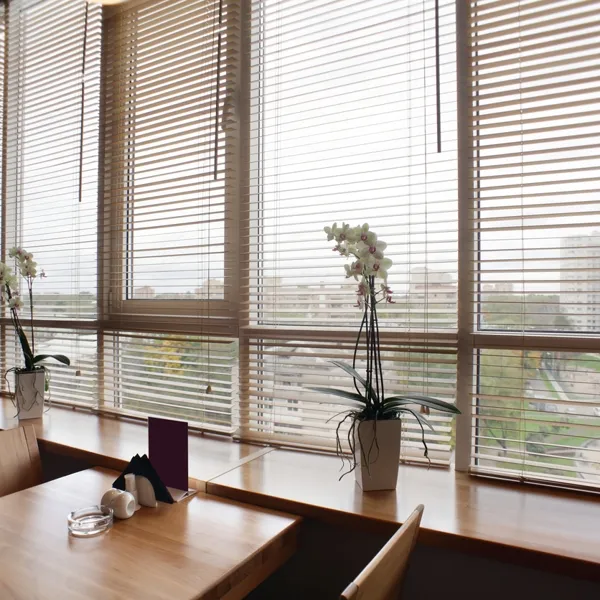
One of the easiest ways to keep upstairs rooms cooler in Austin is to close your window coverings before the strongest sunlight reaches the glass.
Austin Energy recommends keeping blinds or curtains closed on hot days to block the sun’s heat. Its residential energy-saving guide also suggests using white window shades or drapes to reflect heat away from the home. You can find more practical summer tips in Austin Energy’s guide to saving energy at home.
The timing matters. If a west-facing room becomes uncomfortable around 4:00 PM, do not wait until the room already feels hot. Lower the shades earlier in the afternoon to reduce the amount of sunlight entering the space.
2. Choose Cellular Shades for Added Insulation
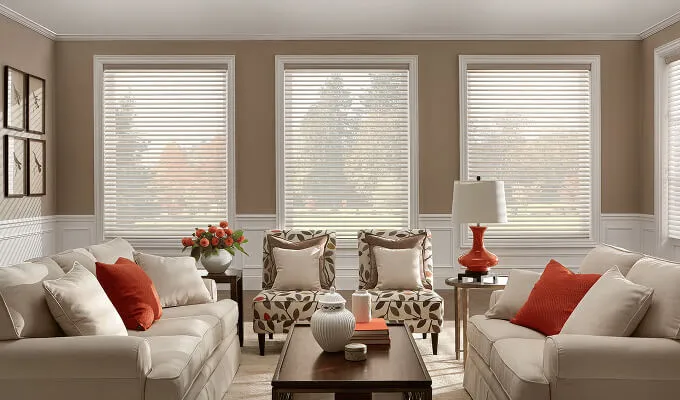
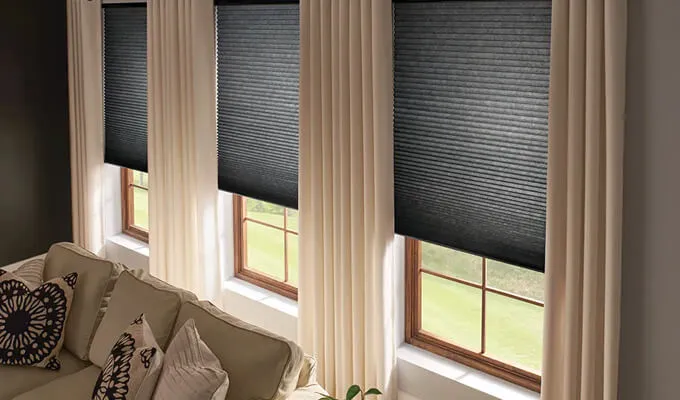
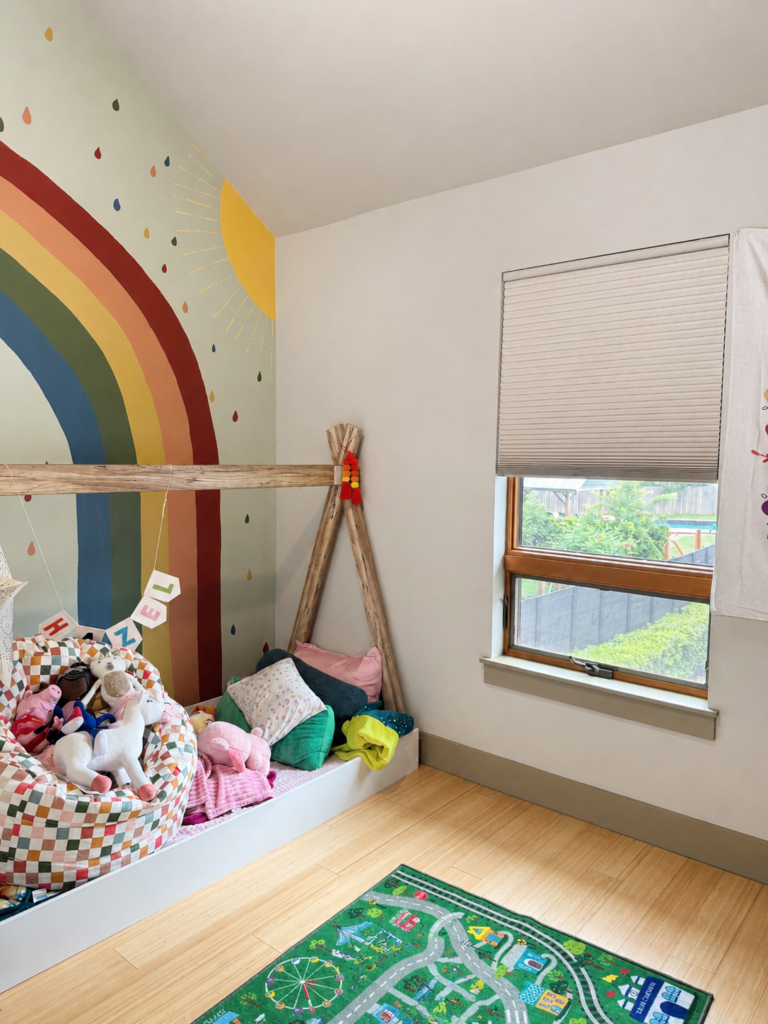
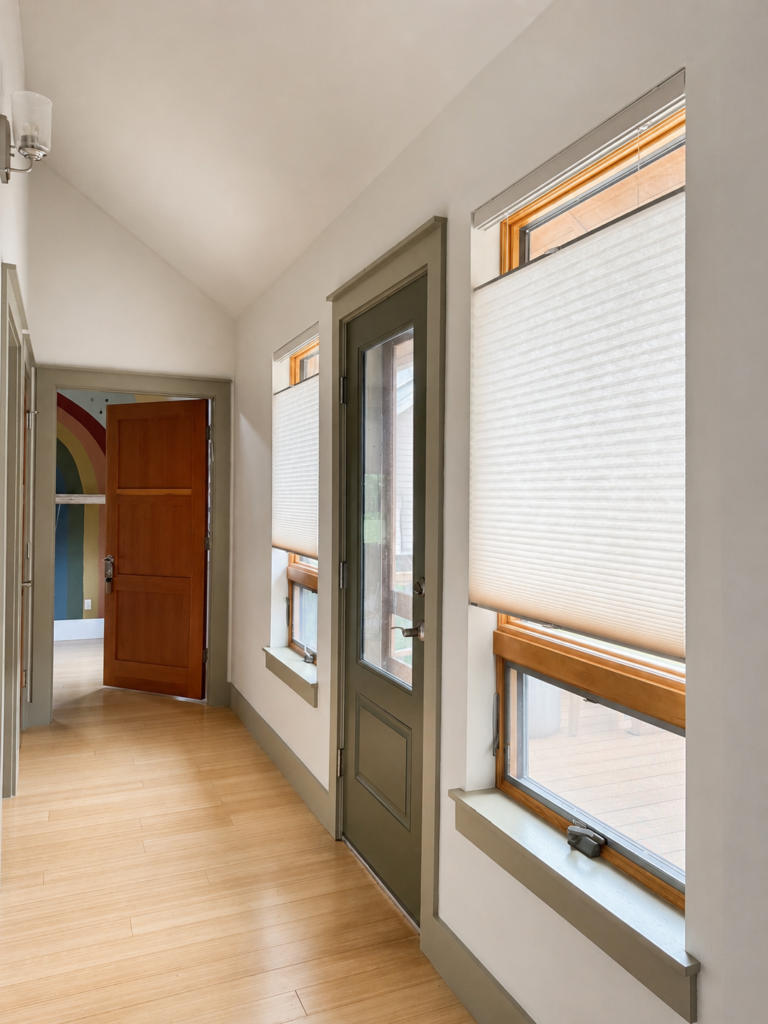
Cellular shades are one of the strongest interior window treatment options for rooms where insulation is the priority.
Also known as honeycomb shades, cellular shades are designed with pockets that trap air near the window. This creates an added barrier between the glass and the room.
Cellular shades can be a smart fit for:
- Upstairs bedrooms
- Nurseries
- Guest rooms
- Home offices
- Older homes
- Rooms with west-facing windows
- Spaces that feel warmer than the rest of the house
Light-filtering cellular shades can soften natural light while keeping the room bright. Blackout cellular shades may be a better option for bedrooms where stronger light control and privacy matter.
If your upstairs rooms receive intense afternoon sun, double-cell shades may be worth considering for additional insulation.
3. Use Solar Shades When You Want to Preserve the View
Cellular shades are a strong option for insulation, but they block most of your view when they are lowered.
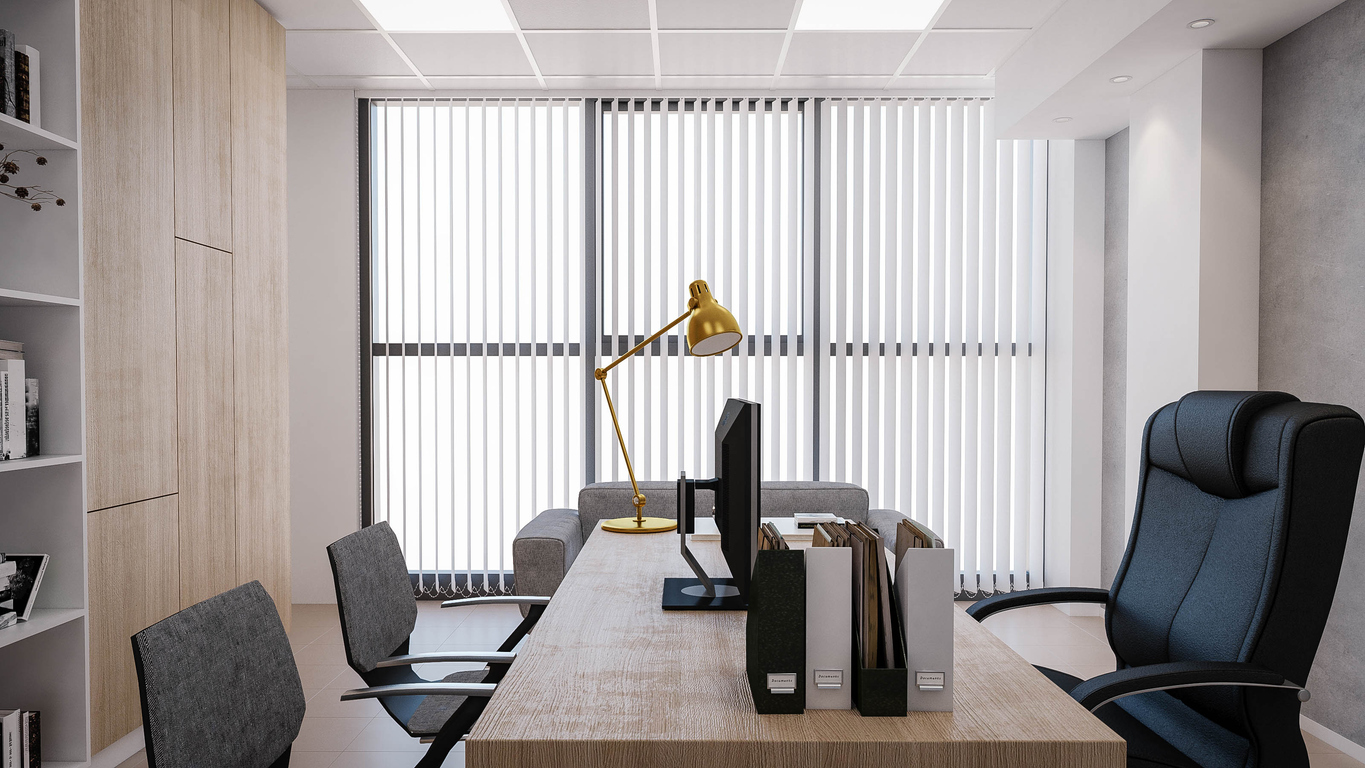
If your upstairs home office, game room, or living area overlooks a backyard, greenbelt, or Hill Country view, solar shades may be a better fit.
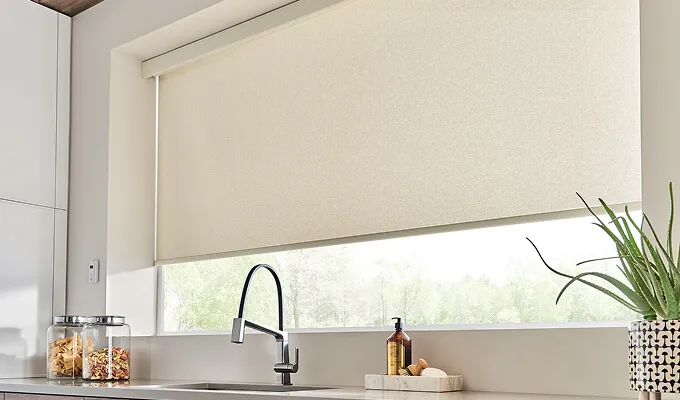
Solar shades use woven screen-like fabrics to filter sunlight, reduce glare, and maintain more visibility outside. They are particularly useful for rooms where you want relief from harsh sunlight without making the space feel closed off.
Choose solar shades when your priorities include:
- Reducing glare
- Preserving an outdoor view
- Filtering bright afternoon sunlight
- Creating a modern, minimal look
- Improving comfort in a home office or media space
Choose cellular shades when insulation, privacy, and room darkening matter more than the view.
4. Consider Motorized Shades for Consistent Light Control
Window treatments only help when you use them at the right time.
Motorized shades can make it easier to keep upstairs rooms cooler in Austin because you can adjust them with a remote, app, wall switch, or compatible smart-home system. Depending on the system, you may also be able to create schedules.
For example, you can schedule west-facing shades to lower before the strongest afternoon sunlight enters the room and raise again later in the evening.
Motorization can be especially helpful for:
- Tall windows
- Hard-to-reach windows
- Two-story spaces
- Homes with multiple upstairs bedrooms
- Home offices
- West-facing windows
- Homeowners who want automated daily routines
For new builds or major renovations, hardwired shades may be worth planning before drywall installation. For existing homes, rechargeable or battery-powered motorized shades may offer a simpler installation.
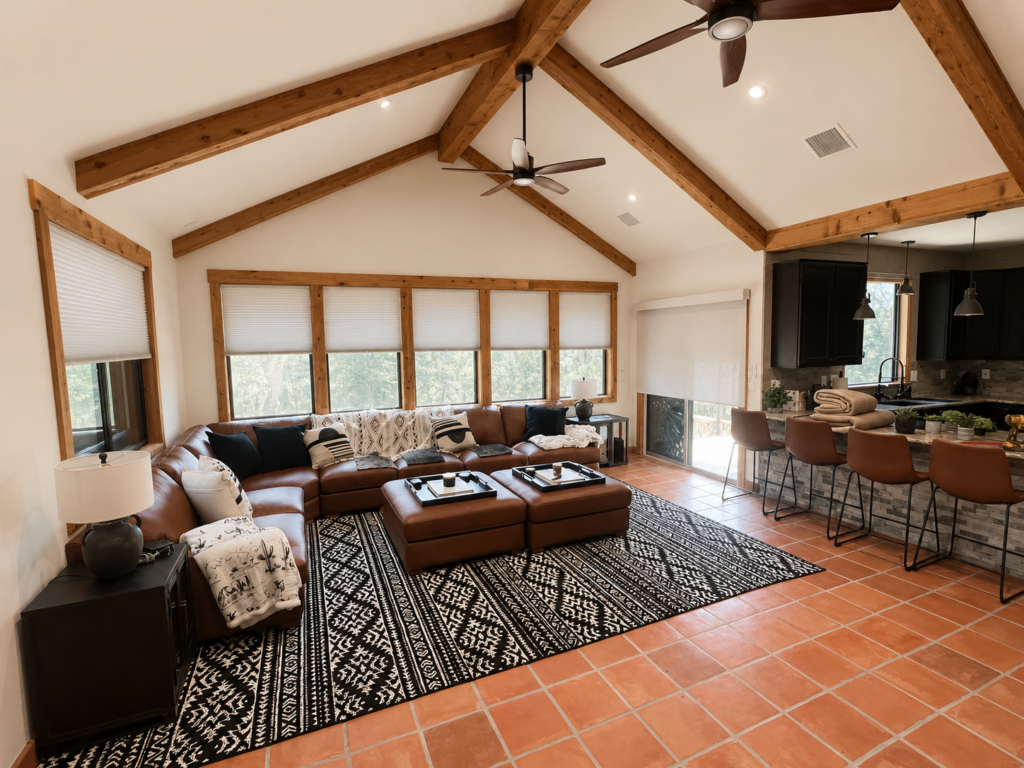
5. Use Ceiling Fans the Right Way
Ceiling fans do not lower the actual room temperature, but they can make a room feel more comfortable while you are using it.
Austin Energy notes that ceiling fans can help you feel about four degrees cooler when you are in the room. The utility also recommends turning fans off when you leave because fans cool people, not empty rooms.
In the summer, check that your fan is rotating counterclockwise. This pushes air downward and creates a cooling breeze.
For the best results, use ceiling fans alongside window treatments. Closing the shades helps reduce incoming heat, while the fan makes the occupied room feel more comfortable.
6. Check Your HVAC System and Airflow
If your upstairs rooms remain hot even when the shades are closed, your HVAC system may need attention.
Start with a few basic checks:
- Replace clogged air filters
- Make sure supply vents are open and unobstructed
- Check that furniture is not blocking vents
- Have your HVAC system serviced regularly
- Ask a qualified professional to inspect ductwork if airflow seems weak
- Consider whether a smart thermostat or zoning system could help
Austin Energy recommends having your heating and cooling system serviced annually and replacing clogged filters because restricted airflow makes the HVAC system work harder.
Window treatments can reduce the amount of heat entering the room, but they cannot correct an underlying HVAC problem.
7. Look at Attic Insulation and Air Leaks
Upstairs rooms sit directly below the attic, so attic conditions can make a noticeable difference.
If your second floor stays hot throughout the day, not just when direct sunlight hits the windows, consider having your attic insulation and air sealing evaluated.
Common problem areas include:
- Gaps around attic access doors
- Air leaks around recessed lighting
- Insufficient attic insulation
- Leaky ductwork
- Poorly sealed windows or doors
- Damaged weatherstripping
A qualified home-performance professional can help identify whether your attic, ducts, or windows are contributing to the problem.
Which Window Treatments Are Best for Upstairs Bedrooms?
For an upstairs bedroom, blackout cellular shades are often a strong choice.
They can help:
- Reduce direct sunlight
- Add insulation near the window
- Improve privacy
- Create a darker sleeping environment
- Make the room feel more comfortable before bedtime
If the bedroom faces east, blackout shades can help reduce early morning light. If it faces west, they can help manage harsh afternoon sunlight before the room heats up.
Motorized blackout shades can also make it easier to schedule adjustments without manually opening and closing each shade.
Which Window Treatments Are Best for an Upstairs Home Office?
An upstairs office needs a slightly different solution.
You may want to reduce glare on your computer screen without completely blocking your outdoor view. In that case, solar shades are often a practical choice.
Solar shades can help filter strong sunlight while keeping the space bright enough for daytime work. The ideal fabric openness depends on the direction of the window, your privacy needs, and how much visibility you want to maintain.
For an office that faces the street or a neighboring property, light-filtering cellular shades may be a better fit if privacy is the bigger concern.
Are Exterior Screens Worth Considering?
For windows with intense sunlight, exterior screens may also be worth considering.
Interior shades help manage sunlight after it reaches the window. Exterior screens can reduce solar exposure before it enters the home.
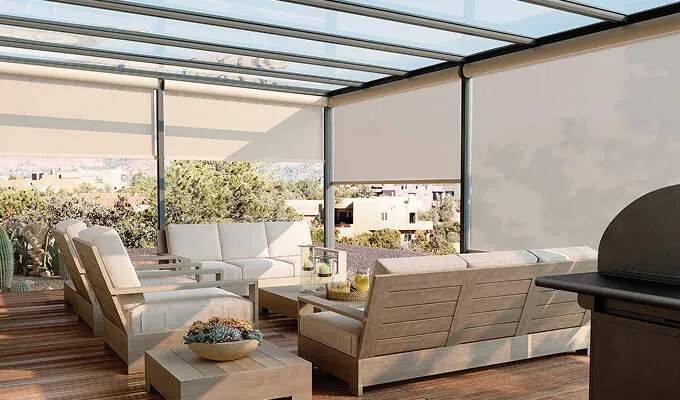
Exterior motorized screens may be a useful option for:
- Covered patios
- Large outdoor openings
- Windows with strong sun exposure
- Outdoor living spaces
- Homeowners looking for added shade and privacy
They are not the right solution for every upstairs room, but they can be part of a larger whole-home strategy.
Can One Window Treatment Work Throughout the Entire Upstairs?
Not always.
A whole-home window treatment plan should feel cohesive, but each room may need a slightly different solution.
For example:
- Use blackout cellular shades in upstairs bedrooms
- Use solar shades in an upstairs office with a view
- Use motorized shades on hard-to-reach windows
- Use top-down bottom-up cellular shades in bathrooms
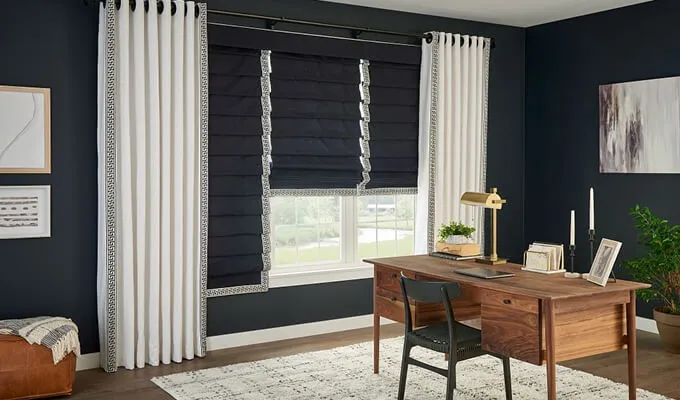
- Use layered drapery and shades when you want added softness and flexibility
The best approach is to choose each window treatment based on the room, the window direction, and the problem you are trying to solve.
Frequently Asked Questions About Keeping Upstairs Rooms Cooler in Austin
Why is my upstairs so much hotter than my downstairs?
Warm air rises, and upstairs rooms are closer to the attic and roof. Direct sunlight, weak airflow, leaky ducts, and insufficient attic insulation can also make second-floor rooms feel warmer.
What are the best shades for hot upstairs bedrooms?
Blackout cellular shades are often a strong choice because they add insulation, reduce sunlight, and improve privacy. Double-cell options may be worth considering for rooms with intense sun exposure.
Do solar shades help keep upstairs rooms cooler?
Solar shades can help filter sunlight and reduce glare. They are particularly helpful when you want to reduce bright afternoon sun without completely blocking your view.
When should I close my shades during the summer?
Close your shades before direct sunlight begins heating the room. For west-facing windows, that usually means lowering the shades before the strongest afternoon sun reaches the glass.
Do ceiling fans make upstairs rooms cooler?
Ceiling fans do not reduce the actual temperature, but they can make you feel cooler while you are in the room. Turn them off when the room is empty.
Can motorized shades help with heat control?
Yes. Motorized shades make it easier to follow a consistent schedule, especially for west-facing windows and hard-to-reach areas.
Find the Right Shades for Your Upstairs Rooms
The best way to keep upstairs rooms cooler in Austin is to reduce heat before the room becomes uncomfortable.
Custom window treatments can help manage sunlight, improve privacy, and make second-floor bedrooms, offices, and living spaces more comfortable during Austin summers.
Bumble Bee Blinds of Austin can help you compare cellular shades, solar shades, blackout options, motorized shades, and exterior screens based on your windows and the way you use each room.
Schedule a free in-home consultation or call Bumble Bee Blinds of Austin at 512-846-9922.