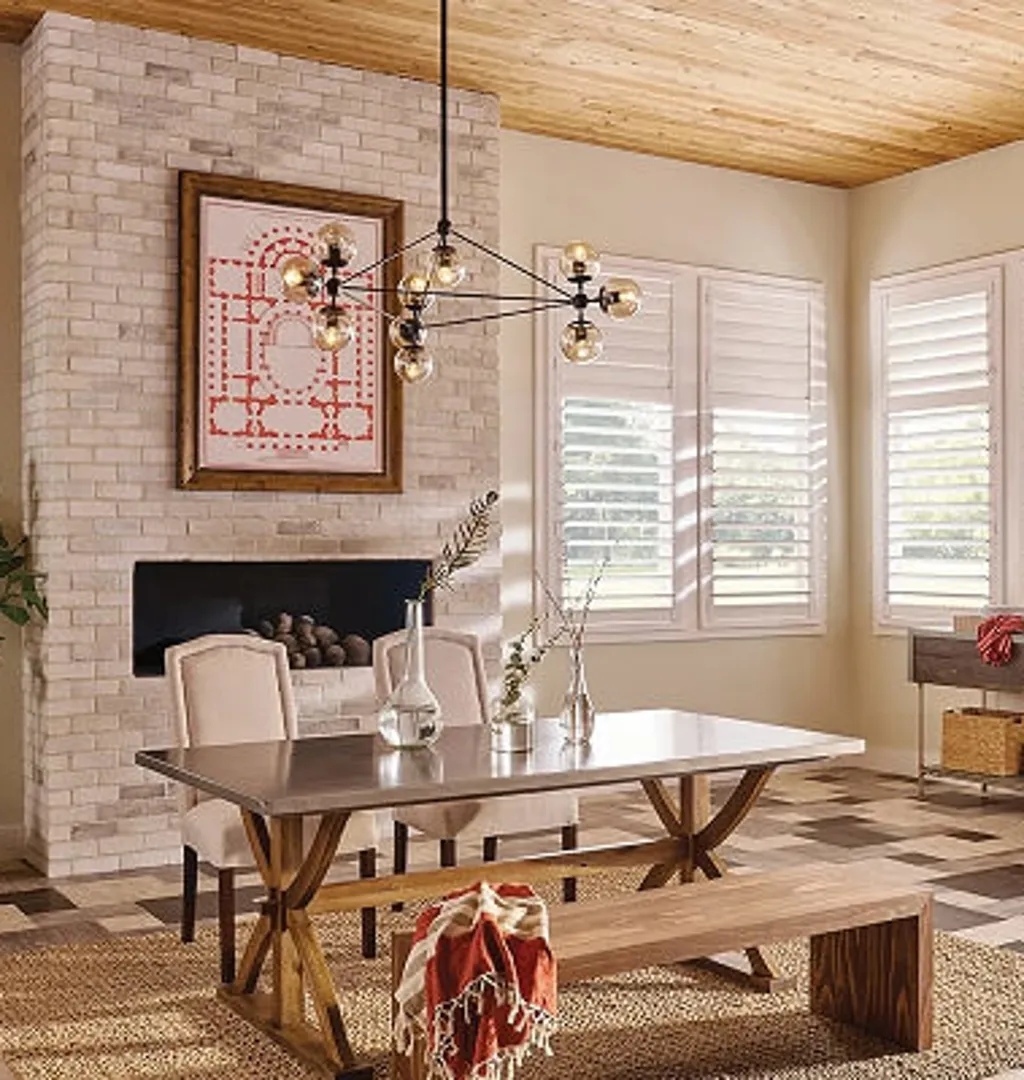
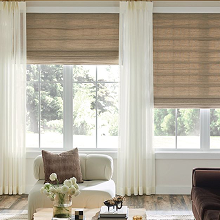
Natural light can make a home feel more open and inviting. However, prolonged sun exposure can gradually fade hardwood floors, rugs, furniture, artwork, and other interior finishes.
For Austin homeowners, the right window treatments can help reduce UV exposure without making the home feel dark or closed off. Solar shades are often the best starting point because they filter harsh sunlight while preserving natural light and outdoor views. Other products, including roller shades, cellular shades, and drapery, can provide additional protection depending on the room.
Can Sunlight Damage Furniture and Flooring?
Yes. When direct sunlight repeatedly enters through the same windows, UV exposure can contribute to fading and discoloration over time.
Some of the most vulnerable items include:
- Hardwood flooring
- Upholstered furniture
- Area rugs
- Wood furniture
- Artwork and photographs
- Curtains and decorative fabrics
- Cabinets and interior finishes
The damage is often gradual. Homeowners may not notice the change until they move a rug or rearrange a piece of furniture and see that the covered portion of the floor is darker than the exposed area.
Rooms with large windows and extended sun exposure are especially susceptible. South-facing and west-facing windows often need the most attention because they receive intense sunlight during the day.
Use Solar Shades to Filter UV Rays Without Losing the View
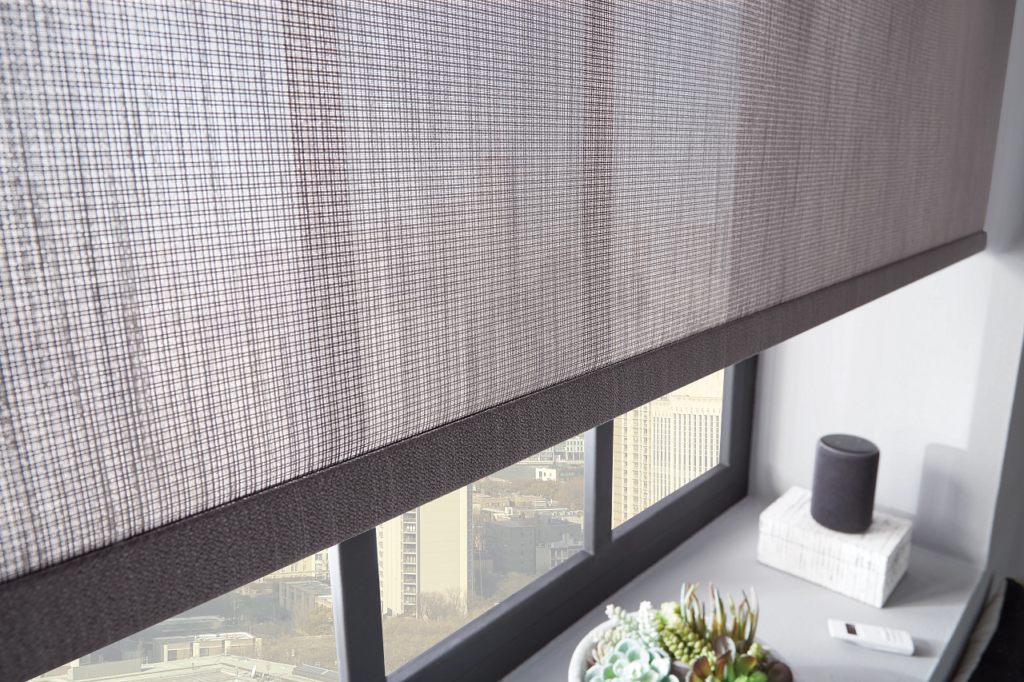
Solar shades are one of the most effective window treatments for rooms where homeowners want UV protection without sacrificing their outdoor view.
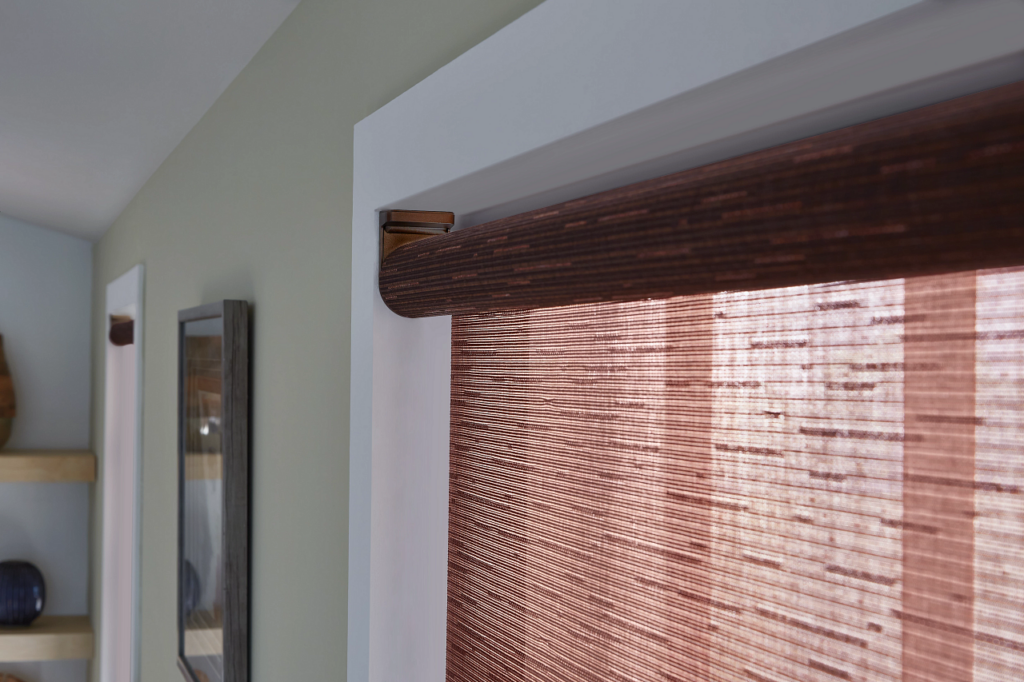
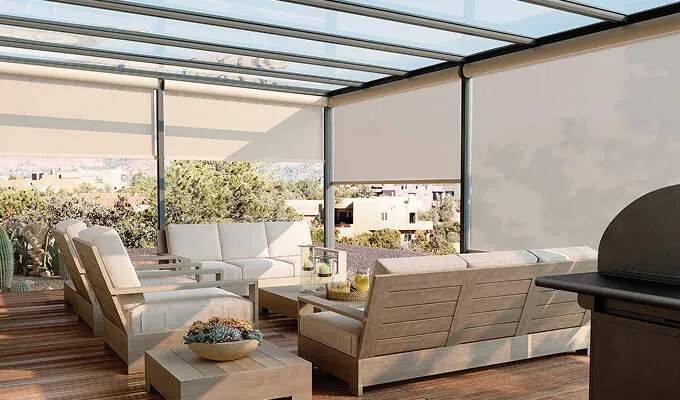
These shades use a woven performance fabric to filter sunlight before it reaches the room. Depending on the selected fabric, solar shades can block up to 99% of UV rays while still allowing you to see outside during the day.
This makes them a strong option for:
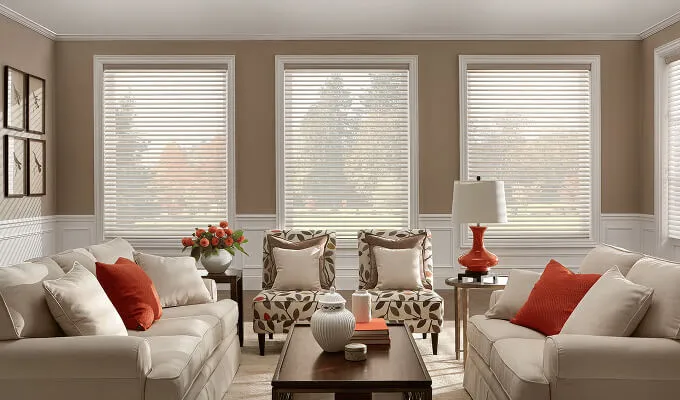
- Living rooms with large windows
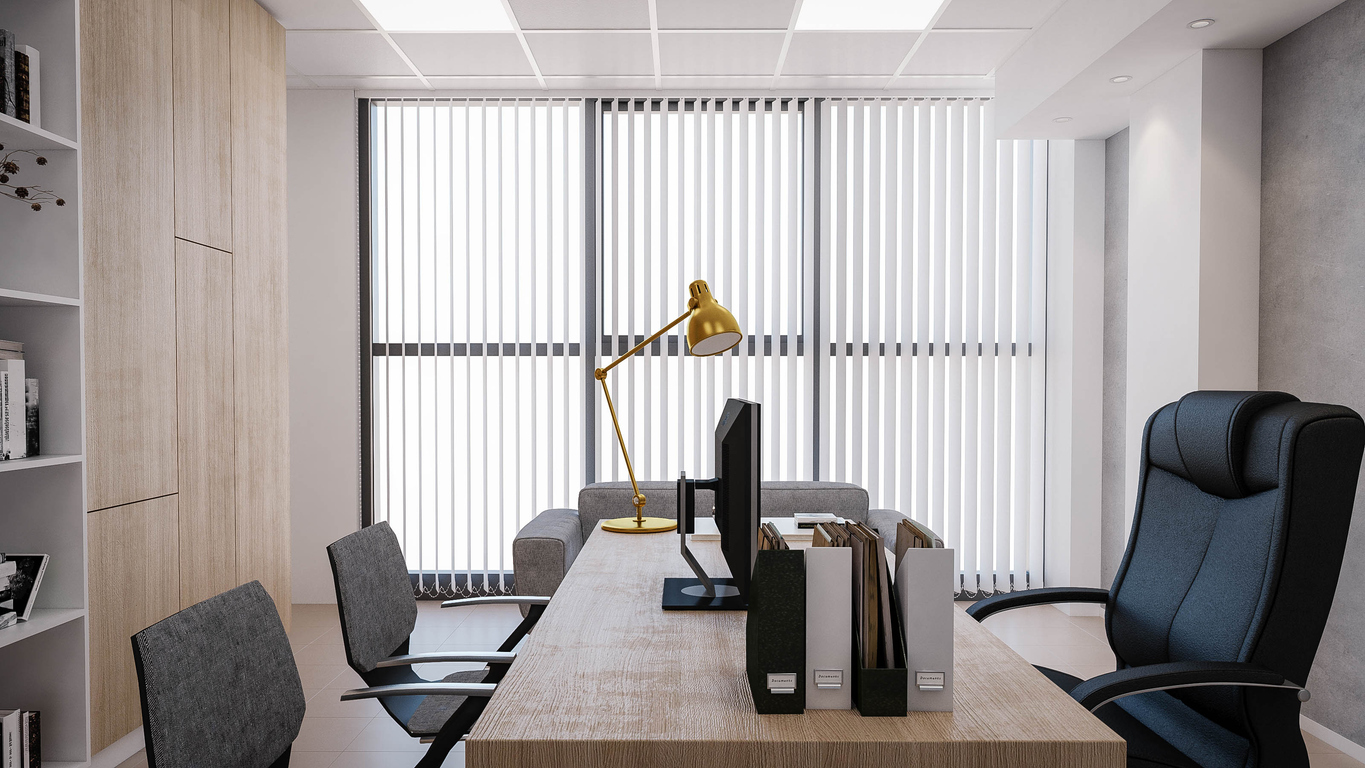
- Home offices
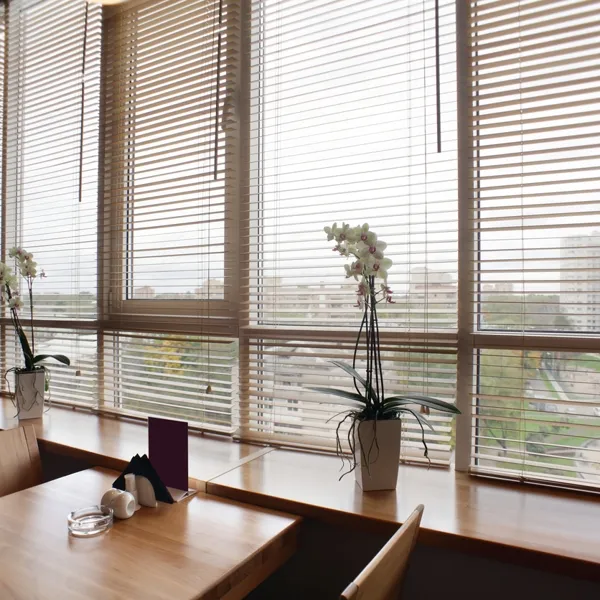
- Dining areas
- Sunrooms
- Rooms with hardwood floors
- Spaces with valuable furniture, artwork, or rugs
- Homes with scenic Hill Country or backyard views
Solar shades are particularly useful in homes throughout areas such as Bee Cave, Lakeway, Dripping Springs, and West Lake Hills, where large windows and outdoor views are often important parts of the home’s design.
Choose the Right Openness Level
The fabric’s openness level affects how much sunlight enters the room and how clearly you can see outside.
A higher openness level preserves more of the outdoor view but allows more light to pass through the fabric. A lower openness level provides stronger sun control and UV protection, although the view becomes less pronounced.
| Openness Level | Best For |
|---|---|
| 10% openness | Preserving a clearer outdoor view when moderate sun protection is enough |
| 5% openness | Balancing visibility with stronger UV and glare reduction |
| 3% openness | Rooms with significant afternoon sun exposure |
| 1% openness | Prioritizing UV protection and sun control over the outdoor view |
The best fabric depends on the direction of your windows, the room’s purpose, and how much direct sunlight the space receives throughout the day.
Consider Roller Shades for Stronger Light Control
Some rooms need more than filtered sunlight.
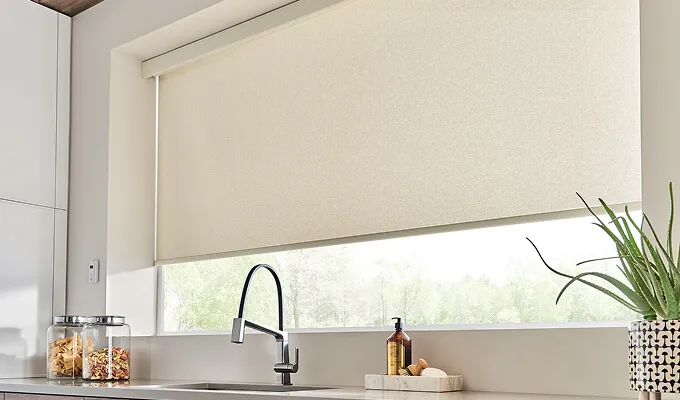
Roller shades are a good option when homeowners want greater privacy or the ability to block more light. They are available in a range of fabrics, including light-filtering and room-darkening materials.
A room-darkening roller shade may be a better fit for:
- Bedrooms
- Media rooms
- Nurseries
- Rooms with artwork that needs stronger protection
- Spaces where privacy is a priority
Solar shades and roller shades can also be layered in the same room. During the day, a solar shade can filter UV rays while maintaining the view. In the evening, a roller shade or drapery panel can provide additional privacy.
Add Cellular Shades for Comfort and Energy Efficiency
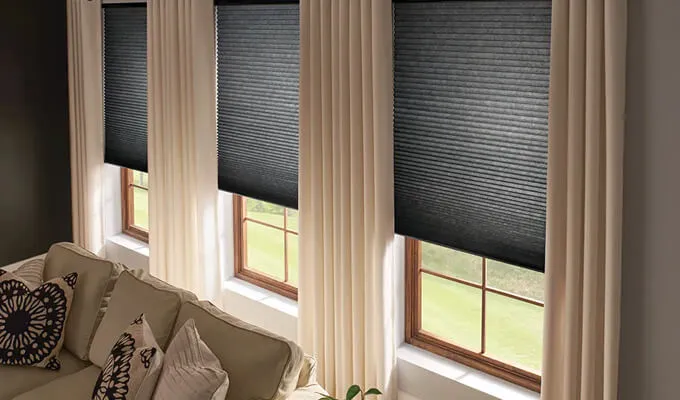
Cellular shades are another option for windows that receive strong sunlight. Their honeycomb-shaped construction helps insulate the window, making them especially useful in rooms that become noticeably warmer during the afternoon.
Cellular shades do not preserve the outdoor view in the same way that solar shades do. However, they can be a strong choice when homeowners prioritize insulation, privacy, and light control.
They work particularly well in bedrooms, guest rooms, and other spaces where a softer look and additional coverage are desirable.
Use Drapery to Protect Interiors and Add a Finished Look
Drapery can provide an additional layer of sun protection while making a room feel more complete.
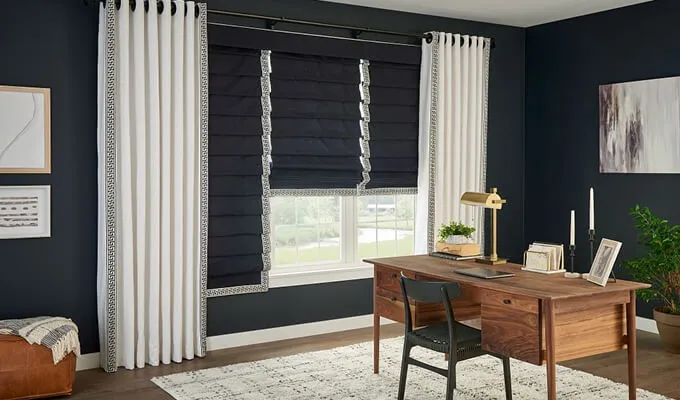
Lined drapery panels are useful in living rooms, bedrooms, and dining areas where homeowners want to protect furnishings while adding texture and softness to the design. Drapery can also be paired with solar shades to create a layered window treatment.
During the day, the solar shades can filter sunlight and preserve the view. When stronger coverage is needed, the drapery panels can be closed.
Automate Your Shades for Consistent UV Protection
Window treatments only protect your interiors when they are being used. If shades are difficult to reach or homeowners forget to lower them before the sun becomes intense, furniture and flooring remain exposed.
Motorized shades make sun protection easier to manage. They are particularly valuable for tall windows, large walls of glass, and whole-home projects.
Homeowners can lower the shades when direct sunlight reaches the room and raise them again later in the day. This makes it easier to protect the home consistently without leaving the shades closed all day.
Which Rooms Need UV Protection the Most?
Start by identifying the areas that receive the most direct sunlight.
Pay close attention to:
- West-facing rooms with strong afternoon sun
- South-facing windows with prolonged daylight exposure
- Rooms with hardwood floors
- Spaces with large area rugs
- Living rooms with upholstered furniture
- Rooms displaying artwork or family photographs
- Home offices with glare on computer screens
- Windows that are too tall or difficult to reach
You may not need the same window treatment in every room. A design consultant can help you choose the right combination based on each space.
Frequently Asked Questions About UV Protection for Your Home
What window treatments provide the best UV protection?
Solar shades are often the best choice for reducing UV exposure while maintaining natural light and an outdoor view. Depending on the selected fabric, they can block up to 99% of UV rays. Roller shades, cellular shades, and lined drapery can provide additional coverage when stronger light control is needed.
Can sunlight fade hardwood floors?
Yes. Prolonged sunlight exposure can gradually fade or discolor hardwood flooring. Window treatments can help reduce the amount of direct sunlight and UV exposure reaching the floor.
Will solar shades make my home feel dark?
Not necessarily. Solar shades are designed to filter sunlight rather than completely block it. The fabric’s openness level determines how much natural light enters the room and how clearly you can see outside.
Can solar shades protect artwork and photographs?
Solar shades can help reduce the UV exposure that contributes to fading. Rooms with valuable or irreplaceable artwork may need a lower-openness solar fabric or an additional layer of window coverage.
Are solar shades good for west-facing windows?
Yes. Solar shades work particularly well on west-facing windows because they can reduce the impact of intense afternoon sun while preserving the view.
Do motorized shades help prevent UV damage?
Motorized shades make it easier to lower your window treatments consistently when direct sunlight reaches the room. They are especially helpful for tall windows, large windows, and rooms that receive strong sun exposure at predictable times of day.
Can I use different window treatments throughout my home?
Yes. The right solution depends on the room. Solar shades may be ideal for a living room with a view, while cellular shades or roller shades may be better for bedrooms that require more privacy and light control.
Protect Your Austin Home from Sun Damage
Window treatments can help preserve the features that make your home feel finished—from hardwood flooring and area rugs to artwork and upholstered furniture.
At Bumble Bee Blinds of Austin, our design consultants can help you compare solar shades, roller shades, cellular shades, drapery, and motorization options based on the sunlight in each room. Whether you are protecting a newly remodeled space or updating the window treatments throughout your home, we will help you find a solution that fits your design and your priorities.