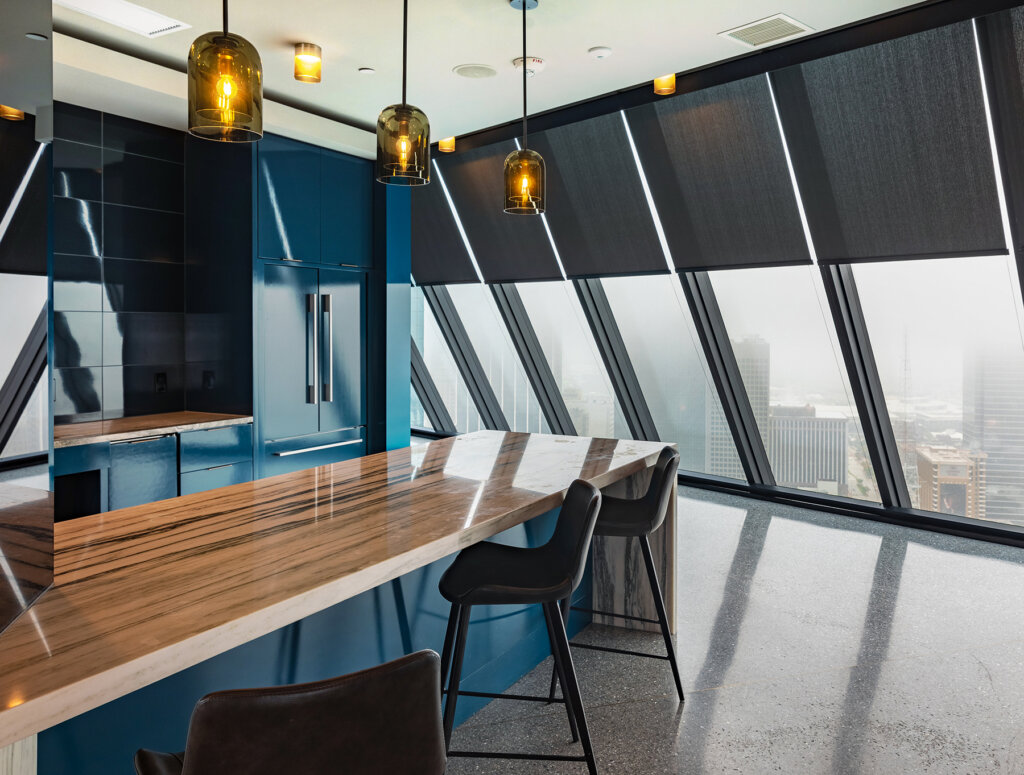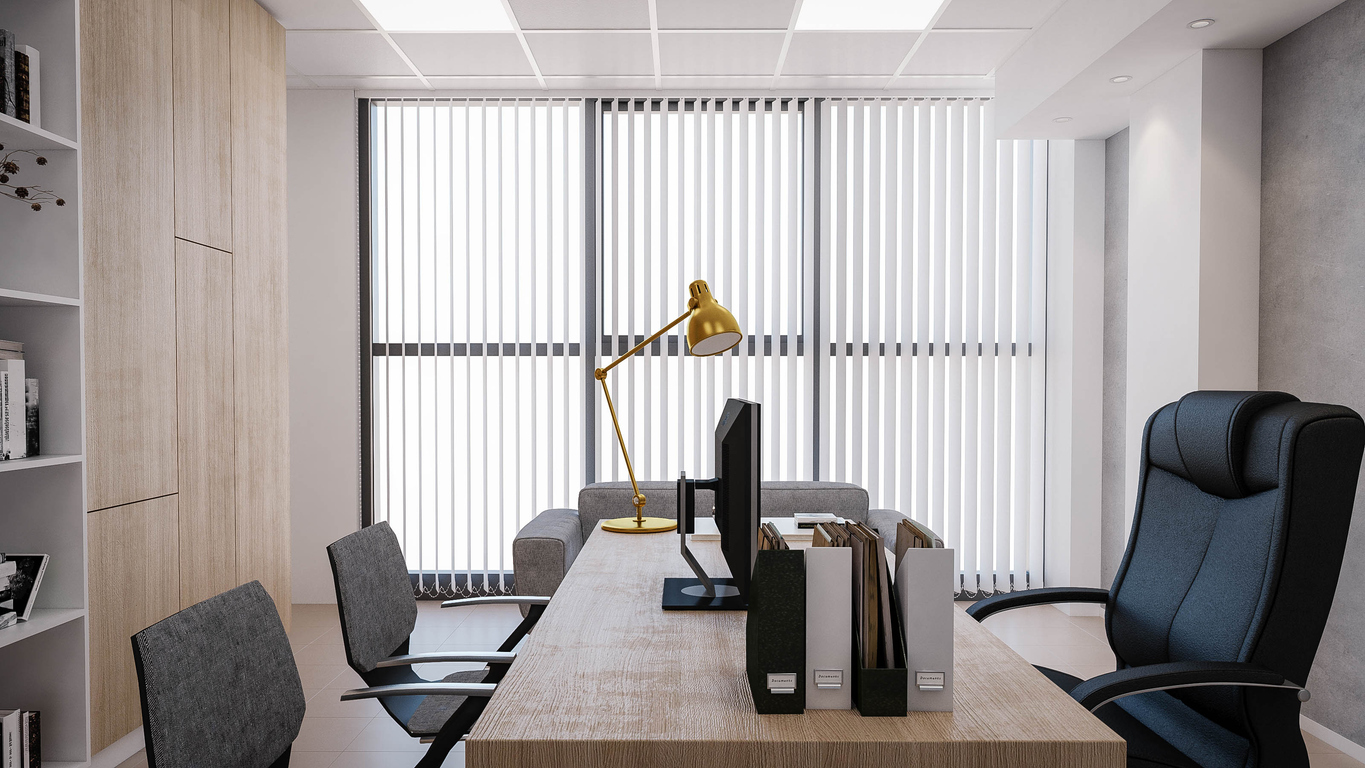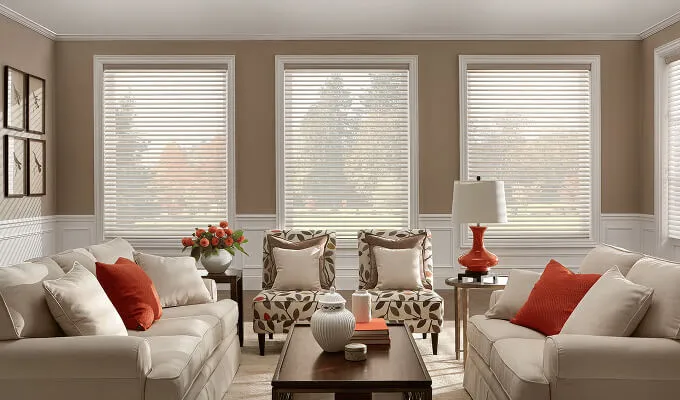
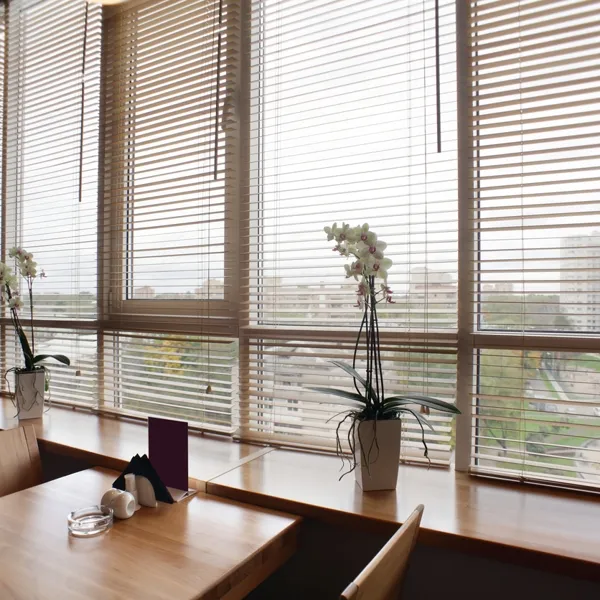
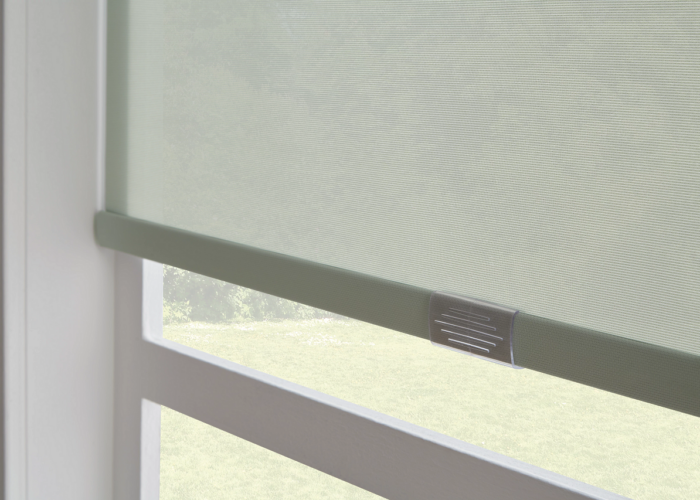
Large windows are one of the best features of an Austin home—especially when they overlook the Hill Country, a backyard, or the city skyline. Unfortunately, those same windows can become difficult to enjoy when the afternoon sun creates intense glare, heats up the room, or makes it hard to watch television and work on a computer.
The good news is that you do not have to cover the view to make your home more comfortable. Solar shades can filter harsh sunlight, reduce glare, and preserve your connection to the outdoors.
What Is the Best Window Treatment for Reducing Glare Without Blocking the View?
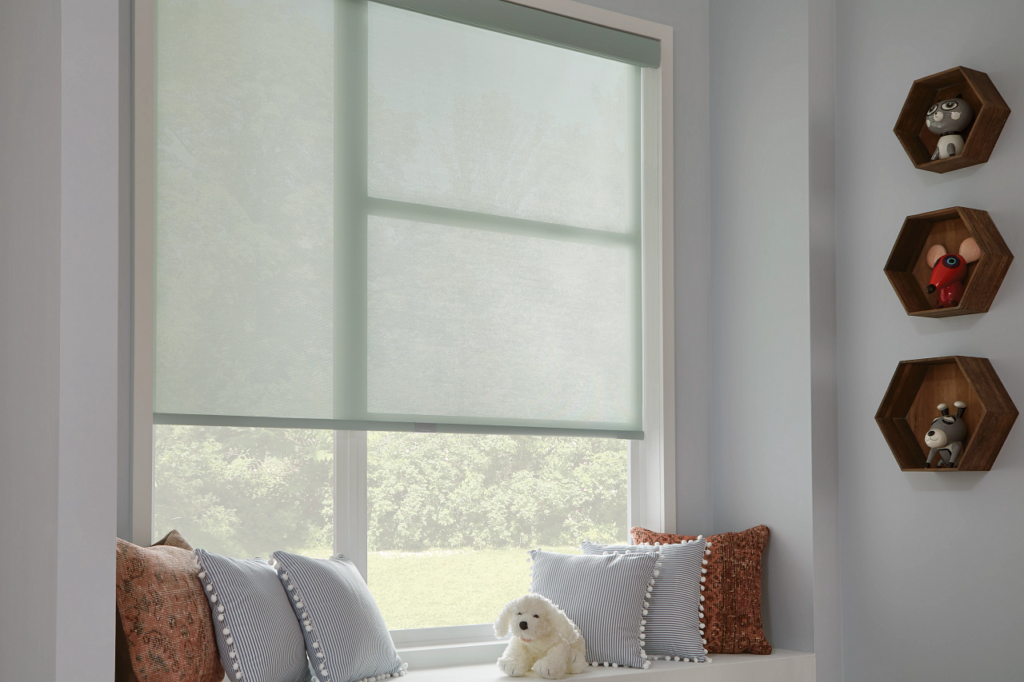
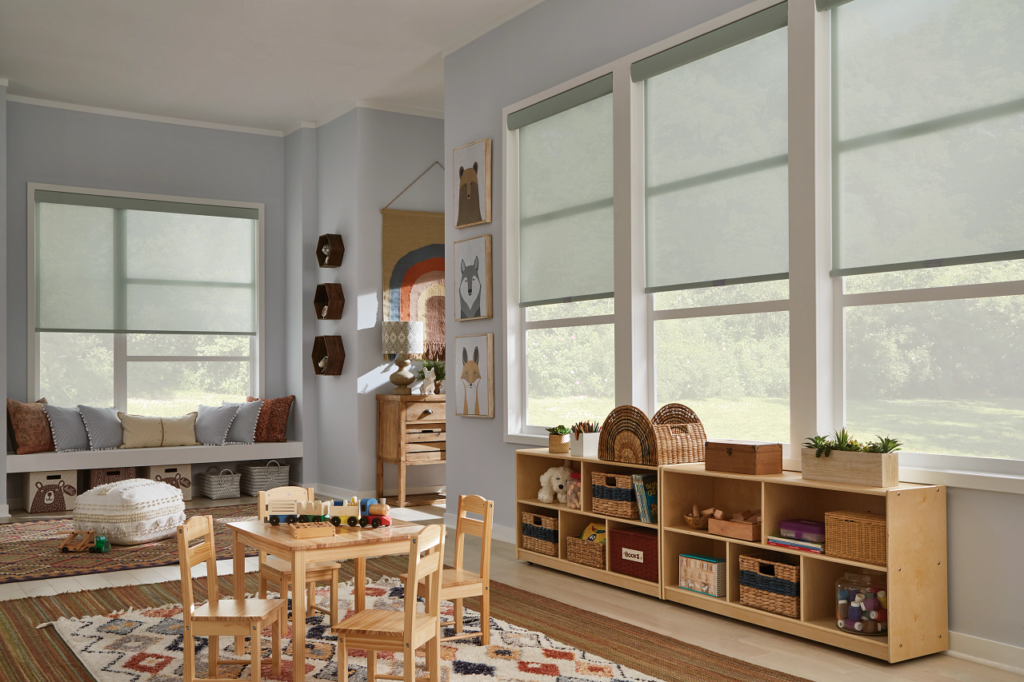
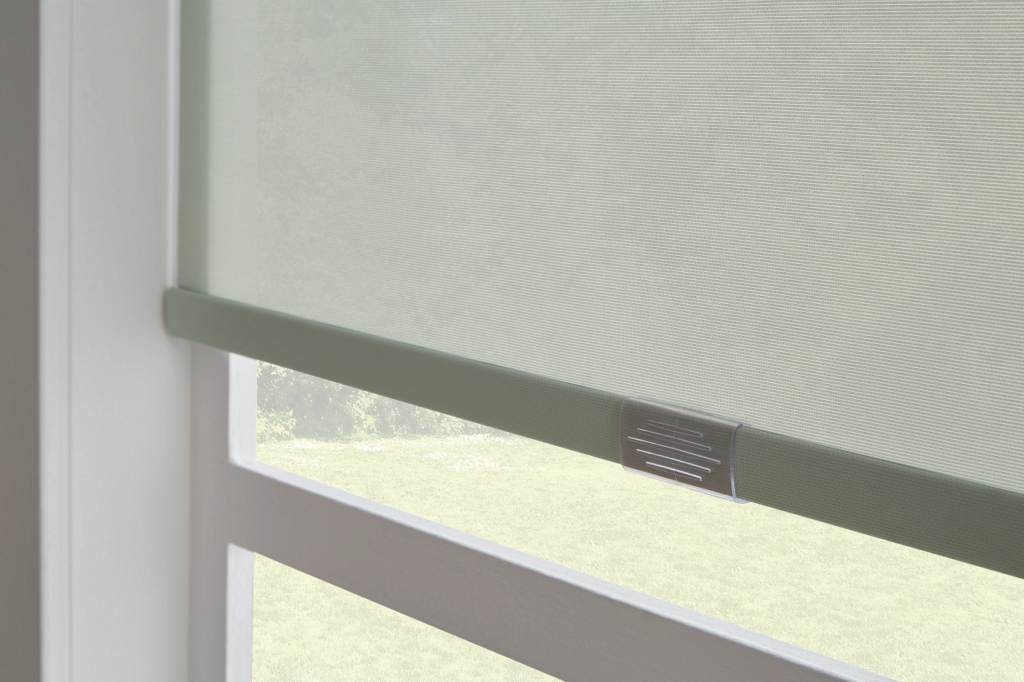
For homeowners who want to keep their view, solar shades are often the best place to start. Unlike blackout shades, solar shades are made with a woven performance fabric that filters sunlight rather than completely blocking it.
When the shades are lowered, you can still see outside while reducing the intensity of the afternoon sun. This makes solar shades especially useful in living rooms, home offices, dining areas, and other shared spaces with large windows.
They are also a strong option for west-facing windows, which tend to receive the most disruptive sunlight later in the day.
Choose the Right Openness Level for Your View
The performance of a solar shade depends heavily on its openness level. Openness refers to the amount of light that can pass through the fabric weave.
A higher openness level typically preserves more of the outdoor view but allows more sunlight into the room. A lower openness level provides more glare reduction and UV protection, but the view becomes less pronounced.
Here is a simple guide:
| Openness Level | Best For |
|---|---|
| 10% openness | Preserving a clear outdoor view when moderate glare control is enough |
| 5% openness | Balancing view preservation with stronger glare reduction |
| 3% openness | Reducing significant afternoon glare while still maintaining a view |
| 1% openness | Prioritizing sun control and UV protection over the outdoor view |
The ideal fabric depends on the direction of the windows, the amount of direct sunlight, the room’s purpose, and how much visibility you want to maintain. A living room overlooking the backyard may need a different openness level than a home office with direct sun hitting a computer screen.
Consider the Direction of the Sun
Austin homeowners often notice the most challenging glare in rooms with west-facing or southwest-facing windows. In the afternoon, sunlight can hit these windows directly for hours.
This is common in homes throughout areas such as Bee Cave, Lakeway, Dripping Springs, and West Lake Hills. Homes with large windows and scenic views can be particularly affected because there is more exposed glass.
Solar shades help soften the sunlight without making the room feel closed off. They can also help protect flooring, furniture, artwork, and other interior finishes from prolonged UV exposure.
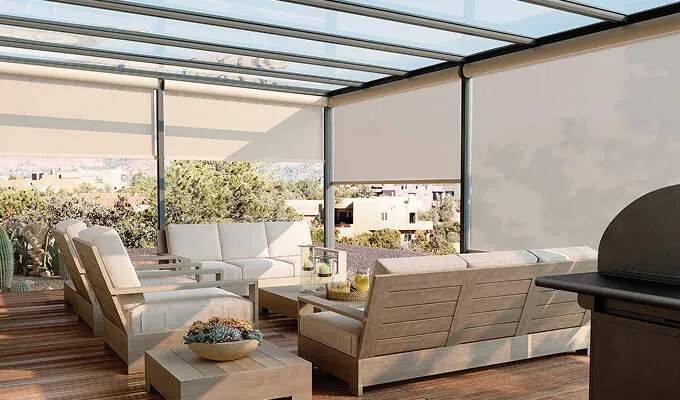
For homes with especially intense sunlight, exterior solar shades may also be worth considering. By addressing the sun before it reaches the glass, exterior shades can add another level of comfort for patios, outdoor living spaces, and heavily exposed windows.
Add Motorization for Easy Afternoon Control
Glare is not always a problem throughout the entire day. You may only need your shades lowered for a few hours in the afternoon.
Motorized solar shades make it easier to adjust your window coverings when the sunlight changes. This can be particularly useful for tall windows, wide expanses of glass, or whole-home projects where adjusting each shade manually would become inconvenient.
Motorization also allows you to create a more intentional routine. Shades can be lowered when the afternoon sunlight becomes disruptive and raised again when the sun begins to set.
What About Privacy at Night?
Solar shades are designed primarily for daytime sun control and view preservation. They are not always the best choice when nighttime privacy is the top priority.
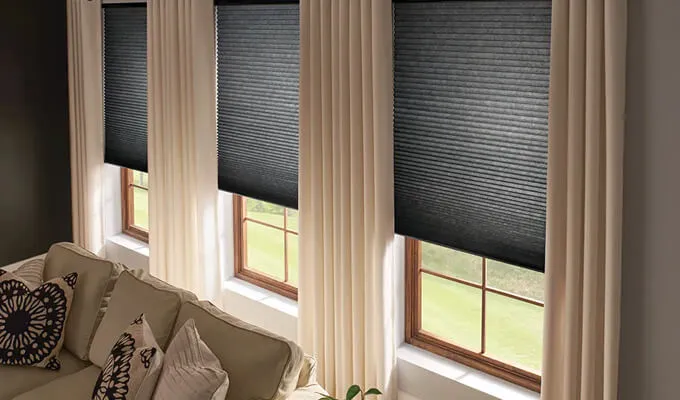
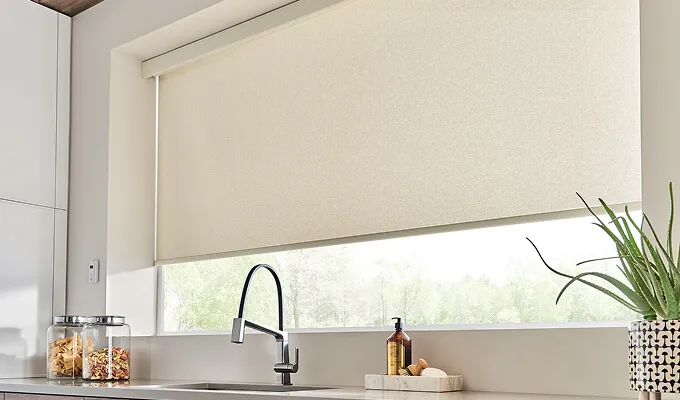
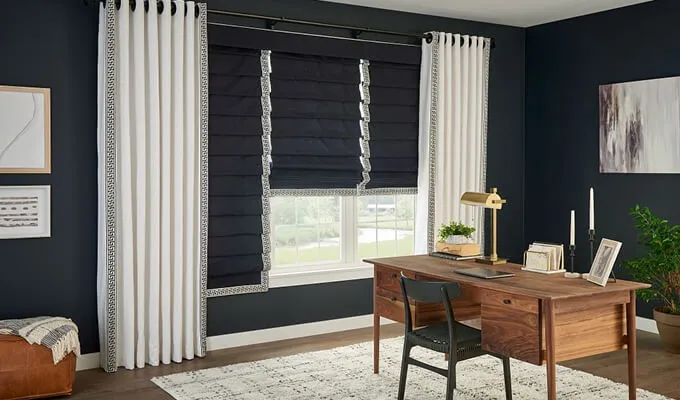
For rooms that need more privacy after dark, solar shades can be paired with roller shades or drapery panels. During the day, the solar shade can reduce glare while maintaining the view. At night, the secondary treatment can provide additional privacy and a more layered design.
This approach works particularly well in living rooms, dining rooms, and open-concept spaces where homeowners want both function and a finished look.
Why Austin Homeowners Love Solar Shades
Solar shades are a practical solution for homeowners who chose their property partly because of the view. They reduce the frustration of afternoon glare without forcing you to choose between comfort and natural light.
Their clean, streamlined appearance also works well in modern homes, new builds, and remodels throughout the Austin area. With different openness levels, fabric colors, and motorization options available, solar shades can be customized around the specific way your home receives sunlight.
Find the Right Glare-Reducing Shades for Your Austin Home
The right shade should make your home more comfortable without hiding the features you love most.
At Bumble Bee Blinds of Austin, our design consultants can help you compare solar-shade fabrics, openness levels, colors, and motorization options based on your windows and your view. Whether you are updating one bright room or planning window treatments for an entire home, we will help you find a solution that fits your space.
Book a free in-home consultation
Frequently Asked Questions About Reducing Afternoon Glare
What window treatment is best for reducing glare without blocking the view?
Solar shades are usually the best option for reducing glare while preserving an outdoor view. They filter sunlight through a woven fabric instead of fully blocking the window.
Do solar shades still allow you to see outside?
Yes. Solar shades are designed to maintain daytime visibility to the outdoors. The clarity of the view depends on the fabric’s openness level. A higher openness level typically preserves more of the view, while a lower openness level provides stronger sun control.
What openness level is best for solar shades?
A 5% openness level is often a strong starting point because it balances glare reduction with view preservation. Homes with intense west-facing sunlight may benefit from a 1% or 3% openness level. The best choice depends on the room, window direction, and amount of direct sunlight.
Are solar shades good for west-facing windows?
Yes. Solar shades work especially well on west-facing and southwest-facing windows because they help reduce the harsh afternoon glare that can make rooms uncomfortable later in the day.
Do solar shades provide privacy at night?
Solar shades provide daytime privacy, but they are not designed for complete nighttime privacy. When interior lights are on after dark, visibility may reverse. Homeowners who want more privacy can layer solar shades with drapery or a secondary roller shade.
Can solar shades help reduce heat in an Austin home?
Yes. Solar shades can help reduce solar heat gain by filtering sunlight before it enters the room. They are especially helpful in rooms with large windows or extended afternoon sun exposure.
Can solar shades be motorized?
Yes. Motorized solar shades are a practical option for tall windows, large walls of glass, and rooms where the shades need to be adjusted regularly throughout the day. They can make it easier to manage afternoon glare without manually adjusting each window covering.