
Window treatments usually require a compromise. You can leave your shades open to enjoy natural light, but that may reduce your privacy. You can close them for privacy, but the room may feel darker than you want.
Top-down bottom-up cellular shades offer a more flexible solution. Instead of only raising a shade from the bottom, you can also lower it from the top. This allows natural light to enter the room while keeping the lower portion of the window covered.
For Austin homeowners, this feature can be especially useful in bathrooms, bedrooms, home offices, and street-facing rooms. But are top-down bottom-up shades worth the added investment? It depends on your windows, your privacy needs, and how you use each room.
What Are Top-Down Bottom-Up Cellular Shades?
Top-down bottom-up cellular shades are honeycomb shades that can be adjusted from both directions.
You can:
- Lower the shade from the top
- Raise the shade from the bottom
- Cover the middle or lower portion of the window
- Fully close the shade when you want more privacy or light control
- Fully open the shade when you want an unobstructed view
This added flexibility makes it easier to manage privacy and natural light throughout the day.
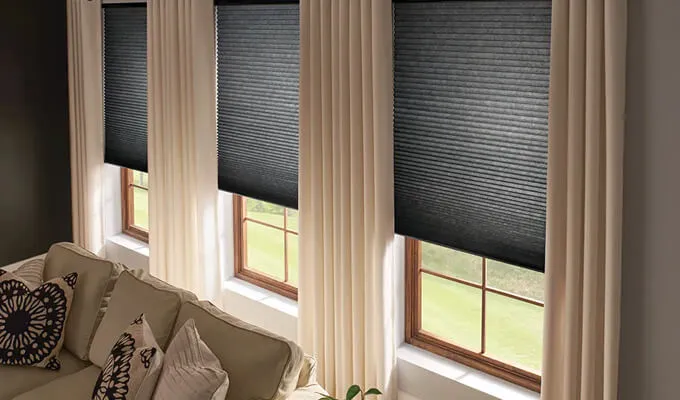
Like standard cellular shades, these window treatments are made with a honeycomb-style structure. The internal pockets create a layer of air near the window, which can help slow heat transfer.
Are Top-Down Bottom-Up Cellular Shades Worth It?
For many homeowners, yes. Top-down bottom-up cellular shades are worth considering when you want privacy without completely blocking your natural light.
They are especially helpful when a standard shade leaves you choosing between two extremes: fully open or fully closed.
The feature may be worth the added cost if:
- Your windows face the street
- Your home is close to neighboring properties
- You want privacy without losing daylight
- You have bathroom windows that need coverage
- You work from home and want natural light during the day
- You want more flexibility than a standard shade provides
However, they may not be necessary for every room. If a window already has plenty of privacy or you usually keep the shade fully open or closed, a standard cellular shade may be enough.
Best Rooms for Top-Down Bottom-Up Cellular Shades
You do not need to install the same window treatment throughout your entire home. Top-down bottom-up shades provide the most value in rooms where privacy and daylight are both important.
Bathrooms
Bathrooms are one of the best places to use top-down bottom-up cellular shades.
You can keep the lower portion of the window covered for privacy while lowering the top slightly to bring in natural light. This can make the room feel brighter without leaving the window fully exposed.
The ideal fabric depends on your bathroom layout and the level of privacy you need. A light-filtering fabric may work well in a bathroom where the window is not directly exposed to neighbors. A more opaque fabric may be a better fit when privacy is the top priority.
Bedrooms
Bedrooms often need different levels of light control at different times of day.
During the morning, you may want to lower the shade from the top to let in daylight while keeping the lower portion covered. At night, you can fully close the shade for privacy.
For stronger room-darkening performance, consider a blackout or room-darkening cellular fabric. Keep in mind that small amounts of light may still enter around the edges of the shade, depending on the window frame and installation method.
Street-Facing Living Rooms
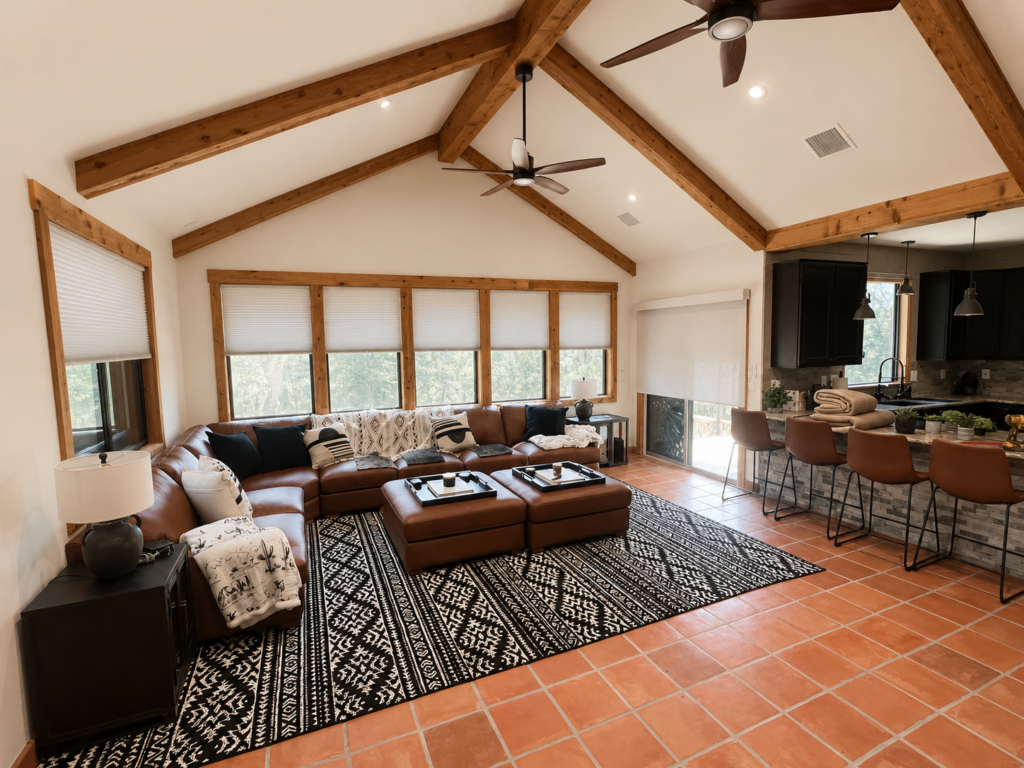
If your living room faces a sidewalk, driveway, or neighboring home, leaving the shades open may make the room feel too exposed.
Top-down bottom-up shades allow you to cover the lower part of the window while leaving the upper portion open. You still get natural light, but the room feels more private.
This can be especially useful in Austin neighborhoods where homes are close together or where large front-facing windows are part of the home’s design.
Home Offices
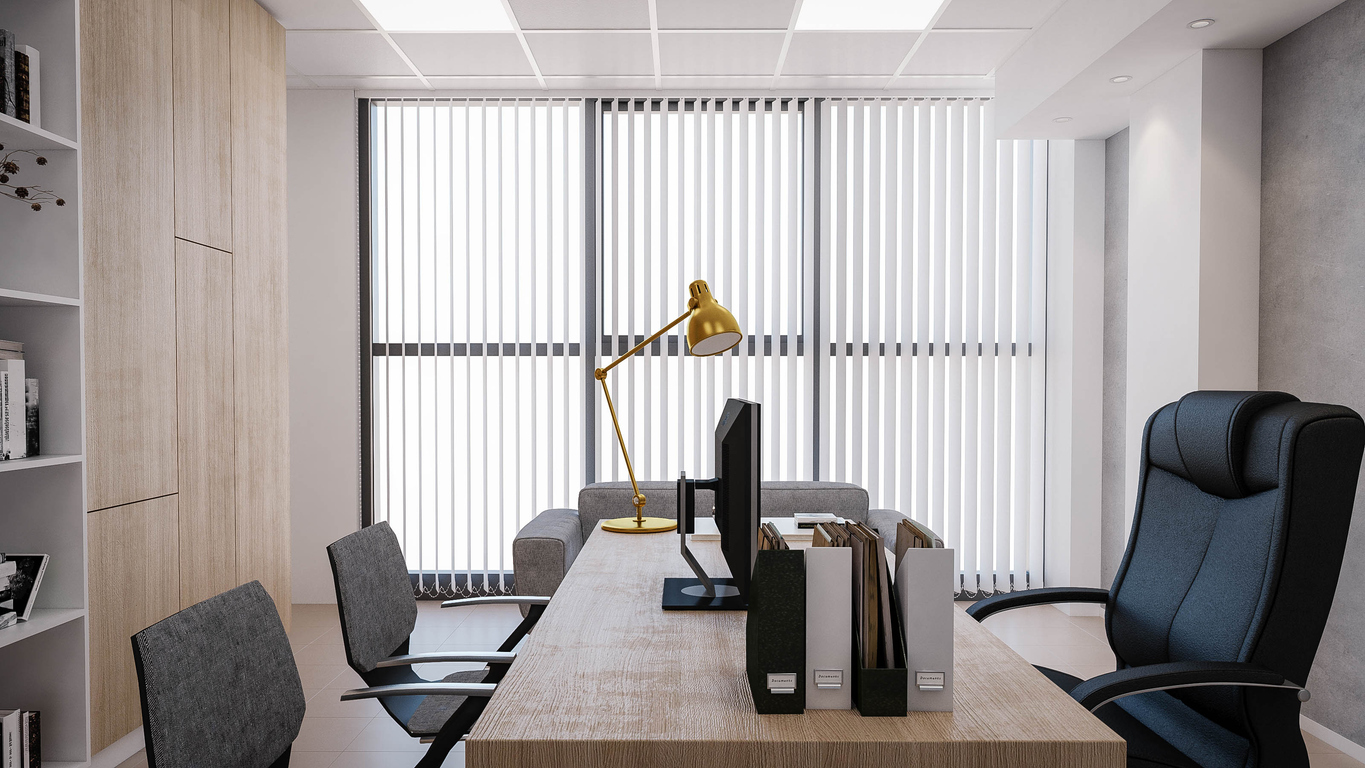
Natural light can make a home office feel more comfortable, but direct sunlight and outside distractions can make it harder to work.
Top-down bottom-up shades allow you to adjust the coverage based on the time of day. You can reduce visibility into the room, soften incoming light, and still keep the space from feeling closed off.
Dining Rooms and Breakfast Areas
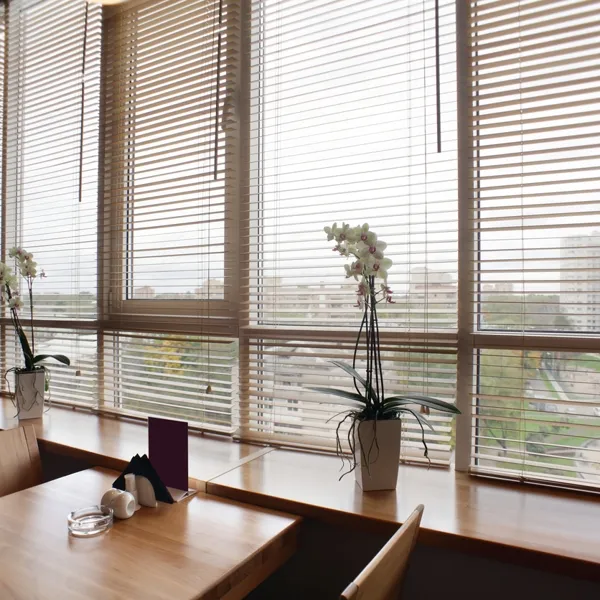
Dining areas often benefit from natural light, but they may also face a street or neighboring property.
A top-down bottom-up design gives you more control over the view into the room without making the space feel dark during breakfast or daytime meals.
Why Cellular Shades Work Well in Austin Homes
Austin homeowners deal with bright sunlight and long cooling seasons. Window treatments can play an important role in making rooms feel more comfortable.
Cellular shades are designed with air pockets that create an insulating layer near the window. The U.S. Department of Energy notes that tightly installed cellular shades can reduce unwanted solar heat through windows during cooling seasons. You can learn more in the Department of Energy’s guide to energy-efficient window coverings.
This makes cellular shades a practical option for:
- Bedrooms
- Upstairs rooms
- Home offices
- Older homes
- Rooms with direct sun exposure
- Windows where privacy matters
Top-down bottom-up operation adds more flexibility without changing the clean, streamlined appearance of the shade.
Light-Filtering vs. Blackout Cellular Shades
The lift style is only one part of the decision. You also need to choose the right fabric.
Light-Filtering Cellular Shades
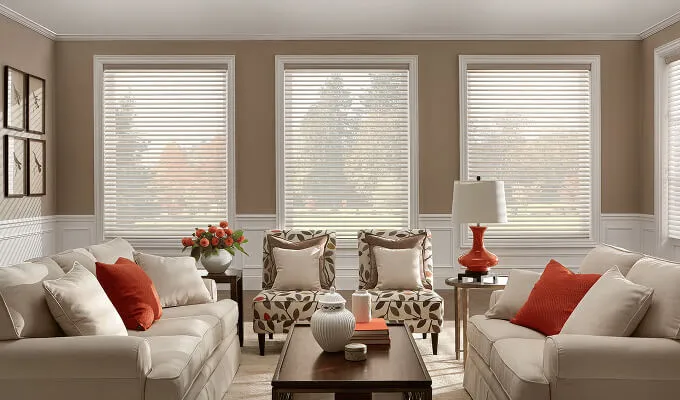
Light-filtering fabrics soften incoming sunlight while allowing the room to remain bright. These are often a good fit for:
- Living rooms
- Bathrooms
- Home offices
- Dining rooms
- Street-facing windows
When the shade is fully closed, the fabric helps create privacy while allowing diffused light into the room.
Blackout or Room-Darkening Cellular Shades
Blackout or room-darkening fabrics provide stronger light control. These are often a better fit for:
- Bedrooms
- Nurseries
- Media rooms
- Guest rooms
- East-facing windows with early morning sun
- West-facing bedrooms with intense afternoon light
For a bedroom, a top-down bottom-up shade can give you flexibility during the day and stronger coverage at night.
Top-Down Bottom-Up Shades for West-Facing Windows
West-facing windows can be challenging in Austin because they receive strong afternoon sunlight during one of the hottest parts of the day.
Cellular shades can be helpful when your priorities include insulation, privacy, and light control. A top-down bottom-up design allows you to adjust the position of the shade as the sunlight changes.
However, cellular shades may not be the right solution if your main goal is preserving a clear outdoor view. In that case, solar shades may be a better fit because they filter glare while maintaining more visibility outside.
A simple way to compare the two:
- Choose cellular shades for privacy, insulation, and softer light.
- Choose solar shades when glare control and preserving your view are the priorities.
- Consider layered window treatments when you want more flexibility.
Manual vs. Motorized Top-Down Bottom-Up Cellular Shades
Top-down bottom-up shades are commonly available with manual operation. Depending on the manufacturer and product line, motorized options may also be available.
Manual Operation
Manual top-down bottom-up shades are a practical fit for windows that are easy to reach. You can adjust the top and bottom sections based on your privacy and light-control needs.
They often work well for:
- Bathrooms
- Bedrooms
- Dining rooms
- Home offices
- Standard-height windows
Motorized Operation
Motorized top-down bottom-up cellular shades can make it easier to adjust your window treatments with a remote, app, or compatible control system.
They may be especially useful for:
- Tall windows
- Hard-to-reach windows
- Bedrooms
- Homes with multiple shades
- Homeowners who want scheduled adjustments
- Smart-home projects
Motorized options vary by manufacturer, so it is important to confirm the available lift systems, controls, and power sources before placing your order.
When Standard Cellular Shades May Be Enough
Top-down bottom-up operation is useful, but it is not necessary for every window.
A standard cellular shade may be enough if:
- The room already has plenty of privacy
- The window faces a backyard or private outdoor area
- You normally keep the shade fully open or fully closed
- You want a simpler lift system
- Budget is the main priority
- The shade will be installed on a window you rarely adjust
You may decide to use top-down bottom-up shades in the rooms where the feature adds the most value and standard cellular shades in secondary spaces.
For example, you could install top-down bottom-up shades in your bathrooms, primary bedroom, and street-facing office while using standard cellular shades in guest rooms.
Do Top-Down Bottom-Up Shades Provide Privacy at Night?
Yes, but the shade needs to be fully closed when privacy is the priority.
During the day, leaving the upper portion of the window open can bring in natural light while limiting direct visibility into the room. At night, interior lighting may make the room more visible from outside, especially if part of the window remains uncovered.
For nighttime privacy, close the shade fully.
The right fabric also matters. Light-filtering fabrics soften incoming light and provide privacy when closed, while blackout or room-darkening fabrics offer stronger coverage.
Are Top-Down Bottom-Up Cellular Shades Difficult to Use?
For most homeowners, no. The basic concept is simple: adjust the upper and lower sections until you have the amount of light and privacy you want.
The best operating system depends on the size of the window, how often you plan to adjust the shade, and whether the window is easy to reach.
During a custom consultation, you can compare manual and motorized options and see how each system operates before choosing the right fit for your home.
Frequently Asked Questions About Top-Down Bottom-Up Cellular Shades
What is the main benefit of top-down bottom-up cellular shades?
The biggest benefit is flexibility. You can cover the lower portion of the window for privacy while leaving the upper section open for natural light.
Are top-down bottom-up shades good for bathrooms?
Yes. Bathrooms are one of the most popular places to use top-down bottom-up shades because the feature allows you to balance privacy with natural light.
Can top-down bottom-up cellular shades be blackout?
Yes. Depending on the product line, room-darkening or blackout fabrics may be available. These fabrics can be a strong fit for bedrooms and media rooms.
Can top-down bottom-up cellular shades be motorized?
Yes. Some manufacturers offer motorized top-down bottom-up cellular shades. Available controls and power options vary by product line.
Are cellular shades good for Austin heat?
Cellular shades can be a practical option for Austin homes because their honeycomb-style structure creates an insulating layer near the window. A tight fit and the right fabric selection can help improve performance.
Should I install top-down bottom-up shades throughout my whole home?
Not necessarily. These shades offer the most value in rooms where you want both privacy and natural light. Standard cellular shades may be enough for secondary rooms or windows facing private outdoor areas.
Find the Right Cellular Shades for Your Austin Home
Top-down bottom-up cellular shades can be a smart investment when you want privacy without sacrificing natural light. They are especially useful in bathrooms, bedrooms, home offices, and street-facing living spaces.
Bumble Bee Blinds of Austin can help you compare standard, top-down bottom-up, cordless, blackout, light-filtering, and motorized cellular shades to find the right option for each room in your home.
Schedule a free in-home consultation or call Bumble Bee Blinds of Austin at 512-846-9922.