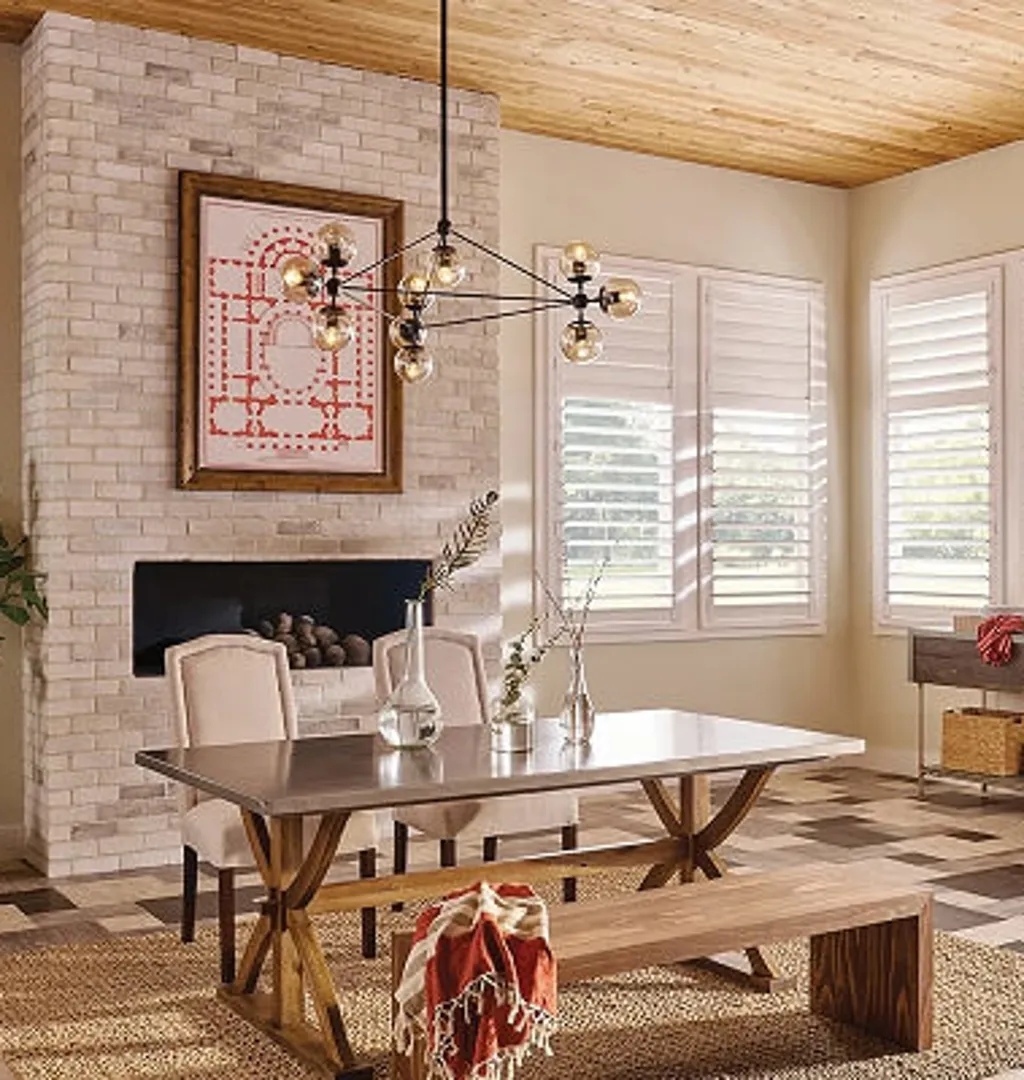
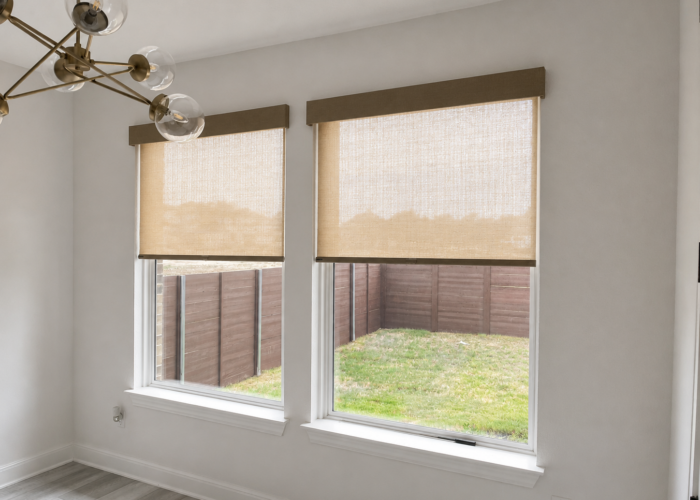

When you are building a new home, window treatments may feel like a finishing touch that can wait until the end of the project. However, waiting until after move-in can limit your options, especially if you want motorized shades, hidden wiring, custom drapery, or a polished whole-home design.
The best time to start planning window treatments for a new build is during the design phase. You do not need to select every fabric or place your final order immediately. However, thinking through your window treatment needs early can prevent rushed decisions, exposed cords, and bare windows after closing.
Here is what Austin homeowners should consider at each stage of the building process.
Start Planning Window Treatments During the Design Phase
The initial planning phase is the right time to think about how each room will function. Consider your privacy needs, the direction your windows face, the amount of natural light entering the home, and whether certain windows will be difficult to reach.
For example, large west-facing windows may bring in intense afternoon sun. Bedrooms may need blackout shades for better light control. A two-story living room may have windows that are difficult to operate manually. Sliding glass doors may need a different solution than standard windows.
During the design phase, ask yourself:
- Which rooms need privacy during the day or at night?
- Which windows receive strong morning or afternoon sunlight?
- Do any windows need blackout coverage?
- Are there tall or hard-to-reach windows?
- Do you want motorized window treatments?
- Will your home include smart-home technology?
- Are there rooms where you want layered shades and drapery?
Answering these questions early gives you time to choose the right solutions without slowing down the rest of the project.
Plan Motorized Shades Before the Drywall Goes Up
If you are interested in motorized window treatments, it is worth making that decision early in the construction process.
Many motorized shades can be powered by batteries or rechargeable battery systems. These options can work well in existing homes because they do not require new wiring. However, a new build gives you the opportunity to plan for hardwired motorized shades while the walls are still open.
Hardwired shades can create a cleaner look by reducing the need for visible power cords or accessible charging points. They may be especially useful for large windows, multiple shades in one room, high windows, or whole-home motorization.
Talk with your builder, electrician, and window treatment provider before drywall installation. That gives the team time to coordinate wiring locations and determine which windows should be prepared for motorization.
Hardwired shades can create a cleaner look by reducing the need for visible power cords or accessible charging points. They may be especially useful for large windows, multiple shades in one room, high windows, or whole-home motorization. If you are considering this option, Hunter Douglas has a helpful guide on planning hardwired window treatments during construction.
Think About Window Treatment Placement Early
Planning early is not only about wiring. It can also affect how finished window treatments look once they are installed.
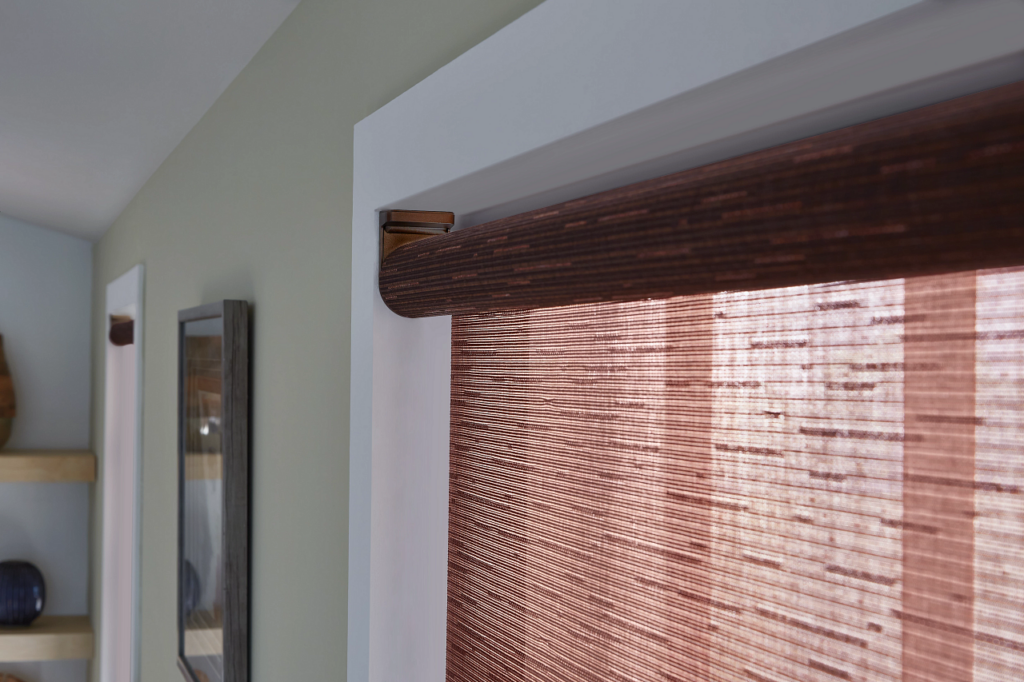
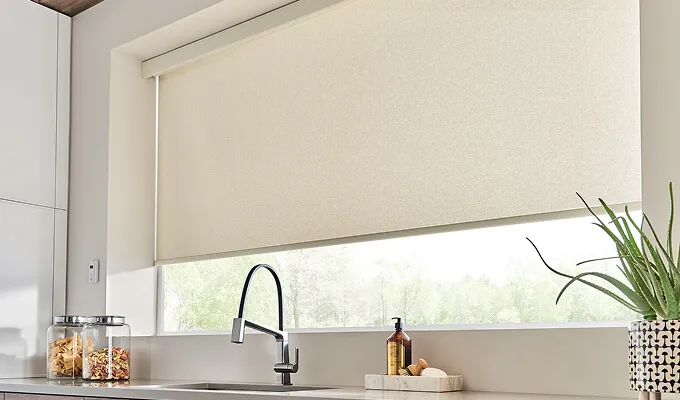
For roller shades, solar shades, and other streamlined styles, some homeowners prefer a minimal appearance that blends into the architecture. Depending on the home design, your builder and window treatment provider may be able to discuss placement options before construction is complete.
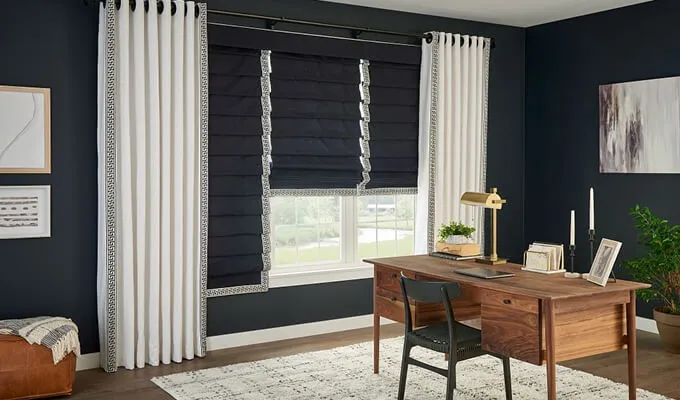
Custom drapery also benefits from early planning. The width of the drapery panels, the location of the hardware, the height of the ceiling, and the amount of wall space surrounding each window can all influence the final look.
If you want drapery mounted close to the ceiling or extending beyond the window frame, it helps to communicate that vision before furniture, lighting, and other design elements are finalized.
Wait Until the Windows and Trim Are Finished for Final Measurements
Planning should begin early, but final measurements should happen later.
Custom window treatments need accurate measurements. Even if window dimensions are listed on the building plans, the finished openings may vary slightly after installation, drywall, and trim work are complete.
The best time to schedule final measurements is after the windows are installed and the surrounding trim or drywall is finished. This gives your window treatment provider the information needed to order shades, blinds, shutters, or drapery that fit correctly.
In other words:
- Plan the overall strategy early.
- Coordinate motorization before drywall.
- Confirm your design preferences during construction.
- Take final measurements once the window openings are finished.
- Order custom window treatments with enough time for production and installation.
Do Not Wait Until Move-In Day to Think About Privacy
One of the most common mistakes homeowners make is waiting until they move in to start shopping for window treatments.
Bare windows may not seem like a major issue during construction, but the lack of privacy becomes noticeable quickly once you are living in the home. This is especially true for bedrooms, bathrooms, street-facing windows, and homes built close to neighboring properties.
Planning ahead can help prioritize the rooms that need coverage first. You may decide to install essential shades in bedrooms and bathrooms before move-in, then add decorative drapery or secondary treatments after furniture and décor are in place.
This approach keeps the project manageable while making the home more comfortable from the beginning.
Choose Window Treatments Based on the Room
A new build does not need the same window treatment in every room. A whole-home plan should feel cohesive, but the products can still vary based on function.
Bedrooms
Bedrooms often benefit from blackout roller shades or blackout cellular shades. Motorization can make it easier to adjust shades from bed or schedule them to open in the morning.
Living Rooms
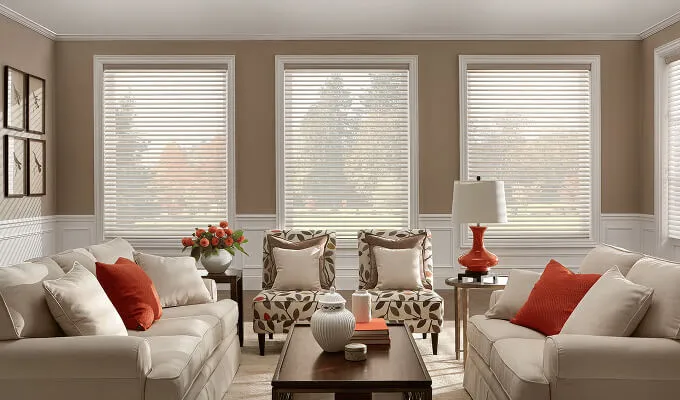
Living rooms may need light-filtering shades, solar shades, or layered window treatments. If you have a view you want to preserve, solar shades can help reduce glare while maintaining visibility outside.
Home Offices
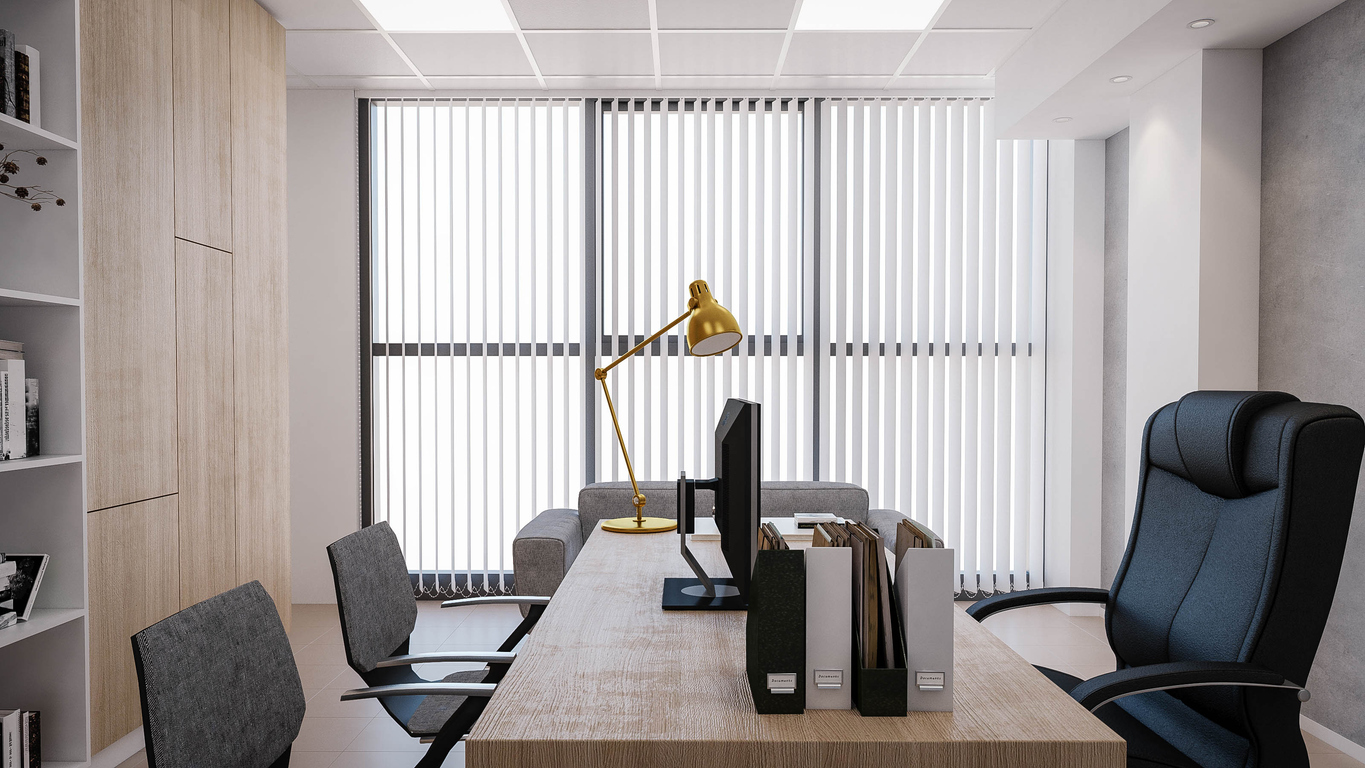
Home offices often need glare control for computer screens without making the room too dark. Solar shades or light-filtering roller shades can create a more comfortable workspace.
Bathrooms
Bathrooms usually require privacy, moisture-friendly materials, and simple operation. The best option depends on the window placement and whether privacy is needed throughout the day.
Sliding Glass Doors
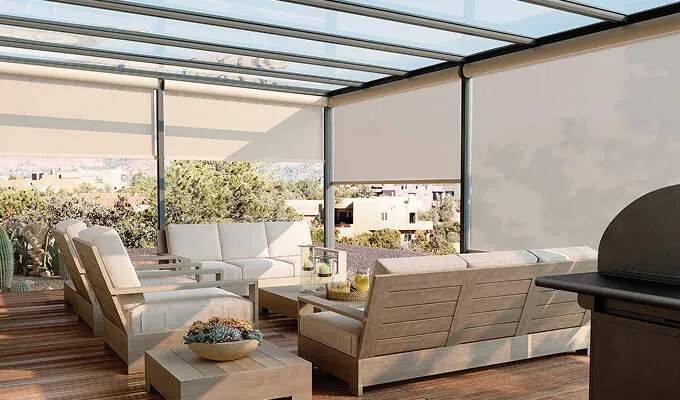
Large doors may need roller shades, vertical solutions, drapery, or another treatment designed for wide openings. Planning early helps ensure the treatment does not interfere with the way the door opens and closes.
High or Hard-to-Reach Windows
Tall windows and two-story spaces are ideal candidates for motorized shades. These windows are much easier to plan for during the construction process than after move-in.
Consider How the Austin Sun Will Affect Your Home
Austin homeowners should pay close attention to the direction their windows face.
West-facing windows often receive strong afternoon sunlight, which can cause glare and make rooms feel warmer. South-facing windows may receive significant sun throughout the day. Bedrooms with east-facing windows can become bright early in the morning.
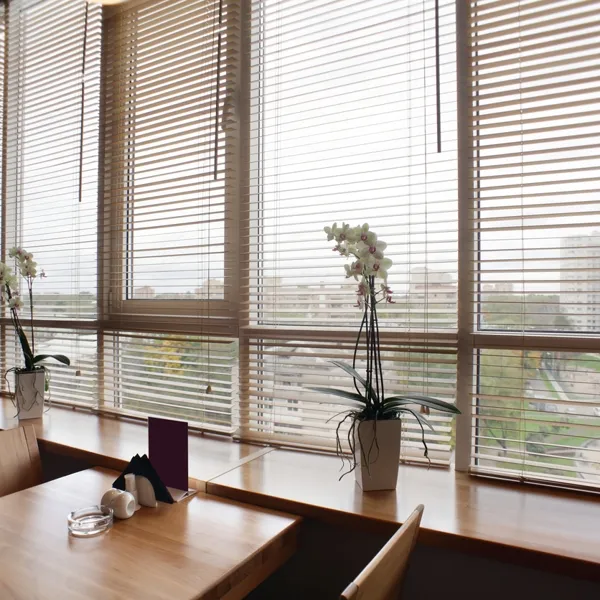
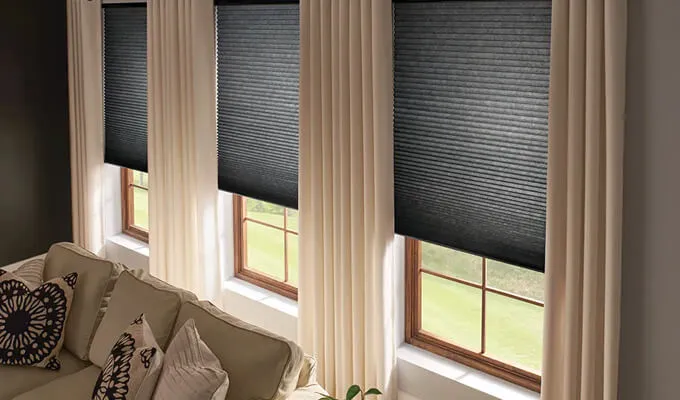
The right window treatments can help manage sunlight based on the room and the time of day. Solar shades can filter glare while preserving outdoor views. Cellular shades can add insulation. Blackout shades can provide stronger room-darkening performance. Drapery can add softness, privacy, and another layer of light control.
A custom consultation can help you choose the right treatment for each exposure instead of using a one-size-fits-all solution.
Create a Window Treatment Budget Early
Window treatments are easy to overlook when you are budgeting for flooring, cabinetry, lighting, and furniture. However, a home with several large windows can require a meaningful investment, especially if you want motorization, drapery, or custom materials.
Adding a window treatment allowance to your building budget early can help you prioritize where to spend more and where a simpler solution will work.
You may decide to invest in:
- Motorized shades for the main living spaces
- Blackout shades for bedrooms
- Solar shades for west-facing windows
- Drapery for formal living areas
- Cordless shades for secondary rooms
- Privacy treatments for bathrooms and street-facing windows
A whole-home plan allows you to make intentional choices rather than treating every window as a separate last-minute purchase.
Frequently Asked Questions About Window Treatments for a New Build
When should I contact a window treatment company during a new build?
Contact a window treatment provider during the design phase or before drywall installation. This is especially important if you are considering hardwired motorized shades. Final measurements can be taken once the windows, drywall, and trim are complete.
Should I order window treatments before the windows are installed?
You can begin selecting products, materials, and motorization options early, but it is best to wait for finished-window measurements before placing the final custom order.
Can motorized shades be hardwired during construction?
Yes. A new build is an ideal time to consider hardwired motorized shades because wiring can be coordinated while the walls are open.
Do I need the same window treatments throughout my entire home?
No. Your window treatments should feel cohesive, but different rooms may need different products based on privacy, sunlight, window size, and how the space is used.
Can window treatments be installed before I move in?
Yes. With advance planning and final measurements taken at the right stage of construction, essential window treatments may be installed before move-in or shortly afterward.
Plan Your New Home’s Window Treatments With Bumble Bee Blinds of Austin
The best window treatments for a new build start with a plan. Thinking through privacy, sunlight, motorization, and room function during construction gives you more flexibility and helps create a finished home that feels comfortable from day one.
Bumble Bee Blinds of Austin can work with homeowners, builders, designers, and electricians to create a custom window treatment plan for your new home.
Schedule a free in-home consultation or call Bumble Bee Blinds of Austin at 512-846-9922.