When choosing custom drapery for your home, it’s easy to focus on fabric, color, and how the finished panels will look. However, one of the most important decisions comes before any of those details: do you actually need your drapery to open and close?
Some homeowners want the softness and texture of floor-to-ceiling drapery but already have blinds or shades providing privacy and light control. Others want their drapery to serve as the primary window treatment, offering coverage throughout the day and privacy in the evenings. This is where understanding the difference between stationary and functional drapery becomes important. While both options can be customized to complement your home’s design, they serve different purposes and have different hardware and fabric requirements.
What Is the Difference Between Stationary and Functional Drapery?
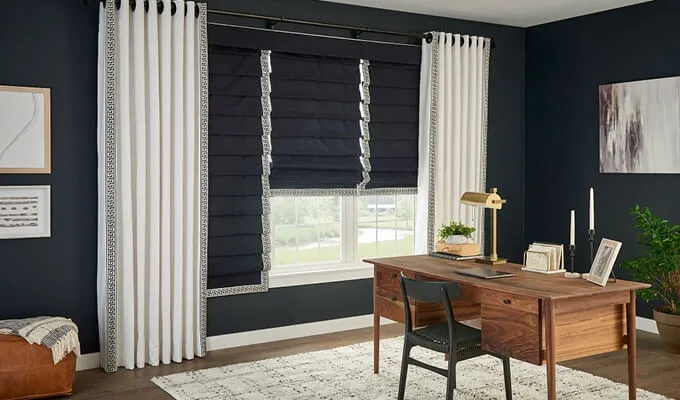
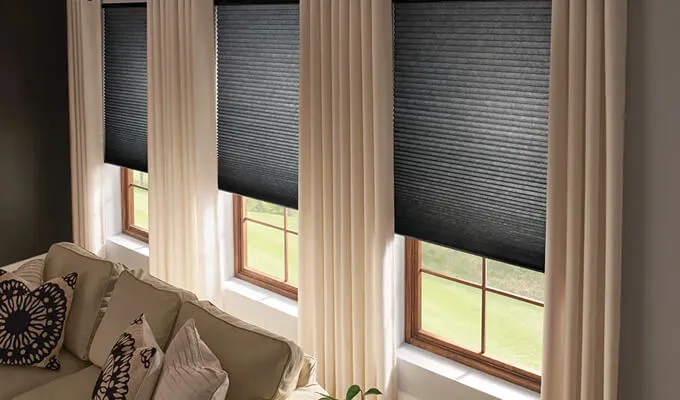
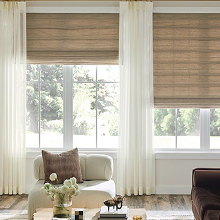
Stationary drapery, also called decorative drapery panels, is designed to remain in place rather than move across the window. These panels are typically installed on either side of the opening, adding texture, color, and a finished appearance without needing to provide full window coverage. Stationary panels are especially popular in living rooms, dining rooms, and spaces where homeowners want to preserve natural light or maintain an unobstructed view.
Functional drapery, on the other hand, is designed to open and close using a rod or track system. Depending on the fabric and lining selected, functional panels can provide privacy, reduce incoming sunlight, and offer room-darkening or blackout performance. This makes them particularly useful for bedrooms, sliding glass doors, and living areas where homeowners want greater control over their environment.
The primary differences come down to how the drapery operates and what you need it to accomplish.
| Feature | Stationary Drapery | Functional Drapery |
|---|---|---|
| Primary purpose | Decorative | Decorative and functional |
| Opens and closes | No | Yes |
| Privacy | Limited on its own | Provides adjustable coverage |
| Light control | Limited on its own | Depends on fabric and lining |
| Fabric requirements | Often requires less fabric | Typically requires more fabric for full coverage |
| Hardware | Decorative rods or fixed systems | Traversing rods or tracks |
| Motorization | Generally unnecessary | Available with compatible systems |
| Common applications | Living rooms, dining rooms, layered treatments | Bedrooms, sliding doors, and frequently used windows |
Neither option is necessarily better than the other. The right choice depends on how the window is used, whether another treatment already provides privacy, and the overall appearance you want to achieve.
When Does Stationary Drapery Make More Sense?
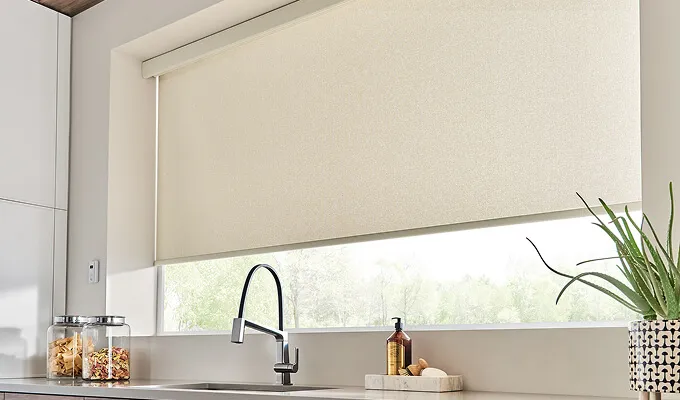
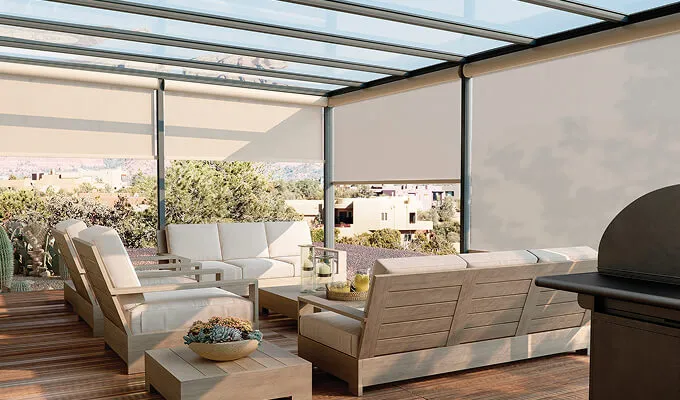
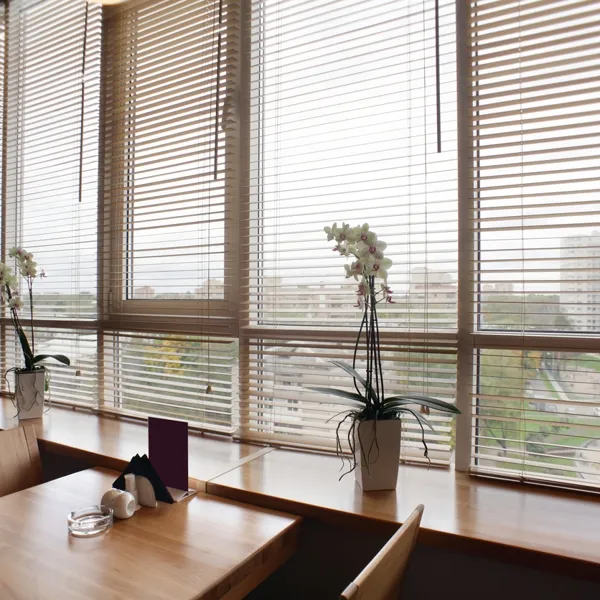
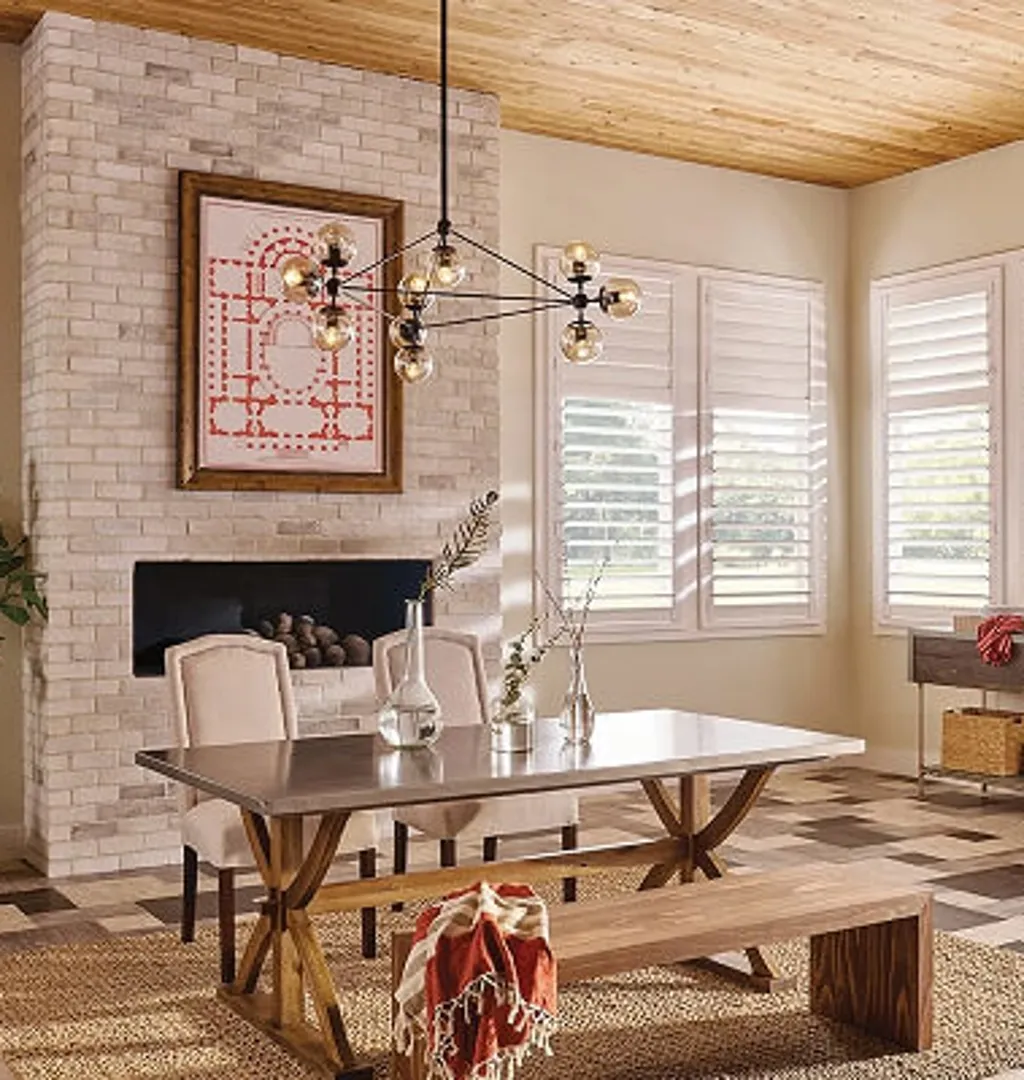
Stationary drapery is an excellent option when the primary goal is decorative rather than functional. For example, many Austin homeowners already have roller shades, cellular shades, or woven shades installed for everyday privacy and sunlight control. Adding stationary drapery panels allows them to introduce fabric and texture without changing how those existing window treatments operate.
This combination is particularly effective in living rooms with large windows, where maintaining natural light and outdoor views is a priority. Instead of covering the glass, stationary panels can be positioned outside the window opening to frame the view. When installed higher and wider than the window itself, they can also create the appearance of taller ceilings and larger windows. The key is selecting the appropriate panel width, fullness, and mounting position so the drapery looks intentional rather than undersized.
Stationary panels can also be a more budget-conscious approach to custom drapery. Because they aren’t required to close across the entire window, they may use less fabric and simpler hardware than functional panels. However, pricing still depends on the material, header style, window dimensions, and installation requirements. A stationary panel made from a premium fabric with decorative hardware may still represent a significant investment.
For homeowners interested in combining decorative panels with existing window treatments, our Guide to Layering Draperies With Blinds and Shades explores how these treatments can work together.
When Is Functional Drapery the Better Choice?
Functional drapery is the better option when you want the fabric itself to provide privacy, light control, or coverage throughout the day. In bedrooms, for example, fully closing drapery with an appropriate lining can help reduce incoming light and create a more comfortable sleeping environment. In living rooms with west-facing windows, functional panels offer flexibility when afternoon sunlight becomes particularly intense.
Sliding glass doors are another common application. Functional drapery can cover the opening when privacy is needed and move aside when accessing the patio. However, the direction the panels open and the space they occupy when fully stacked should be considered during the design process. If the hardware doesn’t extend far enough beyond the opening, the gathered fabric may obstruct part of the glass or doorway even when the drapery is open.
Hardware is especially important with functional drapery because the system needs to support the fabric’s weight while allowing smooth, consistent movement. Depending on the design, homeowners may choose a traversing rod, ceiling-mounted track, or compatible motorized system. Motorization can be particularly convenient for tall windows, wide openings, or drapery that is opened and closed frequently.
Functional drapery also requires careful planning around fabric fullness and panel dimensions. Unlike stationary panels, which may only frame the window, functional panels need enough material to provide the intended coverage when closed. Our Guide to Drapery Length and Fullness explains how these measurements influence the finished appearance.
How Do You Choose the Right Drapery for Your Home?
The decision between stationary and functional drapery ultimately comes down to how you want your windows to look and operate. If you already have shades or blinds managing privacy and sunlight, stationary panels may provide the decorative finishing touch you’re looking for. If you need your drapery to close completely, particularly in bedrooms or across sliding doors, functional panels are generally the more practical choice.
You should also consider how often the drapery will be used, the amount of available wall space, and whether motorization would make daily operation easier. Fabric and header style play a role as well. For example, pinch pleat drapery can be designed for stationary or functional applications, while ripplefold drapery is commonly paired with a track system for smooth operation across larger openings.
It’s also worth remembering that you don’t need to choose the same configuration throughout your entire home. Stationary panels may work beautifully in a living room, while functional blackout drapery may be a better fit for the primary bedroom. Designing each window treatment around the needs of the room often creates a more practical and cohesive result.
Explore Custom Drapery in Austin, TX
Whether you’re considering stationary decorative panels or fully functional drapery, the right solution should complement your home’s architecture while meeting your everyday needs. At Bumble Bee Blinds of Austin, we help homeowners throughout Austin and the surrounding Central Texas communities select custom drapery, curtains, and hardware based on their windows, design preferences, and budget.
During your free in-home design consultation, our Design Consultants can walk you through fabric samples, hardware options, header styles, and professional measurements to help determine which approach makes the most sense for your space.
Ready to explore custom drapery for your home? Schedule your free in-home design consultation to get started.