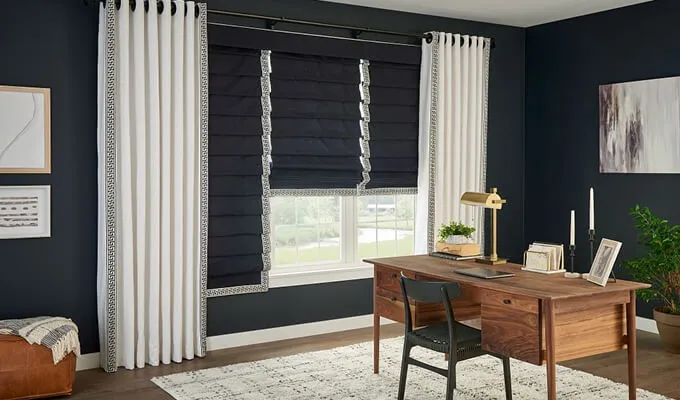
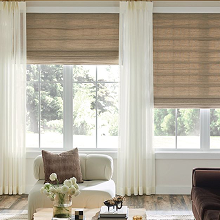
Custom drapery can completely transform a room. The right fabric matters, but so do the details behind the scenes, including how your drapery is measured, lined, installed, and finished.
If you are considering custom drapery in Austin, TX, these four tips can help you create a more polished, functional, and professionally designed look.
1. Hang Your Drapery High and Wide
One of the easiest ways to make a window look larger is to install drapery higher and wider than the window frame.
Mounting the hardware closer to the ceiling can make windows appear taller and help create the look of higher ceilings. Extending the rod or track beyond the sides of the window also allows the drapery panels to stack outside of the glass when open, helping preserve natural light.
The ideal placement depends on your window size, ceiling height, furniture layout, and the type of custom window treatment you choose. Professional measuring and installation can make a noticeable difference in the finished result.
2. Choose the Right Drapery Fullness
Custom curtains and drapery should look full and dimensional rather than flat or stretched across the window.
Fullness refers to the amount of fabric used in relation to the width of the area being covered. Many drapery designs use approximately two to two and a half times the finished width to create a soft, gathered appearance.
The right fullness can vary depending on the fabric, pleat style, hardware, and overall design of the room. A lightweight sheer may require a different approach than a heavier decorative fabric.
Proper fullness gives custom drapery its finished, tailored appearance and helps the fabric fall more naturally.
3. Select the Right Drapery Lining
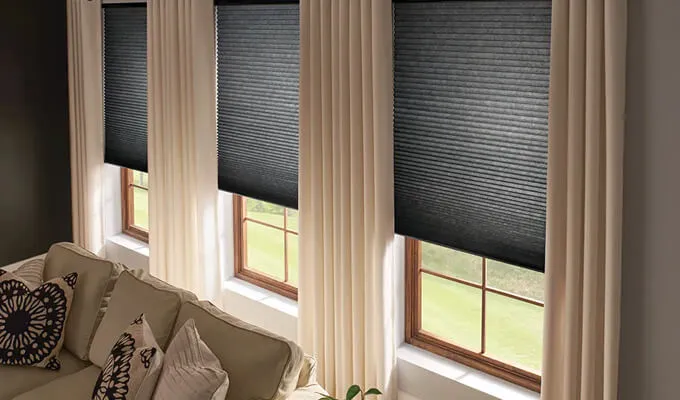
Drapery lining affects much more than appearance. It can also improve privacy, light control, insulation, and the overall structure of the fabric.
For bedrooms, nurseries, and media rooms, blackout lining can provide better room darkening and privacy. In living rooms and dining rooms, a standard or privacy lining may be a better choice when you still want some natural light.
Lining can also add body to lighter fabrics and help protect decorative materials from prolonged sun exposure.
When selecting custom drapery for your Austin home, consider how the room is used throughout the day and how much light and privacy you actually need.
4. Steam and Dress Your Drapery After Installation
Professional drapery installation does not always end when the hardware goes up.
After installation, steaming helps remove wrinkles and creases caused by manufacturing, packaging, and transportation. The panels can then be carefully arranged so the pleats and folds fall evenly.
In some cases, loosely tying the drapery panels back for approximately 24 hours can help train the fabric and encourage the folds to maintain their shape.
This finishing process is often referred to as dressing the drapery, and it can make a significant difference in the final appearance.
Custom Drapery in Austin, TX
The best custom window treatments combine style and function. Fabric, fullness, lining, hardware, length, and installation all work together to create the finished look.
At Bumble Bee Blinds of Austin, we help homeowners choose custom drapery, curtains, shades, blinds, and other window treatments designed specifically for their homes. Our in-home design consultations allow you to compare fabrics and materials in your own space while considering lighting, furniture, paint colors, and the way each room is used.
We also professionally measure your windows and coordinate installation so your window treatments are made to fit your home.
If you are looking for custom drapery in Austin, Buda, Kyle, Dripping Springs, or the surrounding Central Texas area, schedule a free in-home consultation with Bumble Bee Blinds of Austin to explore fabrics, styles, lining options, and custom window treatment solutions for your space.